As in, yoso-silly, yoso-hungry, yoso-full, or best of all; mmm-delici-yoso!!!!! A San Diego based food and travel blog. An Ex-Pat Kama'aina and Friends explore food, restaurants, and travel from San Diego and points beyond.
Recently, the Missus was craving some com tam…..so, after some, ahem “com-tam-plation”, we headed off to what was Her favorite during our round of visits; Pho Ban Mai. Upon arriving, the place seemed quite bustling….but unlike our previous visit, the young lady working front of house was so very nice and friendly!
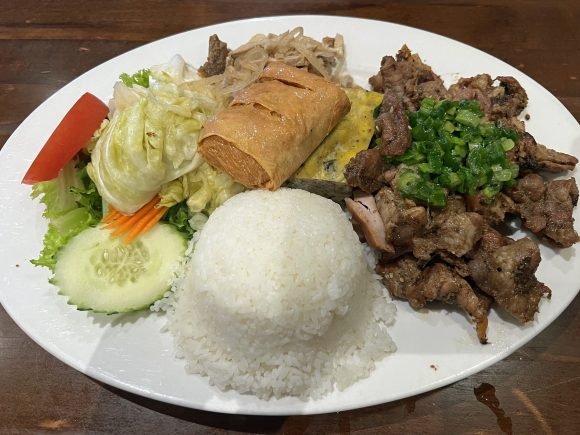
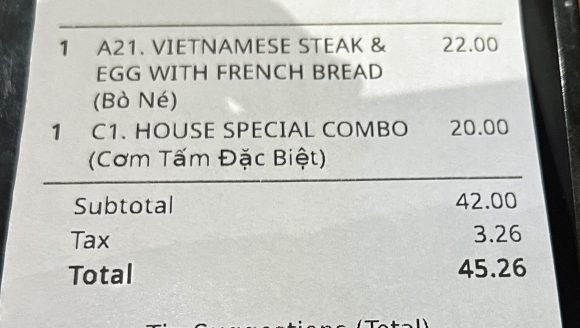
And the Missus got Her Com Tam Dac Biet, which is now priced at $20 (it was $17.95 last December)……but after all the recent price craziness, this actually seemed quite reasonable……I guess everything is based on time and perspective, right?
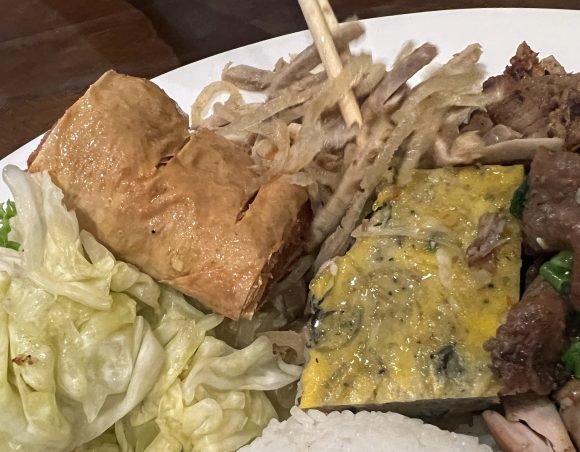
She plowed thru that steamed egg and said the crispy bean curd with shrimp was even better than last time!
The only fail was the Bi – the shreds of pork and pork skin were sliced a bit too thick and it lacked enough rice powder.
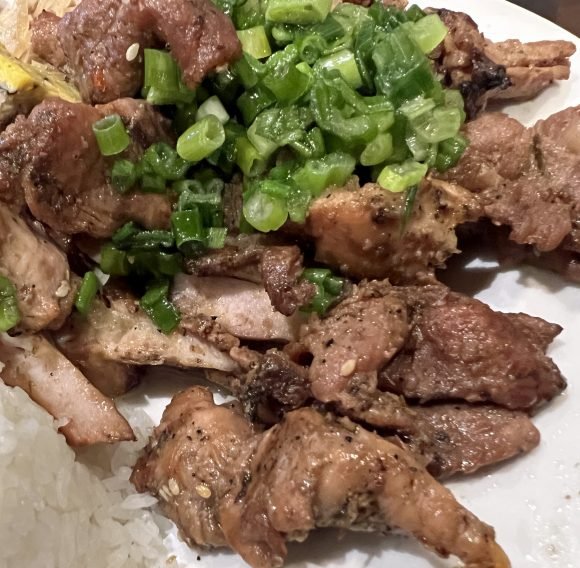
For some reason, the portion size of the grilled pork and chicken seemed larger.
She saved most of this and we had it for dinner over rice. Good toothsome texture, not overly salty, good savory-sweetness.
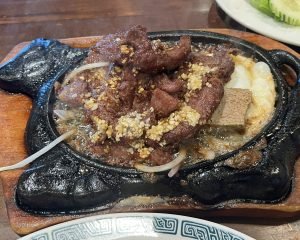
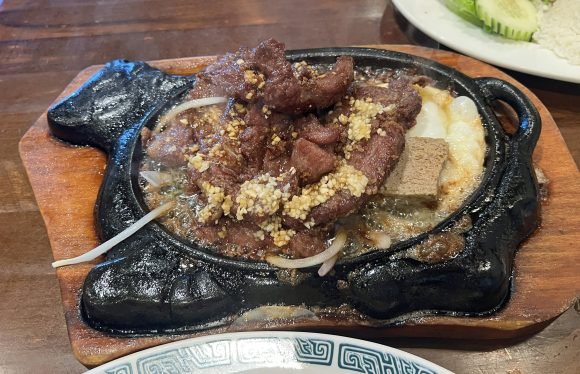
As for what I had….well, it was a bit of a quandary, as the Banh Xeo was not to our liking the last time. Just in the nick of time, I saw a sizzling plate of Bò Né pass by. I’d had it before and though it was just ok, but this looked different…so, I decided to order it. Just based on portion size, I think it was worth the $22.
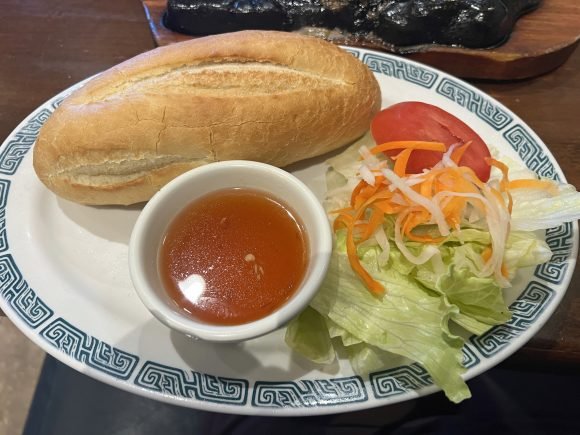
And yes, I was dodging (Né literally means “to dodge”) all that sizzling oil. In terms of what I had last time; this was worlds better…..the meat was much more tender, though the seasoning; other than that wonderful load of garlic was on the milder side. There was a lot of it as well….again, most of that went home…..
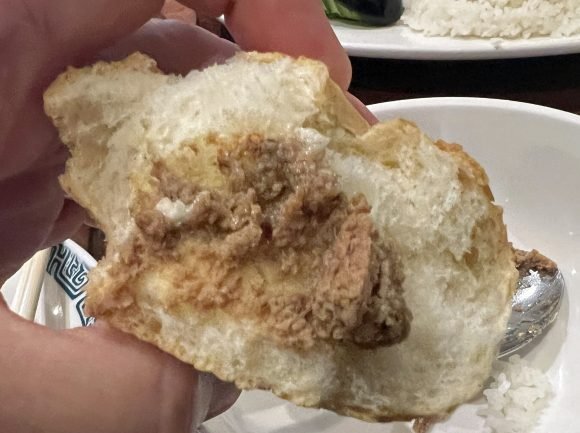
Because I ate that entire banh mi with the pate and egg! It was soooo good, definitely a “pate party” if you know what I mean.
Creamy – velvety, savory, pleasantly “offal-ly”…man, this was so good.
I guess I’ve found my go-to dish here now!
And we had two meals from this.
And with the lovely service….I’m guessing we’ll be back when the Missus needs for Com Tam fix…..or I feel the need to do some “Beef Dodging”!
Pho Ban Mai 8991 Mira Mesa Blvd San Diego, CA 92126 Current Hours: Sun – Thurs 9am – 845pm Fri – Sat 9am – 945pm
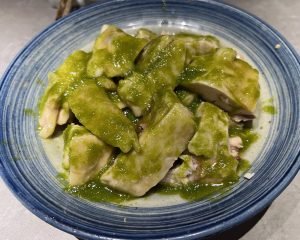
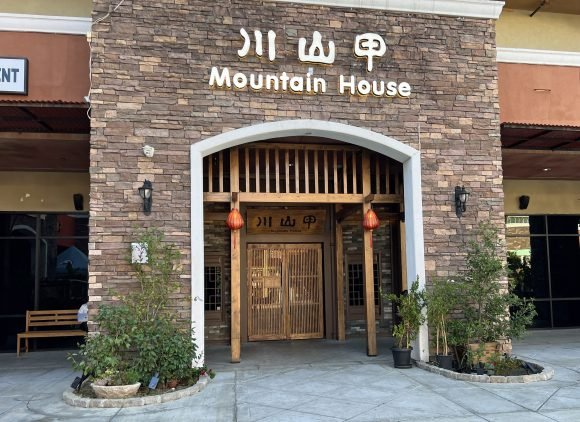
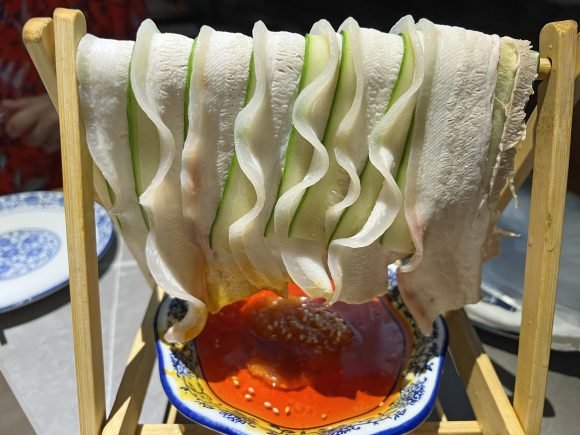
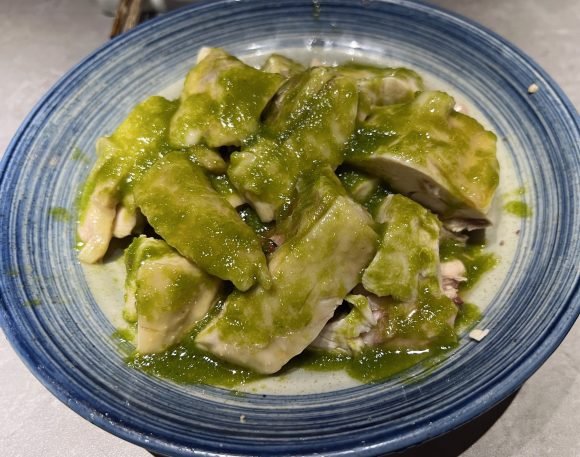
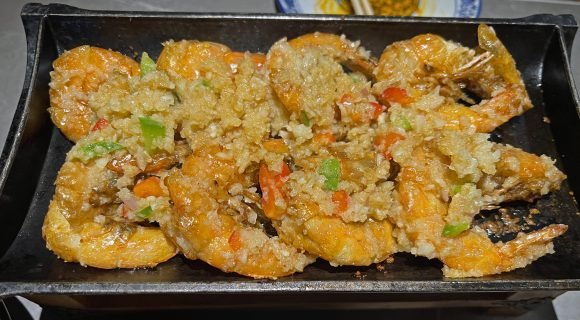
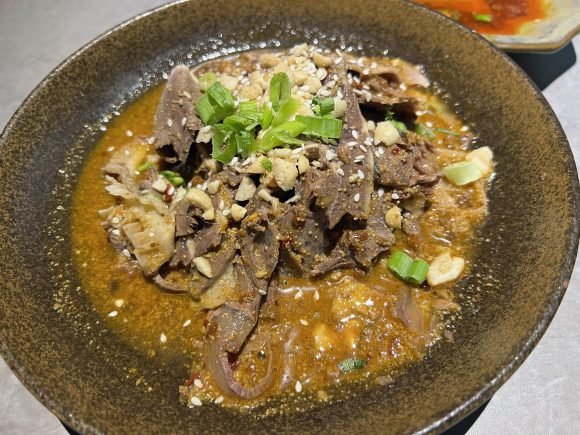
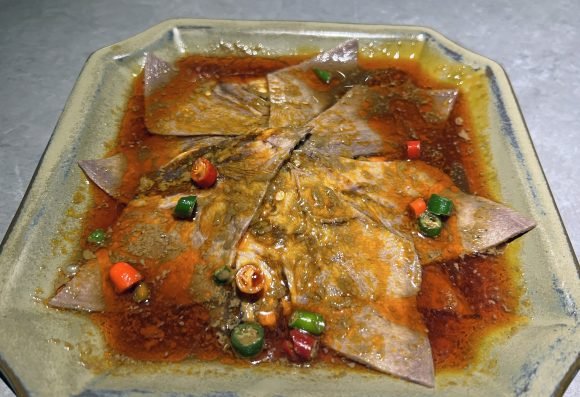
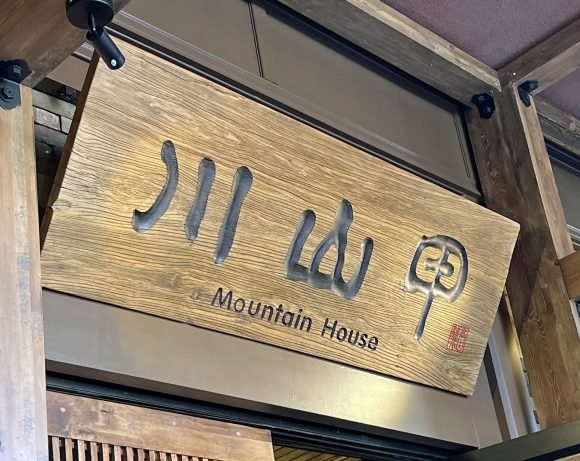
Man, how did I forget about these photos? Anyway, since our first visit to Mountain House, it’s become a favorite of ours. We enjoyed the modern take on Sichuan cuisine. Of course, now that we have JJ….well, there’s no outdoor seating available, we may just have to do takeout or something?
Anyway, these photos from a couple of revisits have just been lying around….so I thought why not post them, right? So here we are C(learing) O(ut the) M(emory) C(ard).
Mountain House 18888 Labin Court Rowland Heights, CA 91748
After a fun evening in Sydney, we caught the Metro to Sydney Airport. We were off to our next destination; one that I had been looking forward to for a while. Our flight left on time for Ayer Rock Airport……our next stop, was the oft mentioned “Outback“…..no not that Outback, but the town of Yulara.
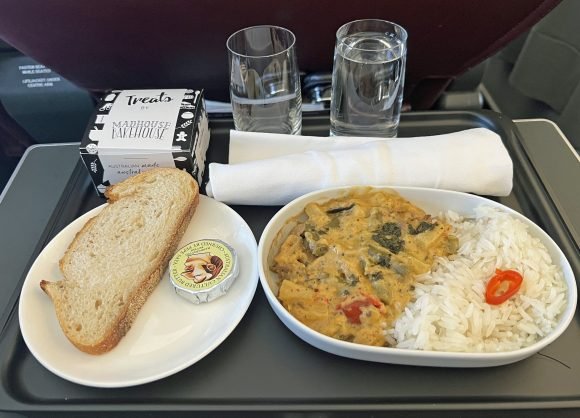
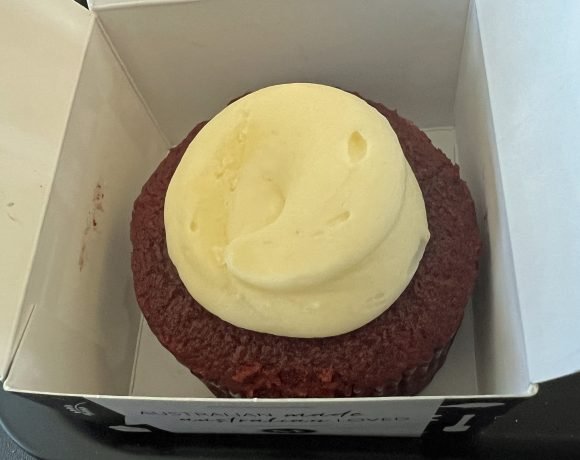
Even though our flight left at 930am and arrived just 2 hours later at Ayers Rock Airport, we were fed a pretty substantial meal.
It was a short 10 minute shuttle from the airport to where we were staying; the Desert Gardens Resort at Ayers Rock Resort. The actual name of the town is Yulara, which is the village which serves as the hub for folks visiting Uluṟu-Kata Tjuṯa National Park. Yulara was established to serve as a centralized village in the late 70’s as a way to help protect and preserve the the sacred sights and ecosystems in the area which were being heavily damaged by tourism. In 1984 the government ended all leases for the motels around Uluru and ownership was transferred to the Aṉangu people, the traditional Aboriginal owners of the land. The Aṉangu then went ahead and leased it back to Australia for 99 years.
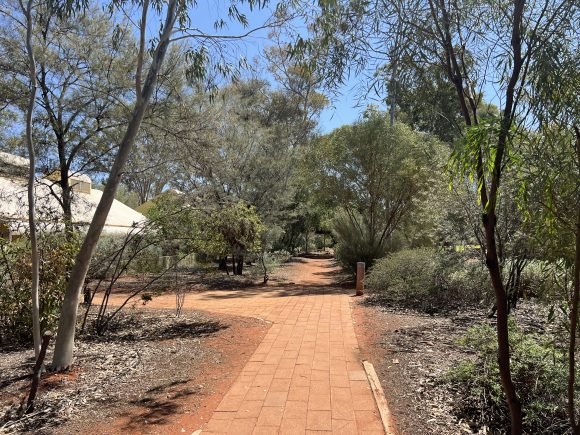
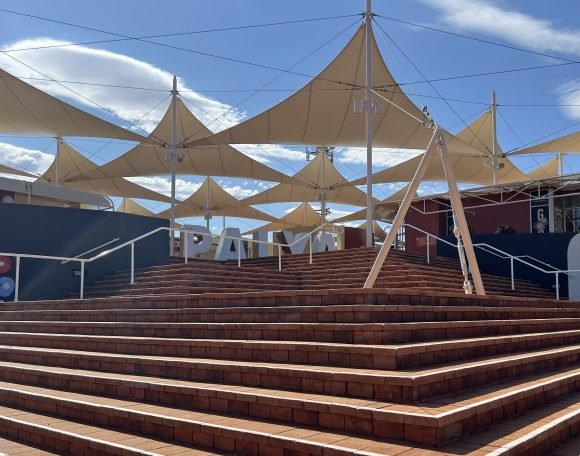
We arrived a bit early for check in and decided to take a short walk to the village. I’ve read that folks have complained about the walk to the village, but come on, we’re in the Outback and this is only a 10 minute walk into the village!
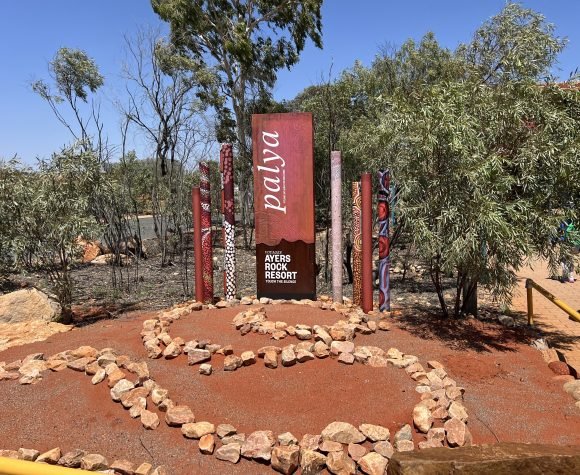
We’d see sign saying “Palya” everywhere. I came to find out that much like what I grew up understanding what “Aloha” meant, Palya means “hello”, “welcome”, and “goodbye” among other things in the dialect spoken by the Aṉangu people.
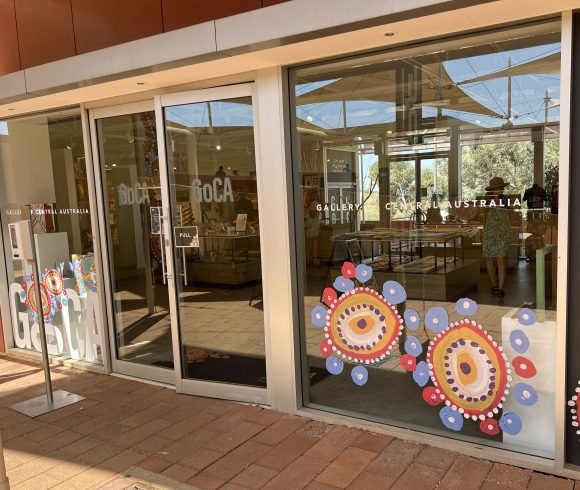
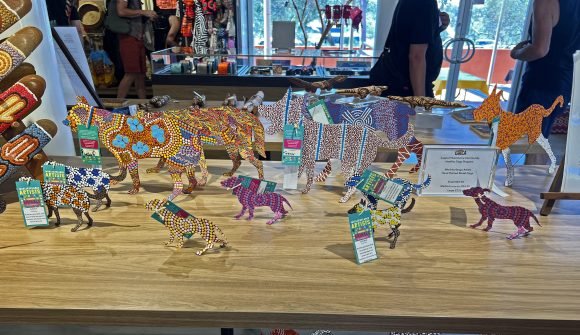
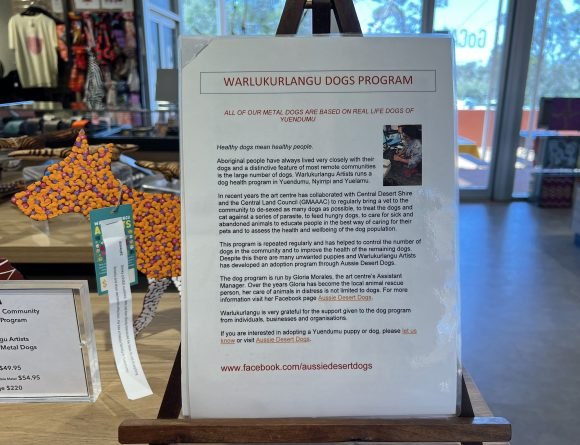
The Missus enjoyed the shops….
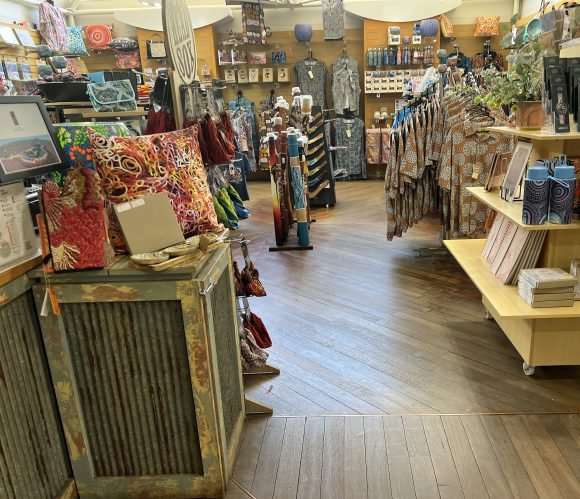
And we got some “stuffs” here…..
Of course, right????
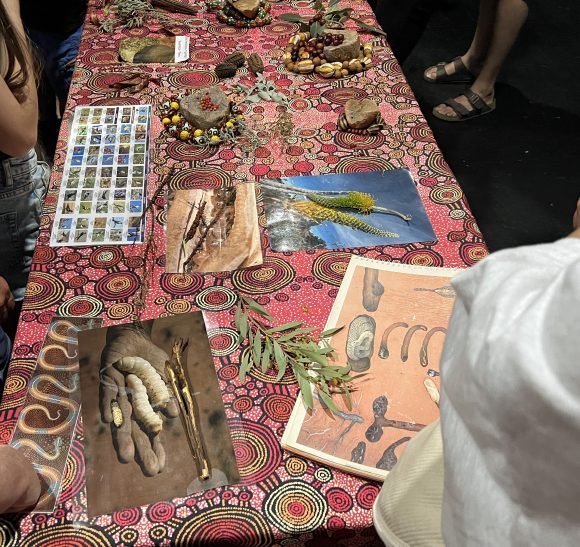
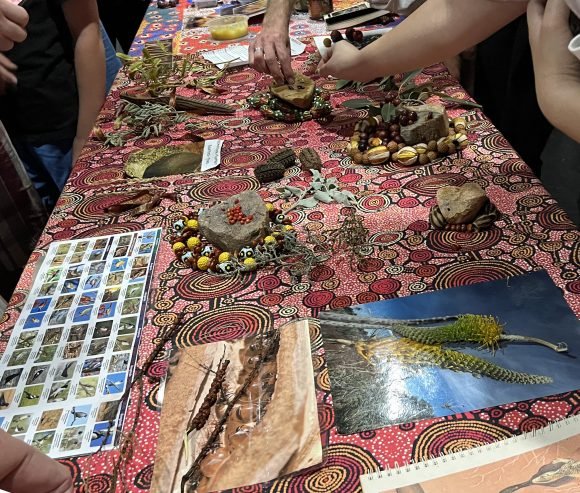
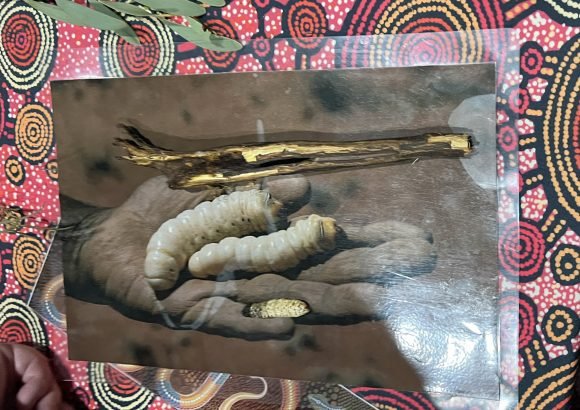
While checking out, the really nice lady working told us that there’s a daily bush food “experience” at the movie theatre at 1pm and it’s free! So, we decided to head on over. It was on the way back to the hotel anyway.
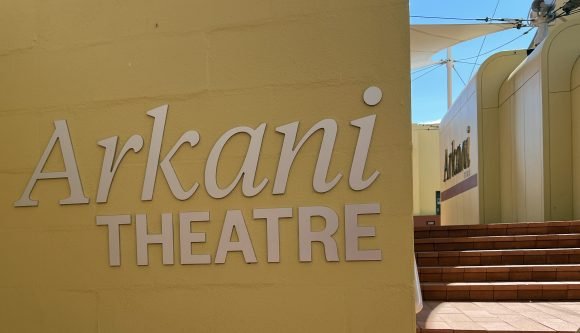
We arrived at the Arkani Theatre just as the show was starting….there was a movie first and then folks were invited to a table where folks went over how food was gathered and prepared. It was pretty crowded so I didn’t take too many photos.
It was a fun experience.
After which we headed over to our room which was ready…..
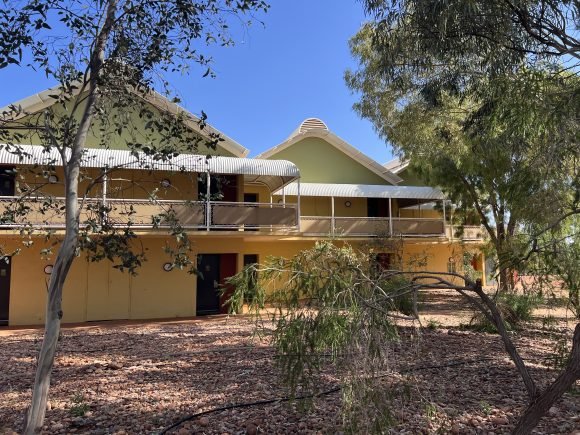
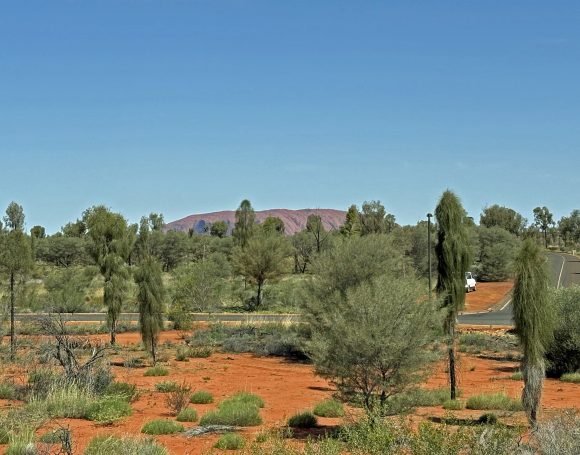
The rooms were fine; we wouldn’t be spending too much time in them anyway. Hard to believe that this used to be the Four Seasons Resort here! And even though the main road is out the back; there was a view from the back that we loved. Can you see it?
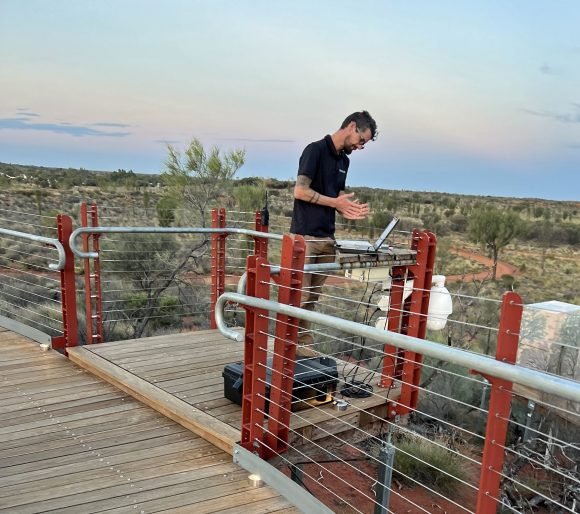
I had made reservations for something I thought might be fun for the evening; the Wintjiri Wiru Sunset Dinner. We met our bus which took us out of town about 10 minutes or so. Upon arriving; we were led down a walkway.
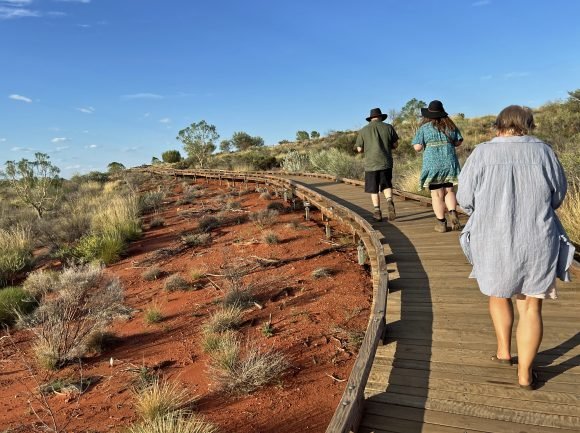
At the end of which, I finally got a good look at the reason we wanted to come here.
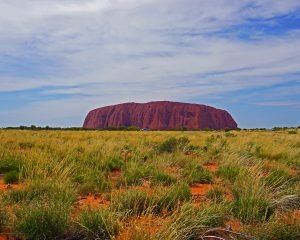
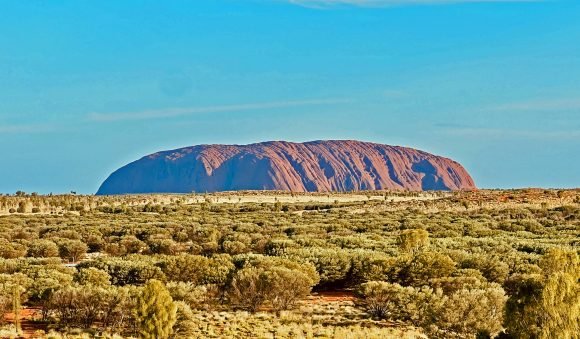
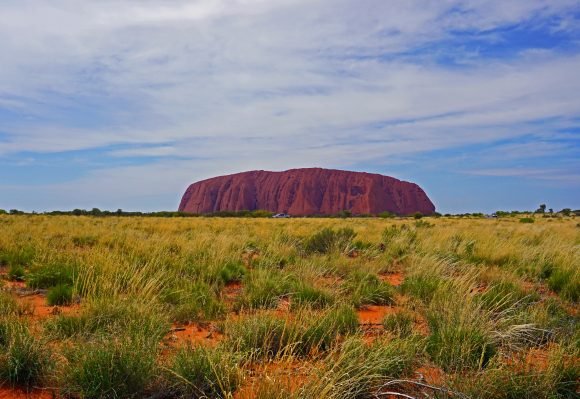
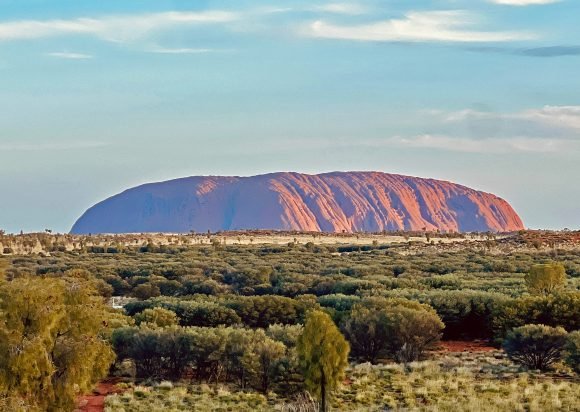
Yes, it’s the massive monolithic Uluru, rising out of the flat plains of the Outback.
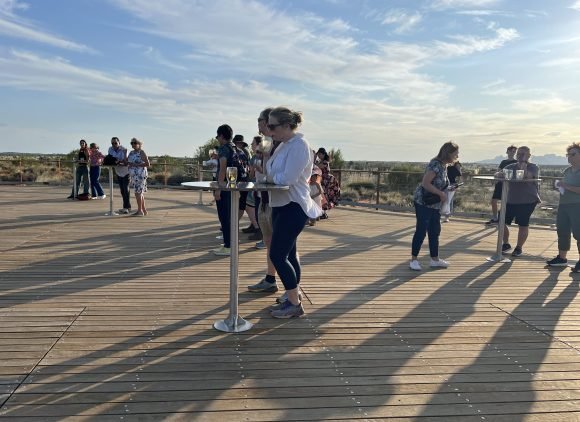
The evening started with that view and some cocktails and appetizers on a deck.
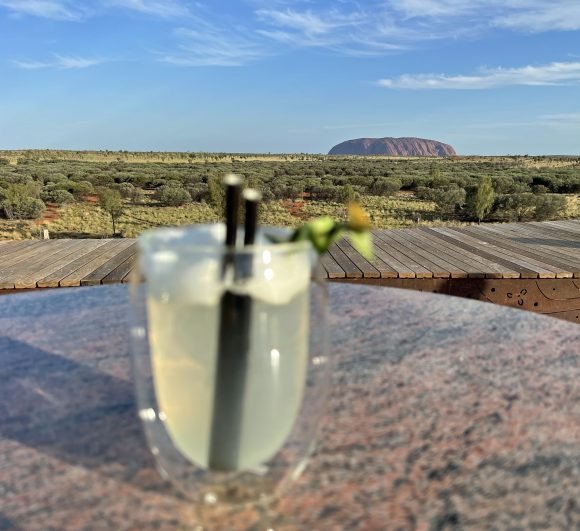
With Uluru in the distance.
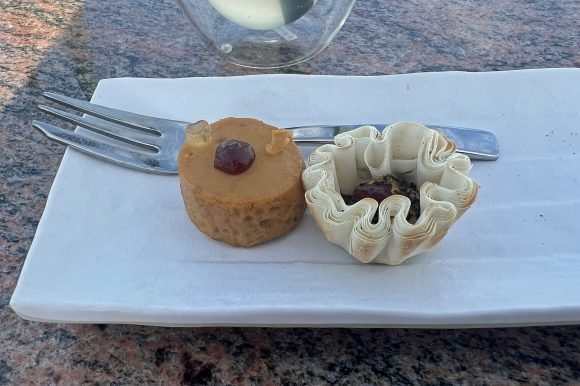
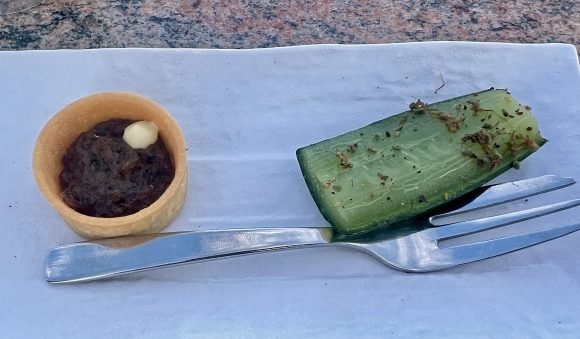
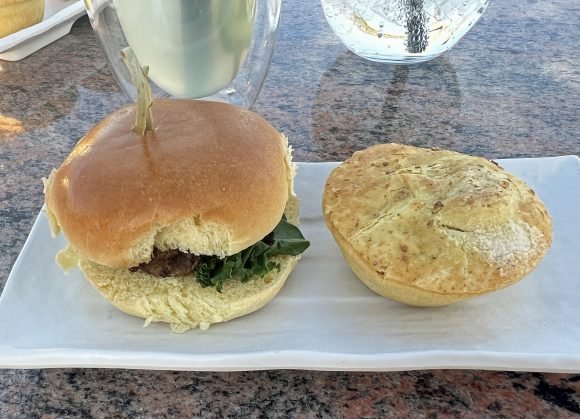
There were some interesting canapes; like the Gin Infused Cucumbers with Green Ants.
Really chlorophyllic, with a kick. The ants were really tangy and sour.
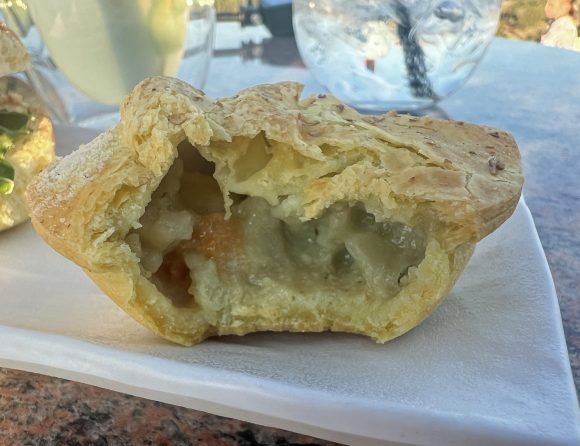
That Lemon Myrtle Crocodile Curry Hand Pie was potent. Super citrusy – lemony!
All the while watching Uluru turn bright red in color as the sun went down.
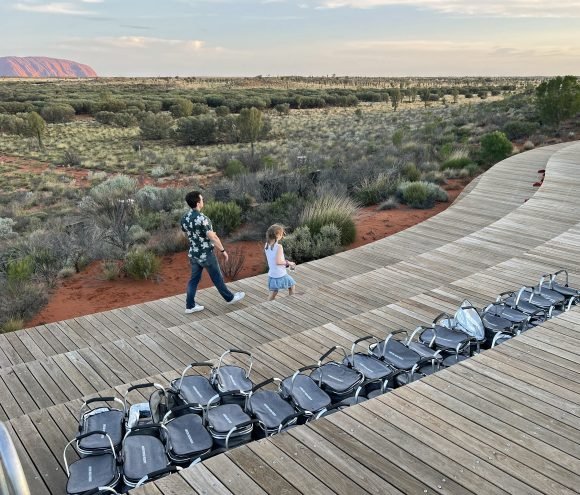
We were walked over to a bleacher area.
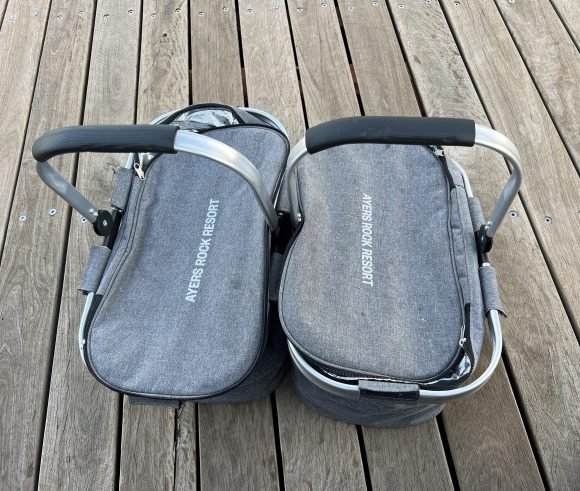
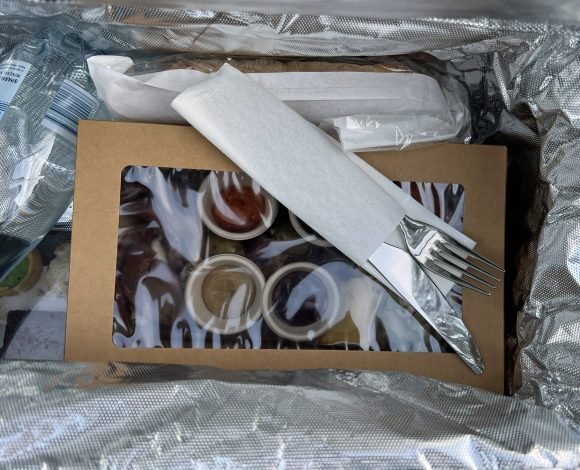
Where dinner hampers were awaiting us.
We saw the folks prepping for the light and drone show.
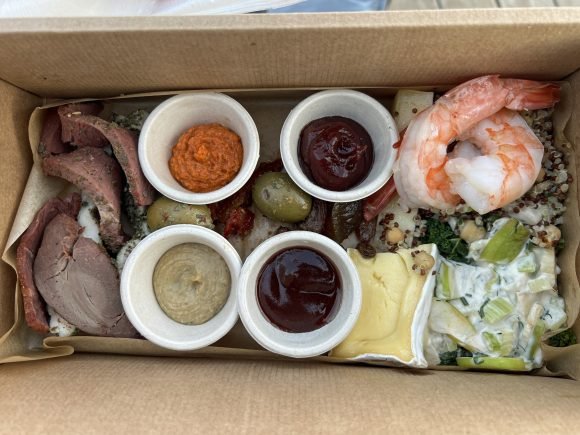
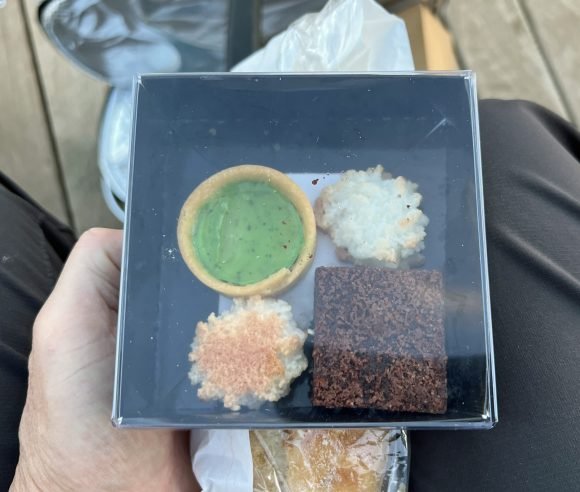
And the variety of food in the hamper was interesting.
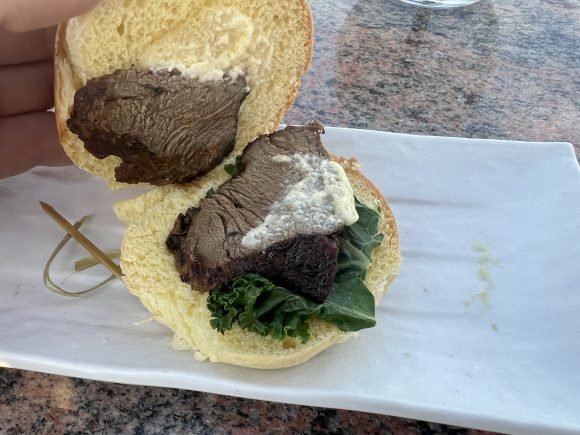
Not sure what the heck shrimp was doing here as we were in the Outback, but those Saltbush Marinated Olives were so complex in the brininess and savory tones. The dried bush tomato with ice plant and paper bark was so intense in acidity, with a mild smokiness. The smoked emu with saltbrush and chili crust was fine; but we both really enjoyed the blackened pepperleaf kangaro, which while being fairly lean, had a pleasant gaminess, and the pepperleaf added a mild numbing sensation. We’d see this on a menu later in the trip and made sure to order it.
All while watching Uluru “evolve” as the sun set. Watching this really helped me to understand the sacredness of this red sandstone monolith standing above all, to the indigenous people of the area.
And turning around we could watch the sunset over the plains…..
Now, as you know, I’m from the islands and am quite used to amazing sunsets; but this is in a league of it’s own.
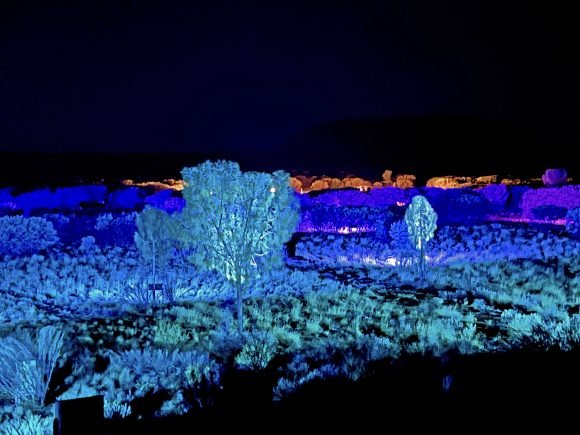
As the sun went down; the wind started kicking up. So, the drone portion of the “show” was cancelled. Still, there were all the light displays.
Though some were complaining…..we really didn’t care…..the main thing to us was watching that sunset over Ulura. I don’t personally know of anyone else whose been here…..but I wish more folks would go.
And, we had a sunrise excursion to Ulura the next day! Man, we couldn’t wait for that!
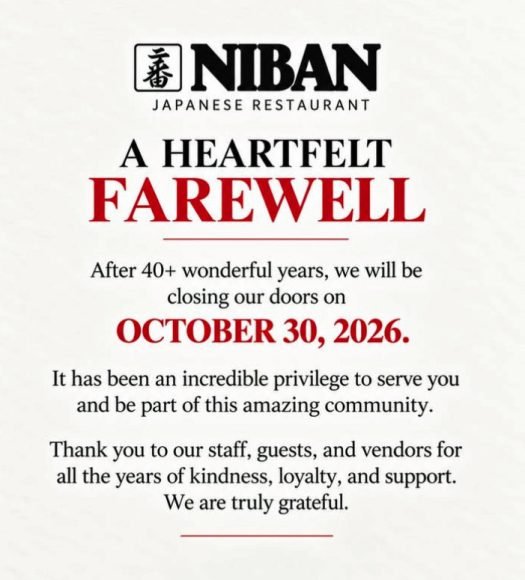
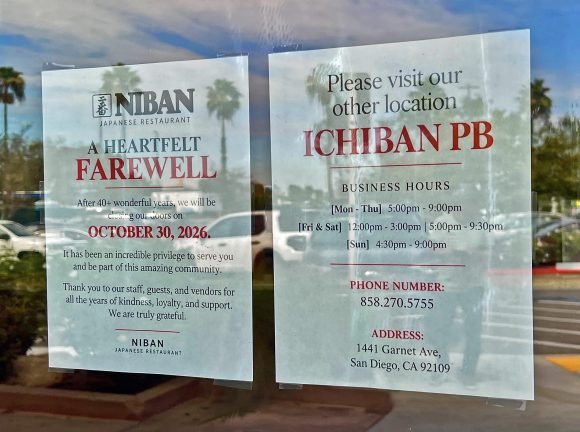
Well, this one was quite unexpected. And wouldn’t you know it a few minutes later “CC” send me a message via IG mentioning this as well! Wow, so many places closing these days. Just illustrates the current state of our economy……
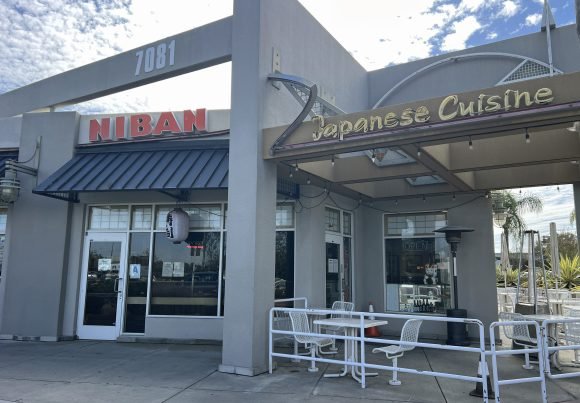
Anyway, I just thought I should go ahead and get lunch there….just out of respect and appreciation for such a long running business. And while I’ve never done a post on the place, Cathy has done six posts between 2006 and 2024. Niban used to be a fairly regular stop for Calvin and I when our office was in there area. Though like Mom and Dom’s, Soup Plantation, and the Gas Station Deli, I just never did a post on the place. And I basically stopped visiting when our office moved locations.
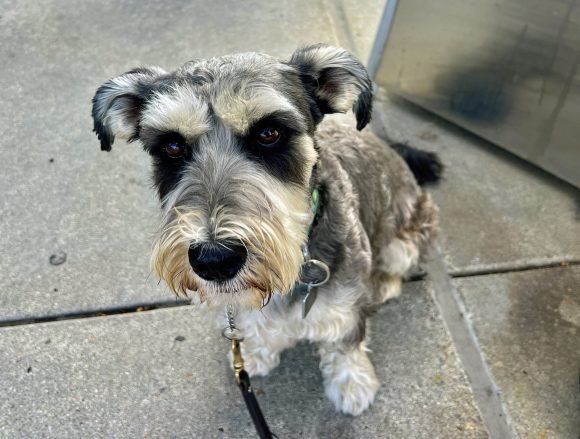
After seeing the IG post, I decided one last lunch was in order though. And since they had outdoor seating….guess who my lunch companion was?
Arriving just after opening time for lunch, I noticed how quiet the strip mall was. Now that Soup Plantation and other businesses are gone there was ample parking available.
There was an older Asian couple walking to the entrance to Niban and they were drawn to JJ! They mentioned that their son who lives in SJ sent them a text mentioning that Niban was closing. He grew up eating here, so the place has some nice memories for the couple. And they drove from North County to have one last lunch.
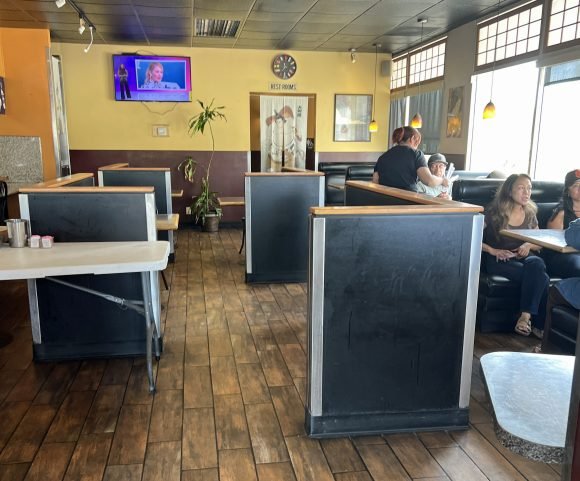
It’s been over a decade since I last visited; but the place looked the same. And the prices are still so reasonable as well.
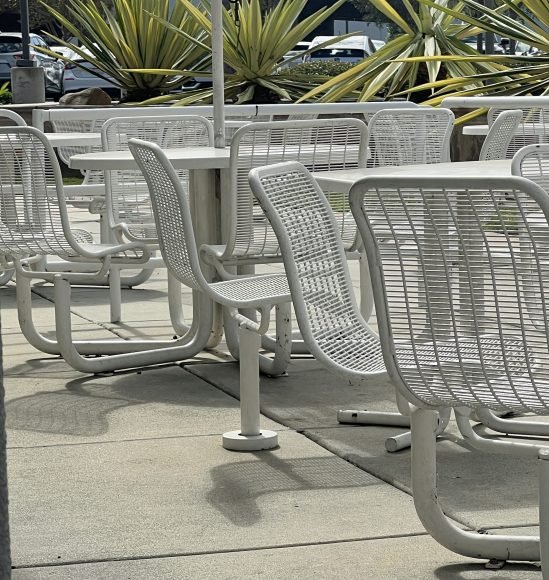
I ordered, paid, and had a seat outside.
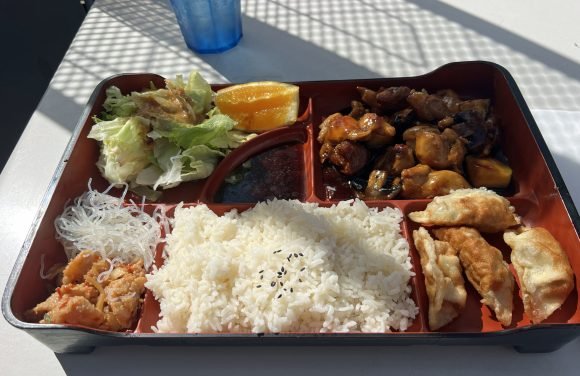
After Katsu Cafe opened close by; I stopped ordering the katsu, and you know me……I’m just not into California Rolls and such. In fact, Calvin and I had a code word for going to places like Niban, Choptix, and even Katsu Cafe. We’d say, how about some “SDJ” today? Basically, “San Diego Japanese” cuisine. Which I think, much like “ABCDE” is it’s own style/regional food.
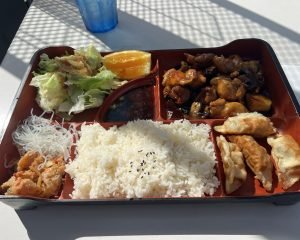
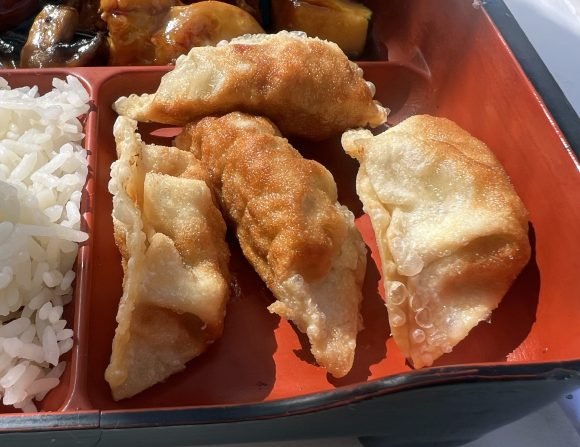
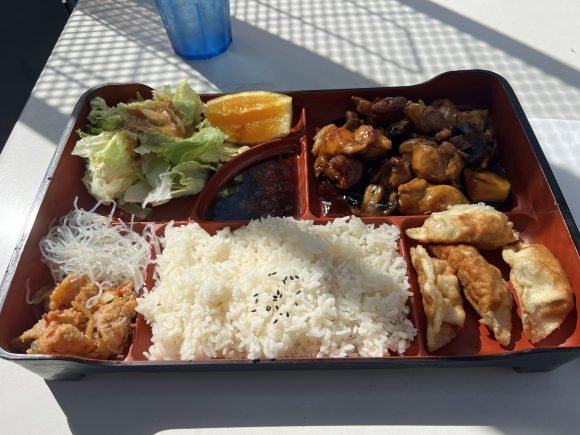
Prices here are still so reasonable. I got the lunch special Teriyaki Chicken; just $13.95.
Which was fine and worth the price.
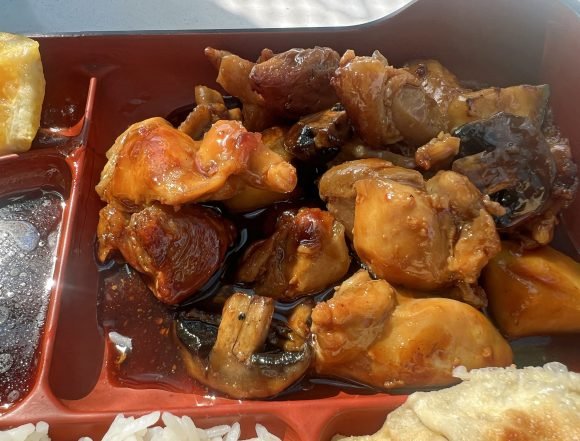
I had forgotten how sweet the teriyaki sauce here is.
And like previous visits; I enjoyed the mushrooms and zucchini in the sauce the best. The rice is a must!
But this isn’t a post about my meal here per se……
It’s one to show appreciation and respect for a place that’s been in business for decades; whose reasonable prices kept the masses fed.
And for those who are really missing the food at Niban; the PB location is still open. Also of note; the Hillcrest Ichiban has different owners….just in case you’re wondering.
Wishing the best for the staff here, as they’ve always been one of the reasons, along with the price, that we used eta here when our office was close by.
Niban Japanese Restaurant 7081 Clairemont Mesa Blvd. San Diego, CA 92111
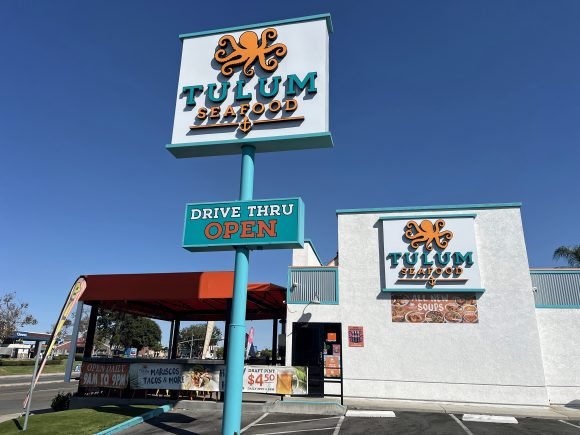
Man was the weather so hot….and humid for a couple of weeks, yeah? It kept me trying to find some different “stuffs” to eat. One place that I’ve had on my “list” for ages came to mind because I was in the area. Right on Camino Ruiz is Tulum Seafood…..I’d always been meaning to visit, but for some reason the place keeps slipping my mind. But on my recent visit to Paris Sandwiches I saw the shop once again and this time I made up my mind to finally visit. I know my former coworker “CY” enjoys the place as do several other folks. And then of course I forgot all about it……until we got nailed by the record heat and humidity at the beginning of the month. At which time I made up my mind to finally drop by.
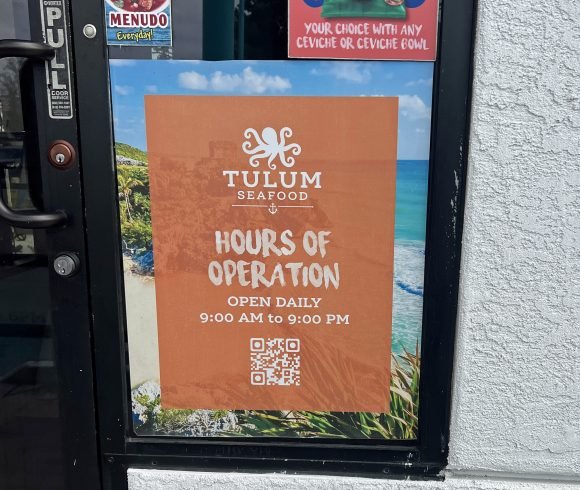
Tulum opens at 9am daily and I decided to drop by a bit after 9am. The parking lot is fairly small….and the shop actually has drive thru.
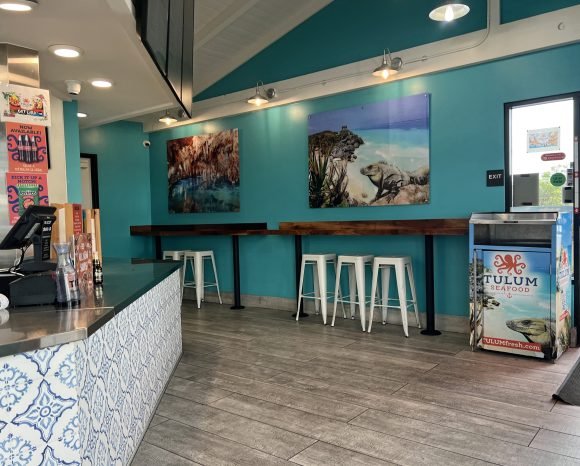
There’s a small patio, and a small but efficiently set-up counter-dining area.
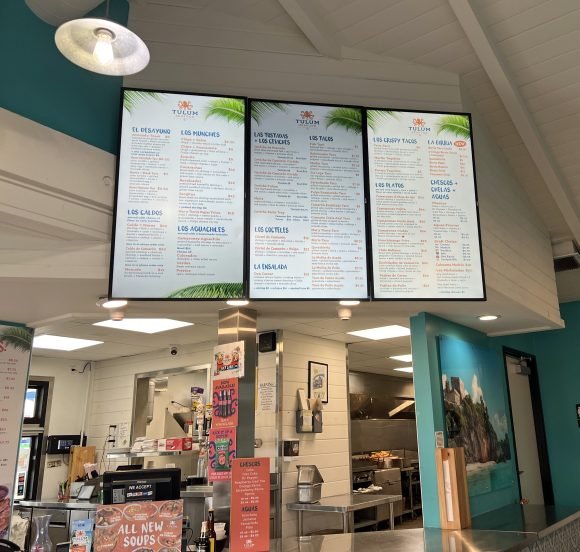
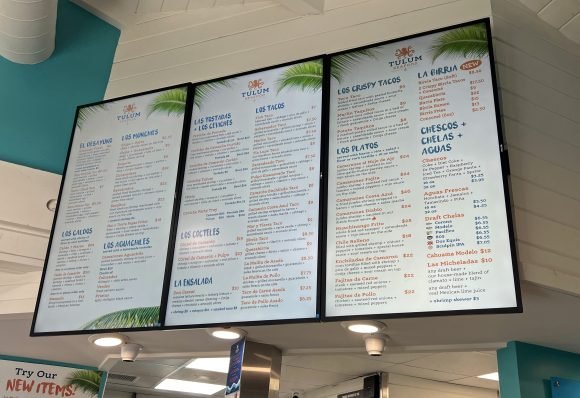
An then there’s the menu…which would totally cause analysis paralysis.
With tons of mariscos options, there’s even birria, carne asada, menudo, chile relleno, and so forth!
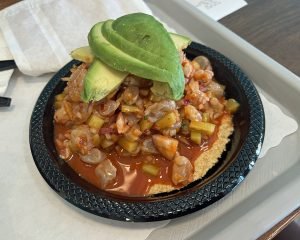
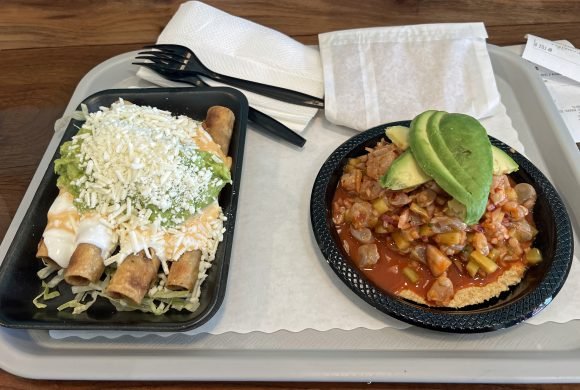
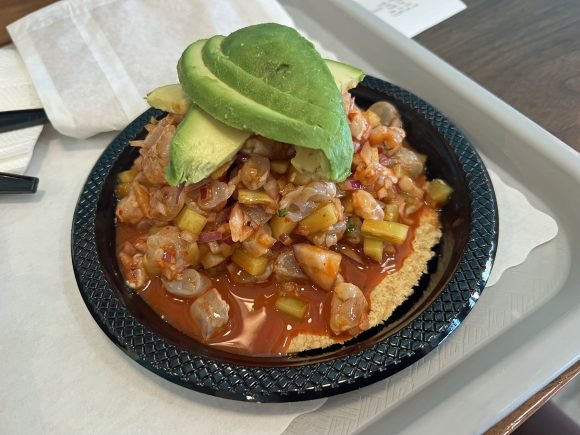
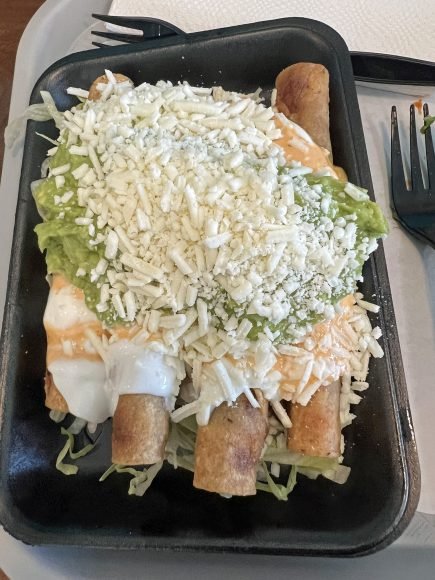
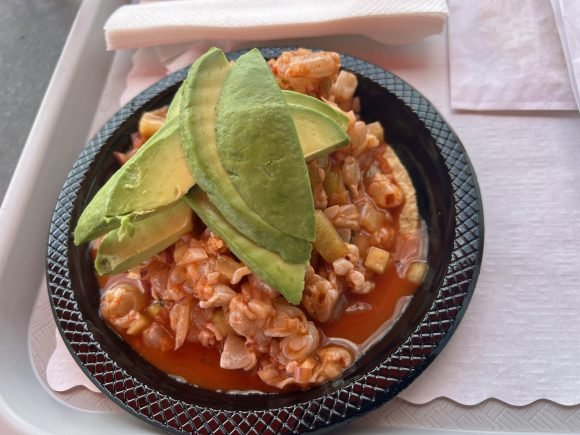
The name say “seafood”…it was going to be mariscos for me. I was really craving some ceviche; so I went with the namesake Ceviche Tulum…I decided on a tostada which was $9. I was wanting to try some of the smoked fish here and decided on the Marlin Taquitos ($9). The typical estilo marlyn here is made with tuna instead of the namesake marlin.
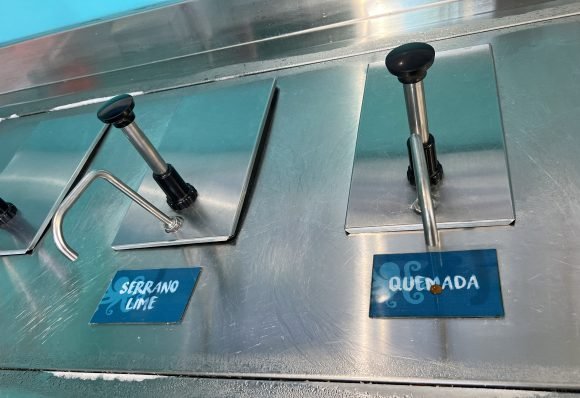
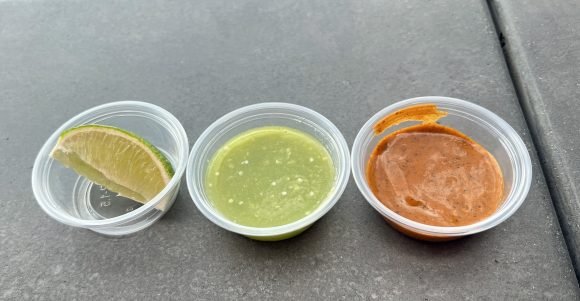
I went and got some hot sauces and lime while waiting.
Both the roasted tomato (quemada) salsa and serrano lime salsas were pretty spicy.
And soon my food was ready.
I was pleasantly surprised at how much pleasantly toothsome, yet tender shrimp there was on the tostada. That fire roasted arbol marinade was potent, the acidity from the lime juice heightened the sharp burn, which didn’t linger too long. The avocado tempers the sour spice with a hint of sweetness.
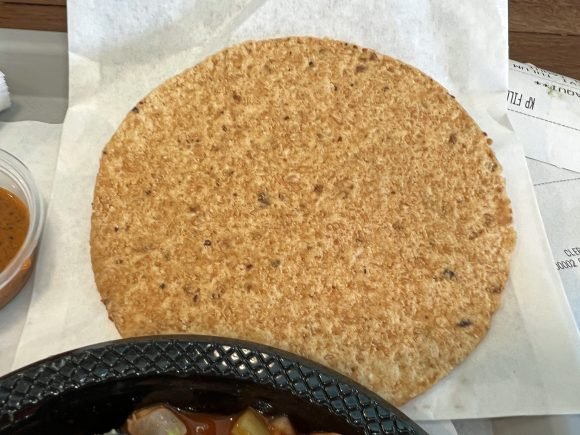
The tostadas were very sturdy, yet quite crunchy.
Just a straight forward and to the point dish. It was just what the doctor ordered on this day.
As for the Taquitos….well, it was a pretty large portion.
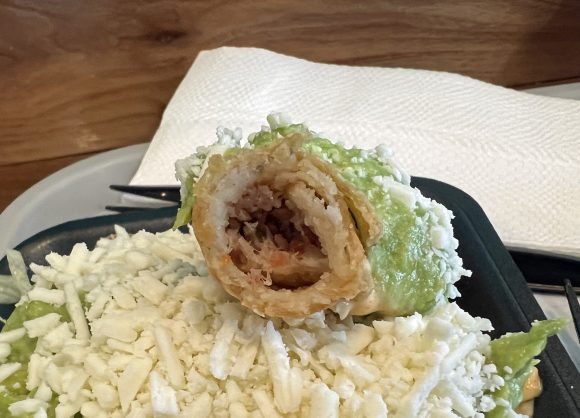
Way too much cheese and sour cream for my taste. The tortillas for the taquitos seemed to be basically the same as what’s used for the tostadas, making it very crunchy, but much too thick in my opinion. It was a case of too much “stuff” and not enough fish as I really couldn’t make out the flavor of the smoked fish.
Not a favorite of mine.
Still, I had enjoyed the ceviche, and thought the price was quite reasonable. So, when we got hit with another heat wave, that ceviche was again beckoning to me. And since the Missus had a day off and Tulum has a patio, we decided to check them out, and take JJ along.
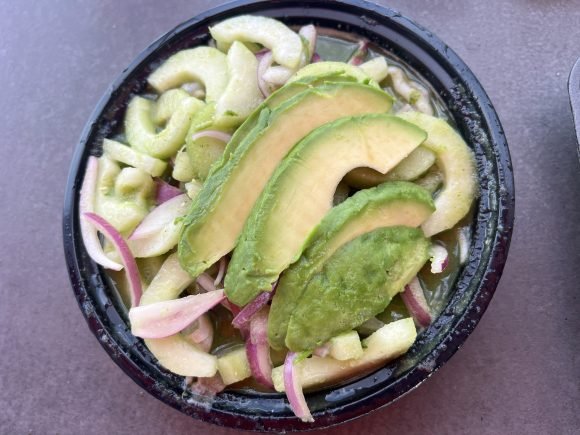
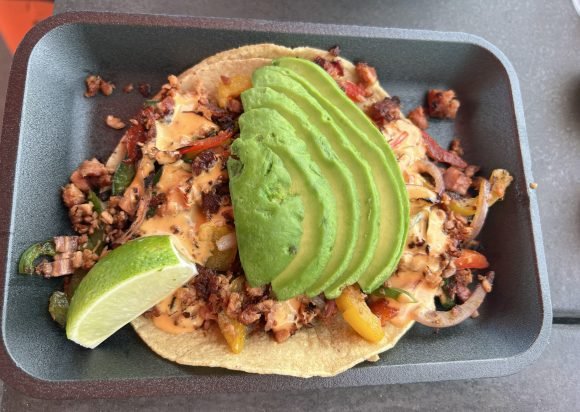
The Missus decided on the Aguachile Verde and went with a “bowl” which was $22. I again got the Ceviche Tulum and also got a Tia Lupe Taco ($8) which featured the house smoked tuna .
The Aguachile felt quite hefty and came with three tostadas. It had a ton of cucumber and red onion. Lots of tender shrimp under all of that as well.
This was quite sharply sour which really enhanced the spiciness. In fact, the Missus, who is usually immune to immediate signs of chile heat actually felt it and had to take a short break in the middle of eating this. But like the ceviche it’s not a lingering spice and mellows down quite quickly. This was a bit too sour for me; but the Missus enjoyed it.
The Ceviche Tulum delivered the same as before.
As much as the Missus enjoyed the aguachile, She actually enjoyed the Tia Lupe Taco the most. The fish seemed to have been crisped up with caramelized edges adding enhanced flavor and texture. The Missus ate a bite and told me “this is like smoked fish bacon”!
Some quemada salsa to kick up the heat a bit really helped; the good amount of avocado added creaminess and the zarandeado sauce wasn’t overly thick and mayo heavy, adding some smokey-richness to the taco. The tortilla held up, though barely, as it was starting to go as we were finishing up.
Still, we enjoyed this meal. Is it the best mariscos we’ve ever had? Well, no…..but it’s better than what we’ve been getting from Mariscos Trucks recently and really did “hit the spot”. The young woman working on both of my visits was very pleasant and the prices are not bad at all….especially for seafood. The covered patio, especially on a very warm day was a plus for JJ. With the huge menu, I’m sure not everything is great on the menu…perhaps we got lucky? Still, I’m sure we’ll return again….it’s good to have another option in the area.
On an interesting note; even though it was a gazillion degrees out, we saw the Hispanic guys having Menudo! What the heck? Maybe they were recovering from a “rough night”? Well, maybe when the weather cools off…..
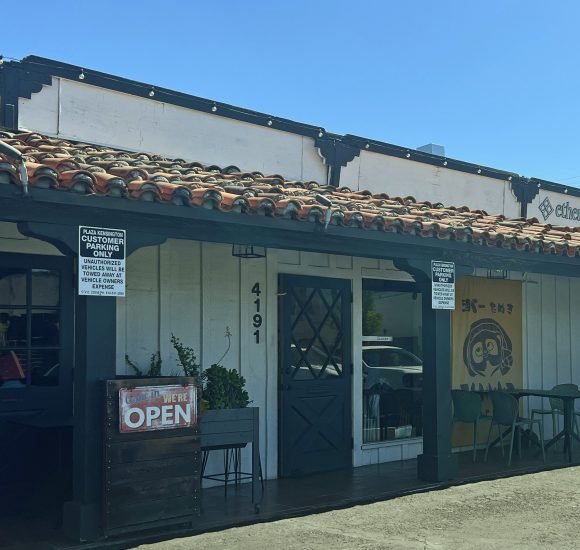
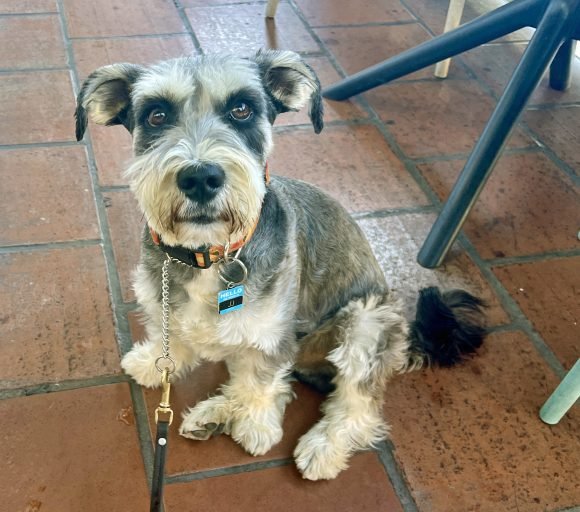
During the recent heat wave, I was wanting to take JJ out to lunch. After thinking things thru for a bit, I decided on Tanuki. It had been about 6 months since we last visited and the place has a covered porch to dine on.
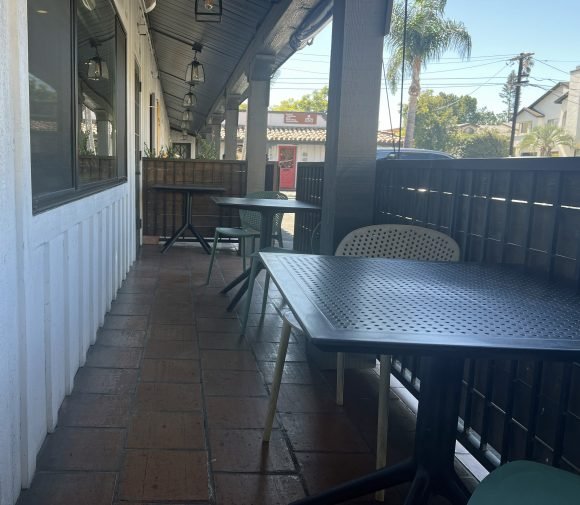
We arrived right at opening time and had a seat on the covered wrap around patio. It wasn’t too hot in the shade.
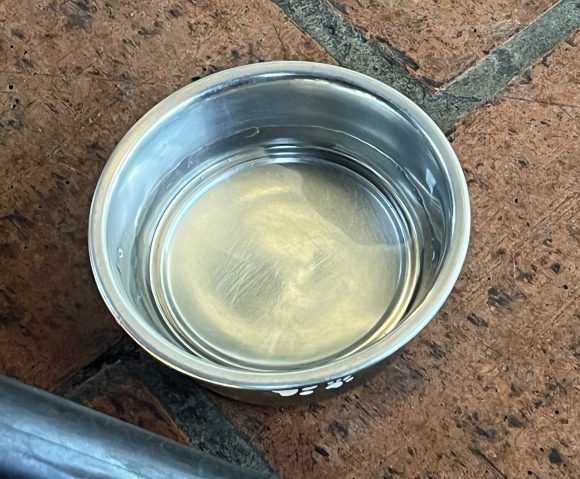
They’ve always been really nice to JJ here and it was no different on this visit as he was brought water along with the menus.
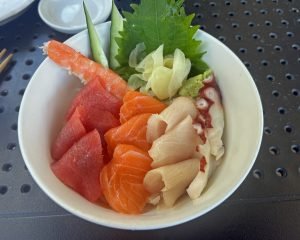
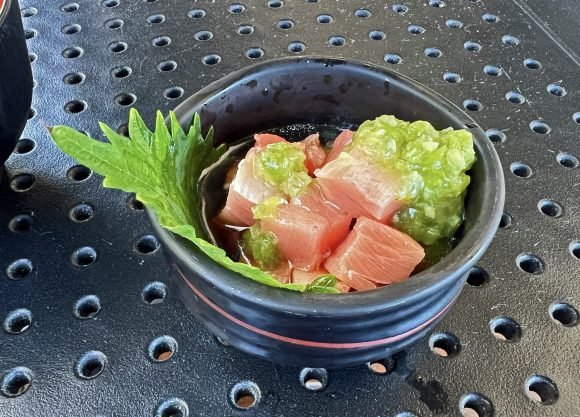
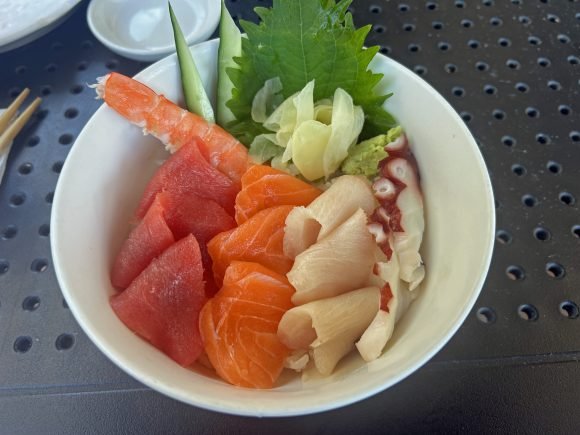
I decided on getting the Chirashi Bowl ($20) with a side of Toro Wasa ($12). I was actually wanting some of the items that used to be on the menu here; like shiokara and kakiage….but of course, based on location (Kensington); items like that haven’t lasted on the menu.
It was good to note that the already small portion of chu-toro in the Toro Wasa hasn’t changed since our last visit and neither has the price.
The toro had some chewy connective tissue this time around, but was not bad. The wasabi and what seems to be ponzu based sauce was nice and pungent without being too strong and all of it goes well with the shiso. This was fine.
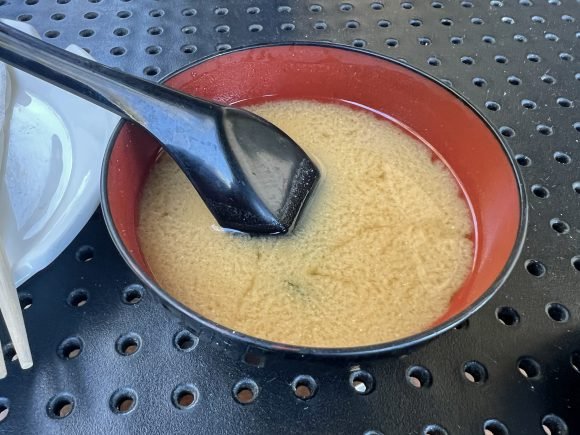
The really nice woman working who seemed to enjoy having JJ around brought me a complementary bowl of miso soup! She said “I know it’s hot, but I thought you might want to have some miso soup!”
So very sweet! JJ got his bowl of water and I got some miso soup! Nice!
The Chirashi Bowl was priced fairly low for these times so I didn’t expect much and it was fairly routine.
Texture wise; the salmon was very tender and meaty in comparison to the maguro which was starting to oxidize. The hamachi was decent, a bit more chewy than I prefer but not bad. The tako was pleasantly toothsome and had a mild “hint of the sea” that went well with the wasabi and shoyu.
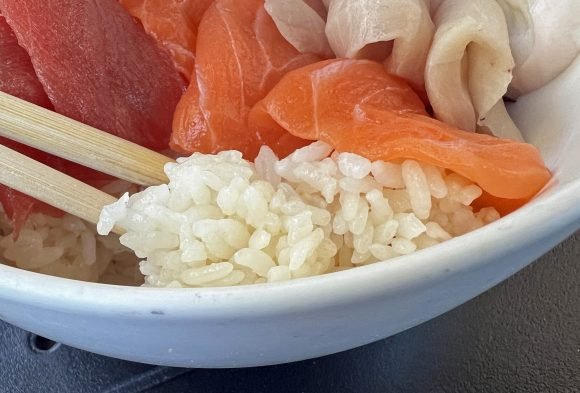
The rice was quite chewy, but the seasoning spot on.
All in all, while not in the same league as lunch Chirashi at Sakura or Ju-ichi, I can bring JJ here, the service is nice. I do prefer Tanuki’s Chirashi to what is served at Kiiro or Oishi as well.
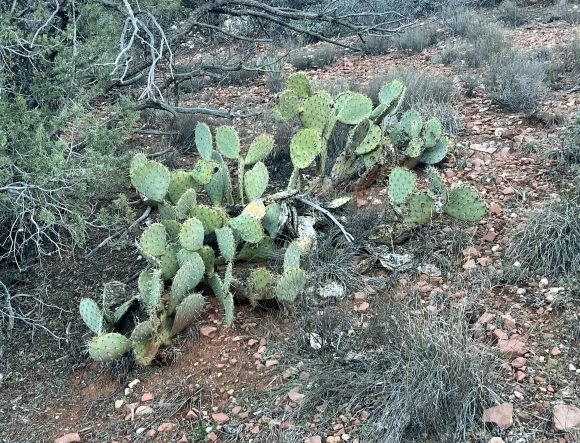
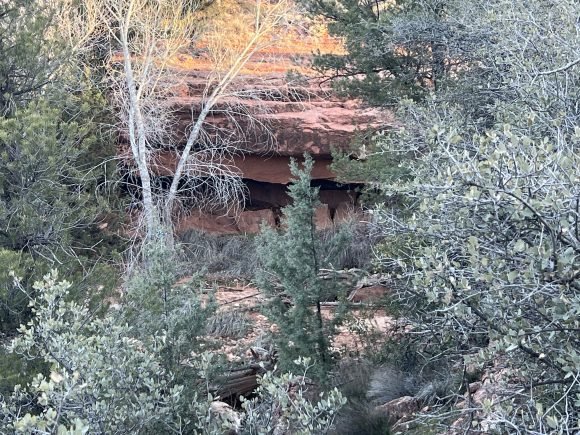
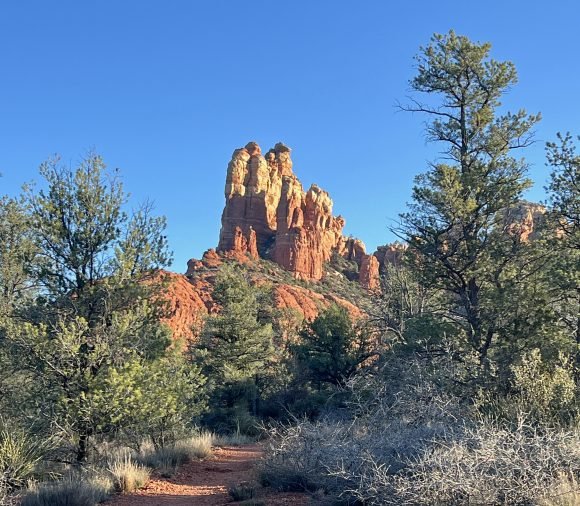
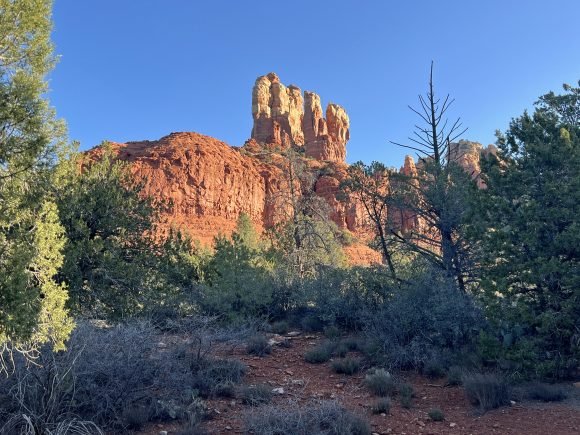
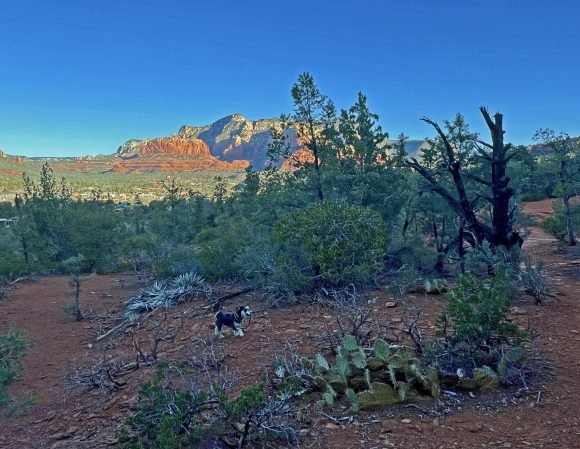
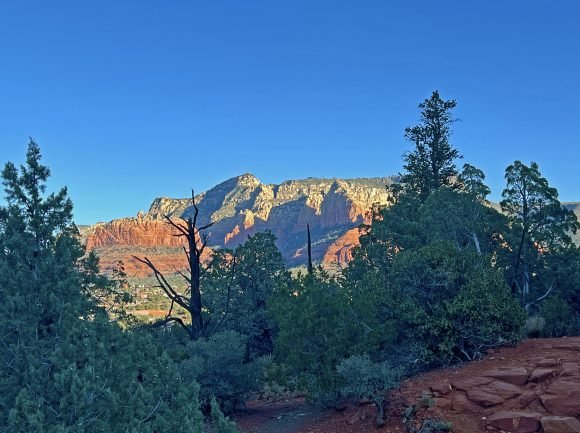
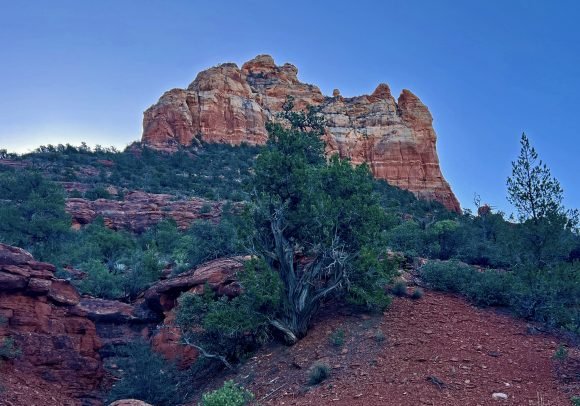
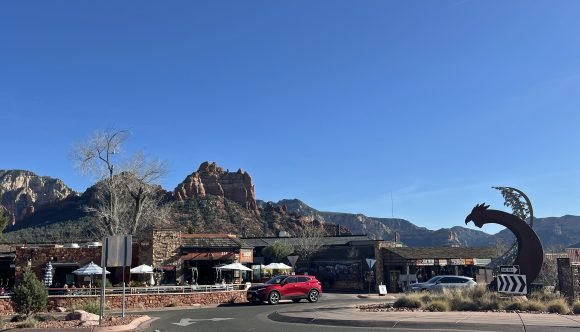
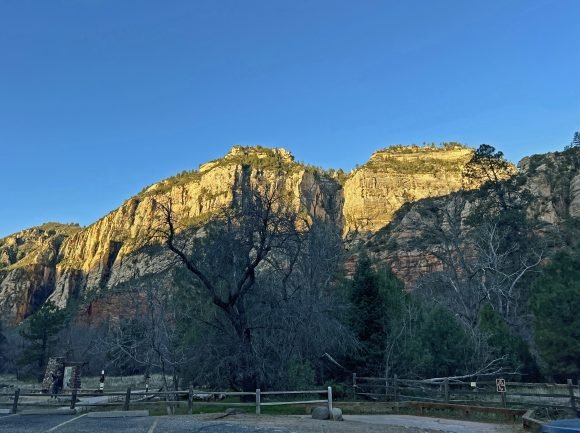
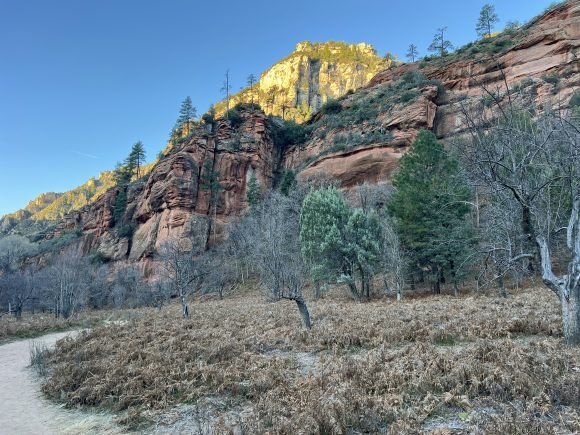
But of course, it’s all those red rocks that capture your attention and imagination.
And JJ did enjoy himself.
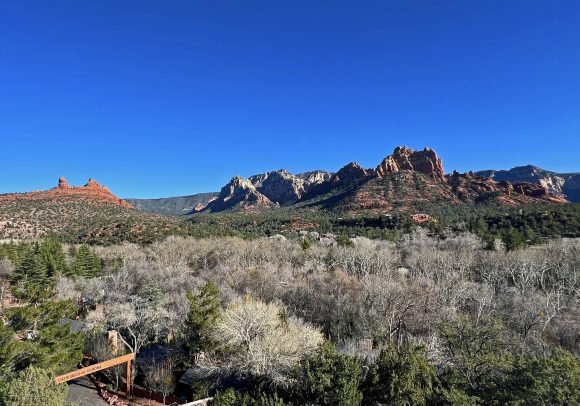
There are some nice views as well.
And we finished things up before it got too hot.
We headed back to town and went for a walk around the uptown area.
Where the Missus got to do some shopping.
We were really having a much more enjoyable time on this visit.
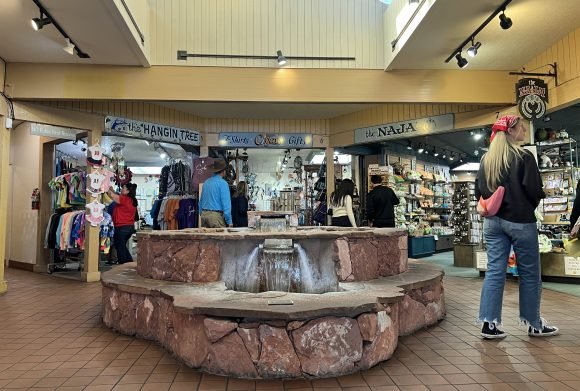
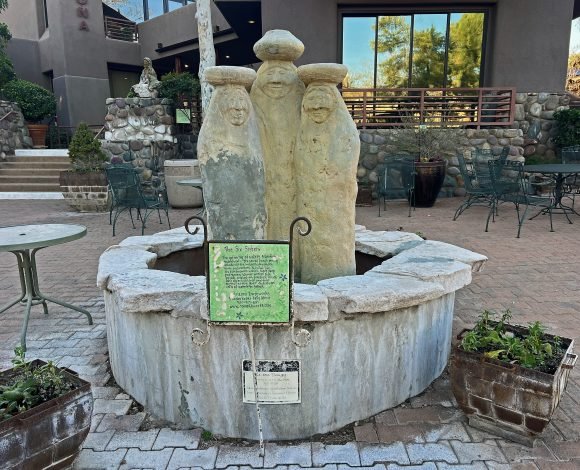
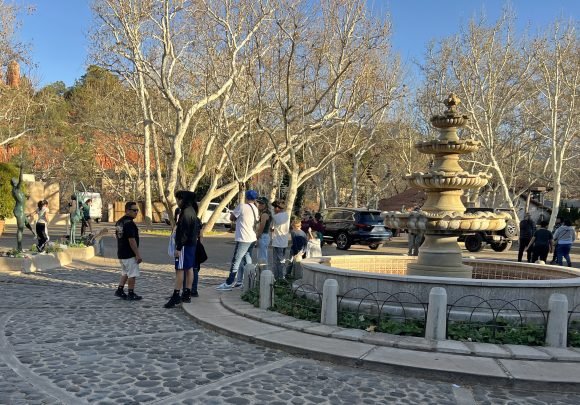
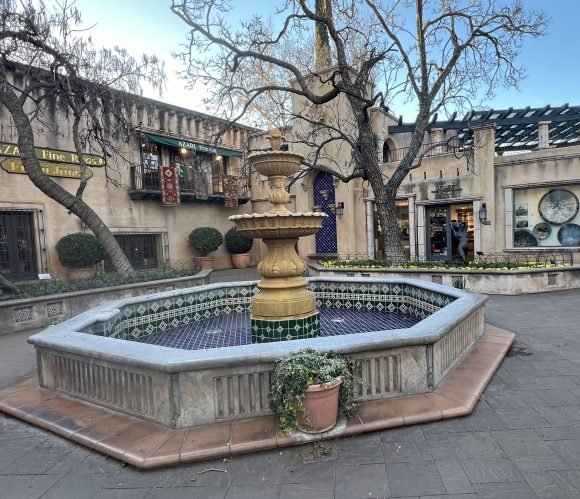
We then had a nice nap. After relaxing for a bit, we headed out to dinner, taking time to enjoy the Tlaquepaque Arts & Shopping Village a bit more.
A lot of folks were enjoying the area….taking photos and stuff.
And for dinner; well, we had enjoyed our meal the previous night at Rene’s, so we had made reservations for this evening.
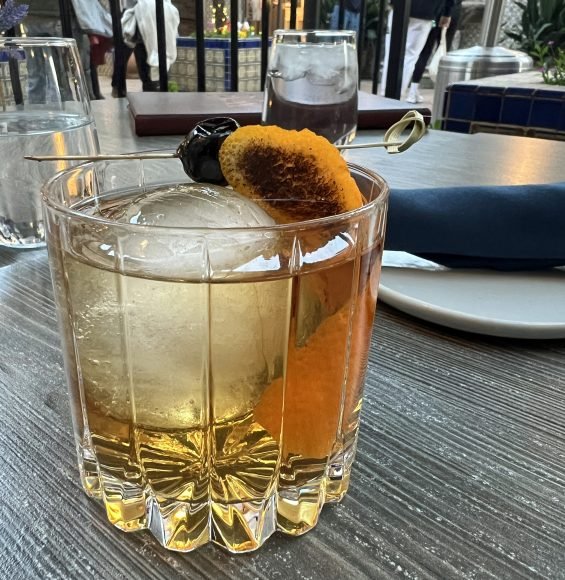
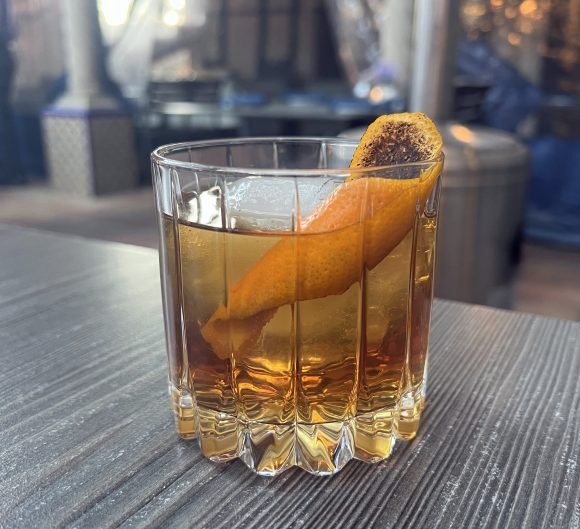
It was good having a point of reference, so we got the dishes we had enjoyed the previous evening. Which were just as good. As was the Old Fashioned.
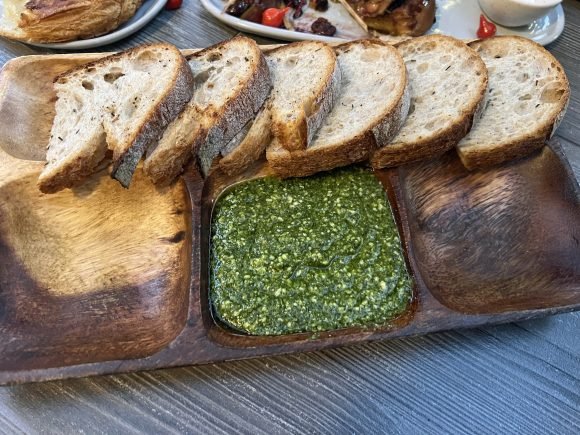
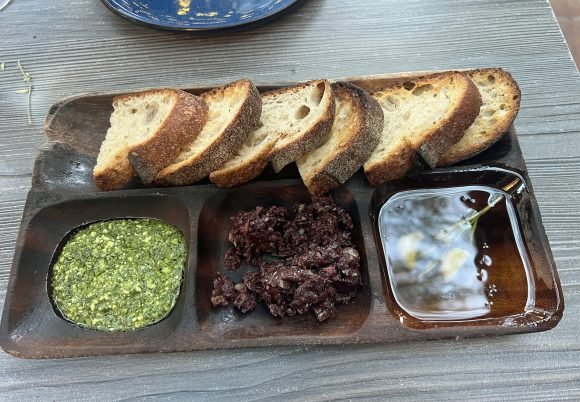
This time we got the Grilled Noble Bread with just pesto.
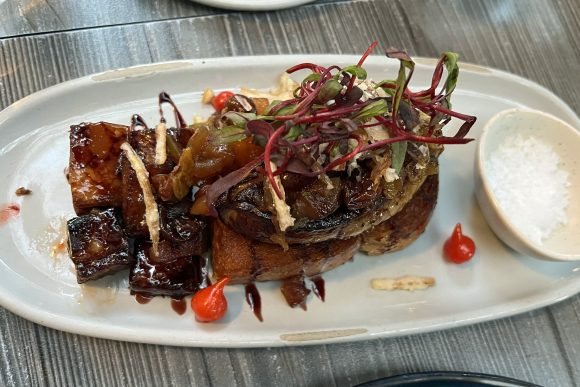
And the Foie Gras with Brioche…..
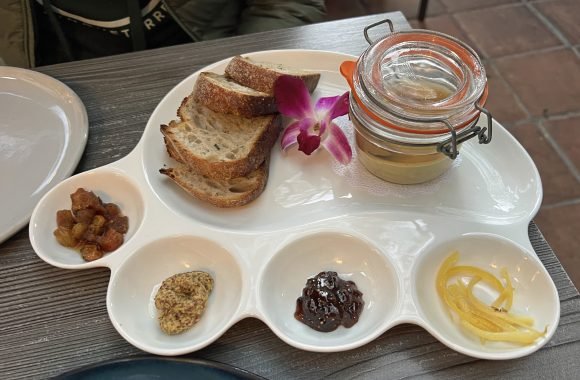
And the Duck Liver Pate….was a definite winnah!
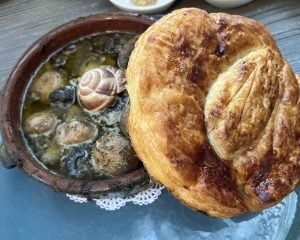
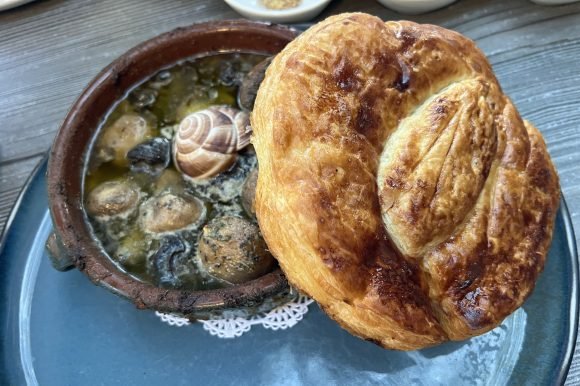
The one “new” dish we ordered was the Escargot. Which was fine.
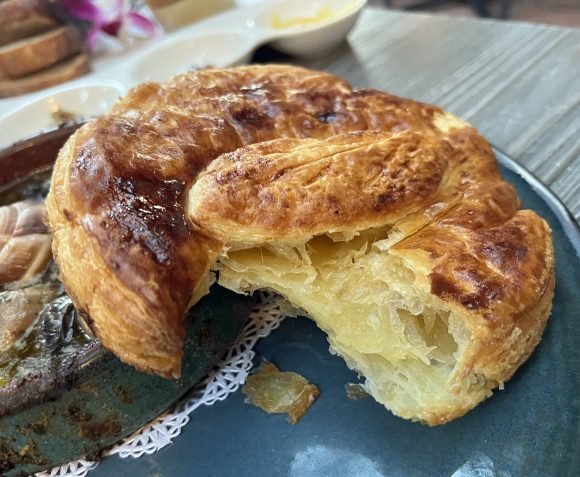
What took it over the top was the puff pastry like bread provided. Light and buttery, it just went so well with the garlicky – butteriness of the Escargot.
Which would have just been ok, without it.
So, I guess we’ve got a place to eat whenever we’re back in Sedona…..so yes, I guess we’ll be returning since JJ enjoys the hikes here.
Rene At Tlaquepaque 336 Az-179 Tlaquepaque Arts & Crafts Village Sedona, AZ 86336
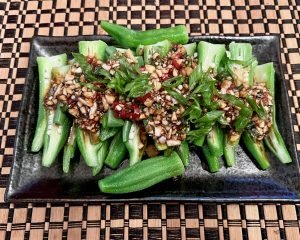
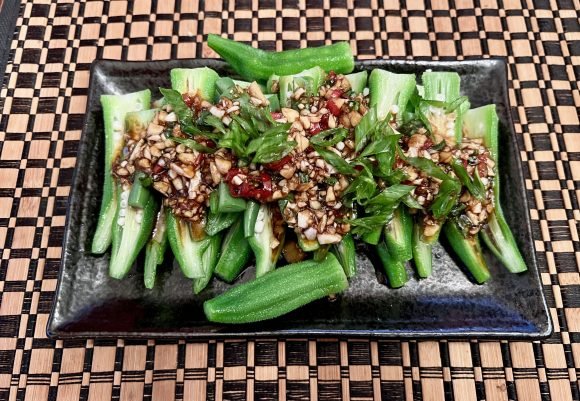
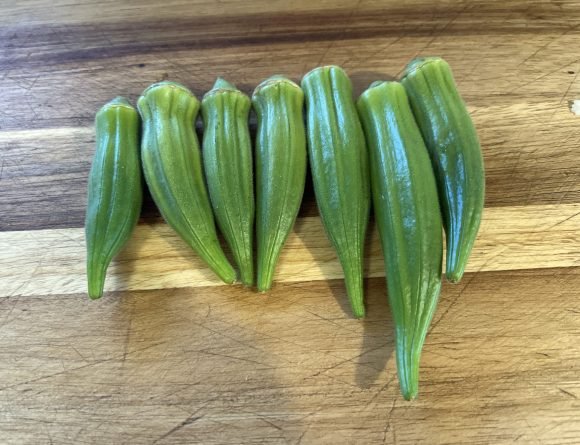
So, right now…probably because of the recent heat, we’ve had quite a bounty of okra. The Missus requested a Chinese style cold side dish (Liangcai) to go along with some takeout we had from Village Kitchen. So, after looking over several recipesonline, I came up with something to our taste.
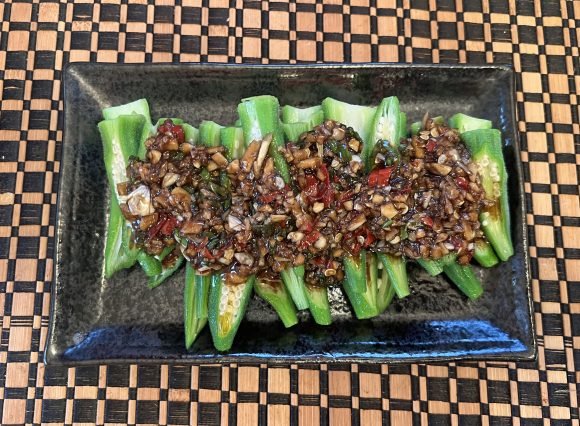
I’ve made it several times since. It’s fairly simple; just briefly poach the okra, then plunge into ice water to stop the cooking, then mix the sauce, drain the okra well, slice lengthwise and pour the sauce over.
Since the okra growing in our yard are of various sizes, I stack the cross sliced larger or fatter halves on the bottom and the smaller thinner slices on the top.
Chinese Style Spicy Garlic Okra
6 – 8 ounces of Okra rinsed Pot of water to blanch okra Bowl of ice water
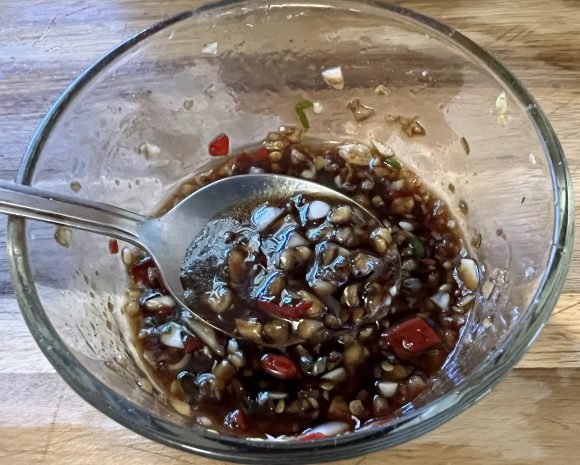
2 Tb Avocado or Neutral Oil 1 Tb Sichuan Peppercorn Oil 1/3 Cup minced Garlic (yes, for real) 1-3 Red Chilies – I had Chile de Arbol growing in our yard Dash of White Pepper (optional)
3 Tb Soy Sauce (I used Kikkoman for this) 2 Tsp Dark Brown Sugar 1 Tsp Chinese Black Vinegar 1 Tsp Oyster Sauce 1 Tb Sesame Oil 2 Tb Scallions Sliced
Bring the pot of water to a boil
Once boiling, add okra and blanch for 2 minutes
Immediate drain the okra and place in ice water to stop cooking
In a jar or bowl, place minced garlic, chilies, and white pepper (if using)
In a small pot heat neutral oil and Sichuan Peppercorn oil until sizzling.
Pour sizzling oil over garlic mixture and combine
Add soy sauce, dark brown sugar, black vinegar, oyster sauce, sesame oil, and 1 Tb of scallions and mix well.
Drain okra well
Once okra is well drained and fairly dry, cut off tops and slice lengthwise.
Arrange okra on a plate and top with sauce and remaining Tb of scallions.
Enjoy your garlicky, mildly spicy visit to “neba-neba” land!
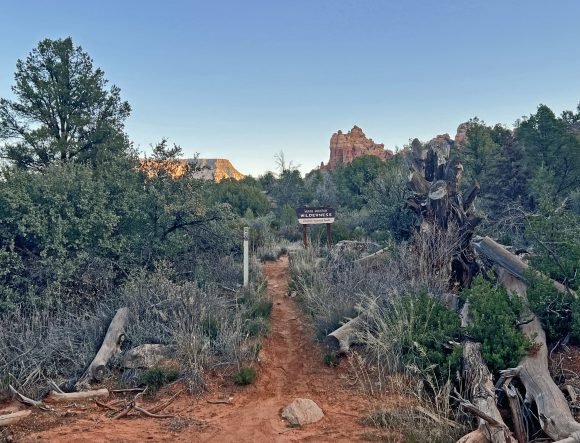
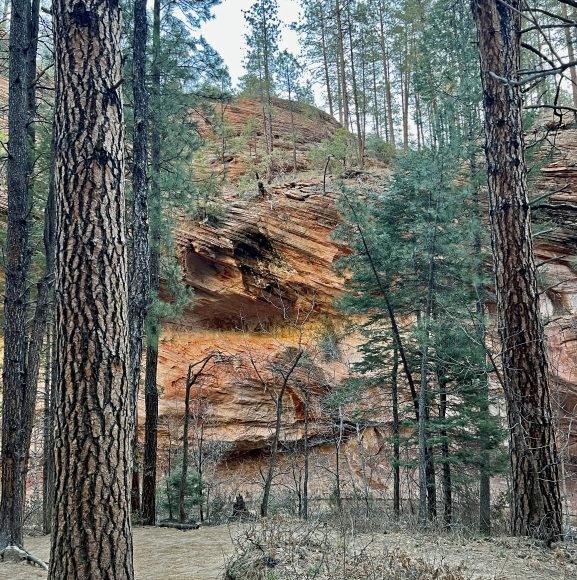
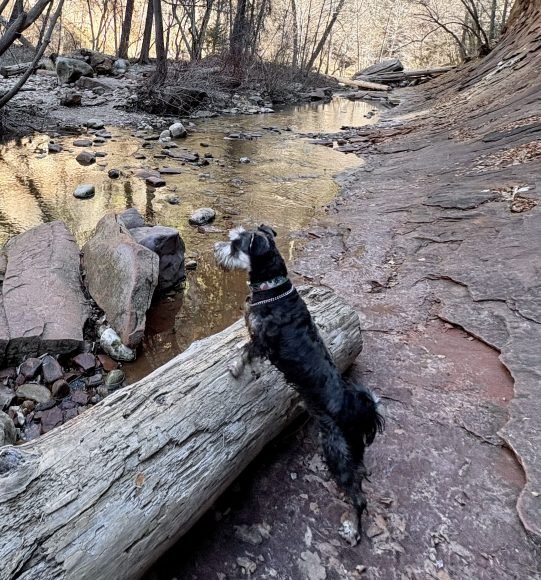
On our first full day in Sedona, the Missus wanted to head out to Her favorite trail here; the West Fork of Oak Creek. It turns out that JJ loved it here too. There are 13 river crossings and the in and back hike is 6 1/2 mils long.
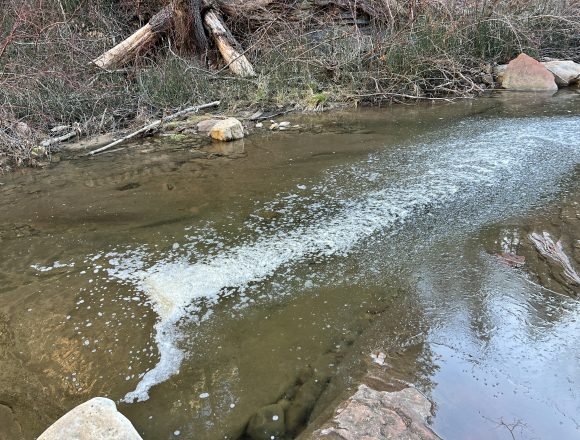
Once in the canyons, we came across ice….in the streams…..
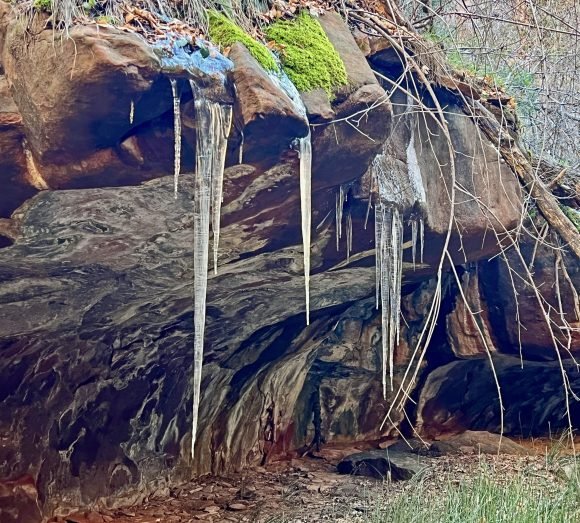
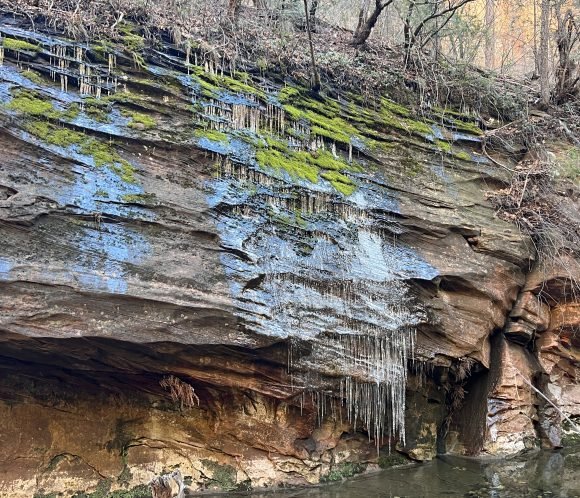
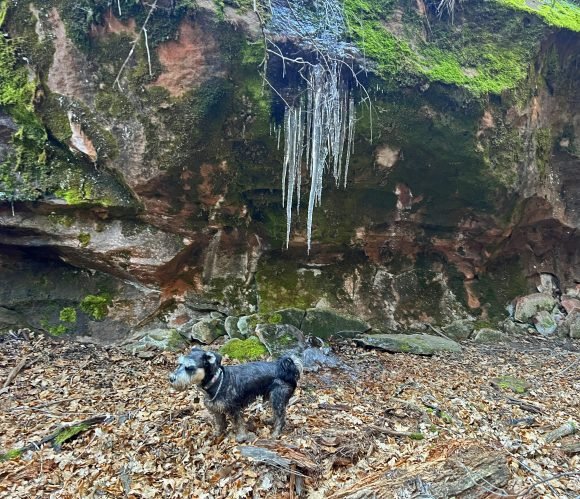
And on the canyon walls.
But this didn’t deter JJ in the least.
And he had fun crossing the streams.
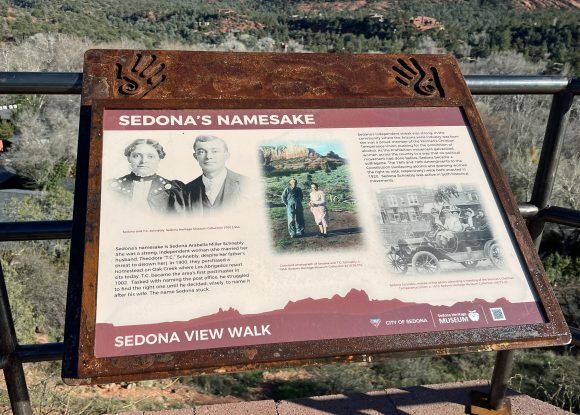
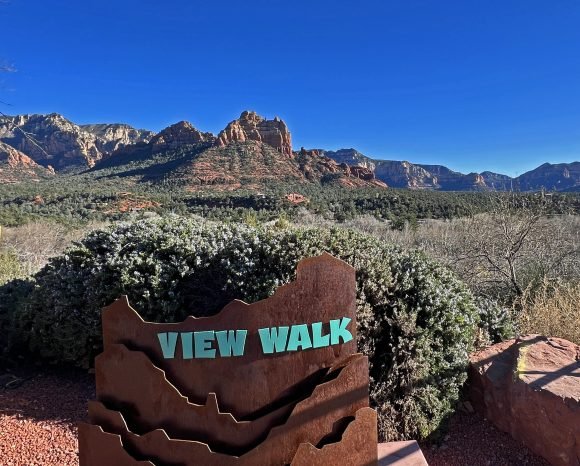
Returning to El Portal, we took a short nap, then decided to head to uptown so the Missus could do some shopping. We enjoyed the views from the Oak Creek Scenic Overlook.
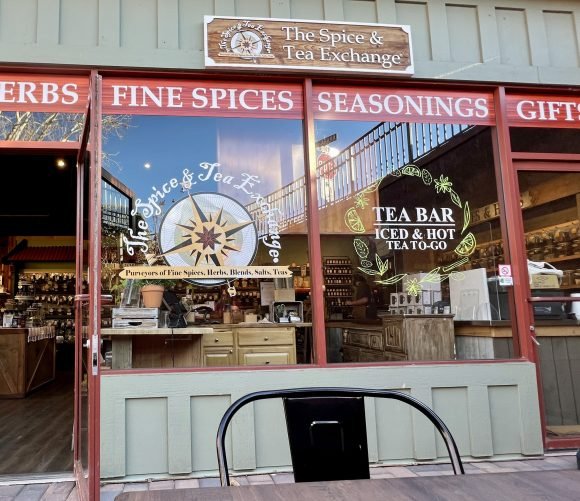
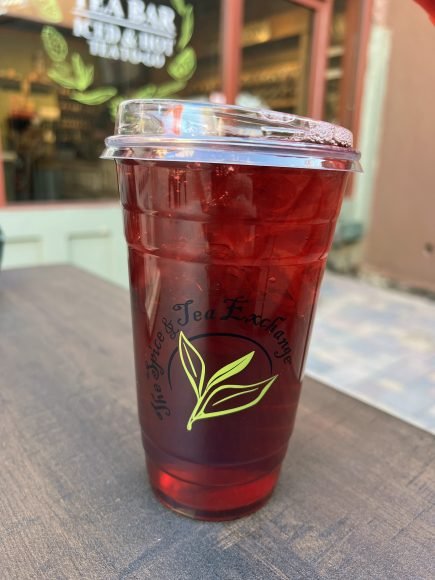
And we took a short “tea break” at the Sedona location of the Spice & Tea Exchange.
Yes, it’s a big time chain, but some iced Oolong after a busy morning did just fine.
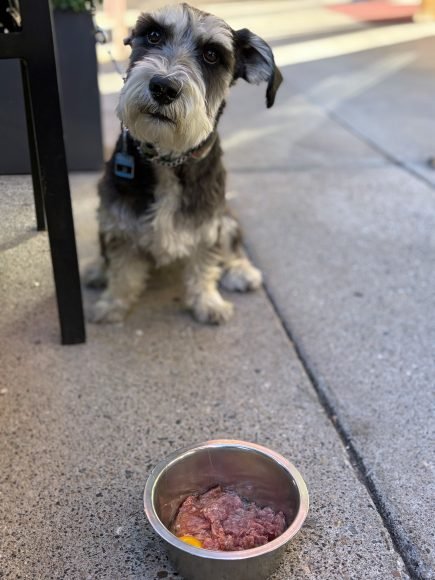
We then walked back to our room and had a nice nap. We headed out a bit early for “dinner”, because….well, JJ needed his beef tartare fix at Creekside. So arrived for happy hour and got a table out front.
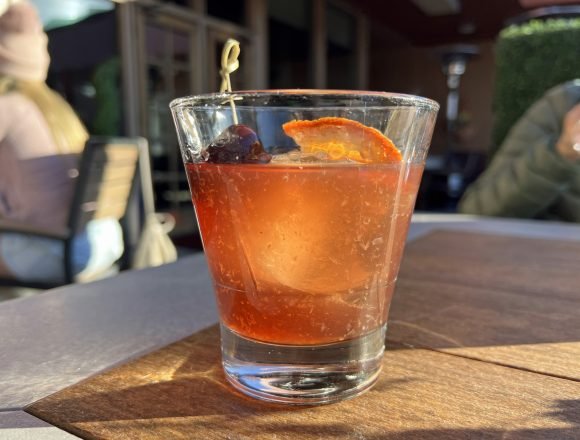
I had a nice HH Old Fashioned.
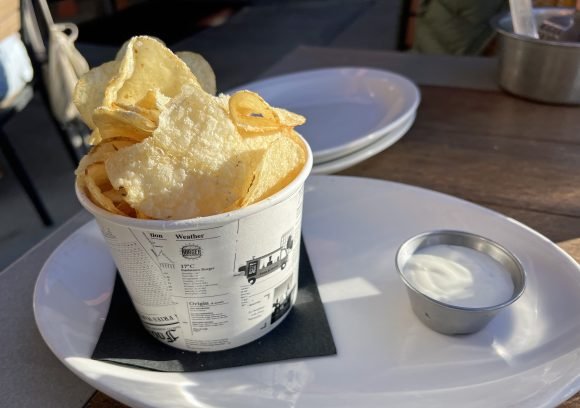
The Missus got a margarita. We got some chips……
And JJ got his beef tartare……
Creekside American Bistro 251 AZ-179 Sedona, AZ 86336
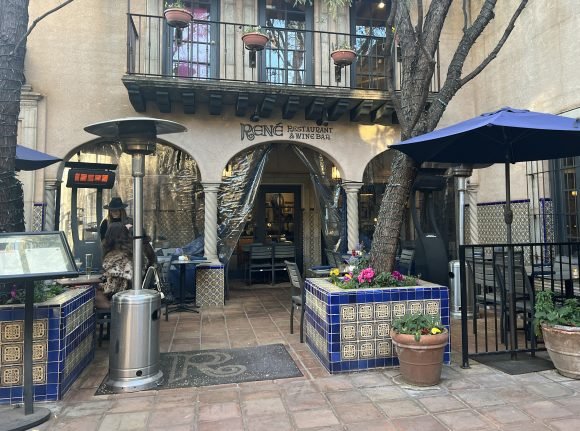
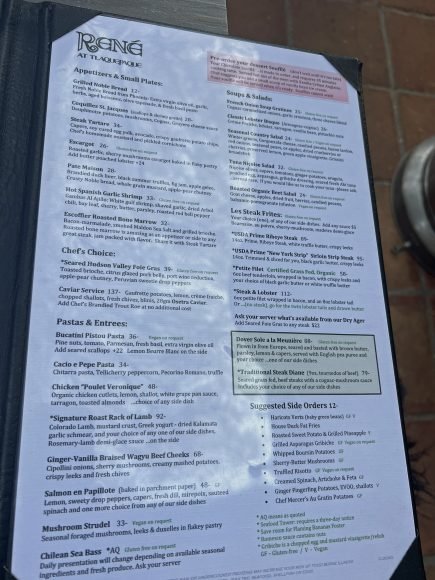
And then we headed off for our dinner; which was in Tlaquepaque Arts & Shopping Village at a French Restaurant named Rene’s. I did read that it has the same ownership as Creekside, but the menu looked interesting.
We arrived and were seated in the patio area. Our Server was super friendly. And we really liked the menu. So many items that piqued our interest….we finally settled on 4.
And I celebrated with an Old Fashioned.
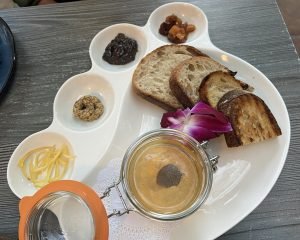
Like many places these days; Rene’s charges for bread. Though I gotta say; this one may be worth it.
The bread had been lightly toasted, was quite rustic. The bread came with an olive oil-balsamic dipping sauce, tapenade, and pesto. We really enjoyed the herbaceous-garlic forward pesto the best.
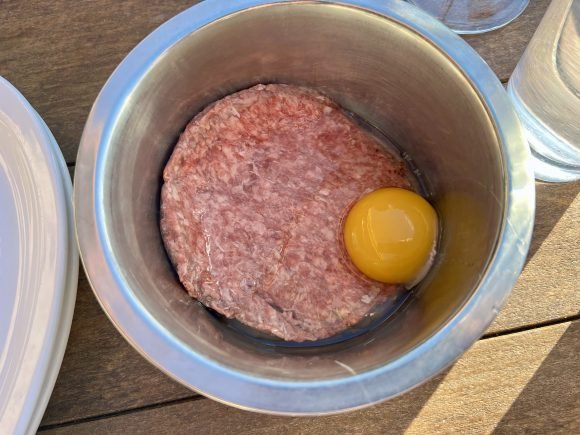
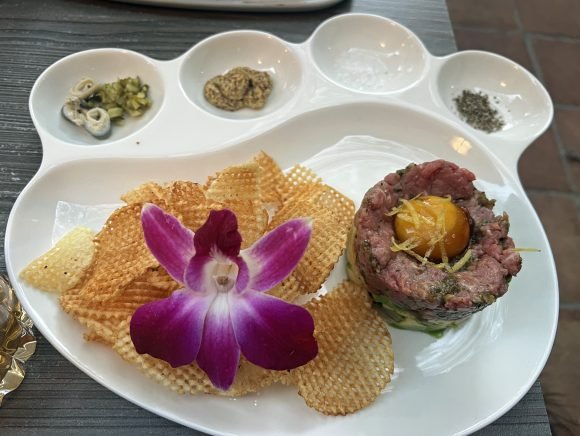
The Steak Tartare was next. This was the only “clunker” of the meal as the steak was really chewy and had a metallic finish.
Too bad, because we enjoyed the chips and homemade cornichons. And that egg yolk looked so lovely. Bummer!
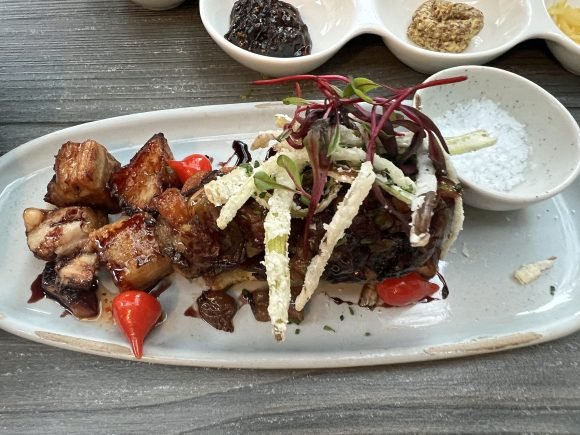
Of course we had to get the Seared Hudson Valley Foie Gras.
This came with some wonderful pork belly! Kind of overkill, but we enjoyed the sweet-tart glaze on the pork. The brioche and the Port wine reduction edged on being too sweet, but in the end it complimented the wonderfully seared, savory bomb that was the foie gras. Such nice offal-ly flavors.
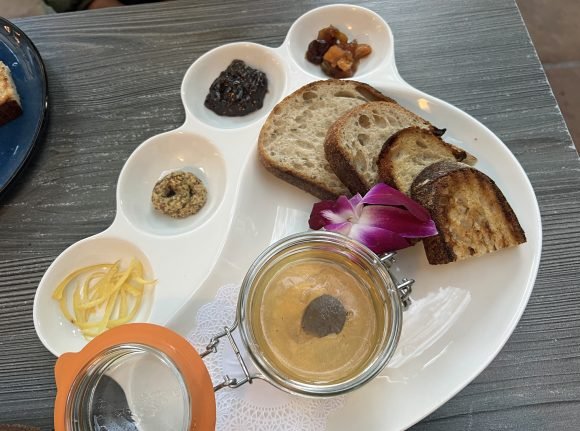
And the Pate Maison was also a winnah!
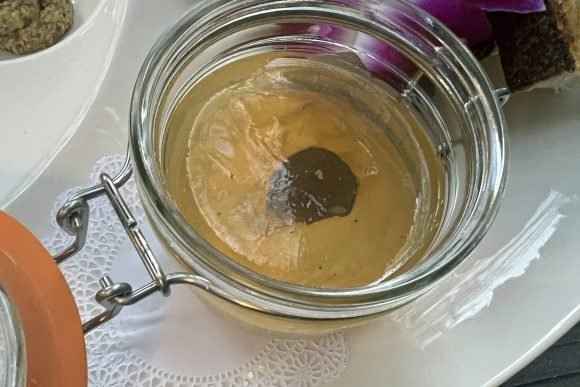
It came with more of that lovely bread. The duck liver pate was so rich and buttery, the fragrance of black truffle danced in the air. Wonderfully textured….with that lovely gelee topping the pate. The mustard and other accoutrements paired well with bites of the pate.
This was our favorite meal of the trip. Service was laid back and nice…..in fact, we made reservations to return the following evening!
Rene At Tlaquepaque 336 Az-179 Tlaquepaque Arts & Crafts Village Sedona, AZ 86336
And just like the previous evening….I ended the night relaxing on the patio with JJ.
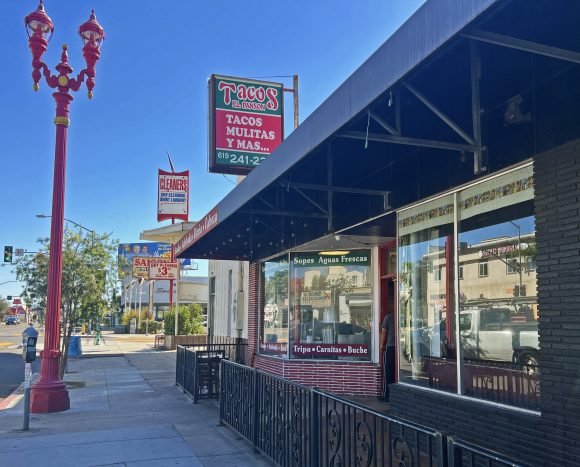
I must say, I’ve kinda had my fill of hipster tacos for now and I just wanted some decent tacos. And I recalled in the comments on my post for Bello’s, that Instagrammer chriseatsitall mentioned that El Panson has good crispy tripas. Man, Tacos el Panson……when was the last time I’d been there? Looking at the “Big List” it said February of 2006! Over 20 years ago! Man how time flies, right? And who was even reading this blog back then?
So, I decided to head on over.
I found some street parking and walked over. Went to the counter and ordered the Tripas and an Taco de Adobada…since that meat on the trompo was calling to me. Tacos here are $3.50 very reasonable for these days. Though if you really want to feel bad…..tacos were just $1.50 when I visited way back then.
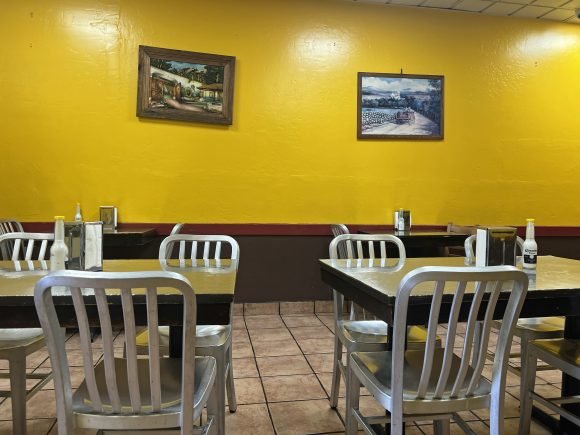
I went and took a seat in the bright yellow dining room.
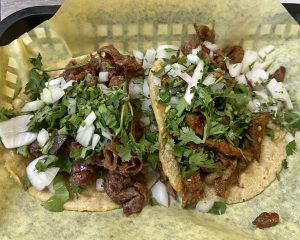
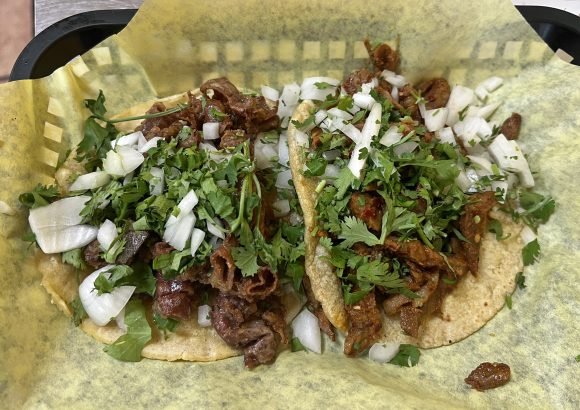
And soon enough, the very nice young man brought out my tacos. These were very generously sized tacos. I’m glad I only ordered two.
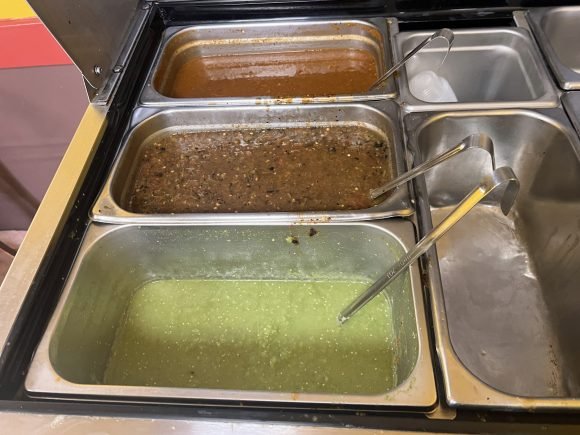
And I went to the salsa bar to get some lime and some salsa rojo for my tacos.
The tortillas here seemed a bit thicker than usual, which of course meant they held up real well for the entire meal. The maizey flavor seemed a bit on the lighter side though.
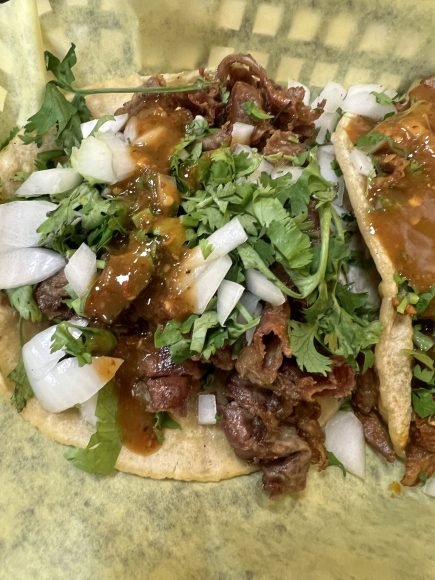
Like chriseatsitall said, the Tripas were nice and crispy, the savoriness with some mild funk coming thru nicely.
Really enjoyed the pungent onions, the cilantro helping to cut the richness. I really enjoyed these.
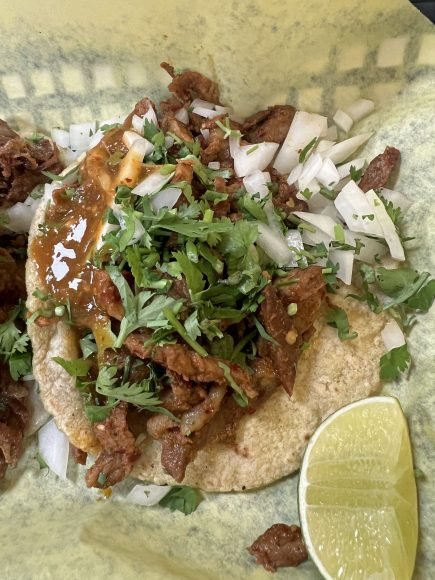
As for the Adobada? Well, since it was cut off the trompo, I expected some crispness, but that wasn’t happening. The meat was on the chewy side.
Very mild in flavor….though there was a hint of fruity sweetness, this seemed a bit bland. I’ll pass on these next time.
Heck, I should probably get some cabeza, right?
Overall, these were decent tacos, though nowhere near the stuff we’ve had in say…..CDMX….man, am I missing the Al Pastor from El Califa. Where we got to check out El Tizoncito which claims to be the first restaurant to serve Al Pastor in current form; made with pork. Fun times……
Tacos El Panson 4433 El Cajon Blvd San Diego, CA 92115 Current Hours: Sun-Thurs 930am – 10pm Fri – Sat 930am – 11pm