As usual, Cathy and Kirk are eating, thinking, and writing, but today ed (from Yuma) wants to serve up some sushi from Encinitas.
When Tina first asked me if I would like to go with her to a gigantic fabric store (a fabric store?), I was initially skeptical – to say the least. When she added, "and you know it's not far from that sushi bar in Encinitas you've been wanting to try," suddenly, it made great sense.
Once one locates Kaito sushi, it seems unlikely that this little unadorned strip mall location on El Camino Real houses what some people think is the best sushi bar in San Diego County:
 Soon after we were seated and began a brief discussion with Morita-san, an appetizer of shredded krab and sliced celery was placed before us:
 This was a simple and tasty start to the meal, the celery providing flavor and crunch. The old-school bowl added a nice touch as well.
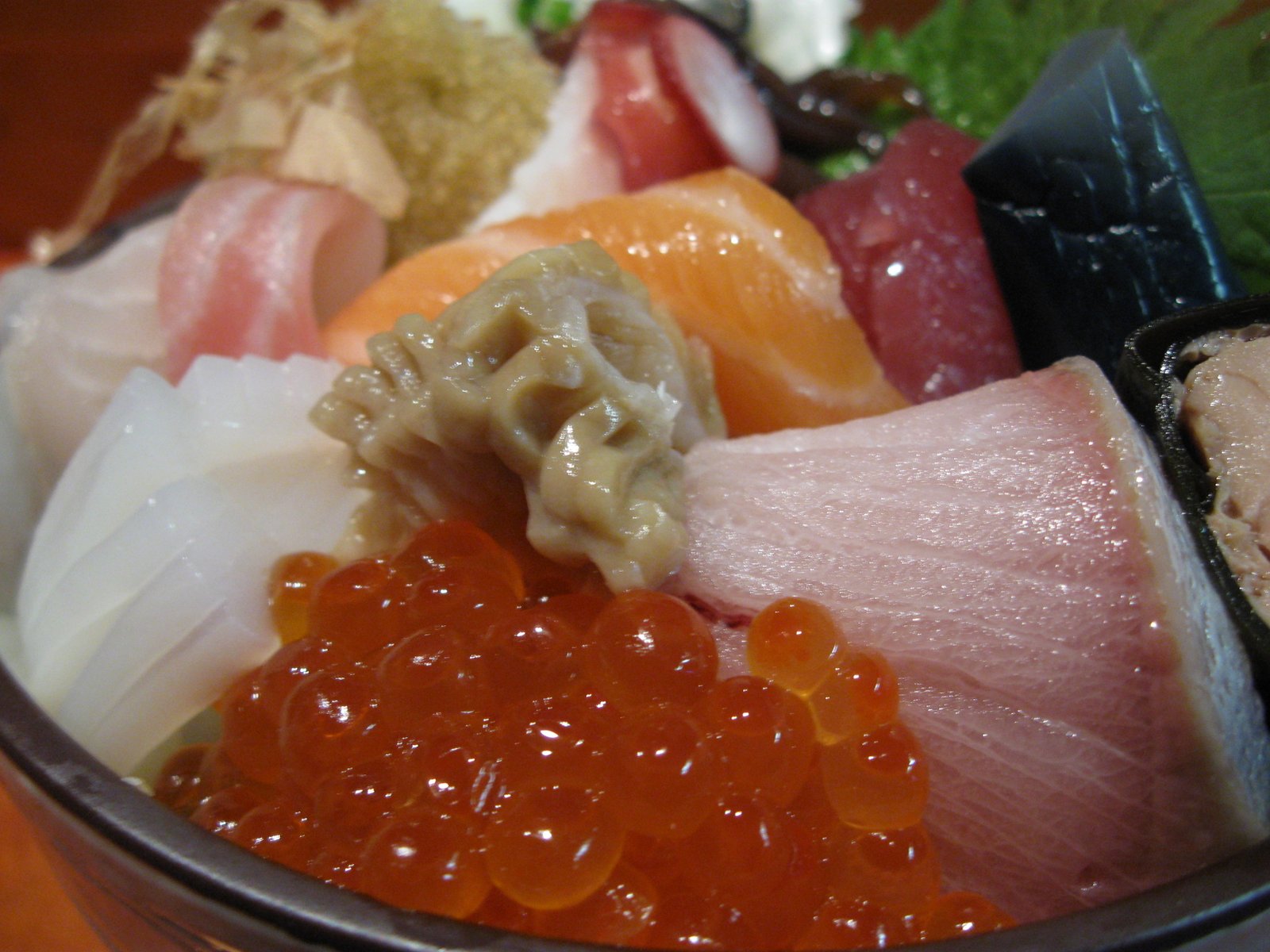
The sushi chef recommended the monkfish liver, ankimo, as a starting dish. As this picture shows, this housemade pâté was remarkably smooth. In the mouth, it felt wonderfully creamy and melted on the tongue — the mild liver flavor was subtle and perfect: I have never tasted better ankimo. It really didn't need the help from the condiments it was served with:
 In fact, I appreciated that the flavorful slices were presented au naturel, not drowned in sauce or goop.
Next came halibut that had been lying on seaweed – though I must confess I couldn't taste the kelp. Nonetheless, this fish showed much skill. Each rice ball had been daubed into finely diced shiso leaf before the hirame covered it. If you look carefully, you can see bits of the green leaf shading parts of the translucent fish:
 I have always enjoyed the halibut/shiso combination, but this way the flavorful shiso did not overwhelm the delicate fish. Nicely done.
Another outstanding item arrived in front of us next. Although I have been eating sushi for over 25 years now, I have never seen mackerel with such a beautiful dark red color:
 The chef explained that he flies in fresh mackerel direct from Japan. Each slice was redolent of pure mackerel flavor. All other saba I have ever eaten has been dominated by the flavors of its preparation. Here that taste lay in the background, illuminating but not dominating the main flavor of the fresh fish.
Another unusual item appeared next. I believe it was called big clam, perhaps aogai in Japanese (?), again something I had never been served before. As you can see, a generous portion of East Coast clam had been lightly seared (or briefly steamed ?), leaving the interior sweet, crunchy, clammy, and raw:
 While not quite as much to my taste as mirugai, this provided enough claminess to balance the other seafood that evening.
At the same time that Morito-san was preparing the clam, he was marinating tuna slices in shoyu. When the rather ordinary looking nigiri arrived, I was unimpressed:
 As I tasted the maguro, however, I understood the reason for the marinade; the light soy flavor married perfectly with the taste of the maguro. This was another display of the chef's skill — in this case taking an ordinary piece of tuna and raising it up to a higher level.
I need to mention that we were visiting the restaurant on a Monday night, so we were not expecting the full range of exotic items that I have read are often available. Nonetheless, I got to taste several things that were new to me. I was also very pleased with the skill, the service, and the attention to detail of the itamae. In fact, everything was so good that we continued our feast further into the night, but to see and read about what else we ate, you are going to have to check back with mmm-yoso for the exciting conclusion of this episode.
Kaito Sushi * 130-A N. El Camino Real * Encinitas, CA 92024 * (760) 634-2746









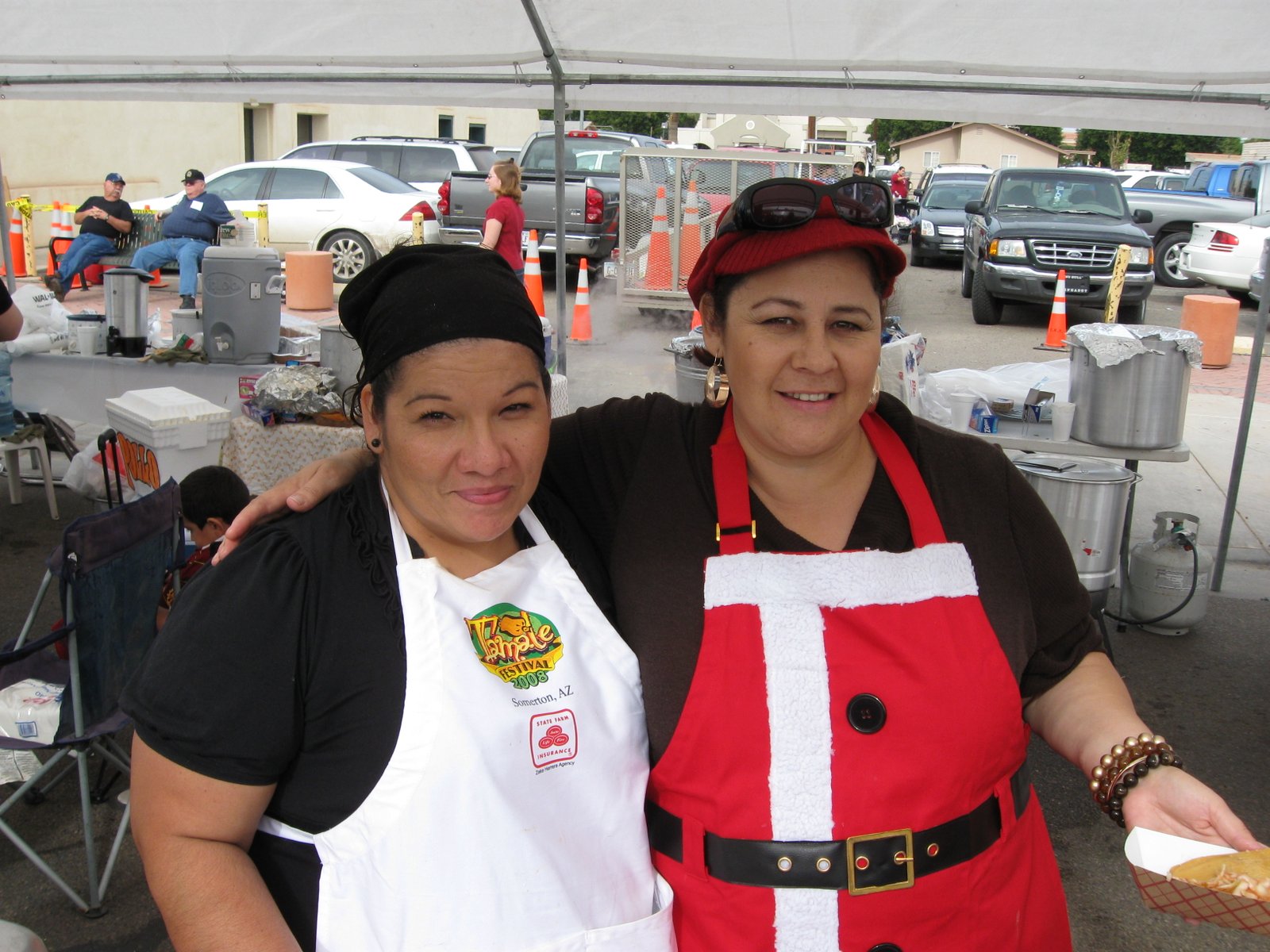
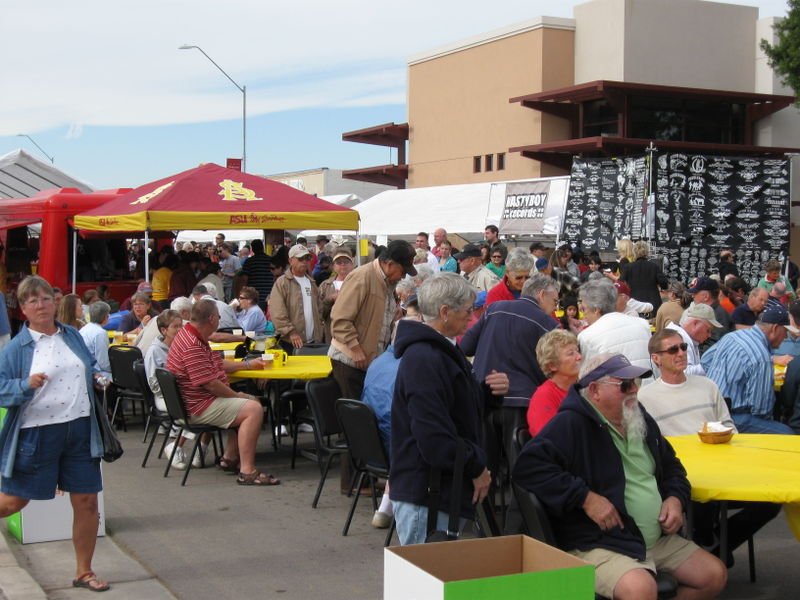 In addition to the worlds greatest collection of homemade tamales, those people also enjoyed the live musical entertainment, such as this spirited mariachi band:
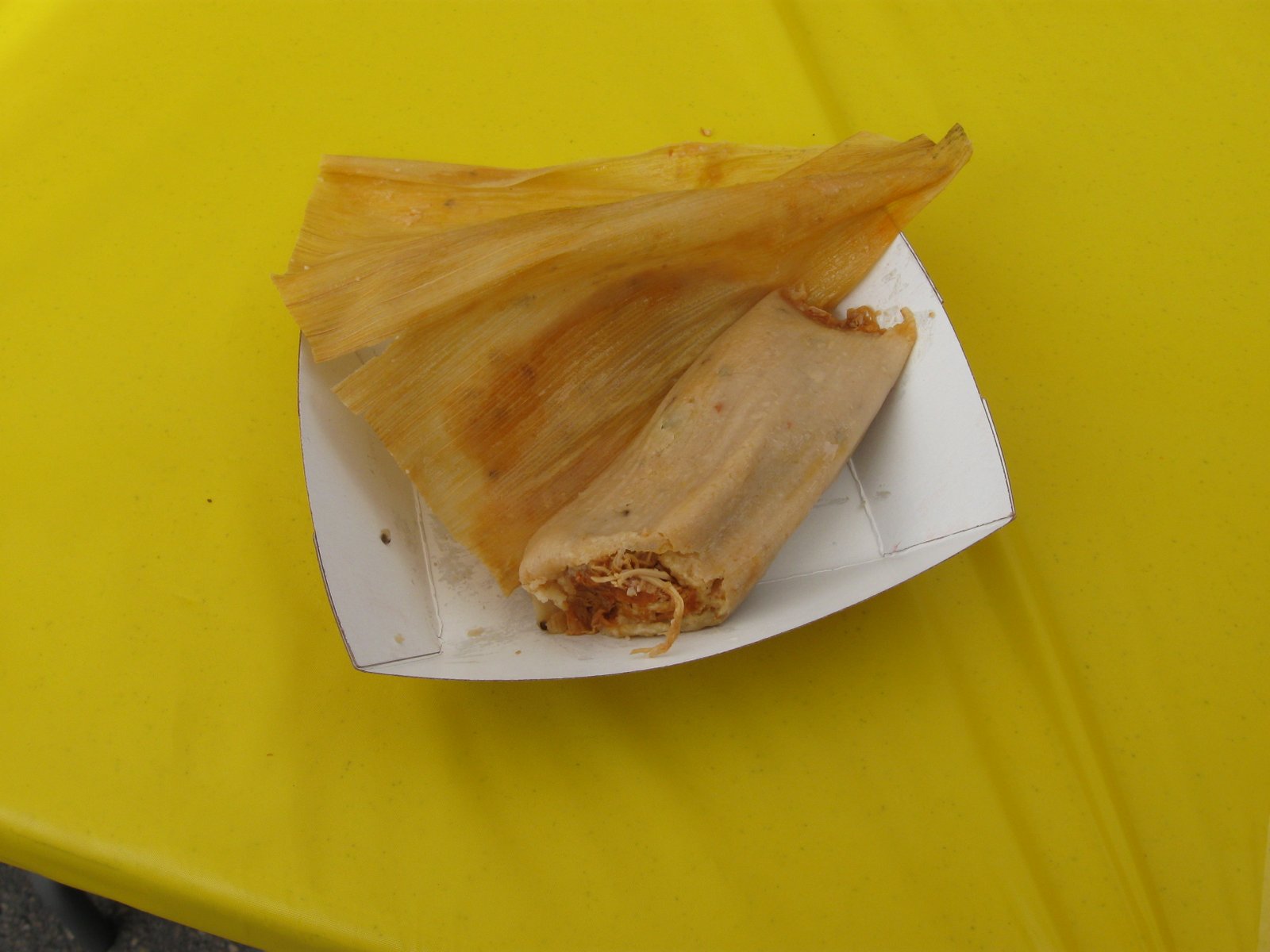
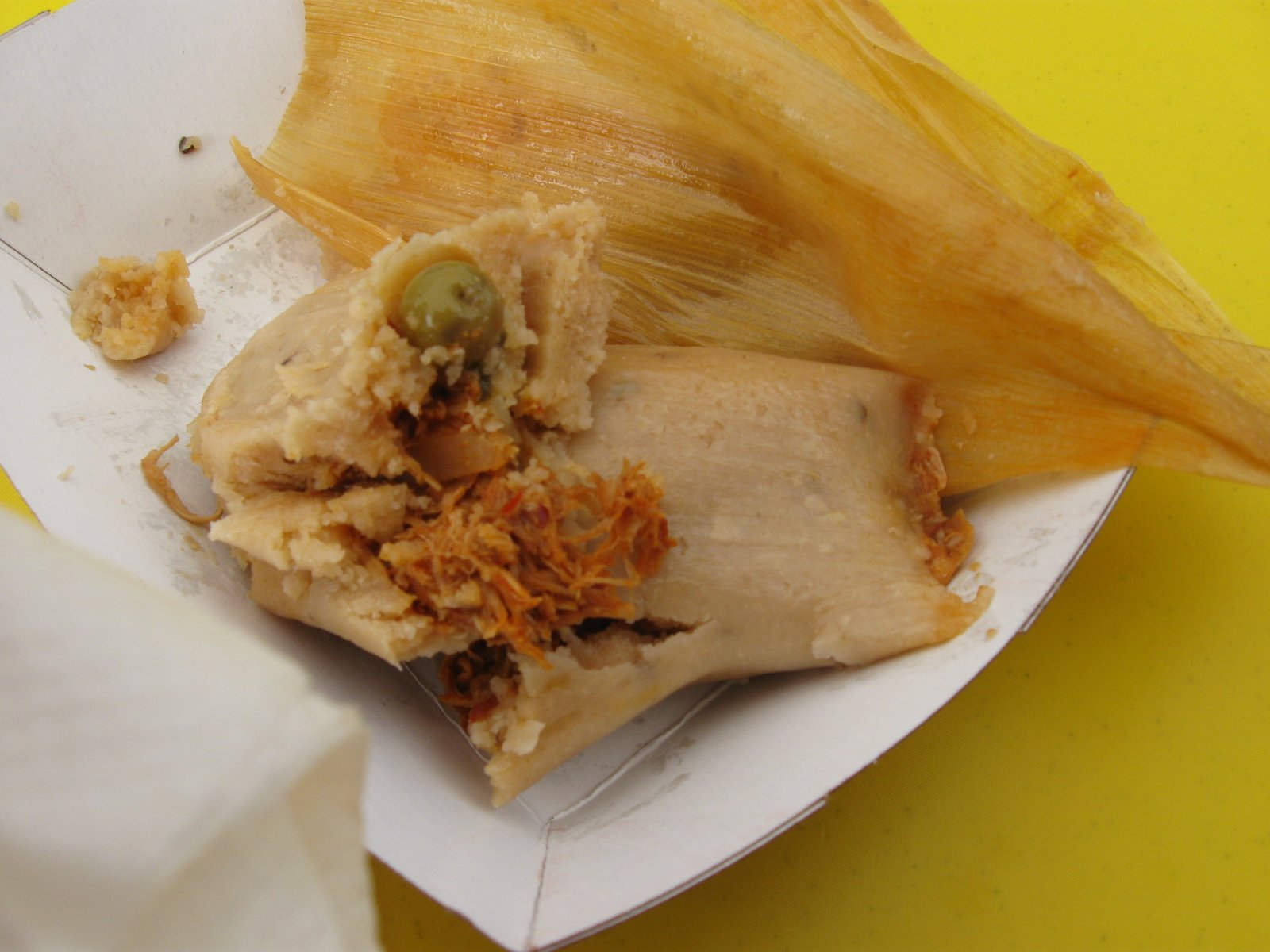
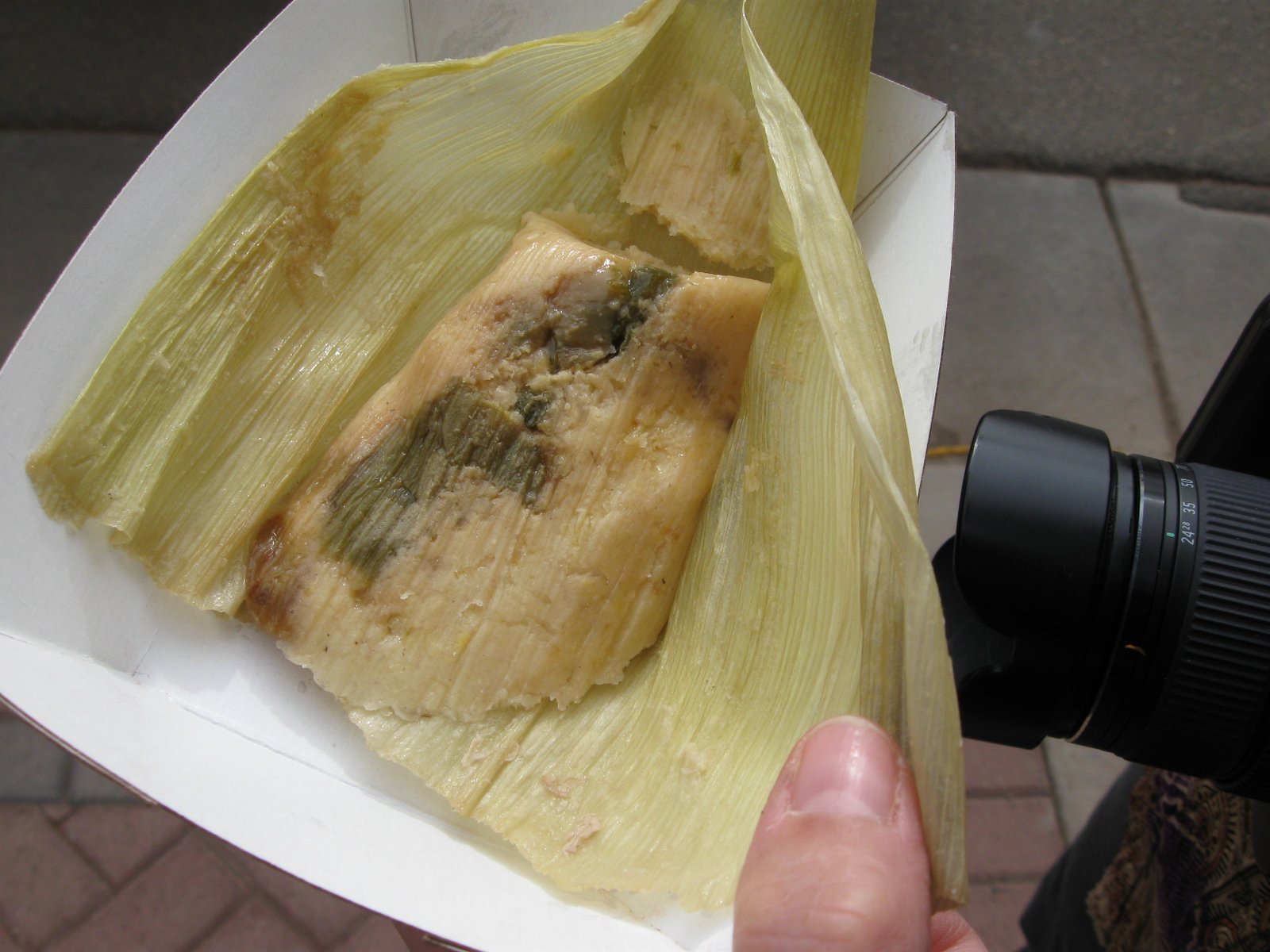
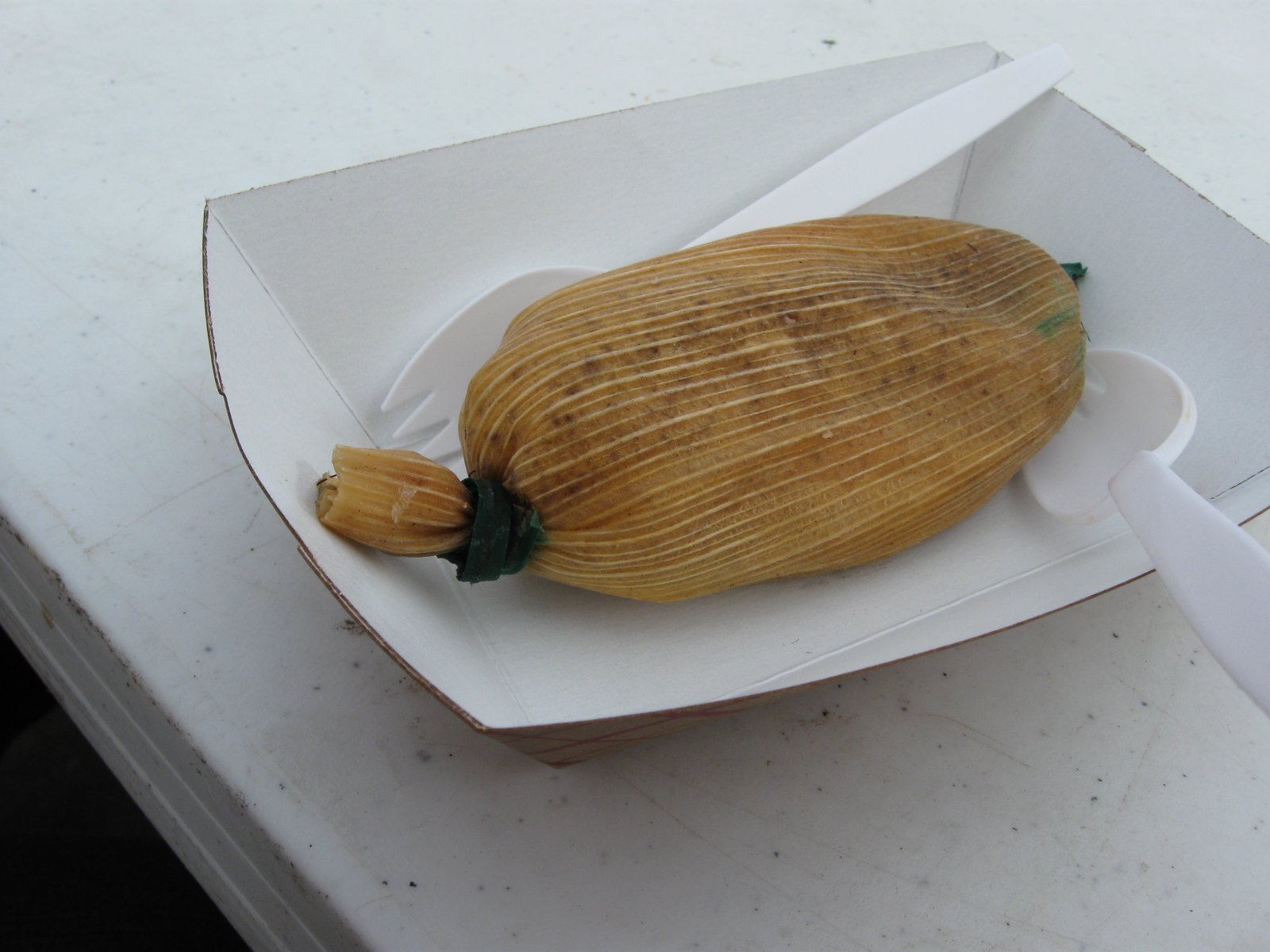
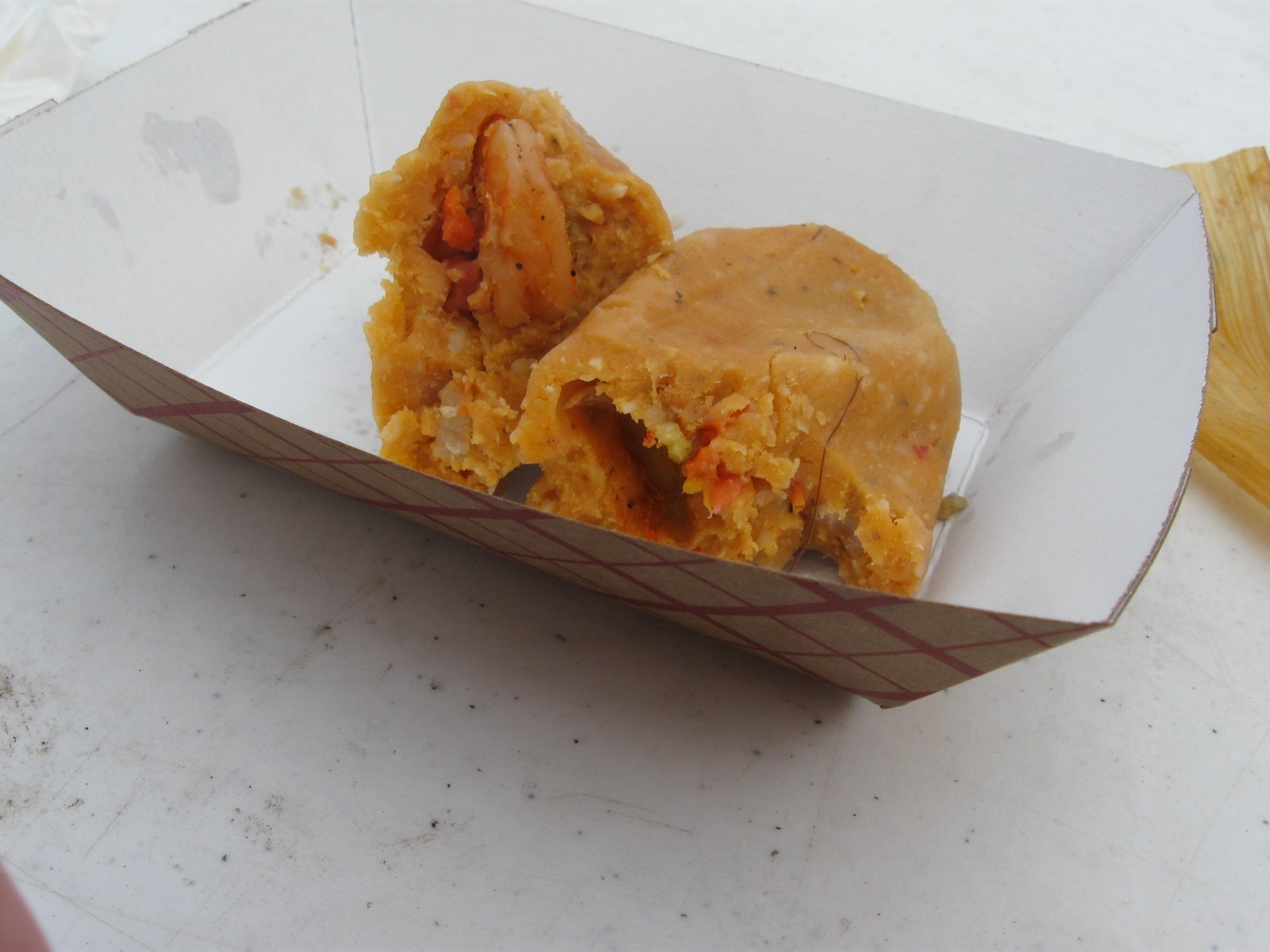
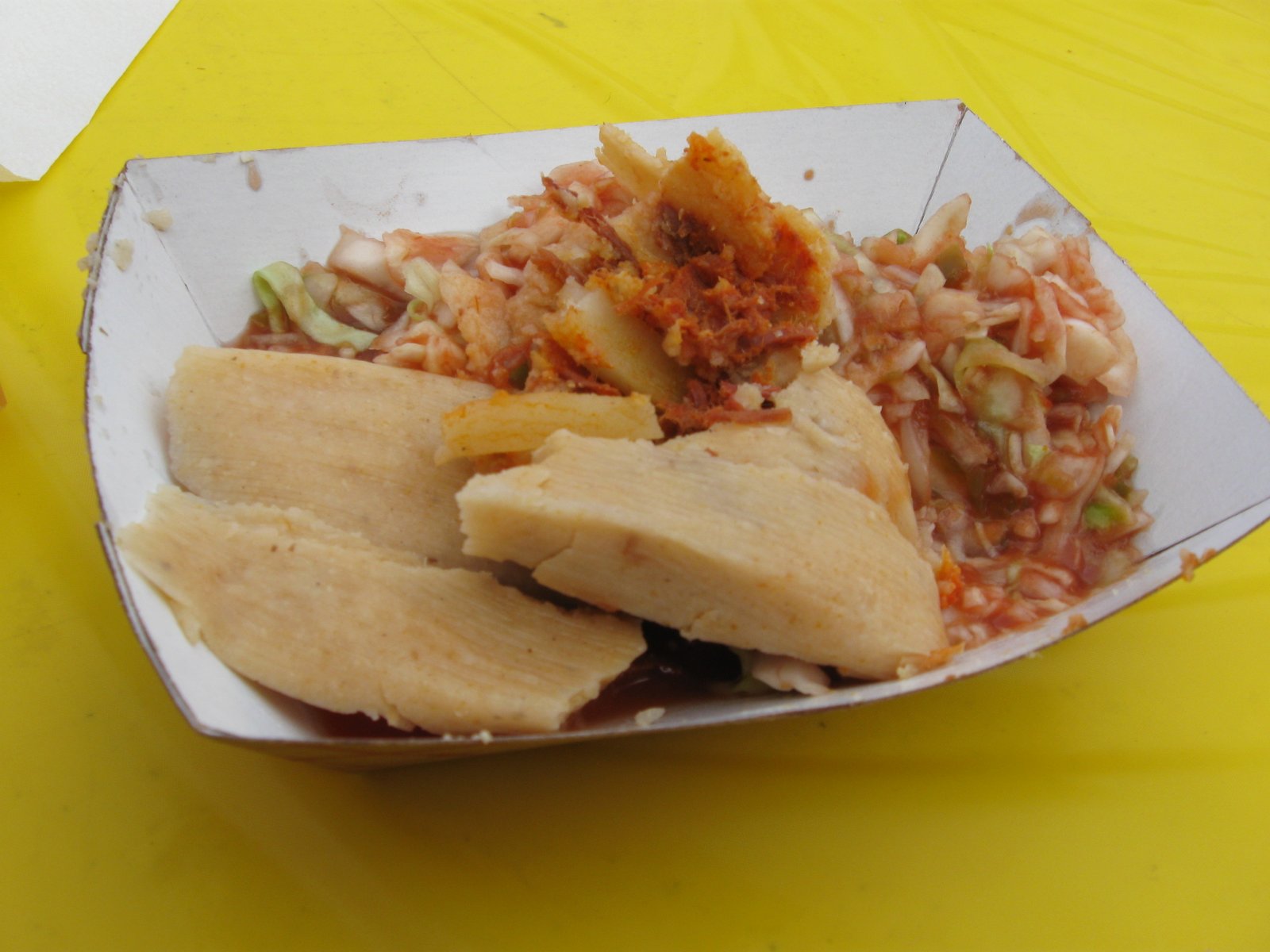
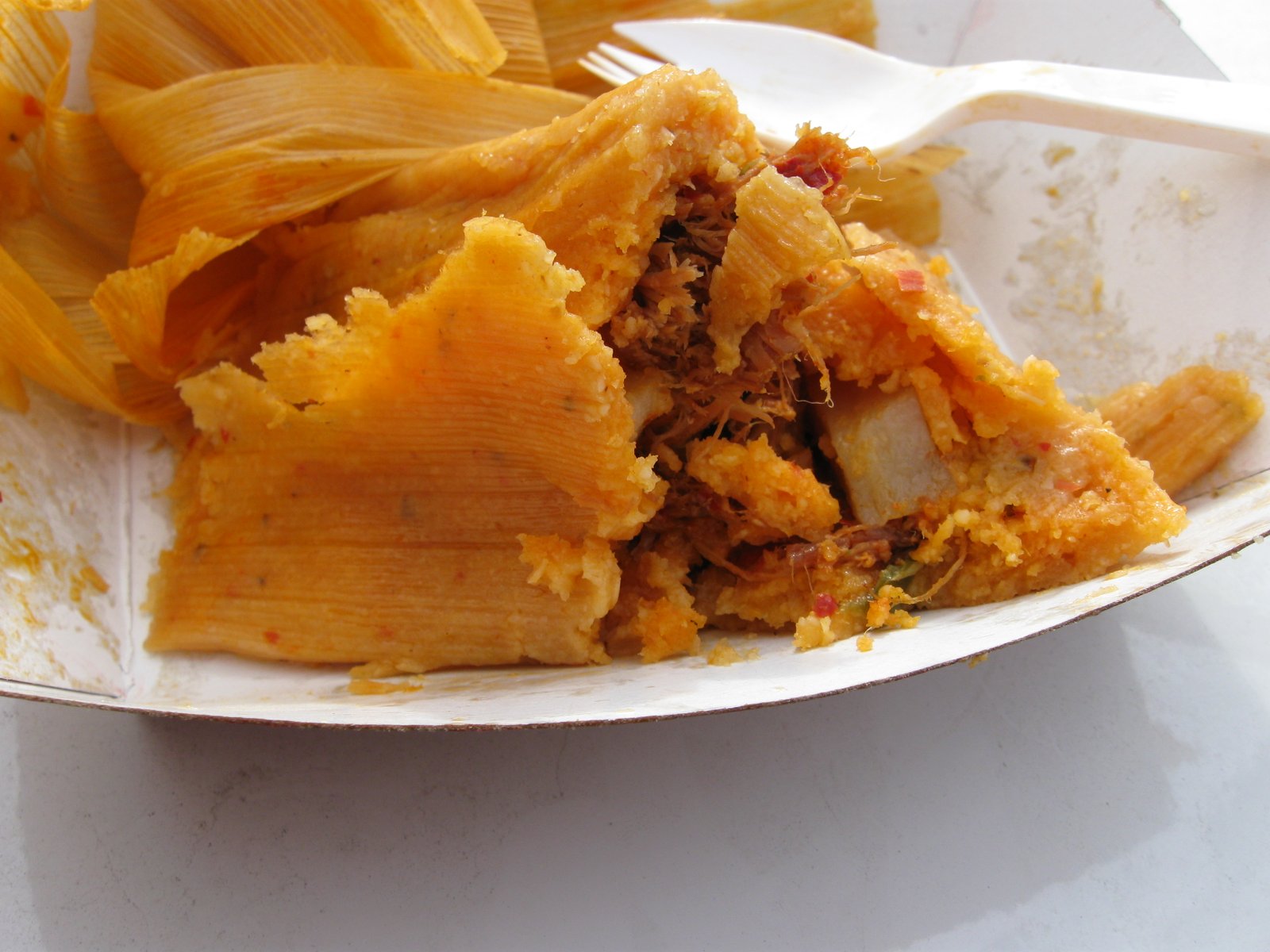
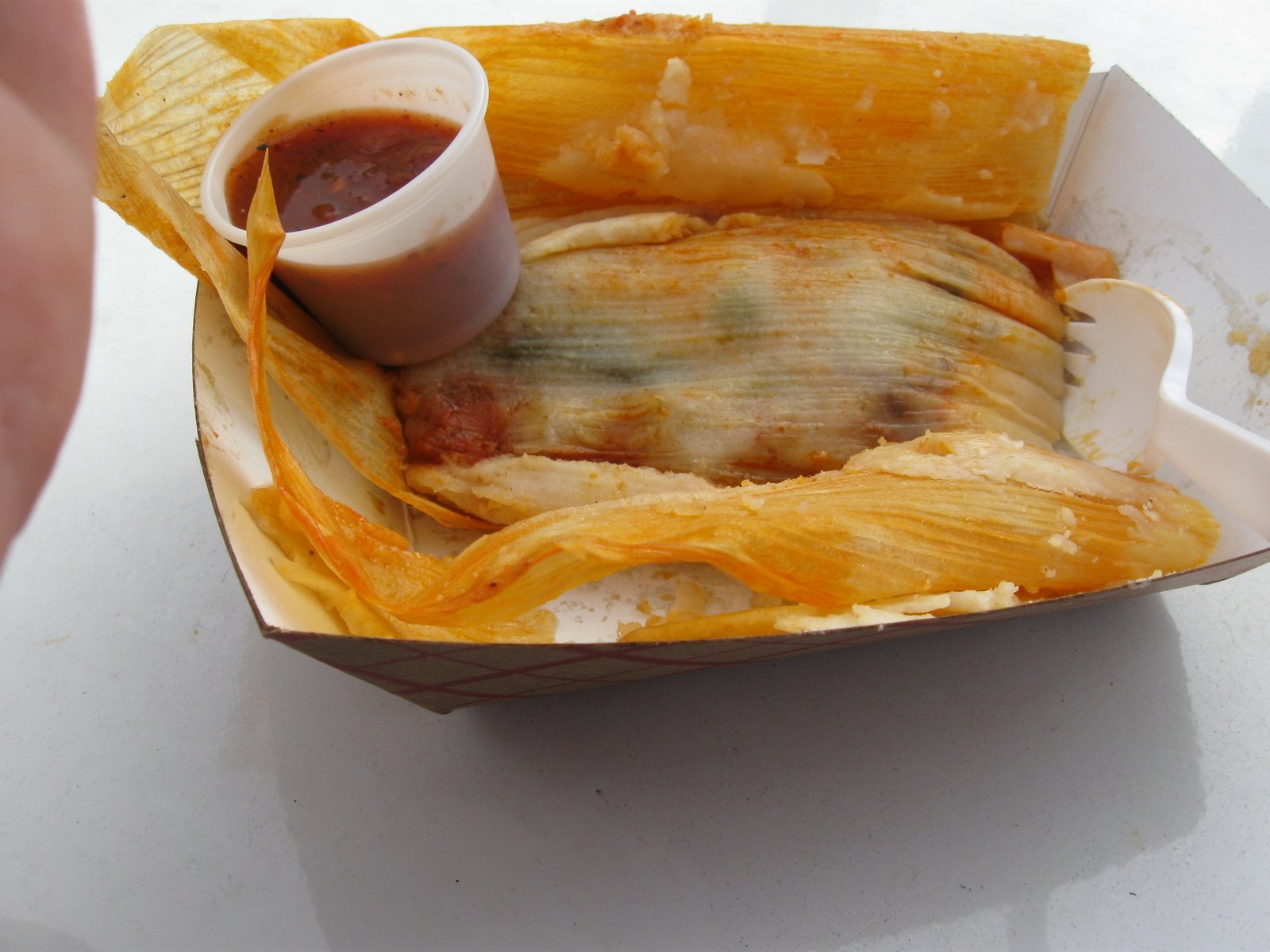
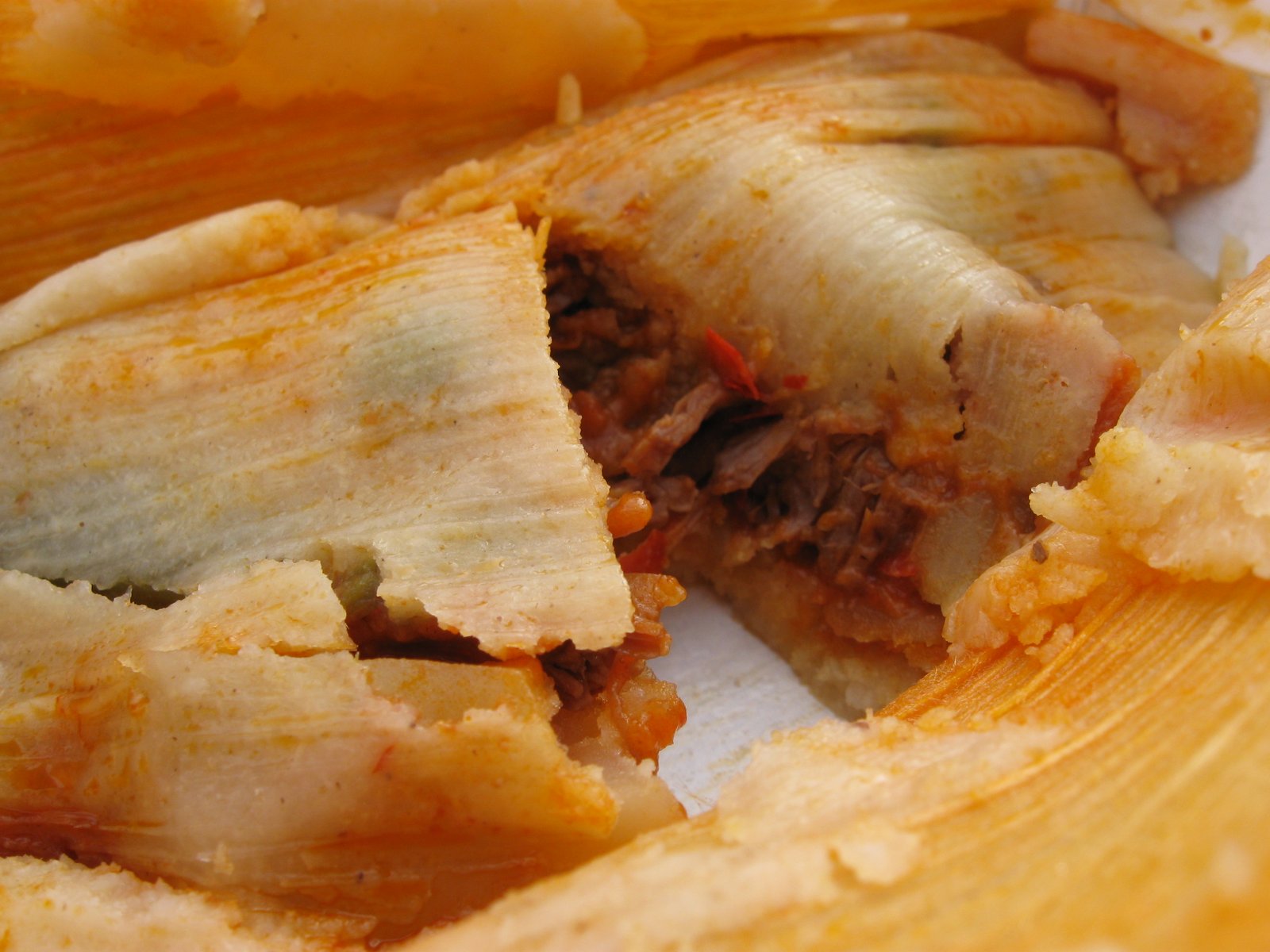
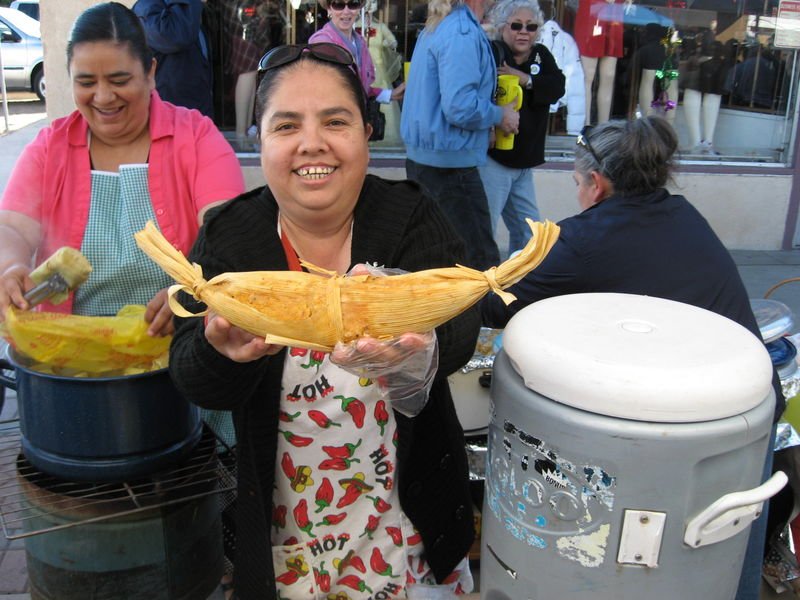
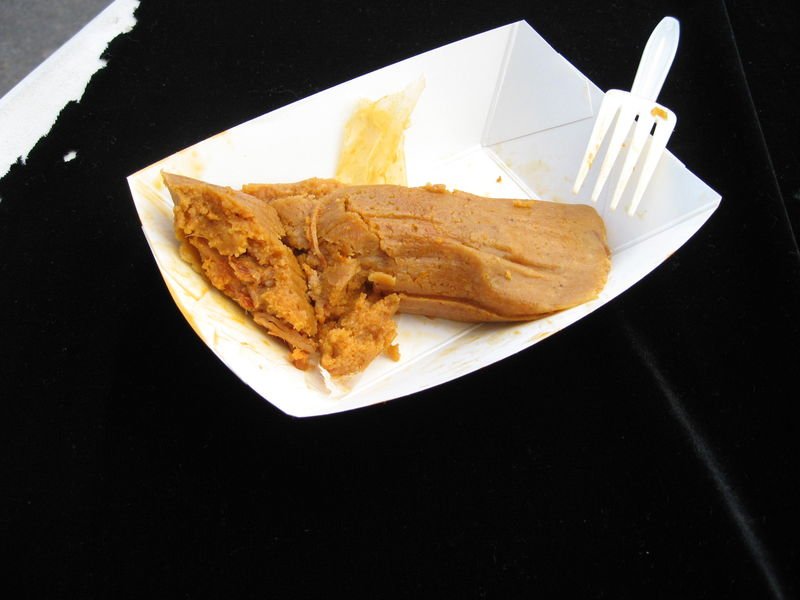 On the most basic level, a tamal is like an edible doll – a food nearly human, a small body wrapped in a cornhusk skin. The flesh is the dense and rich corn meal masa. The central filling can be seen, from a biological perspective, as like an alimentary canal, a digestive system. But seen from a different, less physical viewpoint, the center, the part that provides the uniquity of each particular tamal, is like each individual spirit, the distinct humanity possessed by every one of us.
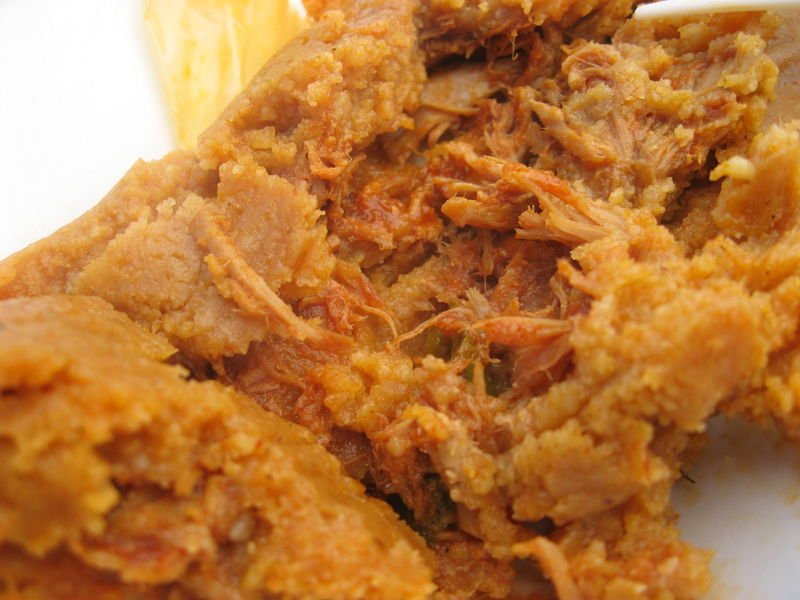 To traditional Christian believers, each tamale can be considered a metaphor or symbol for the Holy Virgin. After all, every real Mexican tamale must have an olive in it. On one level, that olive represents the Christ child waiting to be born — as he is every year at Christmas. And from a more new age viewpoint, the tamal can also represent any mother who carries seeds for the future within herself – as well as the fertility of the fields and the bounty of the harvest. So we can see this food as both the mother of God and the mother of us all. On still another level, the olive represents the promise of the new year which will be reborn with the passing of the winter solstice, as days start growing longer (right around the time of Christmas).
 The tamale, however, is also symbolic of Mexican culture. Just as the Virgin Mary has been transfigured into the Virgin of Guadalupe, so a tamal wonderfully blends and shapes new world and old world and transforms European traditions into something different and more complex. The key ingredient of tamales is, of course, maize. In the United States, we call it corn (the English term for all grains), because at first this Indian corn, this native ingredient, kept all the peoples in the New World, natives and invaders both, alive. Combined with this wonderful product of pre-Mexican agriculture is another New World addition, chilies. And most tamales add to those some bits of native tomato and another new world staple, potato:
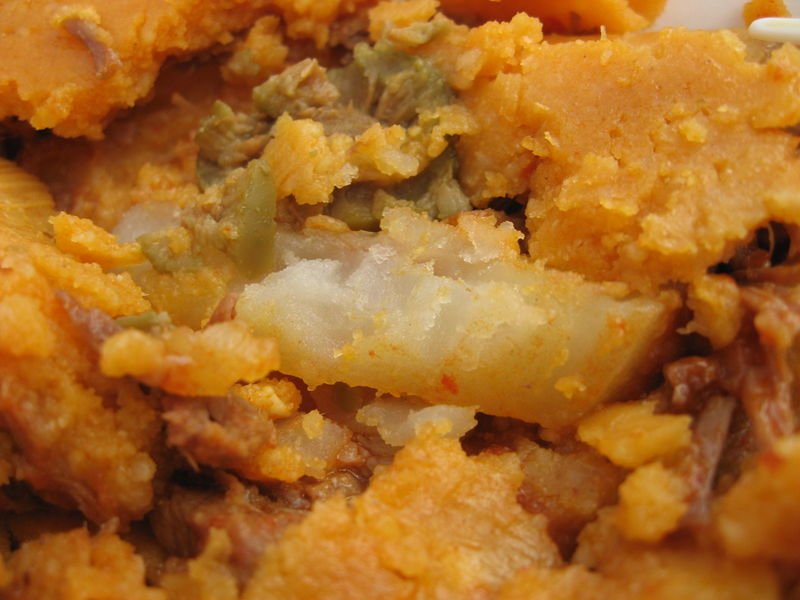 On the other hand, except for tamales made with turkey, the animal products in the dish are European. The olive, as well, is a product of Mediterranean civilizations. Whenever I think about this Spanish olive in the body of native corn masa, I am reminded about the Mexican legends of Cortez and his indigenous American girlfriends. In some very real and specific ways, the Mexican people and the Mexican culture are a combination of the Spanish and the native, just as is the tamale.
 In a way, tamales are a sacrificial dish as well. A friend learned how to make tamales. "So, I will get tamales every year?" I asked.
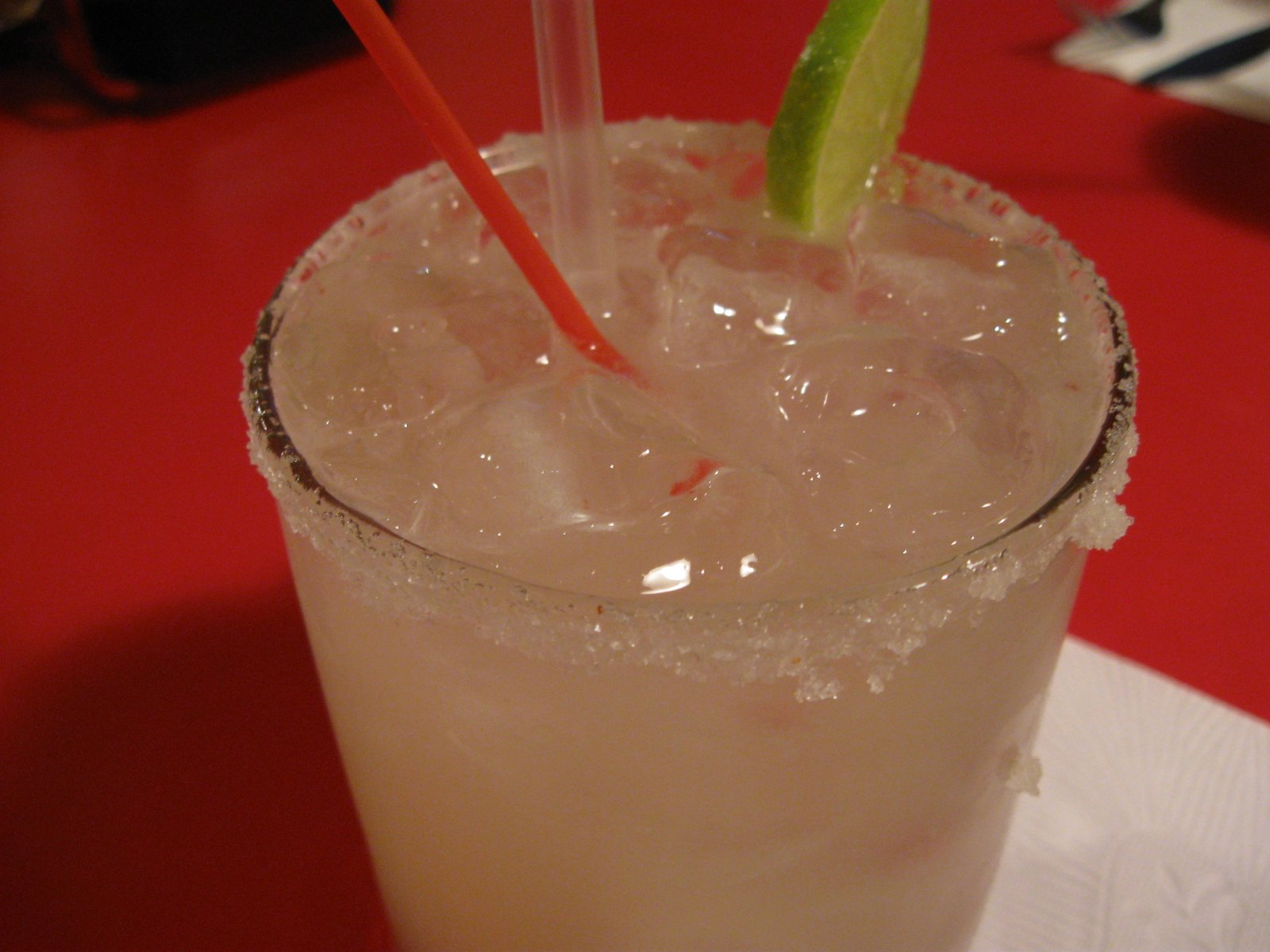
 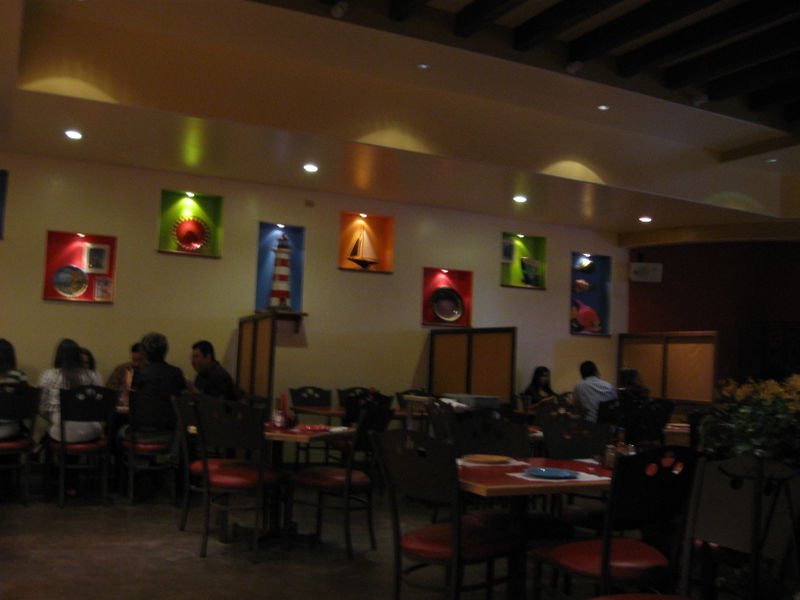 Using our best Spanglish (a pretty feeble excuse for communication) and a lot of pointing at the menu, we were able to order. We started with margaritas on the rocks:
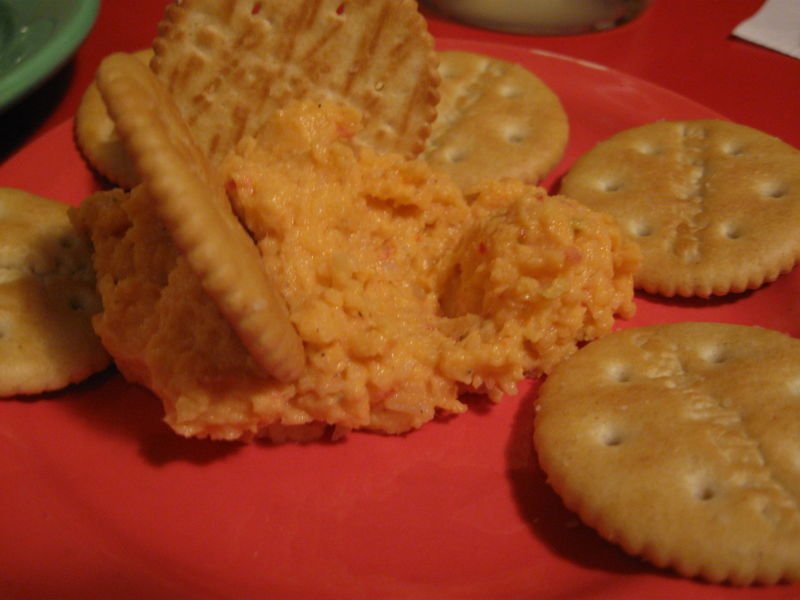
 Along with the drinks, arrived some rather ordinary yellow cheese spread thing and some rather good crackers:
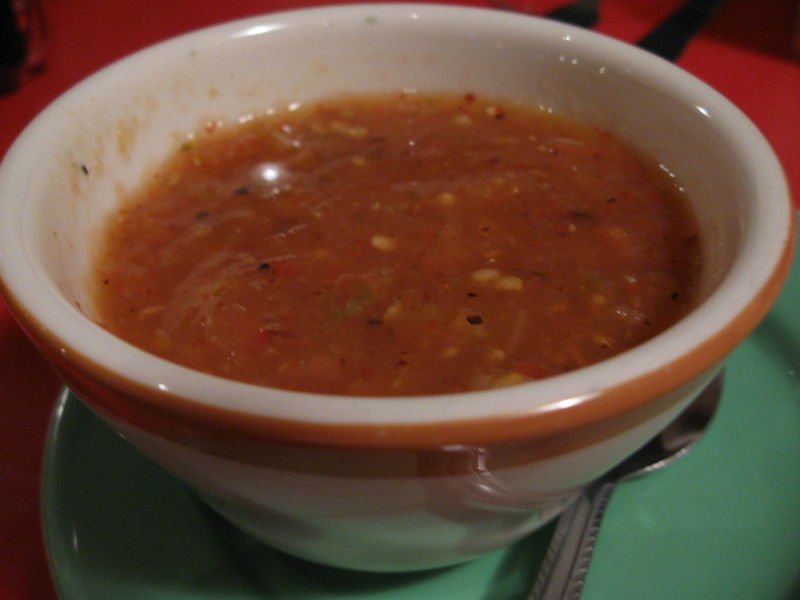
 Both Tina and I preferred dipping the crackers into the complex and spicy table salsa:
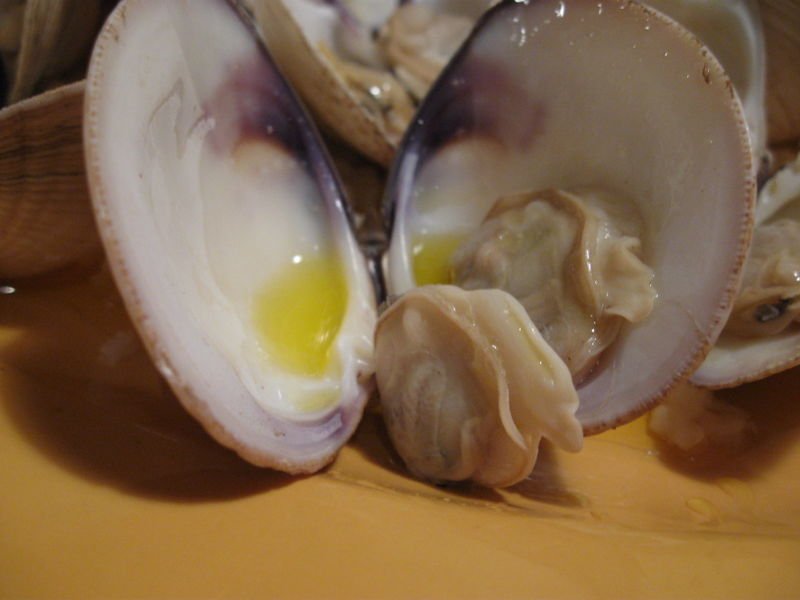
 For our first course, we decided on steamed clams. They arrived dripping in butter on top of some grains of rice on a large plate. This was a generous portion and the clams were fresh and balanced between tender and chewy:
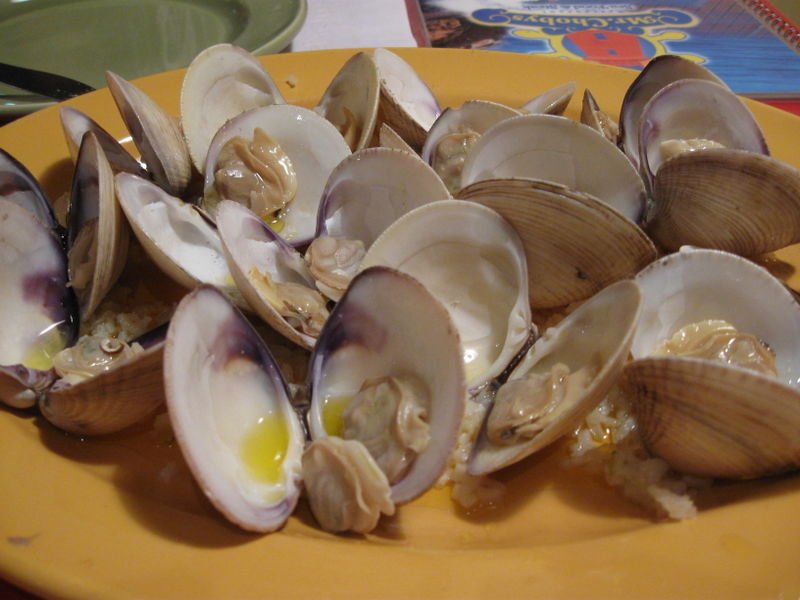 While not the best rendition of steamed clams that I have ever had (I would've liked a little garlic), they were quite serviceable and their flavor was enhanced by squeezes of lime juice:
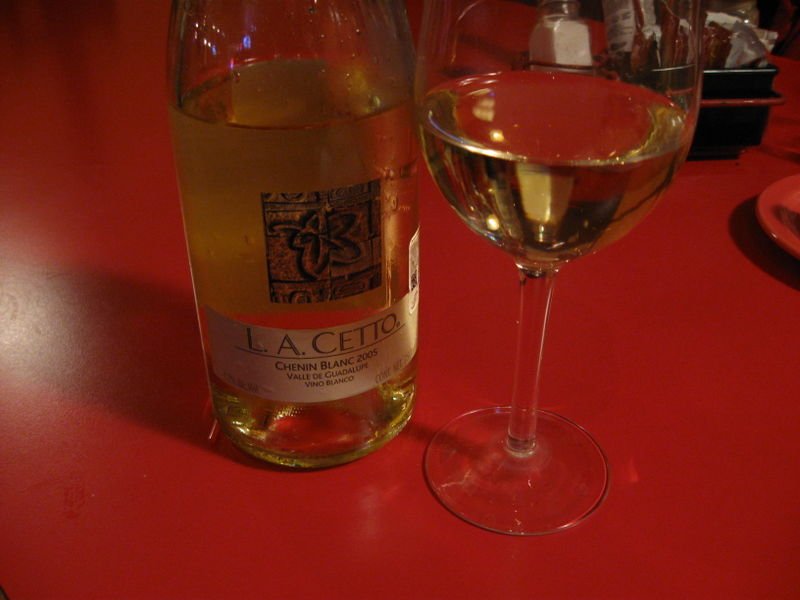
 Along with the clams came our bottle of L.A. Cetto chenin blanc. This dry and fruity white wine from the Guadalupe Valley, which we chose from the modest list of about a dozen Mexican wines, paired nicely with our meal:
 We then each had a marlin taco. While not much resembling the smoked marlin tacos at
 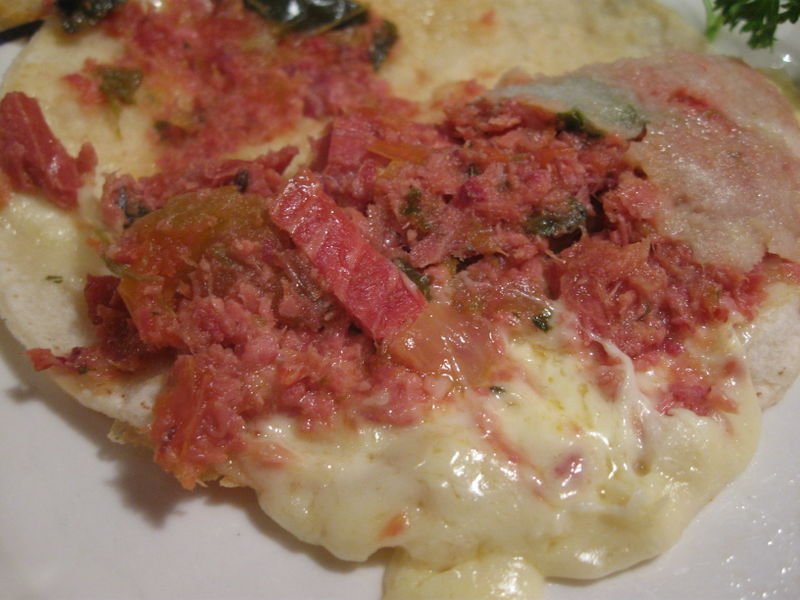 This taco was very good, but not "in your face" powerful. What I mean is that the flavor was complex, multilayered, and subtle, adjectives that I do not often use when describing Mexican food. The next time I have this, and I sure hope there is a next time, I will simply spoon salsa all over the taco and eat it as if it were a mini marlin quesadilla.
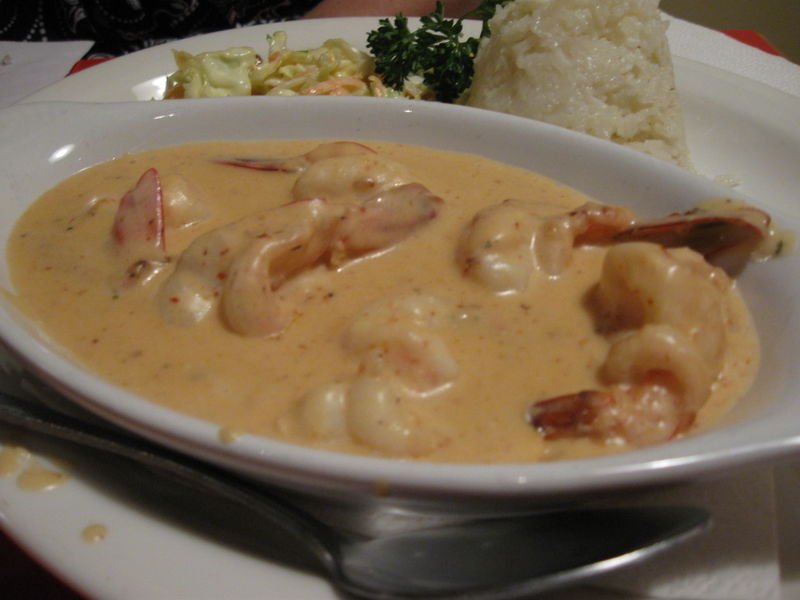 The shrimp were of excellent size and quality and perfectly cooked, and the sauce was a wonderful complement to them. The main courses were accompanied by okay coleslaw and a tasty truncated cone of buttery rice. We also received a basket of toasty bread, which was great dipped into the that great creamy chipotle sauce: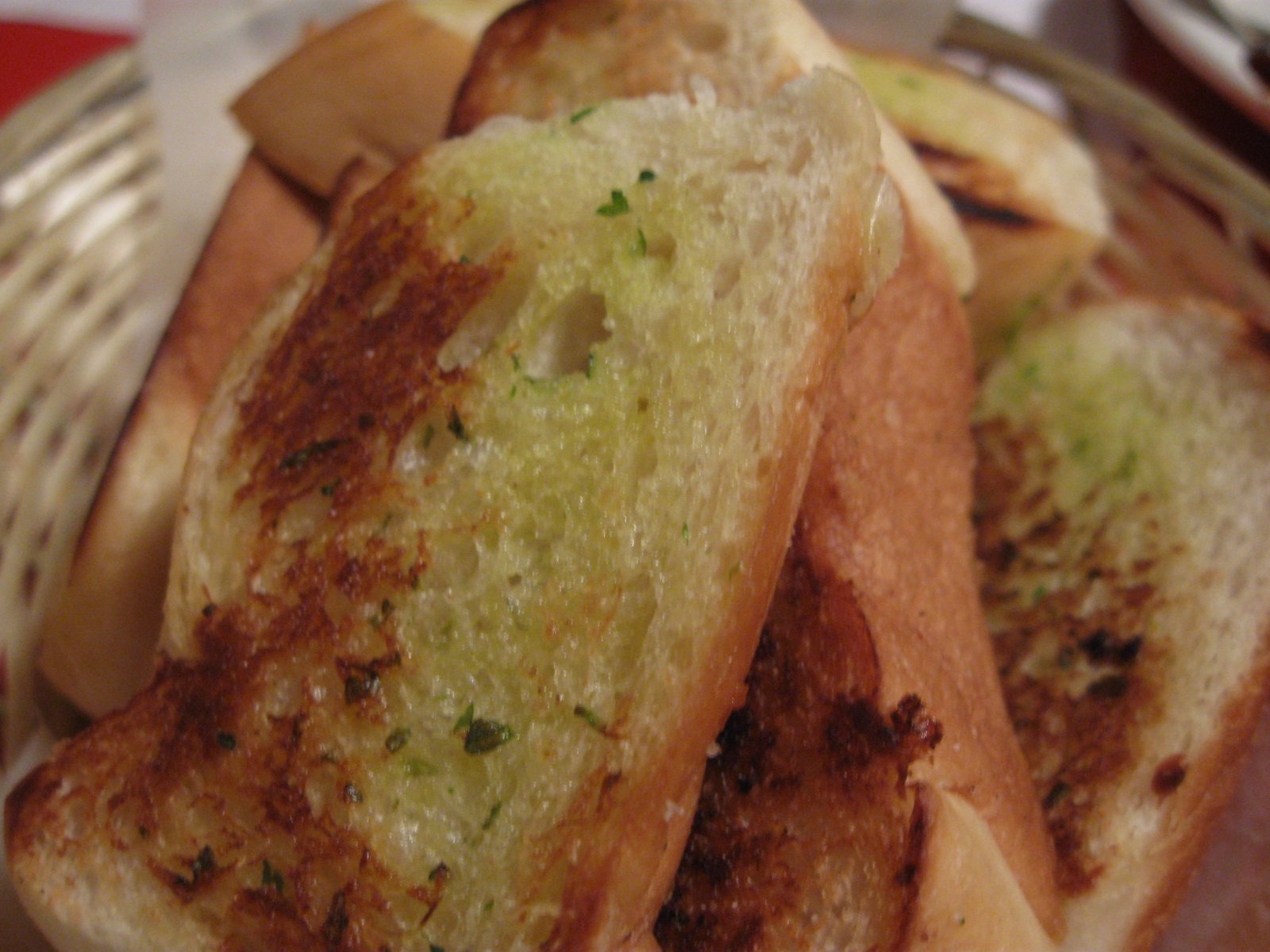
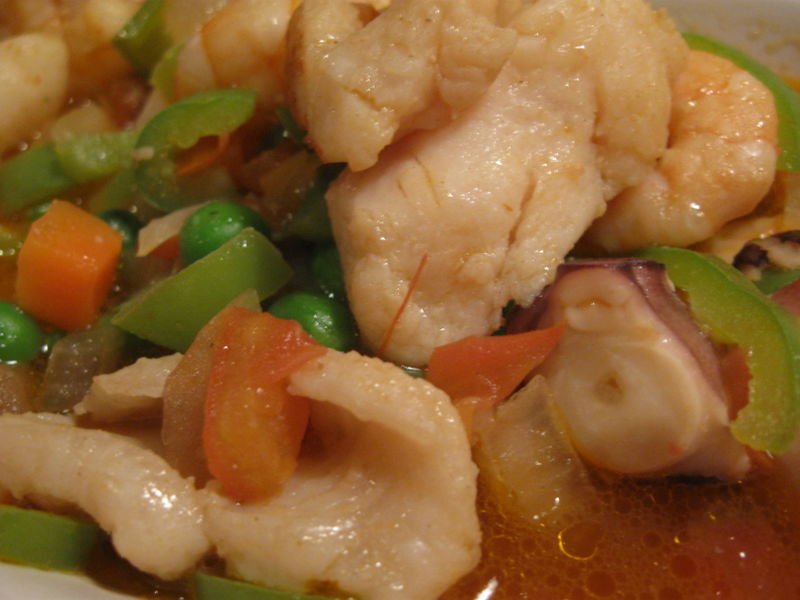
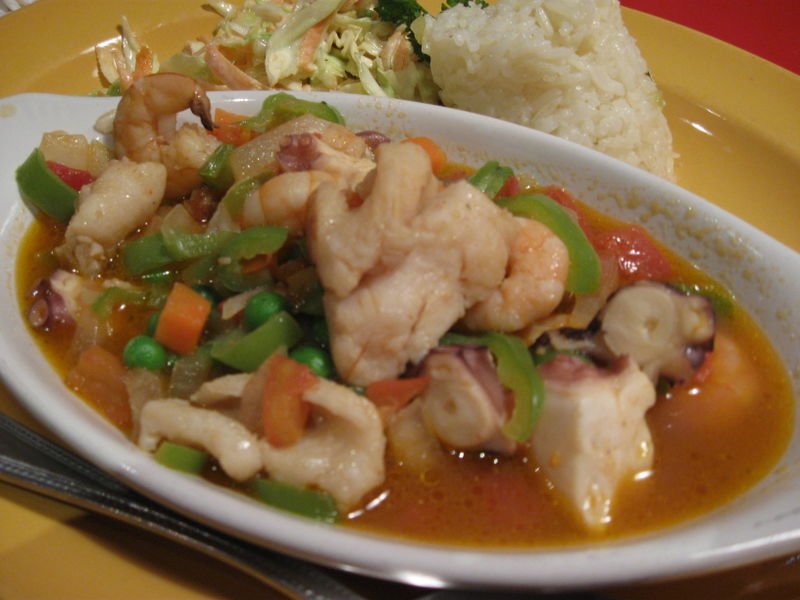 I was very impressed by both the look and the taste of this dish. Sometimes Veracruz sauces can be much like an Italian pasta sauce, with green peppers, olives, and capers in a thick tomato sauce. At Mr. Choby's, the chef had decided to present the mariscos integrated with an assortment of vegetables. The fish fillet pieces were fresh and tender as was the octopus, and the shrimp, while smaller than Tina's, were also very good. Fresh tomatoes, seafood juices, and olive oil were the basis of the brothy sauce. Even with the frozen peas and carrots, the collection of vegetables (in particular the seeded and deveined jalapeno slices) was excellent and provided color balance and textual variation as well as a variety of tastes. The jalapeno flavor, in particular, added a nice touch of picante spice and capsicum flavor without overwhelming the other ingredients:
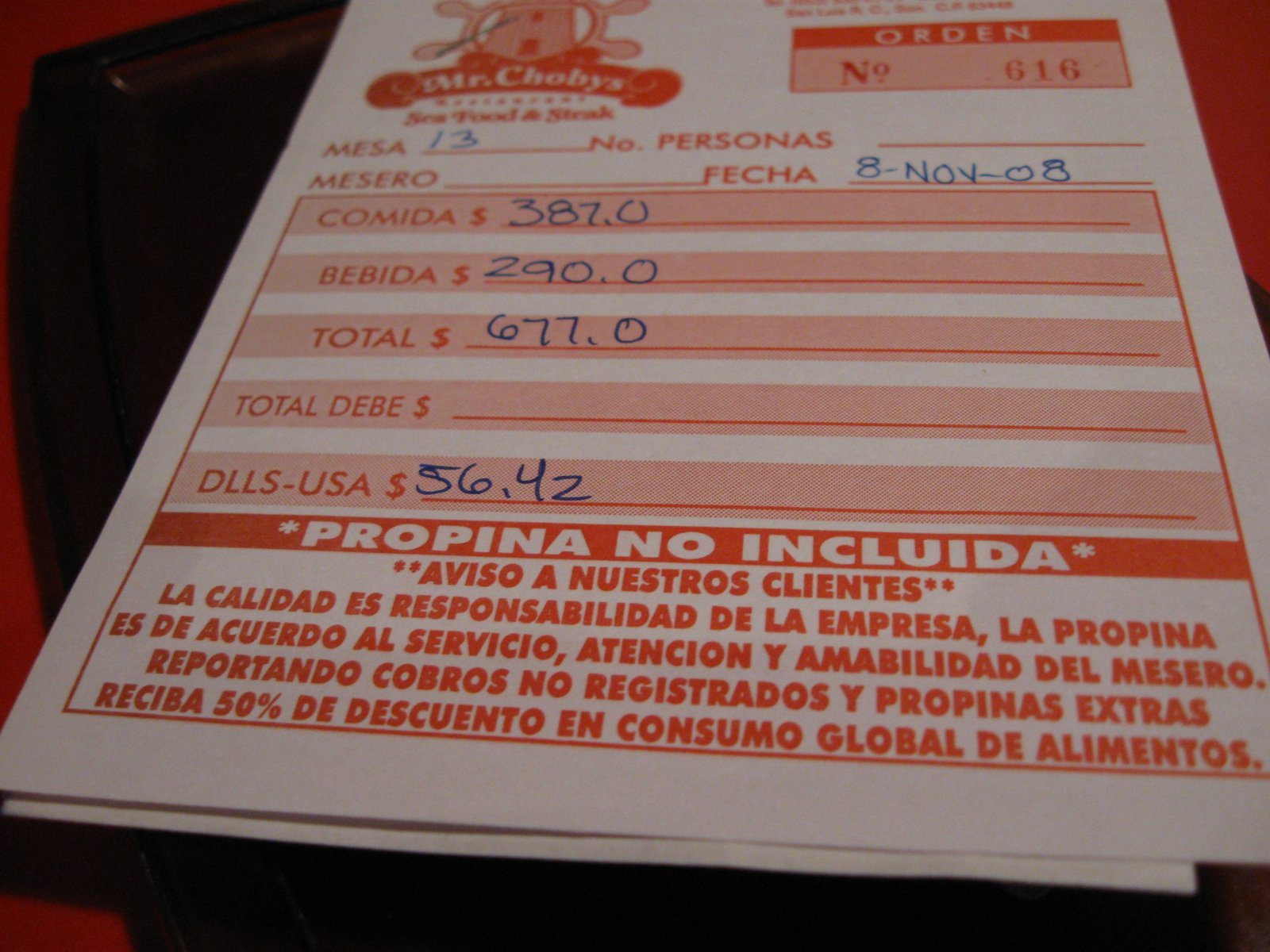
 We were happy. Our mouths were happy. And when we got the check, our pocketbooks were not too unhappy: