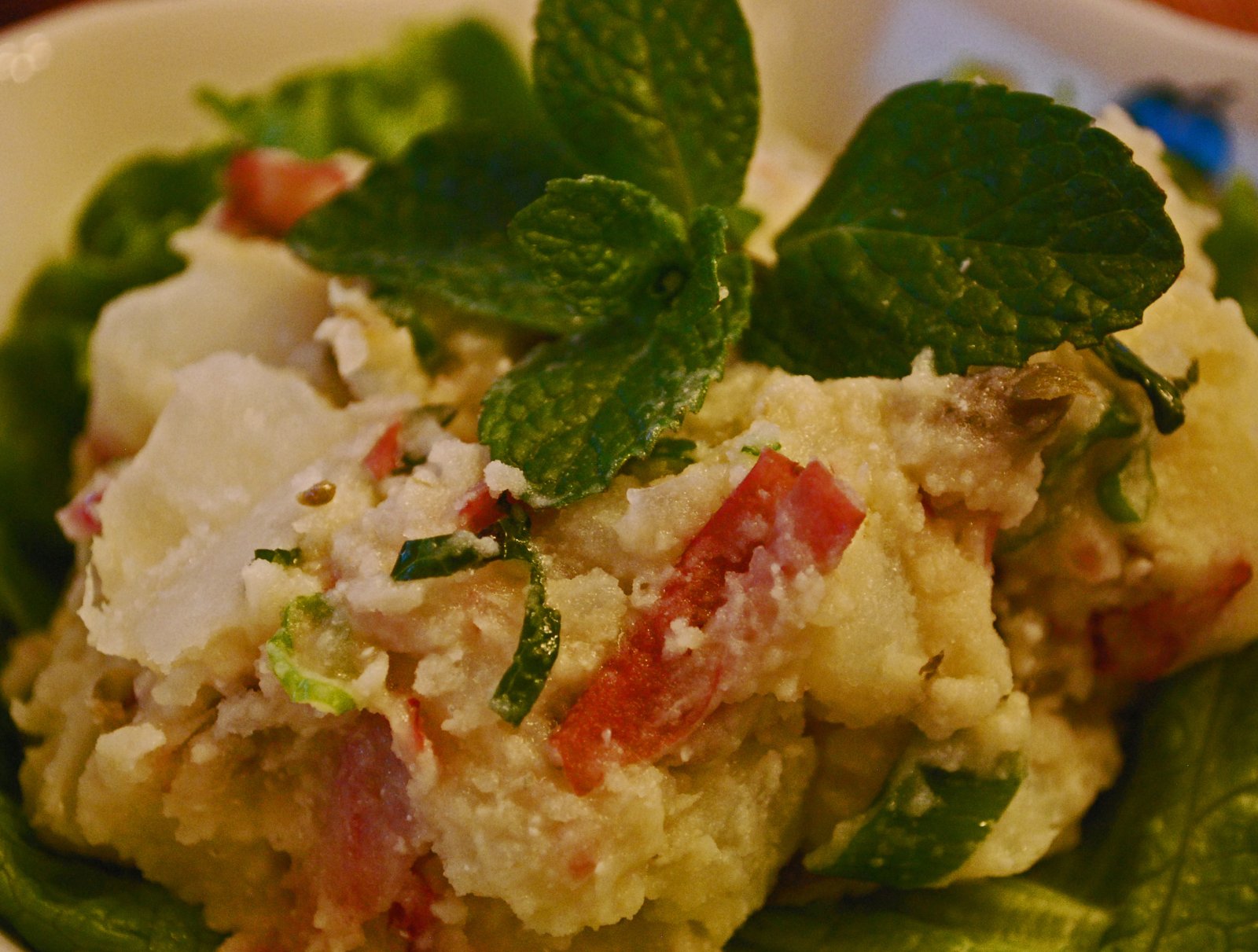
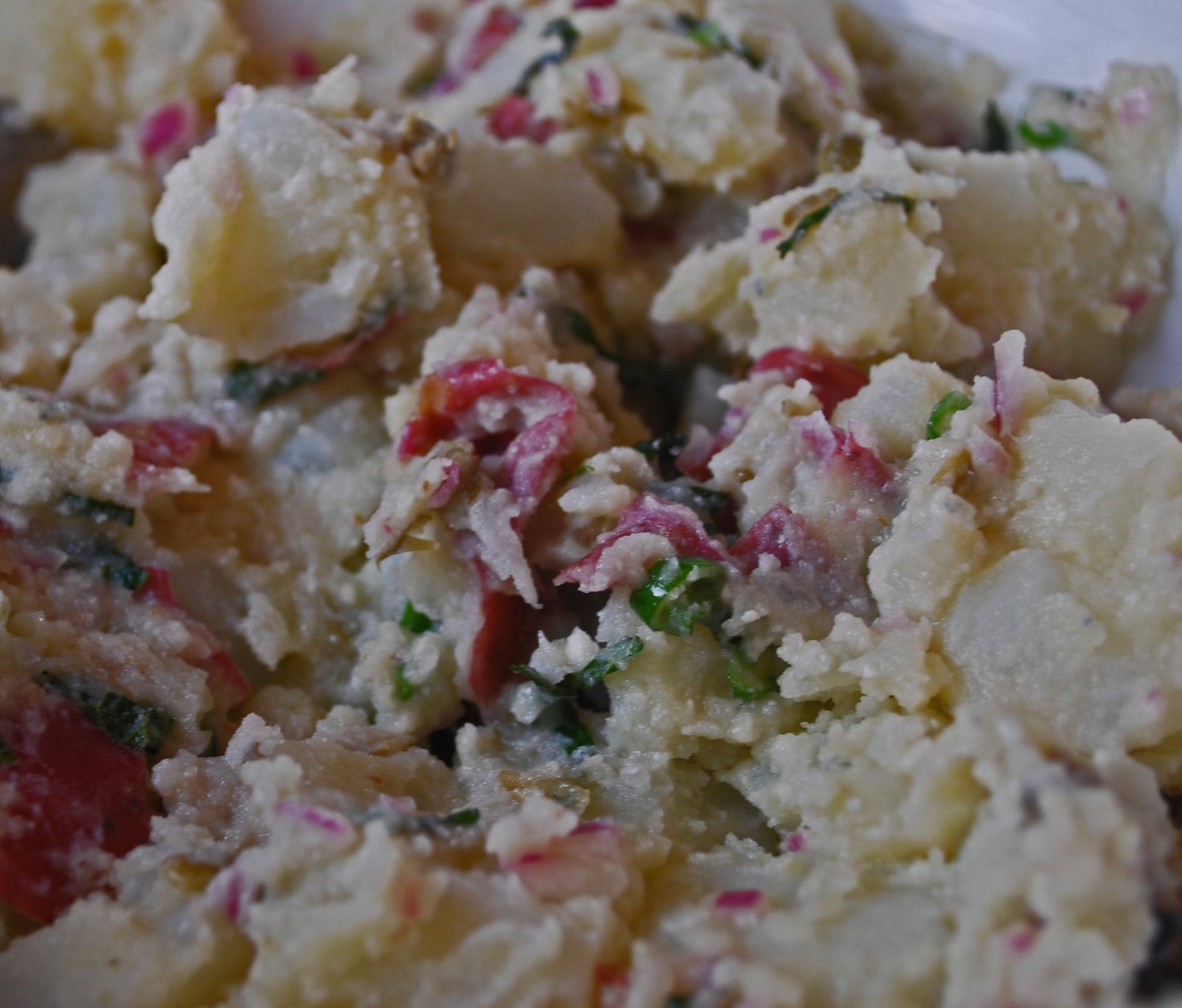
Blue Cheese Potato Salad with Capers and Mint

Xin Nian Kuai Le, Cung Chúc Tân Xuân (or is it Chúc Mung Nam Moi maybe someone can tell me?), Happy Valentines Day, and happy President's Day, all rolled into one! That's one heckofa holiday weekend that much is for sure. As is usual for us, we're kinda laying low, and will have our big meals a bit later on….. or perhaps the Missus actually believes me when I say, "but honey, every day can be Valentine's day!" Hmmm, probably not…..

Still, the Missus gets whatever She wants to eat today, and what She wanted was a BLT with thick cut bacon and sprouts on sourdough, and a potato salad! Huh? I can however, understand Her thinking….. the temperature today was in the mid-seventies, more like late spring than mid-February weather…. so you want a BLT, fine! Of course the potato salad wasn't going to be your basic potato-mayo combination salad. The Missus was thumbing thru Wanda Adam's The Island Plate II (I really can't say reading, because She's just looking for photos), and saw the recipe for Beau Soleil's Aegean Potato Salad. Which is sorta what She wanted…. I'll say sorta, because of course there were adjustments…..

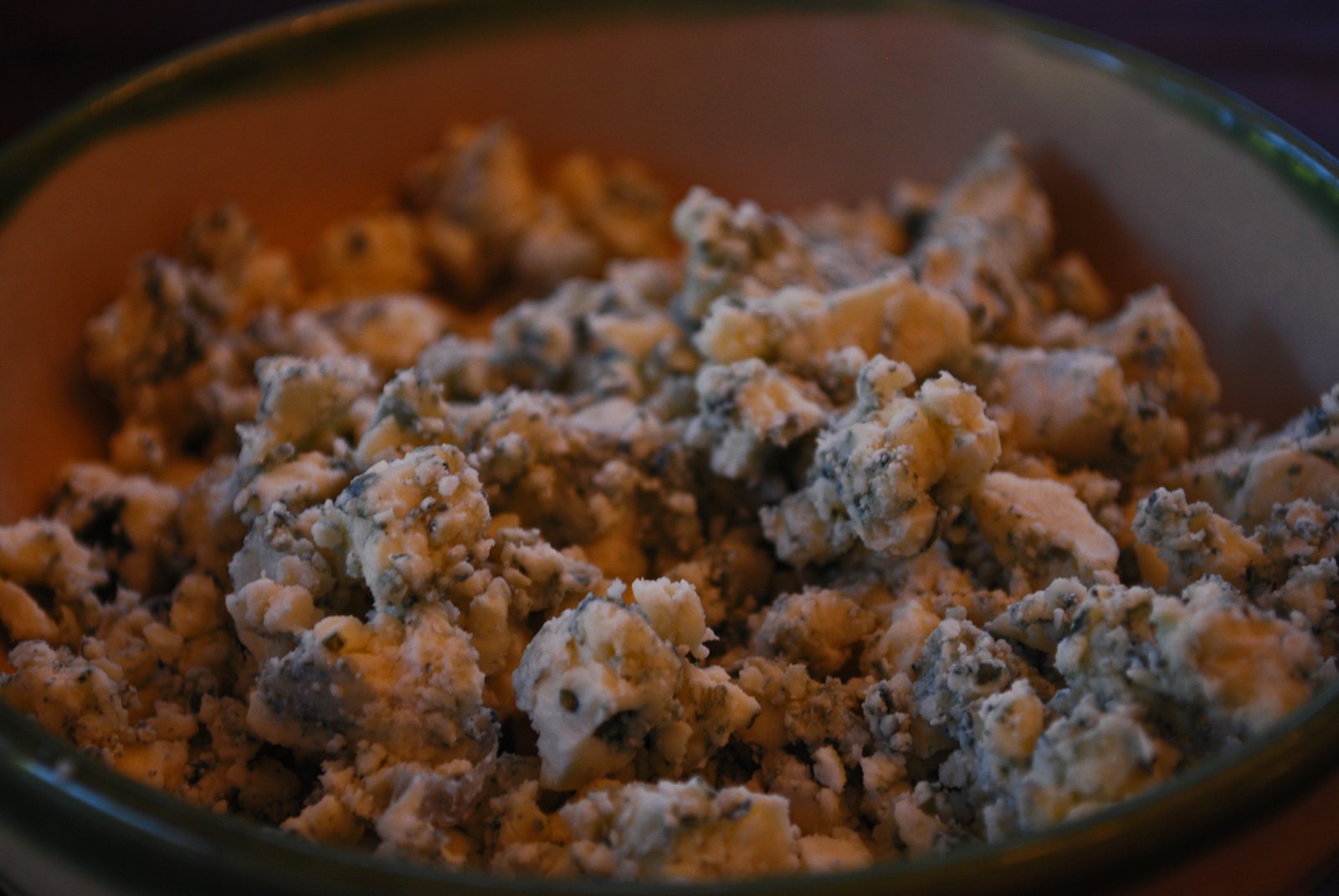
D6002142010 023
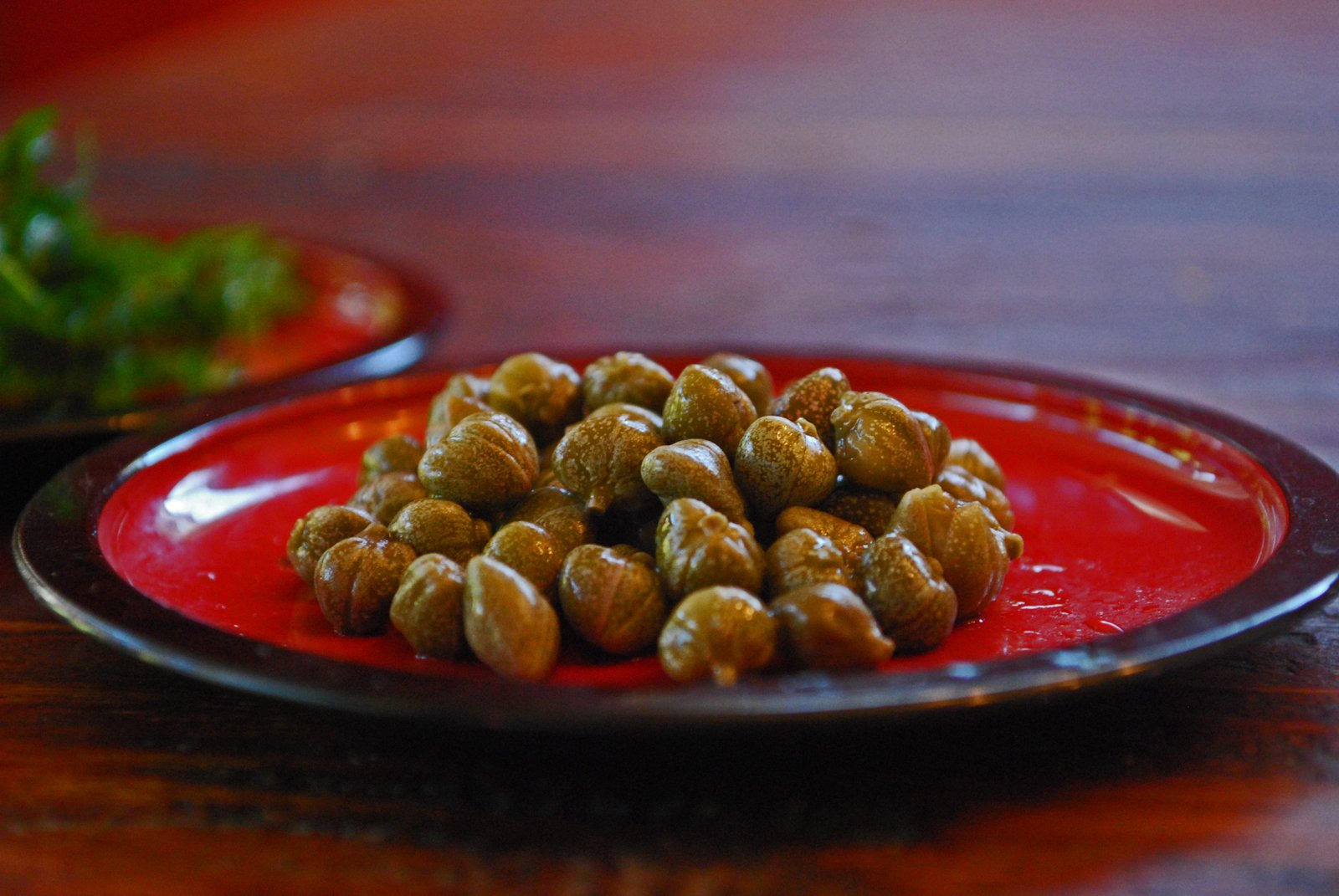
The Missus wanted to use Blue Cheese instead of Feta, and told me to lose the Italian Parsley, but add scallions. I was interested in making the salad because it used both capers….

D6002142010 009
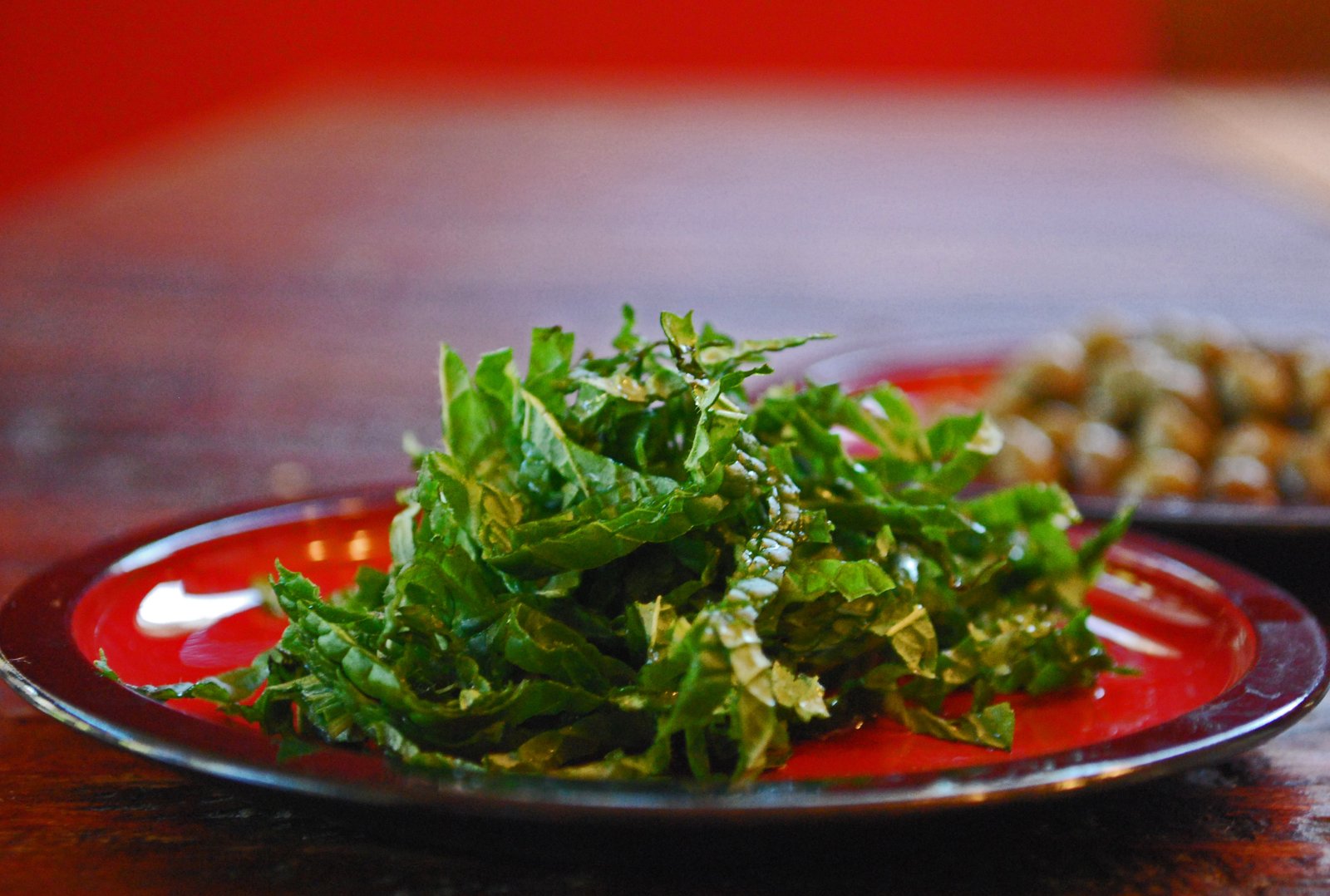
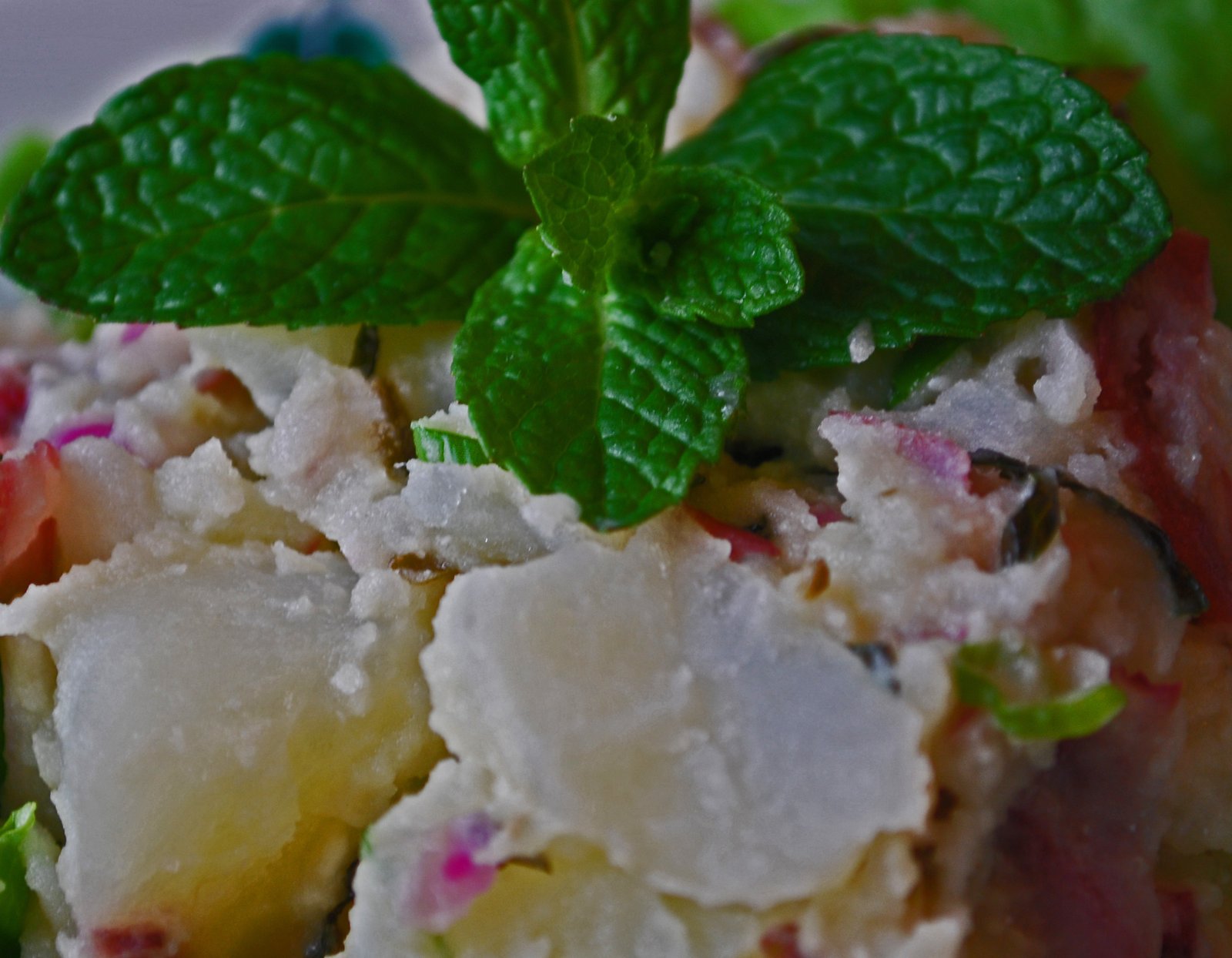
and mint….

D6002142010 012 
Items that I've never used in a potato salad. Also the lack of mayo was something different for me as well. In order to have a reasonable portion for the Missus and I, the amount of potatoes was cut in half, but the amounts of other ingredients have been kept the same (or increased), since the salad sounded a bit bland to me, and my hunch was right. I really enjoyed the salad, the flavor of the mint was faint(if you were a poet, you could say, it was a "hint of mint"), and if you didn't know it was in the salad, your mind might be asking you, "what is the flavor, it's familiar, but I can't place it."

D6002142010 015What was an even bigger coincidence was that I was born and raised in Kaimuki, and I have taken food to go from Beau Soleil when it was located on Waialae Avenue! Sorry to say, Beau Soleil moved back to Manoa, then closed down a couple of years back.

D600214201002 008
Blue Cheese Potato Salad with Capers and Mint.

1 1/2 lbs red potatos cubed
4 tb Extra Virgin Olive Oil
2-3 tb Red Wine Vinegar
1/3 Cup crumbled blue cheese
3 tb capers, rinsed, drained, and coarsely chopped
1/2 medium red onion minced
2 tb chiffonade of mint leaves
4 tb chopped green onions
Salt to taste

– Cook potatoes in salted water until tender.D600214201002 004
– When potatoes are tender enough to pierced with a skewer, drain in a colander. Rinse immediately with cold water to stop cooking and remove excess starch, and drain.
– While potatoes are still warm, gently mix together all ingredients. Don't forget to taste, and adjust seasoning. Also, remember that flavors will be more intense after the salad "sets".
– Serve at room temperature or cooler.

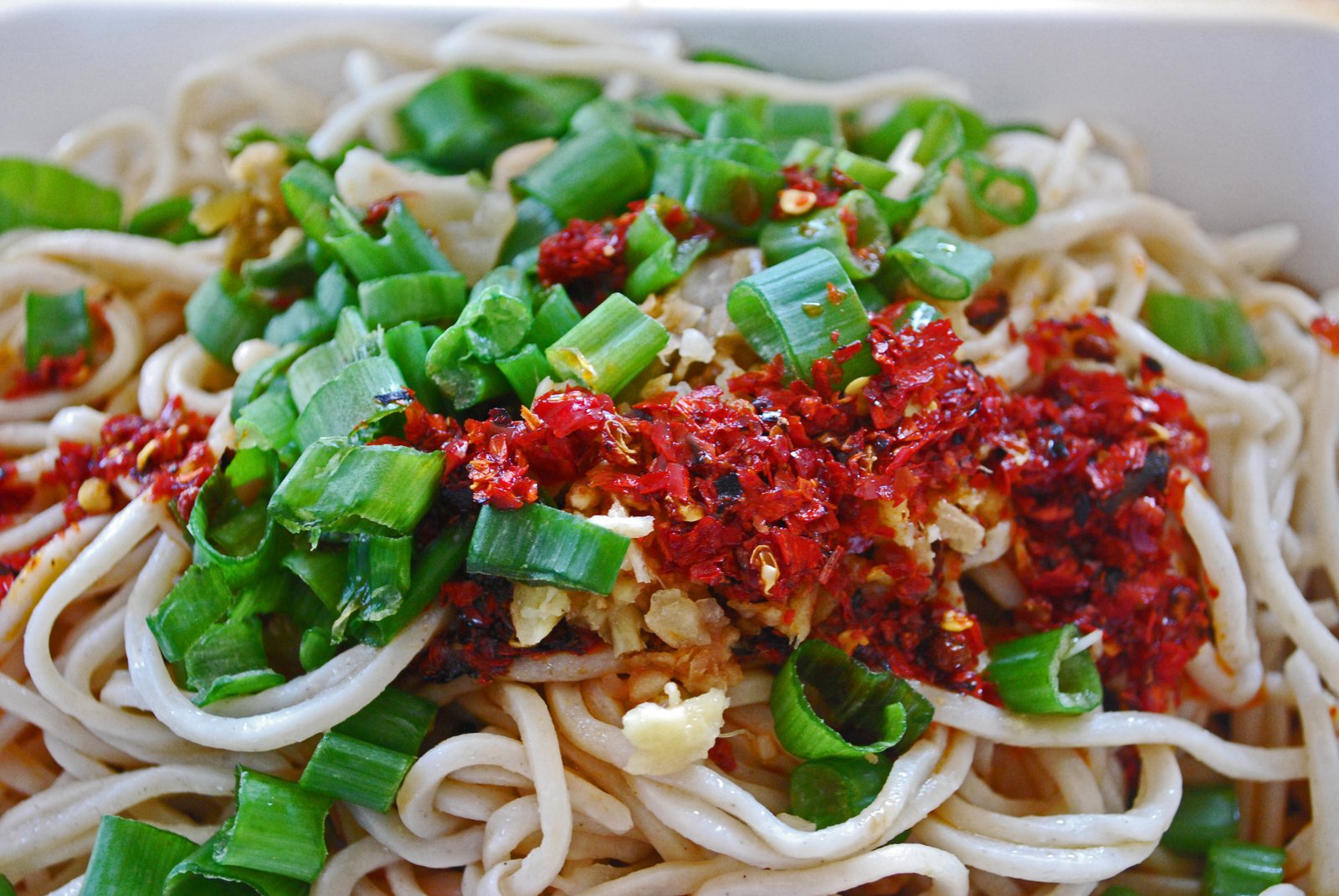
So while the Missus had Her BLT and potato salad….. I had me some refreshing Cold Sichuan Noodles (Sichuan Liang Mian):

D6002142010 005
And I made this…..

D6002142010 029
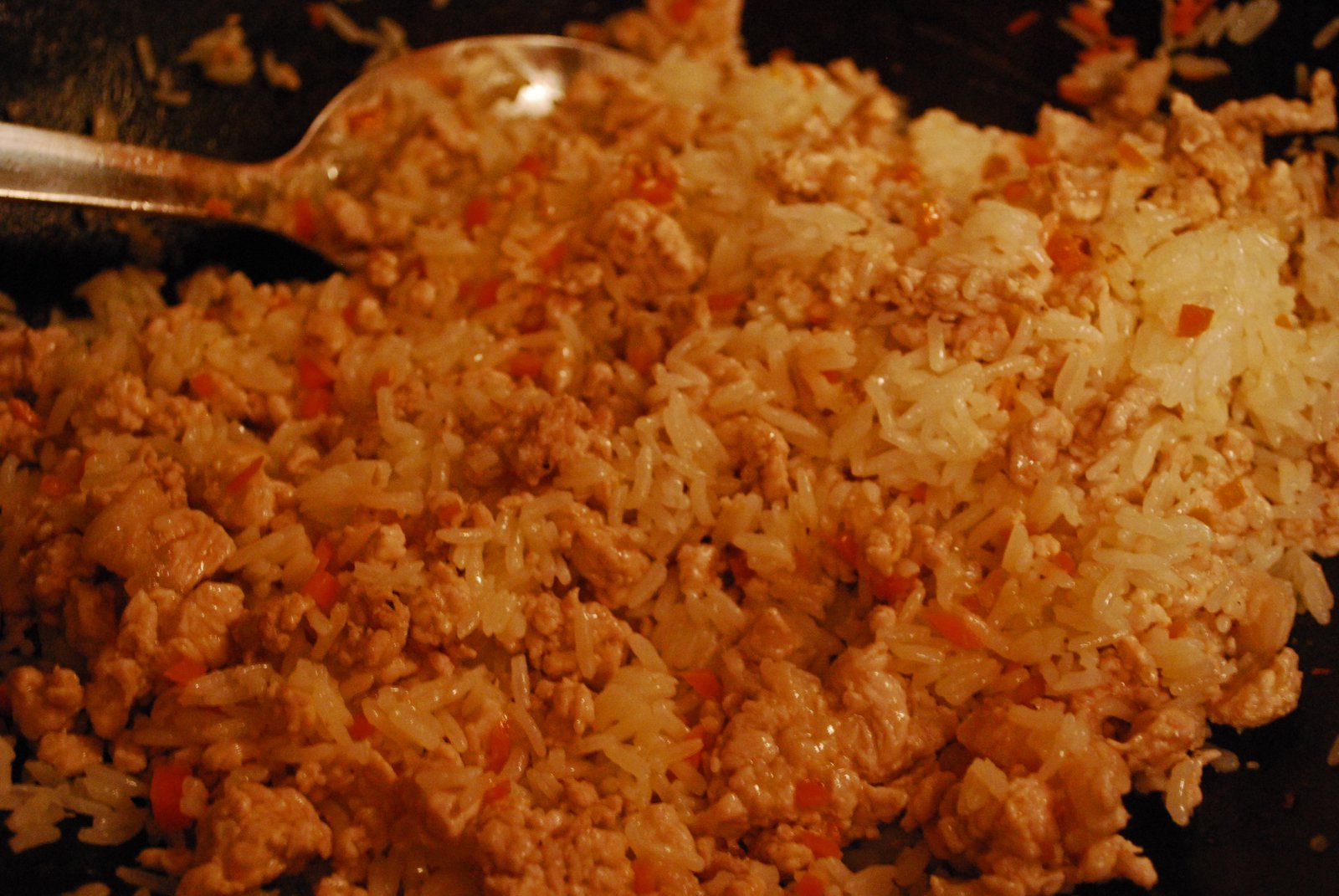
Can you guess what it is????

Would you believe that it's dog food??? Yes, it's true, I cook for Da' Boyz, and for the next 4-5 meals it's be lean chopped pork and carrot rice with their kibble. We've noticed that since we've started cooking rice… usually rice with white meat chicken for Da' Boyz, Sammy's fussy stomach issues have not been a problem. Of course it could be that they are Asian Mutts! Still, for some reason I find the fact that Sammy and Frankie consume Three Ladies or Buddha Brand Jasmine rice, or Koshihikari rice a bit strange……

I hope everyone is having a great multi-holiday weekend!

Gomoku Takikomi Gohan – Five Ingredient Rice

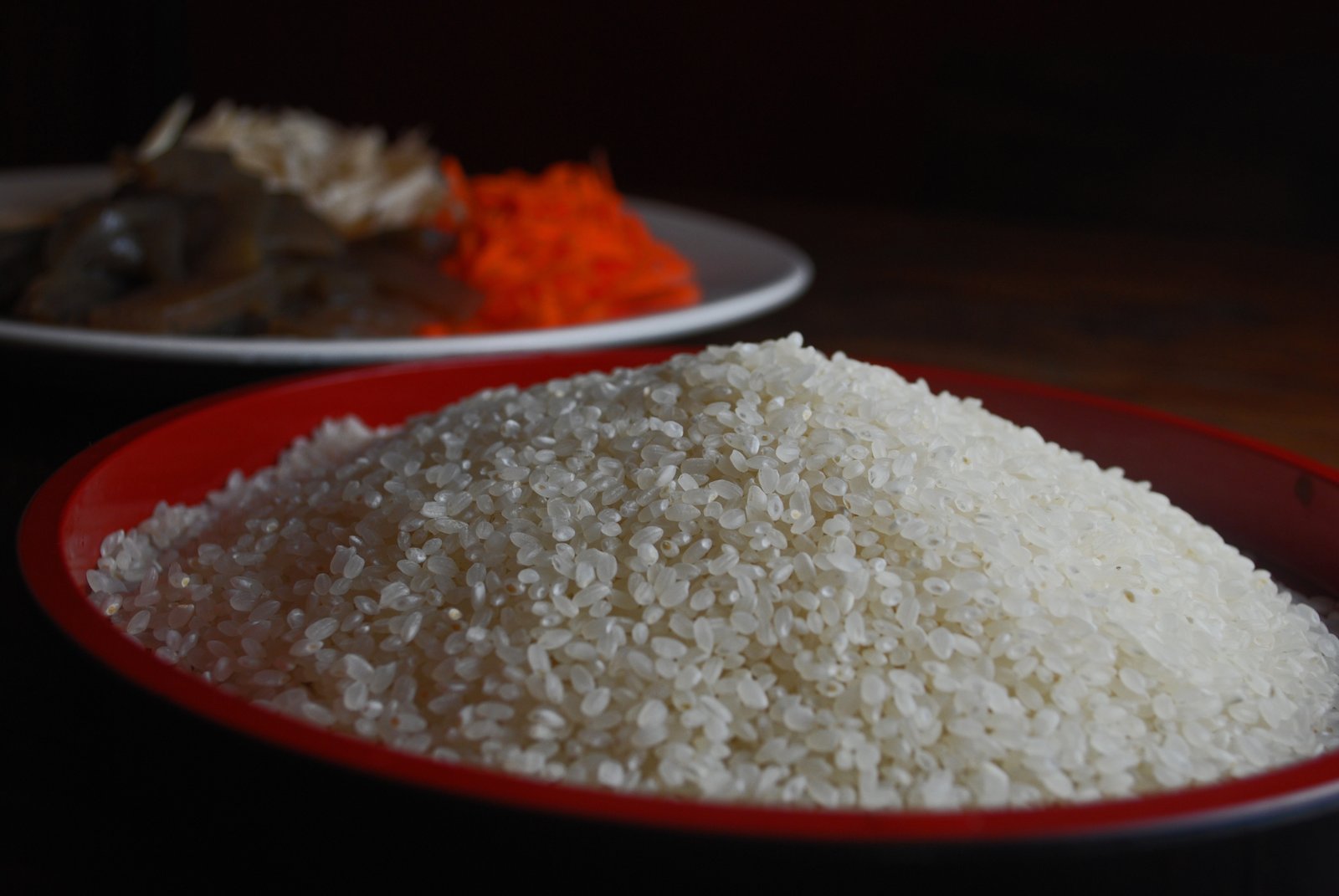
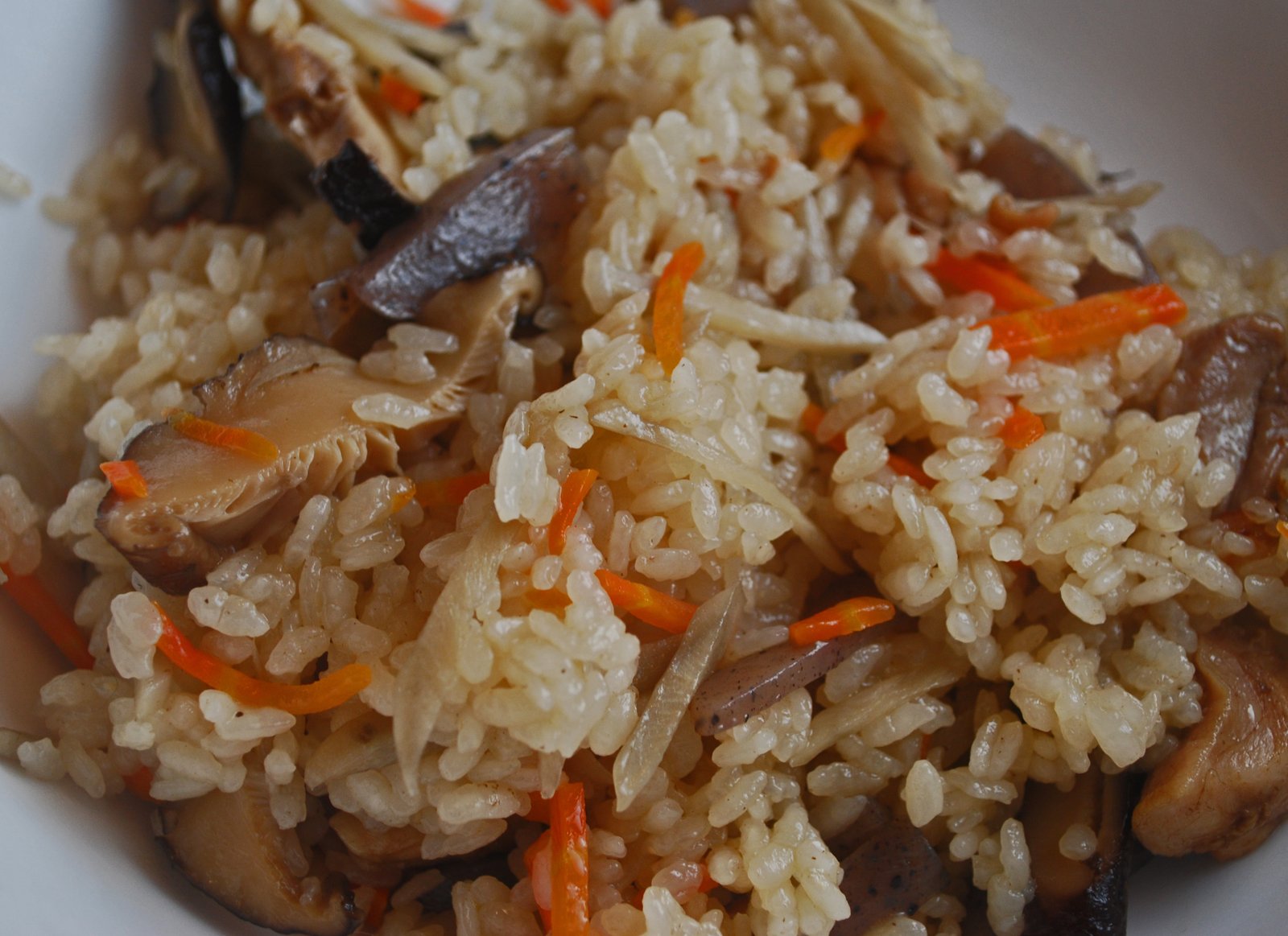
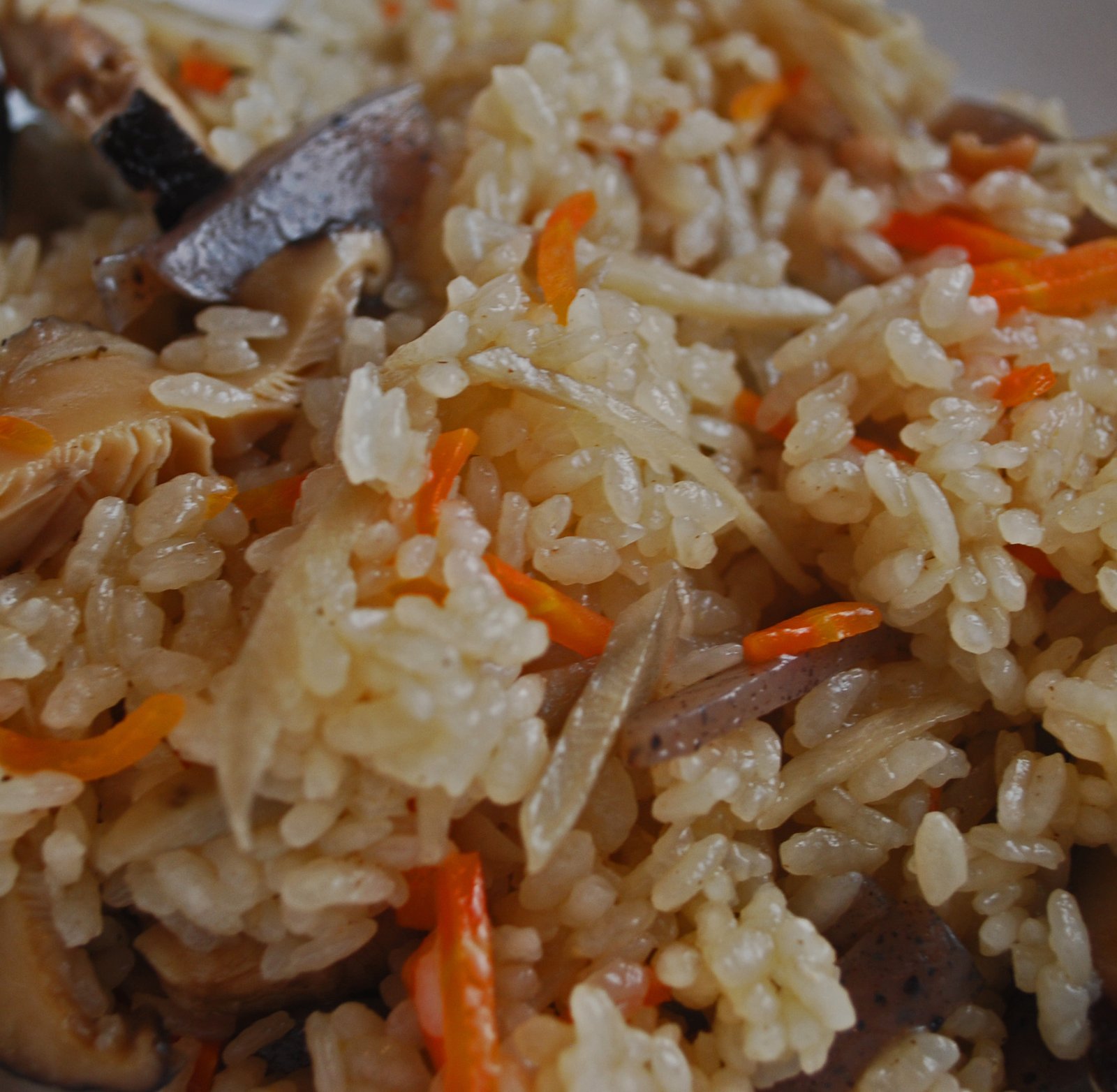
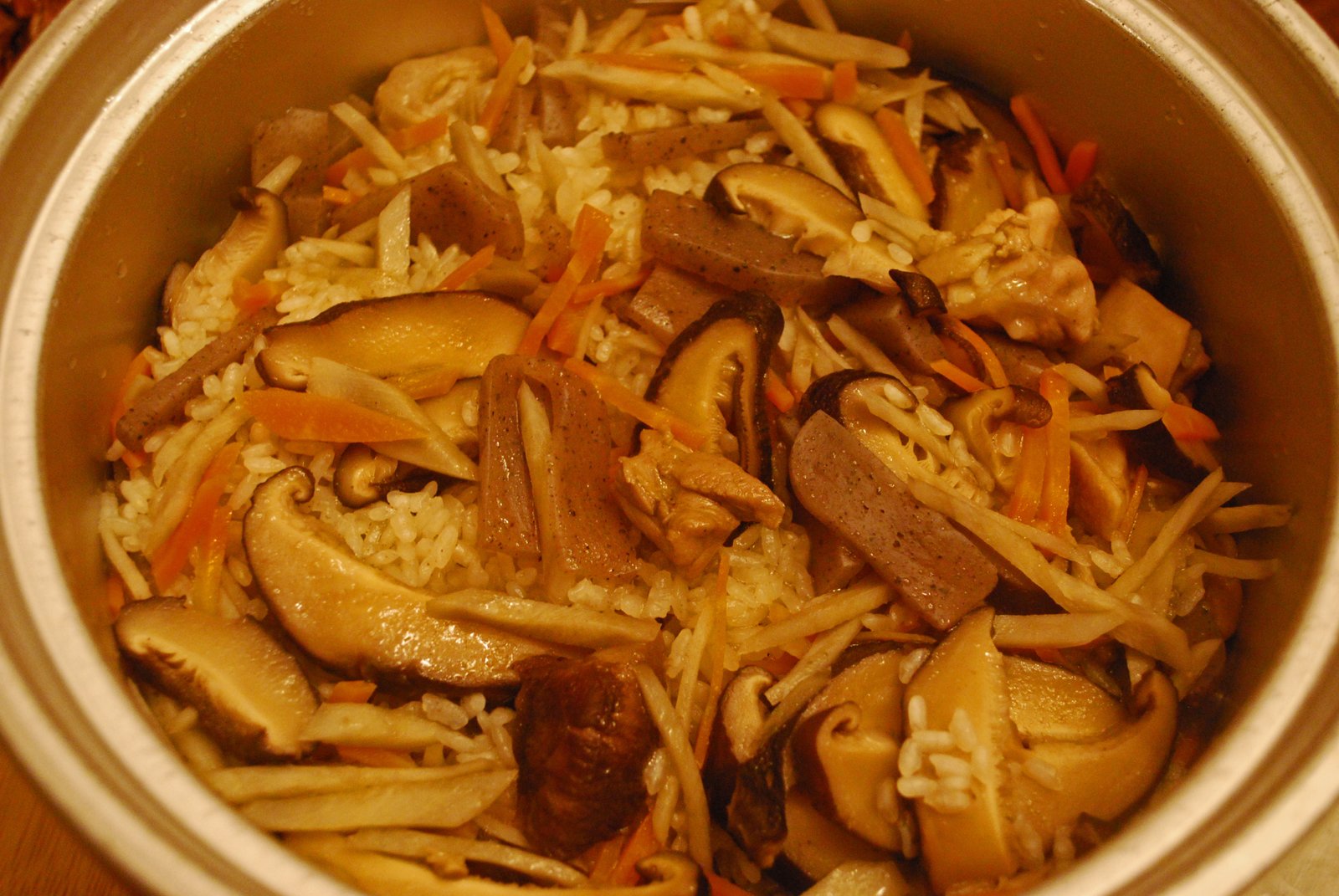
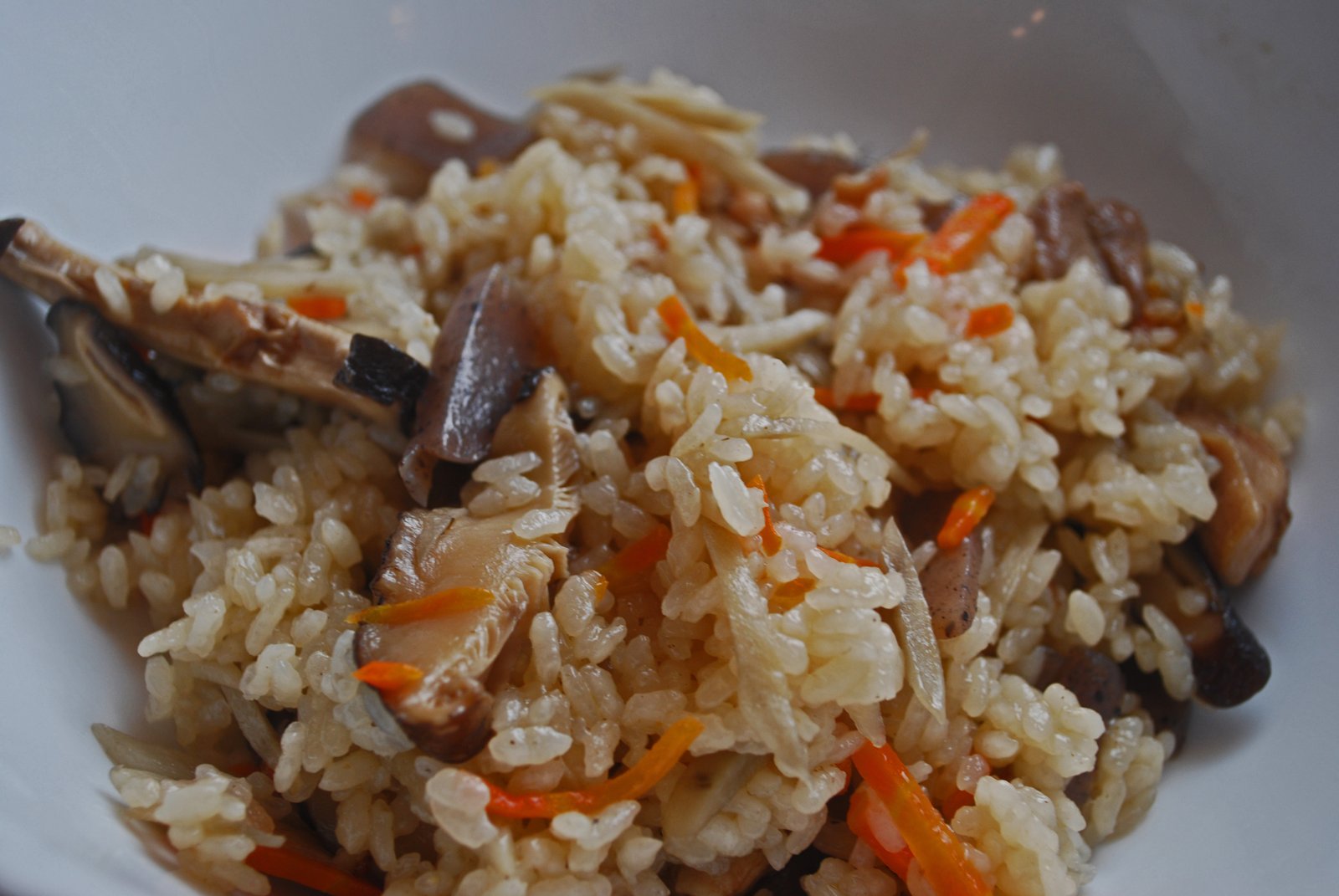
As I mentioned earlier, I'd made a pretty large amount of dashi around the holidays and needed to find a way to use it up. I decided on making a pretty common mixed rice dish called Gomoku Gohan. In fact, I've seen various frozen instant version of Gomoku Gohan, but making it yourself is pretty easy….. after all, it's just rice, right?

Gomoku01 
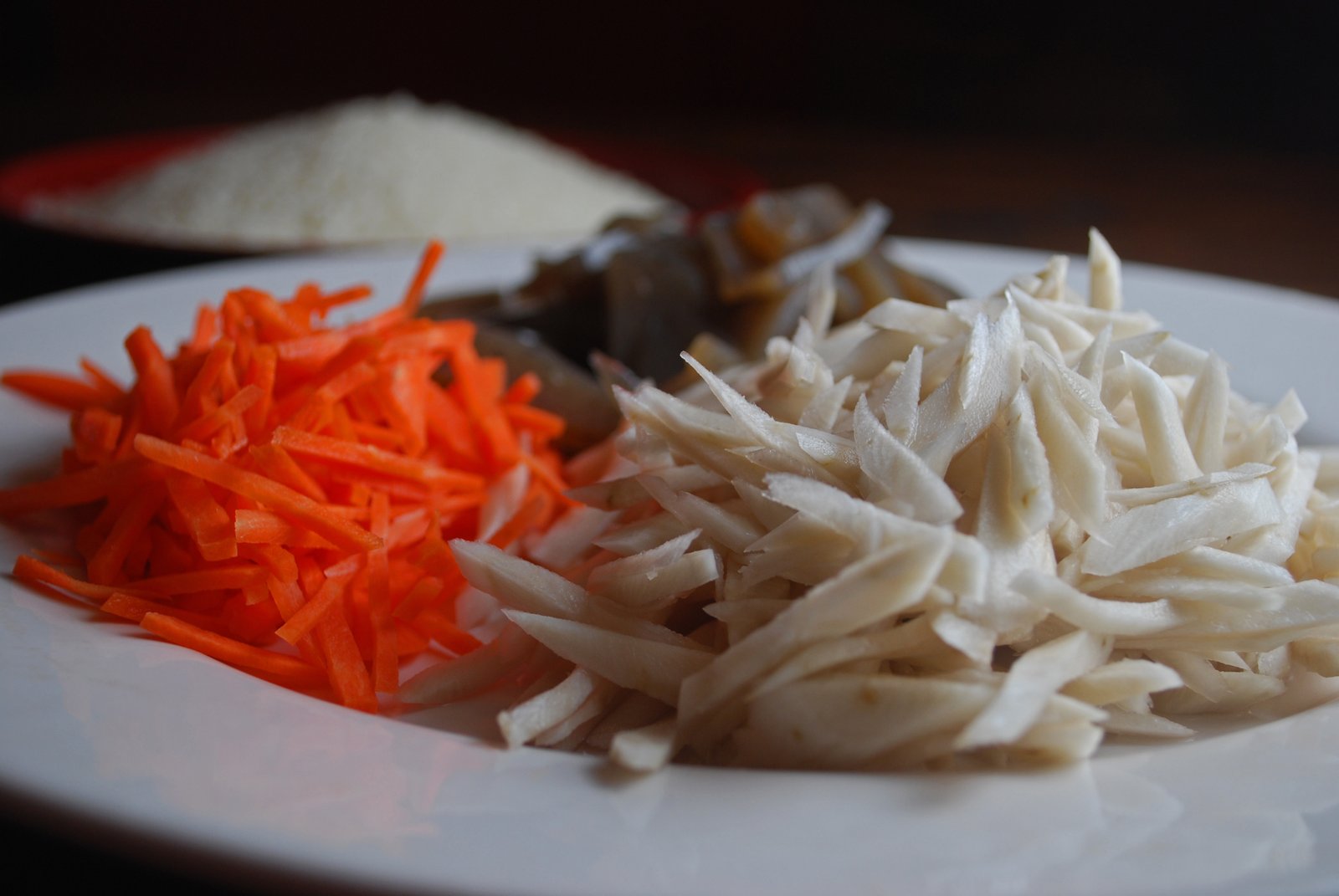
The basis of the dish, at least the version I make is mushrooms, and I was quite impressed with the quality of the Gobo (burdock root) available this year, so I thought why not….

Gomoku02 
Gomoku05

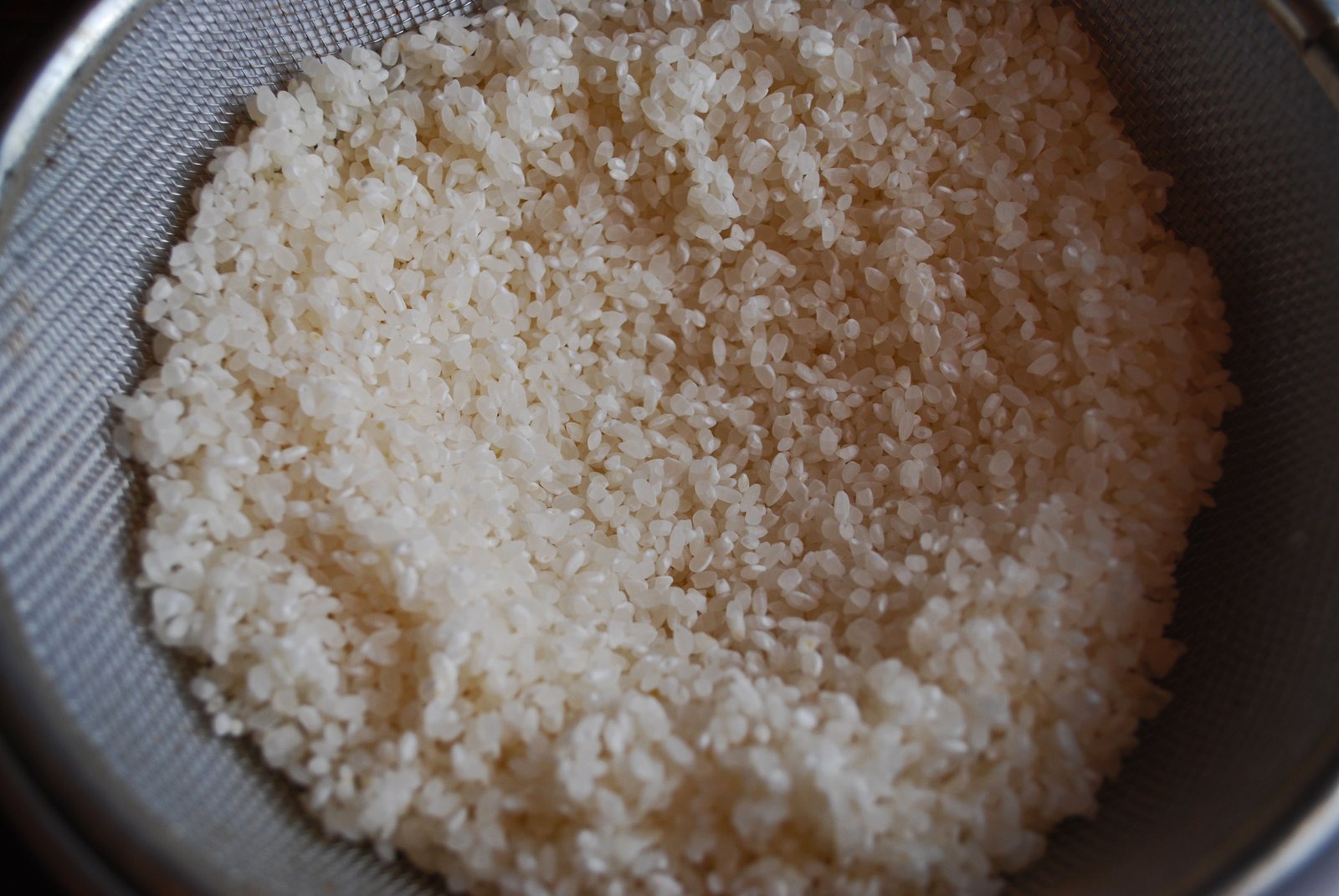
There a couple of key points I follow when making this dish; first, for once, I actually follow the rather draconian rules for making rice. That would be rinse, then drain the rice (koshihikari in this case) for 30-40 minutes in a colander. I also parcook the vegetables in my dashi-soy sauce-sugar mixture before mixing with the rice. I do my chicken separately. This is so I can taste the simmering liquid of the vegetables, and make adjustments. The flavoring of the rice can be pretty bland, so getting the simmering liquid up to your tastes is imperative.

Gomoku03
Gomoku Takikomi Gohan:

Gomoku04

3 Cups Rice, rinsed, drained in a colander for 30-40 minutes
1/3 lb bones skinless chicken thighs cut into small cubes
1 medium carrot julienned
1 Gobo, skin scrapped off, julienned
4 dried shiitake mushrooms, soaked in 1 1/2 cups hot water, sliced.
1 cube of konnyaku, quickly "rinsed" with boiling water to remove smell, sliced

For the vegetables:Gomoku06
1 1/2 Cup dashi
1 Cup mushroom soaking liquid
3-4 Tb Shoyu
3-4 tsp White sugar
1 Tsp Mirin
Salt

– Place the liquid in a pot, add vegetables and simmer.
– Add 3Tb Shoyu, 3tsp sugar, and mirin and simmer for 1-2 minutes.
– Taste and adjust flavors. Add salt to taste.
– Place a sieve or strainer over a large bowl or pot.
– Pour the contents of the pot into the strainer, letting the simmering liquid drain into the bowl.
– Let everything cool completely.

For the chicken:
1 tsp sake
1 tsp soy sauce

– Rub the chicken with sake and soy sauce and let stand for 10 minutes.

Put it all together:
– Place the rice in the cooker.
– Add the vegetables and chicken, and mix lightly with the rice.Gomoku07
– Pour the simmering liquid into the rice pot, until the correct liquid level is reached. Use dashi if more liquid is required.
– Once rice has cooker has turned off let the rice stand covered for 15-20 minutes.
– Mix the rice well before serving.

Top with green onions, sesame seeds, nori, etc, etc,……..

Gomoku08

The Chao Nian Gao (炒年糕) Experiment

ChaoNianGao01

I gotta say, that the first time I had Chao Nian Gao(stir fried rice cake), I wasn't too impressed. It was kinda sticky-gooey, and sank to the bottom of my belly and seemed to "camp out" for a good long period of time. It was interesting, because I'd never had rice cakes prepared in that manner. I did however have Korean Ddukbokki many times. Over the years, it has grown on me, and now I try to order Nian Gao whenever I see it on the menu. I usually see it on Shanghainese menus, though I recently had a version from a Yunnan Restaurant (post coming soon) that I thought was excellent. 

On a whim, during a recent visit to 99 Ranch Market, I picked up a package of dried Nian Gao disks, you can also find the rice cakes rolled into a rod like form, and cut your own, though you can substitute Dduk….. So I purchased my Nian Gao, and did nothing with it. Finally, the Missus, tired of waiting, told me to make the darn thing…tonight….

ChaoNianGao06
The problem being that the instructions say you need to soak these for at least 16-20 hours. So it was going to be a looooong wait for dinner to get on the table.

ChaoNianGao07
I decided to go ahead and soak these overnight…. which became two nights when we got occupied doing other things. On the third day I figured I'd better get round to making these. What follows is a basic outline of what I did, not a proper recipe. I used only what was on hand in the fridge and cupboard.

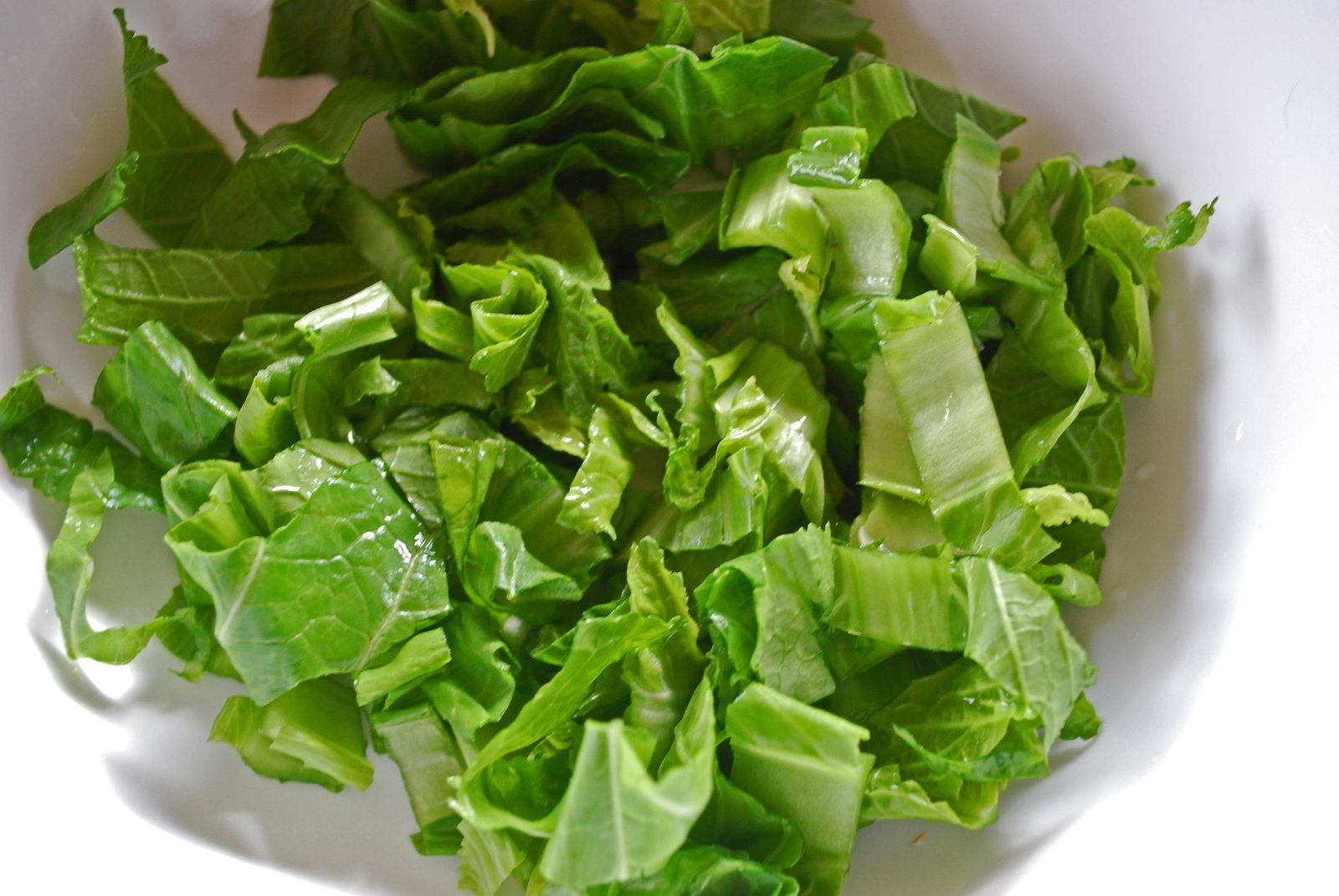
I had just finished off my Oxtail Soup, and had leftover greens.

 ChaoNianGao04
ChaoNianGao05

They call these "Shen Lee" at 99 Ranch Market. They have a mild bitter-mustardy flavor.

We usually don't have pork on hand, but always have dried shrimp in the refrigerator. We will use shrimp as a pork substitute in many of our dishes like Dried Fried Green Beans 干煸四季豆. It handles heat well, and will crisp up, tasting like shrimp bacon. So I used a couple of tablespoons of  dried shrimp.

 ChaoNianGao02
ChaoNianGao03

Instead of the standard lighter Shanghai version, I went with three types of soy sauce for flavoring, a dark, dark mushroom, and premium light soy sauces because, well, I just felt like it. 1 tsp each dark soy sauces and about 2 Tb light soy sauce. I also added a dash of white pepper. In retrospect, I should've also added some Sichuan Preserved Vegetable, but forgot I had some in cupboard.

And of course the Nian Gao:

ChaoNianGao08
Which had been soaking for 60 hours or so! I used half the package, a bit over 8 ounces dry. I made two batches of Chao Nian Gao over two days.

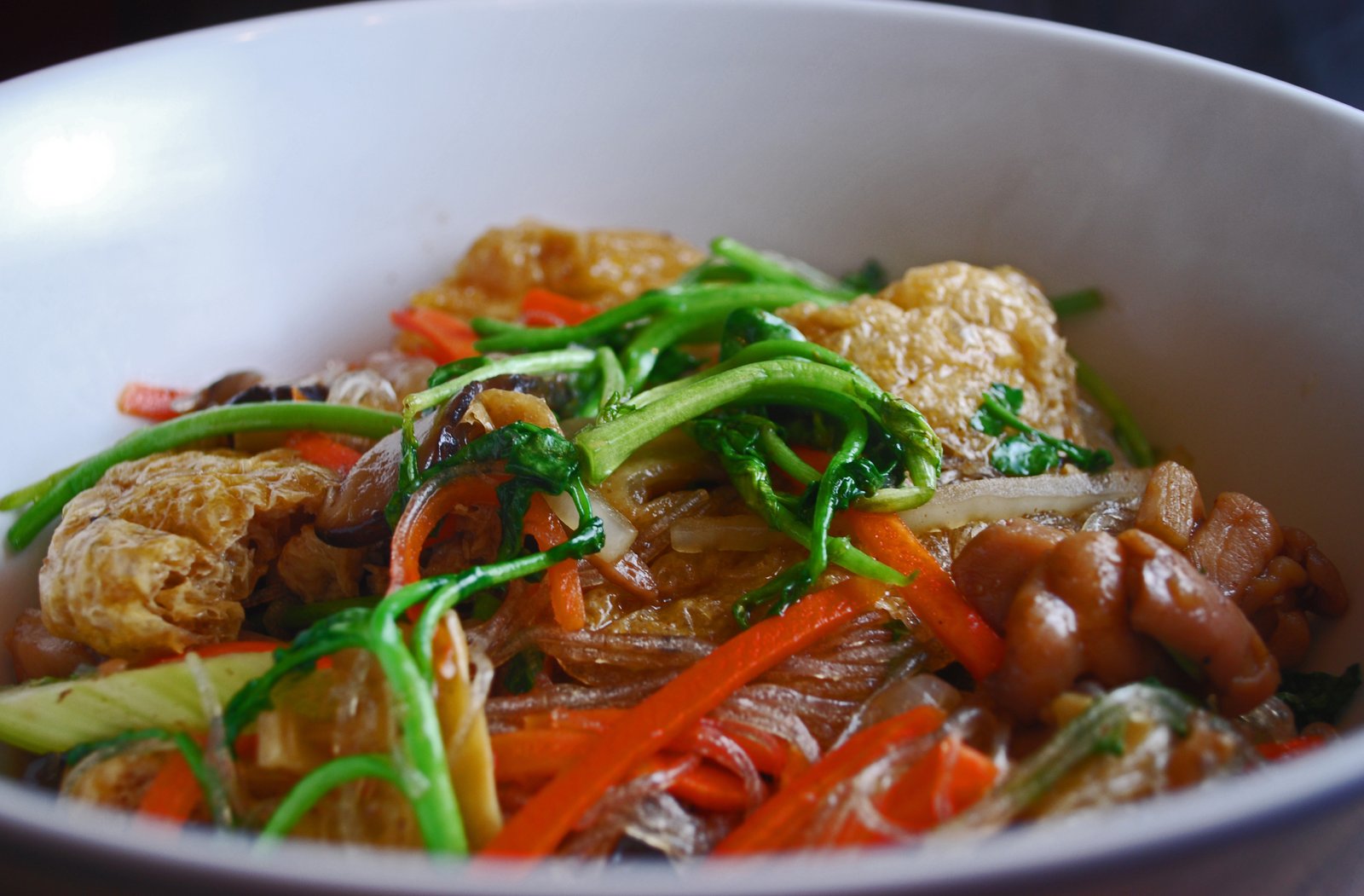
The cooking technique used is, of course Chǎo(炒), a method of stirfying. As mentioned above, I made two batches of Chao Nian Gao. On my first attempt, I cooked on the stovetop to allow for mistakes and adjustments. Here's how it turned out:

ChaoNianGao09
Good but a bit more chewy then I would have liked.

On my next try, I broke out my Big Kahuna (now why does that sound so wrong???) and let her rip at 55,000 BTUs. What came out was delicious…….with some decent "wok hay":

ChaoNianGao10
Man, this was good. It had turned out better than I thought it would. It was still pretty heavy stuff, it fills you up pretty quickly and you'll stay full for a while. I guess I'm adding this dish to my Big Kahuna Files. It is as a whole just a basic stir-fry, and quite easy to make.

ChaoNianGao11

In fact, I just bought another bag of Nian Gao. This one says to soak for only two hours……. 

Kinpira Gobo

I swear that I posted this recipe before…. but I guess not. Anyway, this is one of those basic recipes that Mom made. Kinpira is the name of a famous Mythical Hero. According to Shizuo Tsuji's Japanese Cooking: a Simple Art, this dish is supposed to be strong and dashing, like Kinpira, thus the addition of some heat in this style of cooking. By the way, for all those who really want to know the "meat and bones" of traditional Japanese cooking, I highly recommend Shizuo Tsuji's book. Heck, even my Mom had a copy of it when it was originally published…. and I don't even know how she got her hands on it.

KinpiraGobo01 
"Kinpira" in Japanese cooking terms is basically a modified stir-fry of sorts using root vegetables. Though Gobo (burdock root) is probably the most popular, I've seen Lotus Root, Carrot, and even potato used for Kinpira. "Foodhoe" has a delicious looking recipe for Kinpira Parsnips that is worth checking out.

KinpiraGobo02I was really pleased with the Gobo available around New Years. It was lighter in color, moist enough that it wasn't cracked, and almost had a mild sweetness to it. So along with the Gomoku Takikomi Gohan, I decided to make Kinpira Gobo. This time around I used one of those hot red chilies you find in the frozen section of Vietnamese Markets, and it packed a pretty good punch. The Missus said it was the best version of this I've ever made….. so now the pressure's on to do it again I guess!

Anyway, this is fairly easy, some recipes will tell you to blanch or parboil the gobo, but I find it kills the nice earthy flavor. I prefer to cook the gobo for a longer period of time. Gobo is supposed to be chock full of phosphorus and calcium, and of course fiber…. lots of fiber! 

KinpiraGobo03
Kinpira Gobo:

1 medium stalk of Gobo(burdock root)
1 medium CarrotKinpiraGobo05
1 red chili pepper (optional)
2 Tb Canola or Vegetable Oil
2-3 Tb Shoyu
1 Tb Sugar
2 Tb Sake
1 Tb Mirin
Dash of Sesame Oil(optional)
Shichimi Togarashi to taste
Sesame Seeds

– Scrape the skin off the gobo, and julienne. Keep the gobo in cold water so it will not discolor.
– Peel carrot and julienne.
– Slice red pepper in half and remove seeds. Cut thinly crosswise.
– Heat wok or saute pan over medium heat. Add oil to coat. Add chili and increase heat until chili just starts to sizzle.
– Add gobo and stir-fry until gobo starts to soften. Depending on the gobo, anywhere from two to three.
– Add carrots and stir fry briefly for about 1 minute.
– Add sake, mirin, and sugar, and stir fry.
– Add two tablespoons of shoyu, reduce heat and let liquid reduce.
– Taste and adjust seasoning. Add shichimi togarashi.
– Cook until liquid is almost gone. Remove from heat and add a dash of sesame oil if desired.
– Let cool to room temperature.
– Serve topped with sesame seeds.

KinpiraGobo04

Kitsune Udon

The holidays is a pretty busy time of the year for folks. It's also a fairly stressful time, everyone seems in a rush, and tempers sometimes seem short. Earlier today while driving to the market, I noticed a Saab coming up pretty quickly on me. The car was weaving a bit from side to side, by the time the Saab started tailgating me, I could see that the young lady behind the wheel was chatting away on her cellphone, and not paying much attention to the road. It all almost came to a head when I stopped at a red light, and was almost rear-ended by the Saab which came to a tire-squealing stop. So what was the woman's response to almost hitting me? She proceeded to honk her horn at me, than flashed me the "bad half" of the peace sign…… so much for peace on Earth, and good will to mankind, I think folks just want you to get the heck out of their way right now. Sigh……

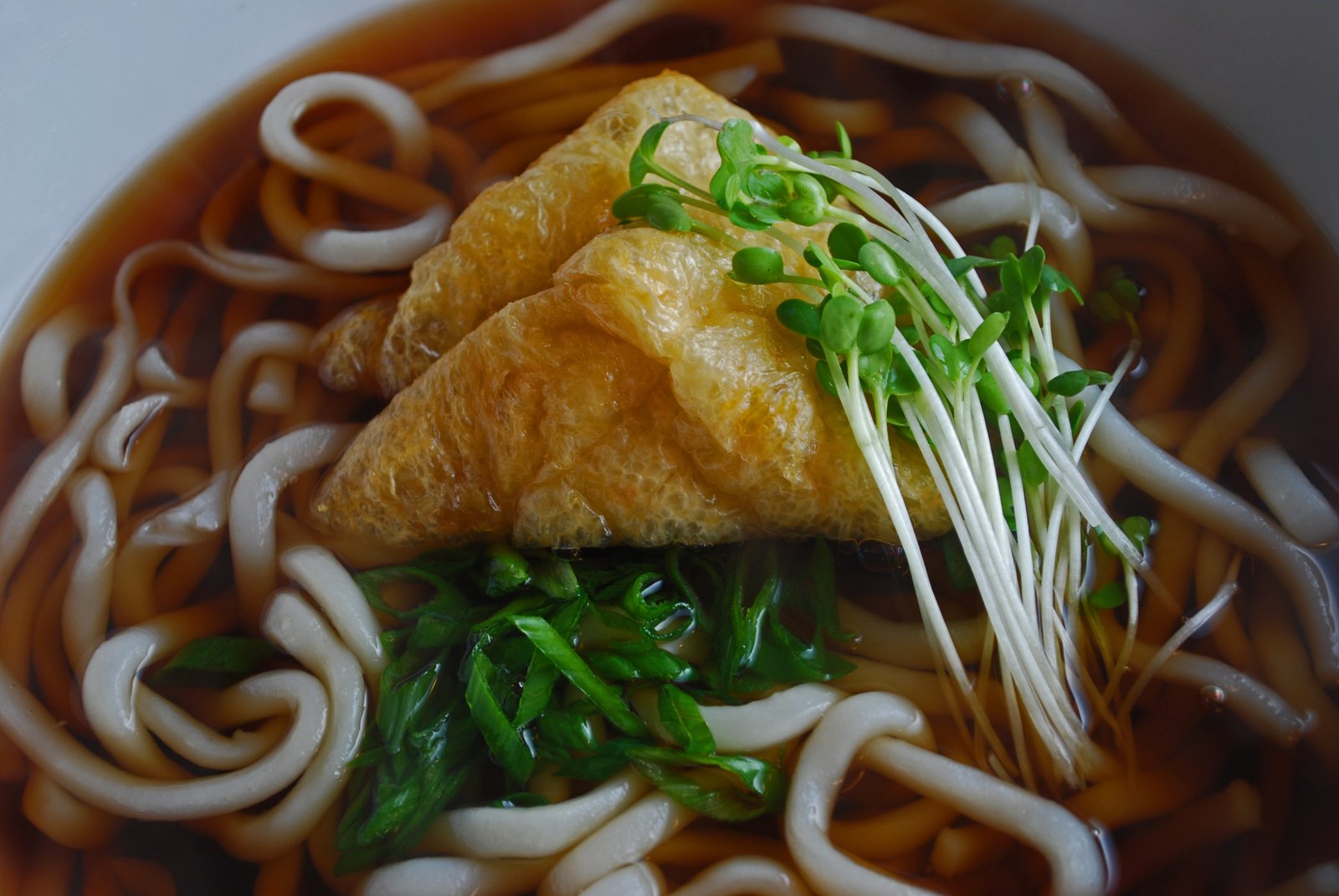
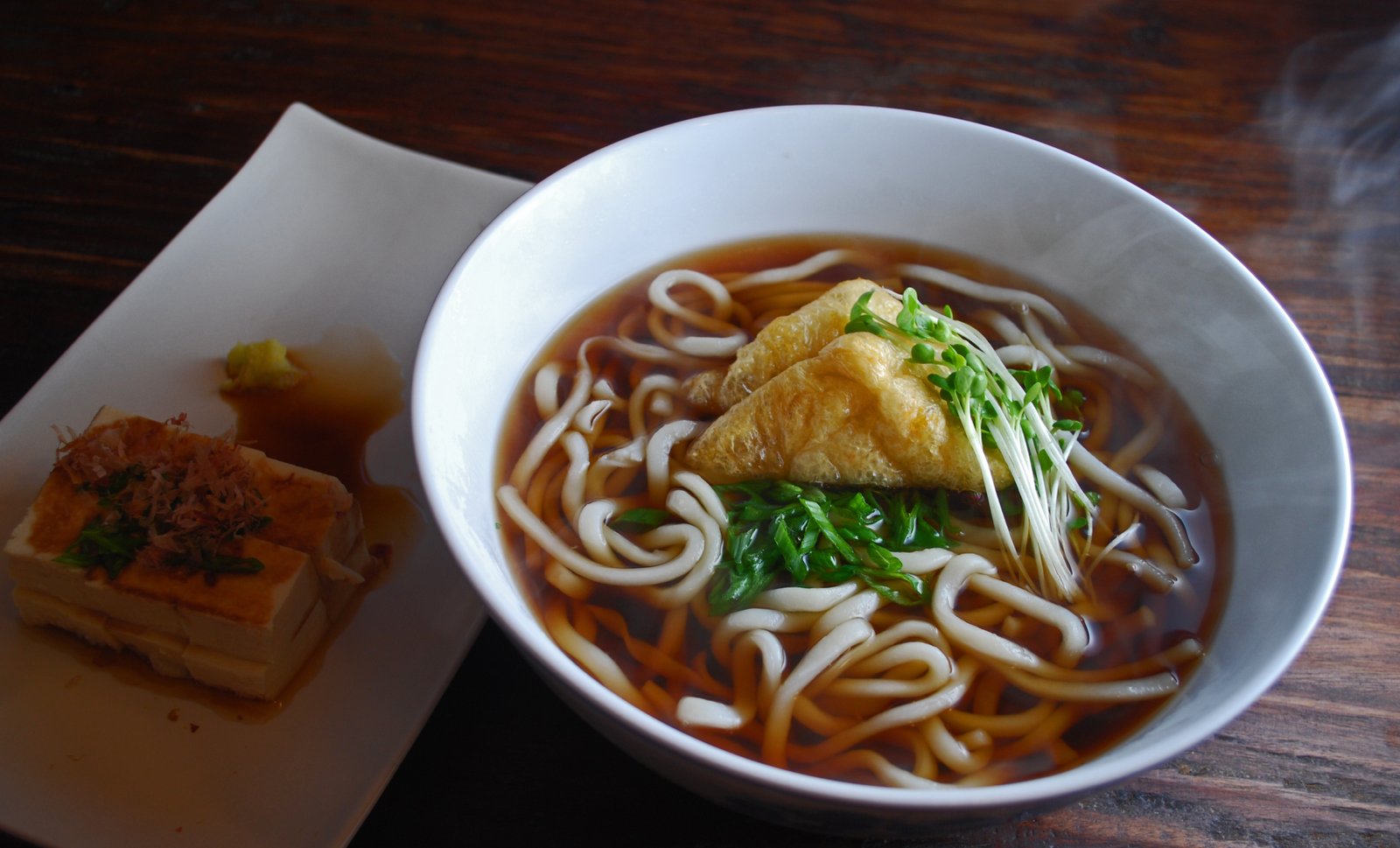
Time for something warm and comforting….. like maybe Kitsune Udon???

Udon01
Now using some prepared Tsuyu is very easy and convenient, and heck I even use hondashi (soup base) when I need a small quantity of dashi or dashi flavor. But making your own dashijiru is notUdon02 that hard, nor time consuming. Unlike many recipes, I enjoy a strong kombu flavor in my dashi. So I will usually steep the kombu in water at least four hours, and overnight if possible. Today I steeped the kombu for about six hours, from 10 am, to just after the football game. The rest was done in about twenty minutes. In other words, you could get the process going by placing the kombu in water before going to work, and make the dashi when you return home.

Udon03
Dashijiru

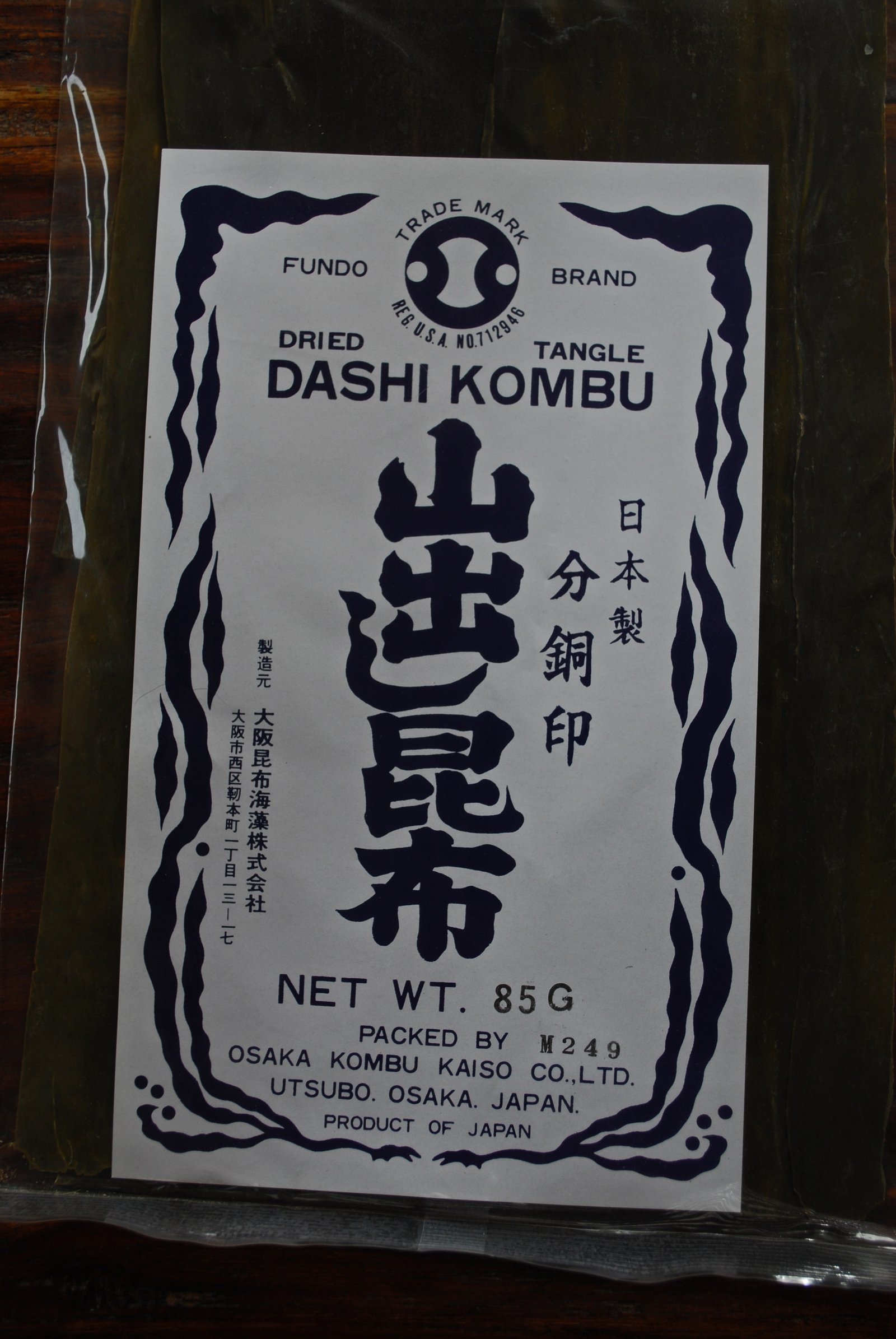
1 8×6 piece of Dashi Kombu wiped with a damp cloth or paper towel
8 Cups of water
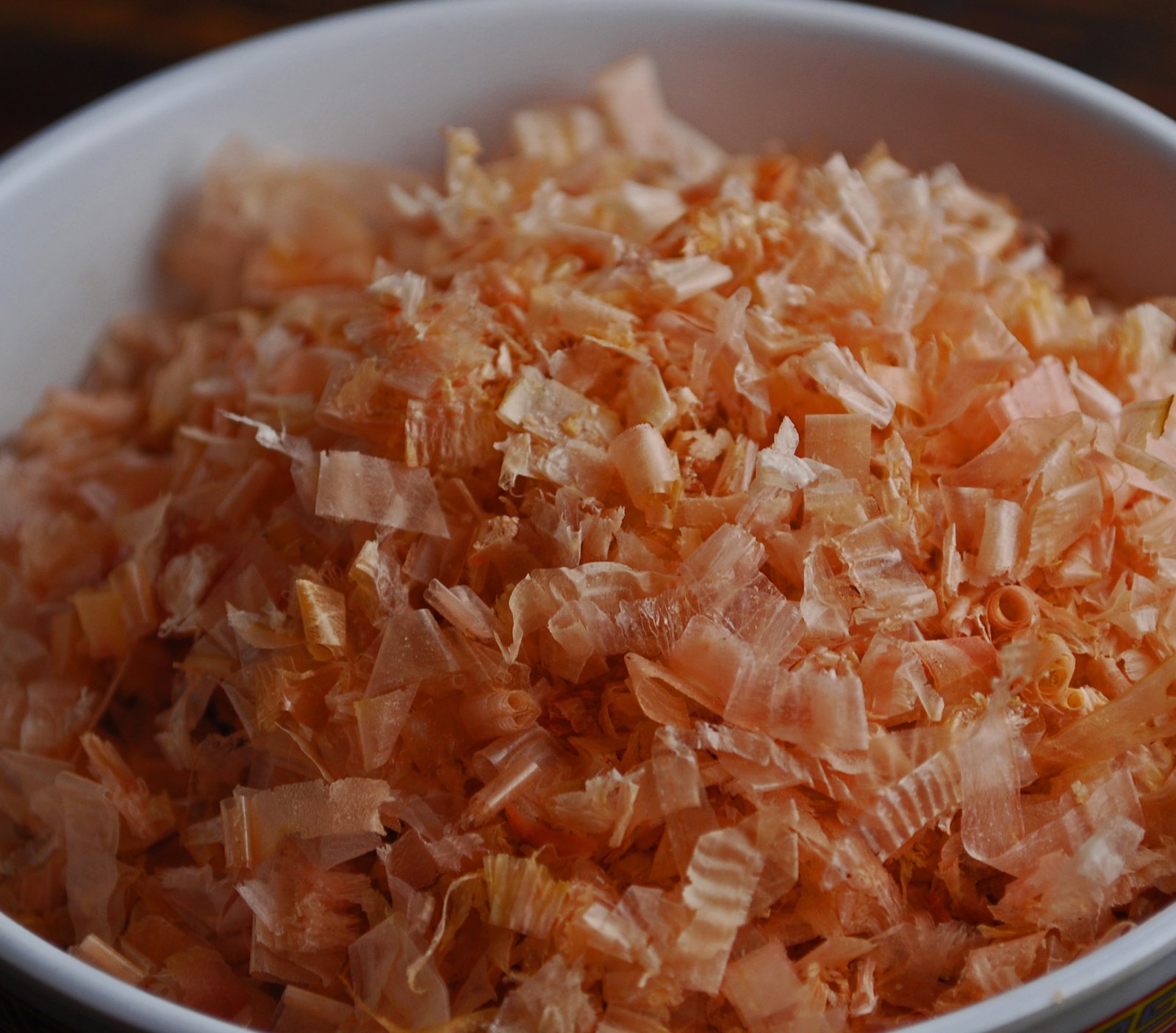
1 1/2 cup Kezurikatsu (shaved Katsuobushi)

– In a large container steep the kombu in water for at least 4 hours, or overnight if possible.
– When ready to prepare, place the kombu and water over high heat.
– When small bubbles start to appear remove the kombu (do not boil kombu).
– When the liquid begins to boil lower the heat and add bonito flakes.
– Simmer gently for two minutes, skim any foam that develops, and then remove from heat.
– Let the shaved bonito flakes sink to the bottom of the pot.
– Strain the liquid through cheesecloth or fine sieve. For this use, do not squeeze liquid out of the bonito flakes, this will make the broth cloudy.

Udon Kakejiru – Udon Broth

8 Cups Dashijiru
1/2 Cup Mirin
1/3 Cup Shoyu (Soy Sauce – Use a decent quality soy sauce)
1/4 Cup Sake
Salt to taste
Dash of White Pepper
Other items if desired (dried shrimp, niboshi, sugar etc….)

– Bring Kakejiru to a simmer
– Add soy sauce, mirin, and sake. Simmer to burn off alcohol.
– Taste and adjust flavor with salt, more soy sauce, other flavorings, etc.
– Bring back to a simmer.

Udon04 

Putting It Together:

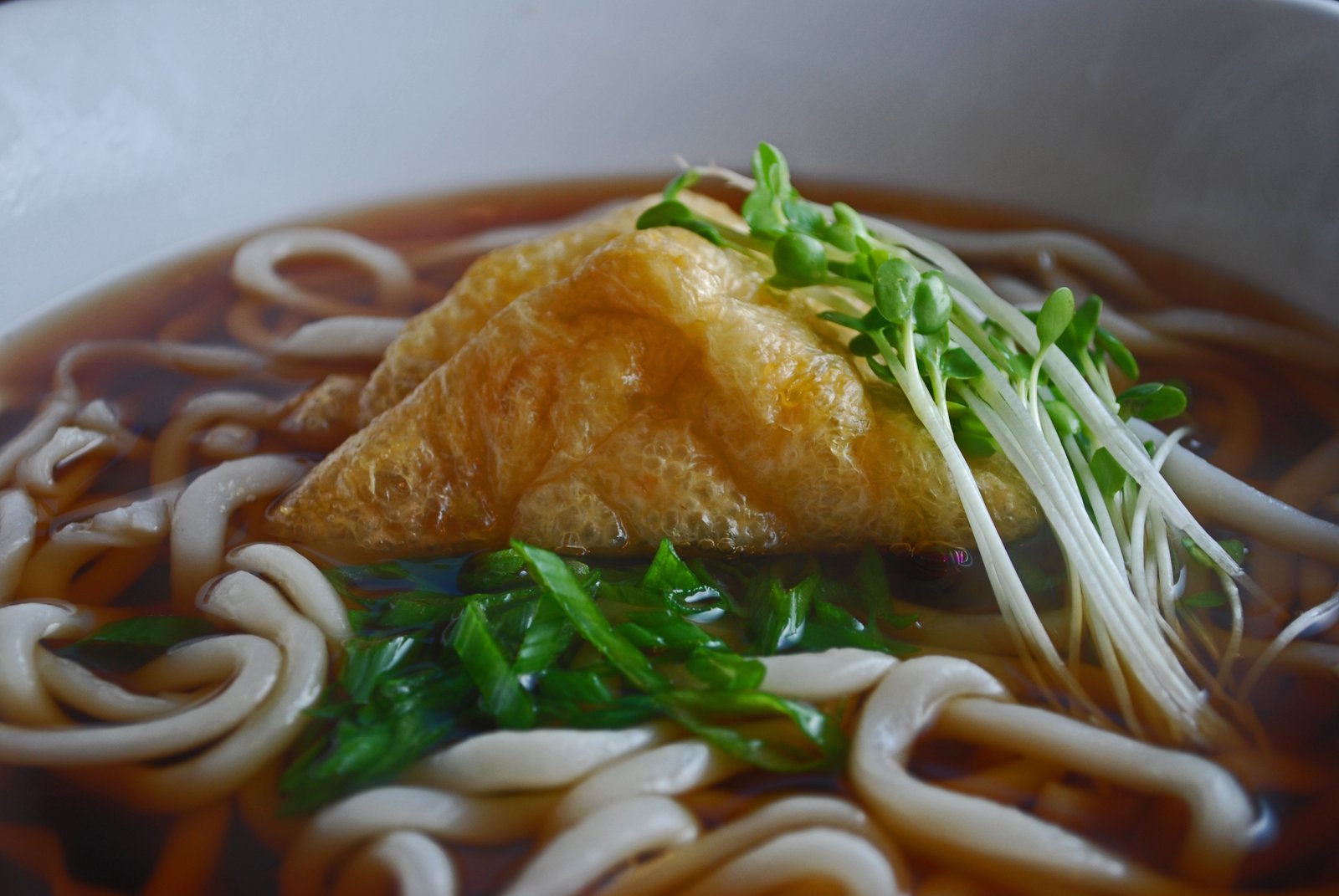
2 pieces Aburaage
Udon Noodles
Green Onions thinly sliced
Kaiware (Daikon Sprouts)
Other items as desired…….

– Prepare Udon Noodles in boiling water as specified.
– Pour boiling water over the aburaage to remove excess oil, and cut diagonally.
– Drain noodles, and place in the bottom of a bowl, pour kakejiru over noodles.
– Top with green onions, aburaage, kaiware, etc….

Udon05

Aaaahhh………

I hope everyone had a great, low-stress weekend!

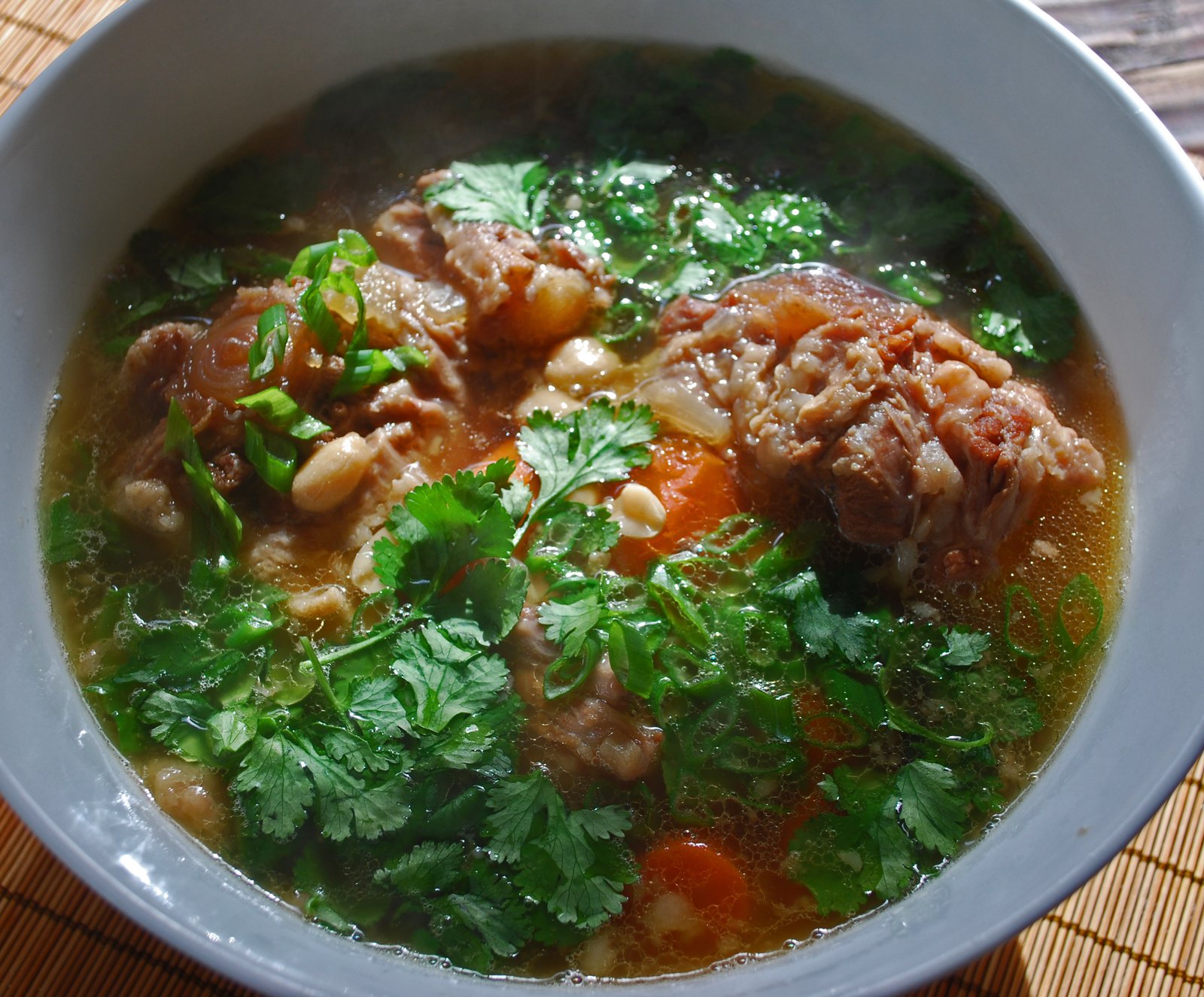
Kinda Local Kine Oxtail Soup

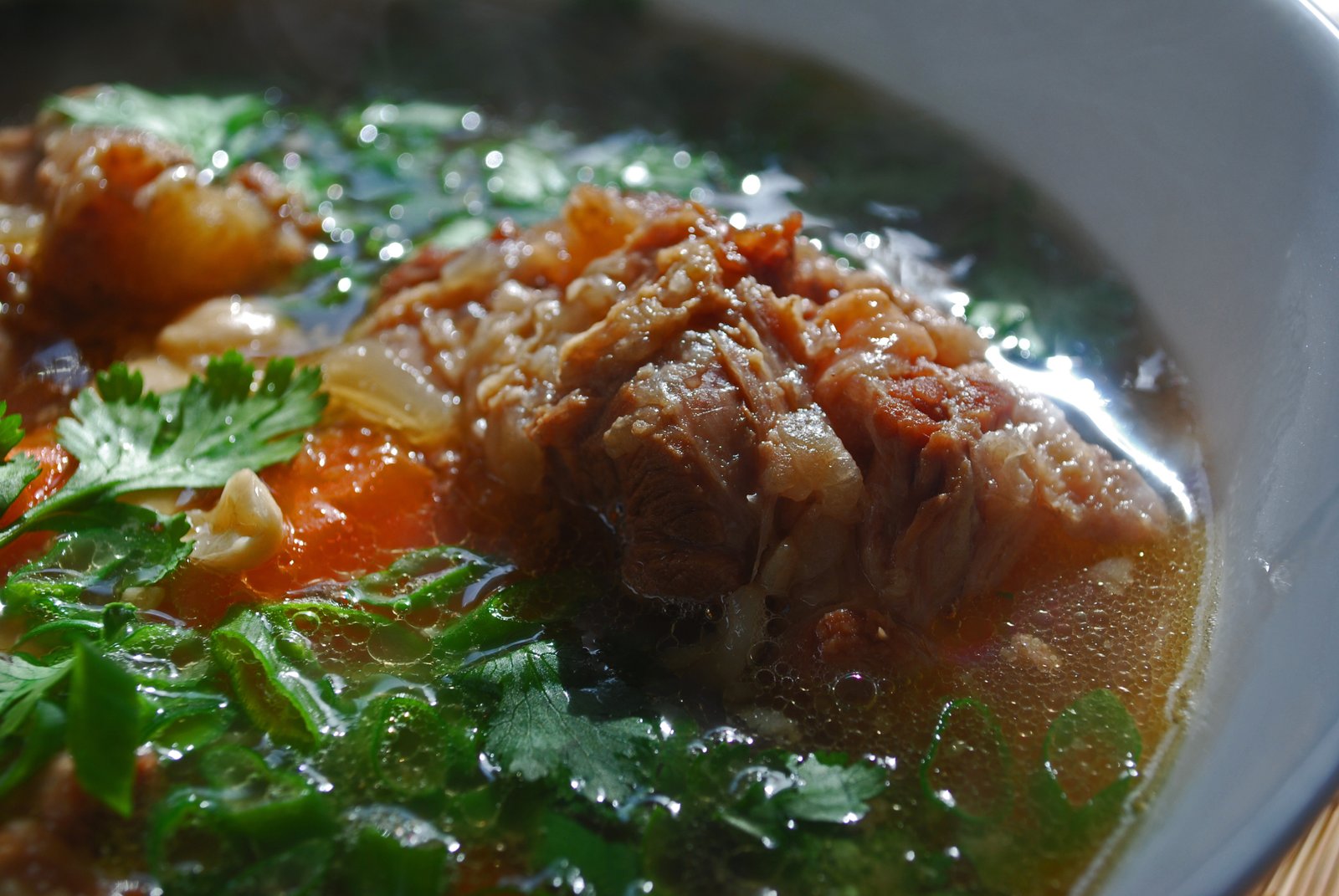
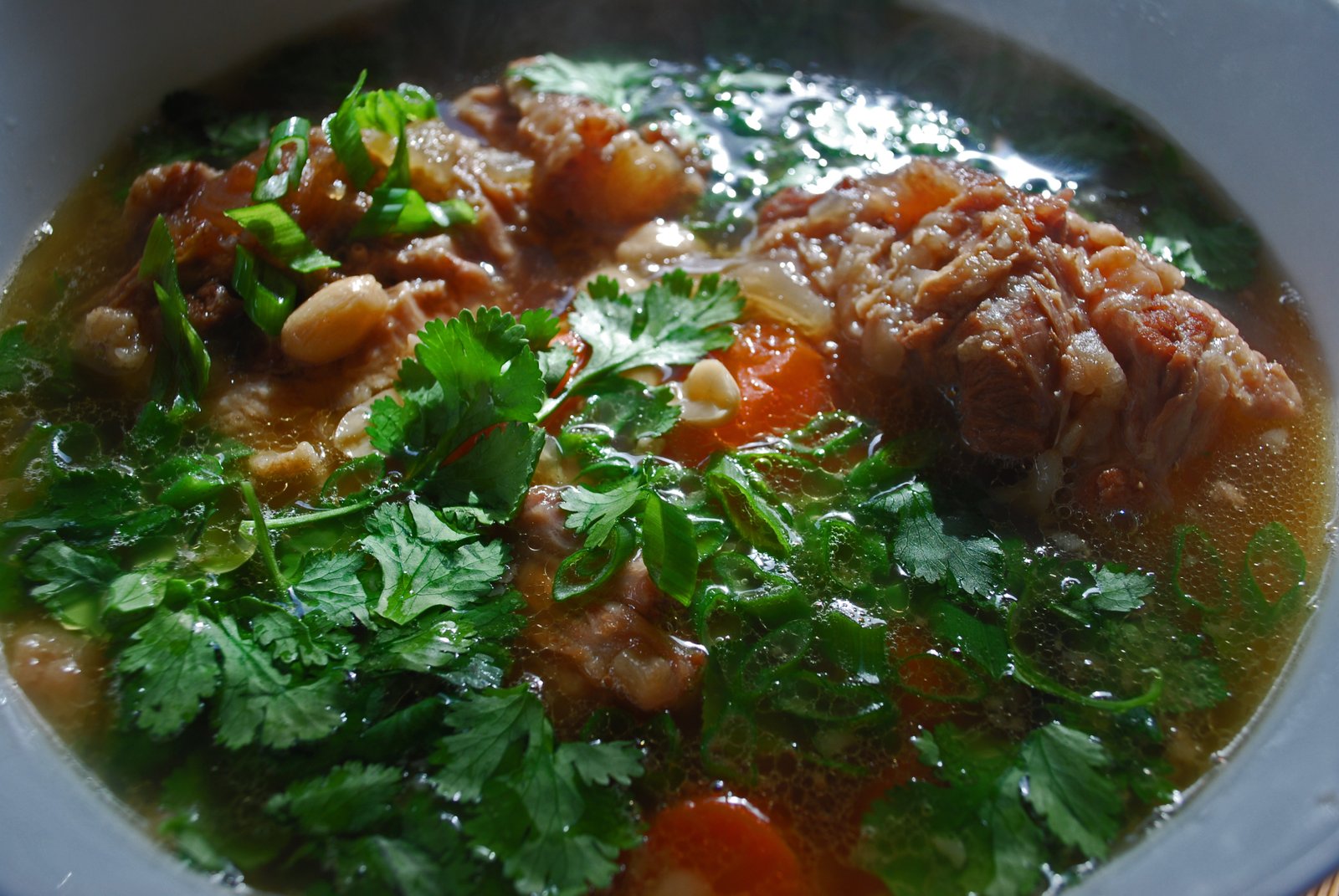
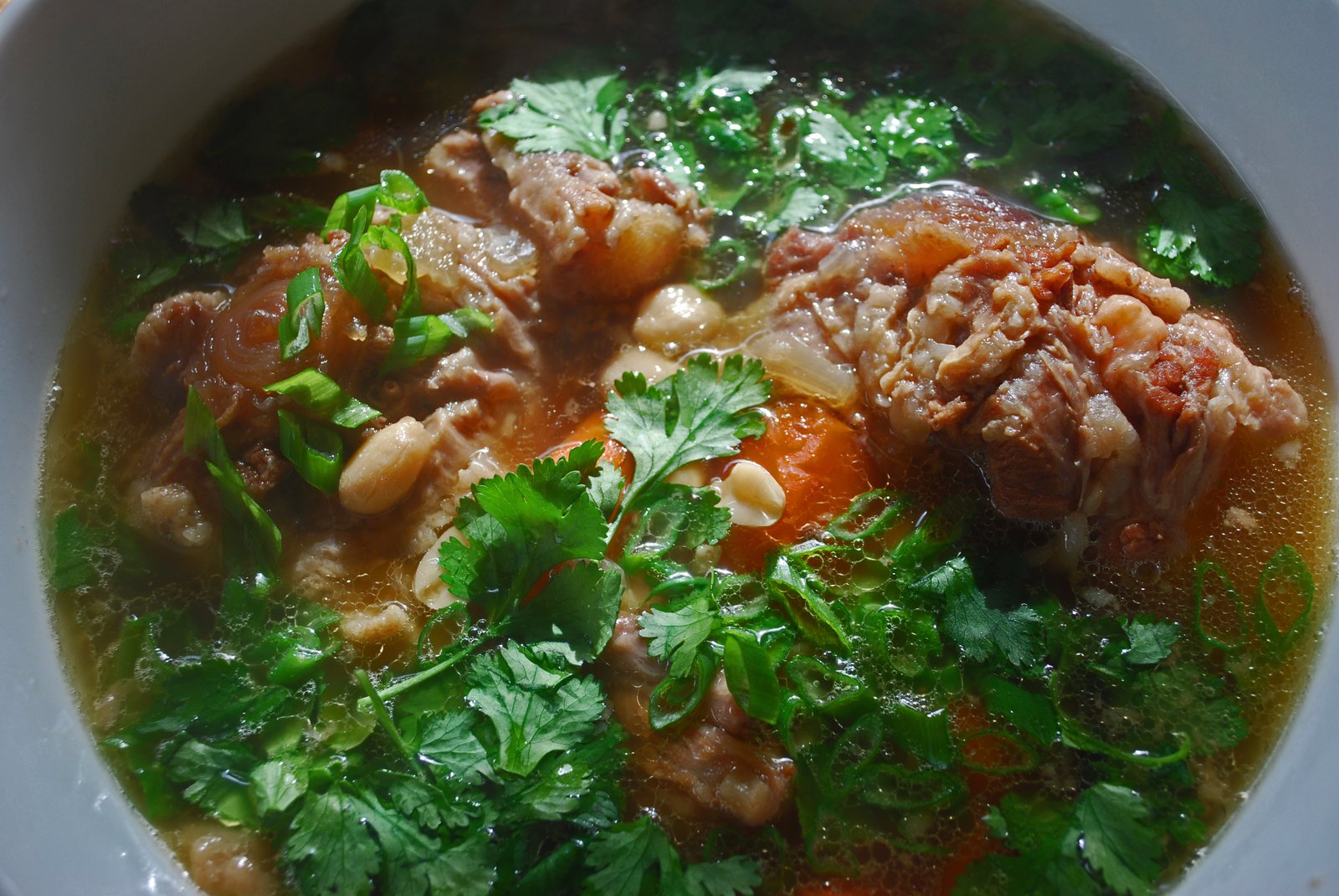
This one along with Portuguese Bean Soup and Chicken Hekka will complete my "trilogy" of old-school local kine dishes. The "local kine" version of Oxtail Soup with the use of ginger, citrus peel, and star anise is undoubtedly Chinese in origin. In fact, when I make this, the Missus will always remind me that the scents involved remind Her of China. It sure does warm you up on a cold day…..

OxtailSoup01
There's a major difference between what I make and the traditional clear broth Oxtail soup. Many years ago, I was doing sales work. Part of the job was helping these Mom and Pop markets and superettes do inventory. It was basically done during nights and weekends. At the end of the process, we'd be fed, and the food was provided in pretty large quantities, as the poke and deli cases would be emptied, and several hot dishes would be provided. At one of those markets, one of the owner's Father, an elderly Chinese Man made some killer Pig's Feet and Oxtail Soup. It was on the dark side and full of flavor. After downing two large bowls of the stuff, I mentioned how much I loved the Oxtail Soup. The old man put his hand to the side of his mouth and stage whispered; "it's nothing, just shoyu(soy sauce), whiskey, and sesame oil." I've made my soup with shoyu ever since then.

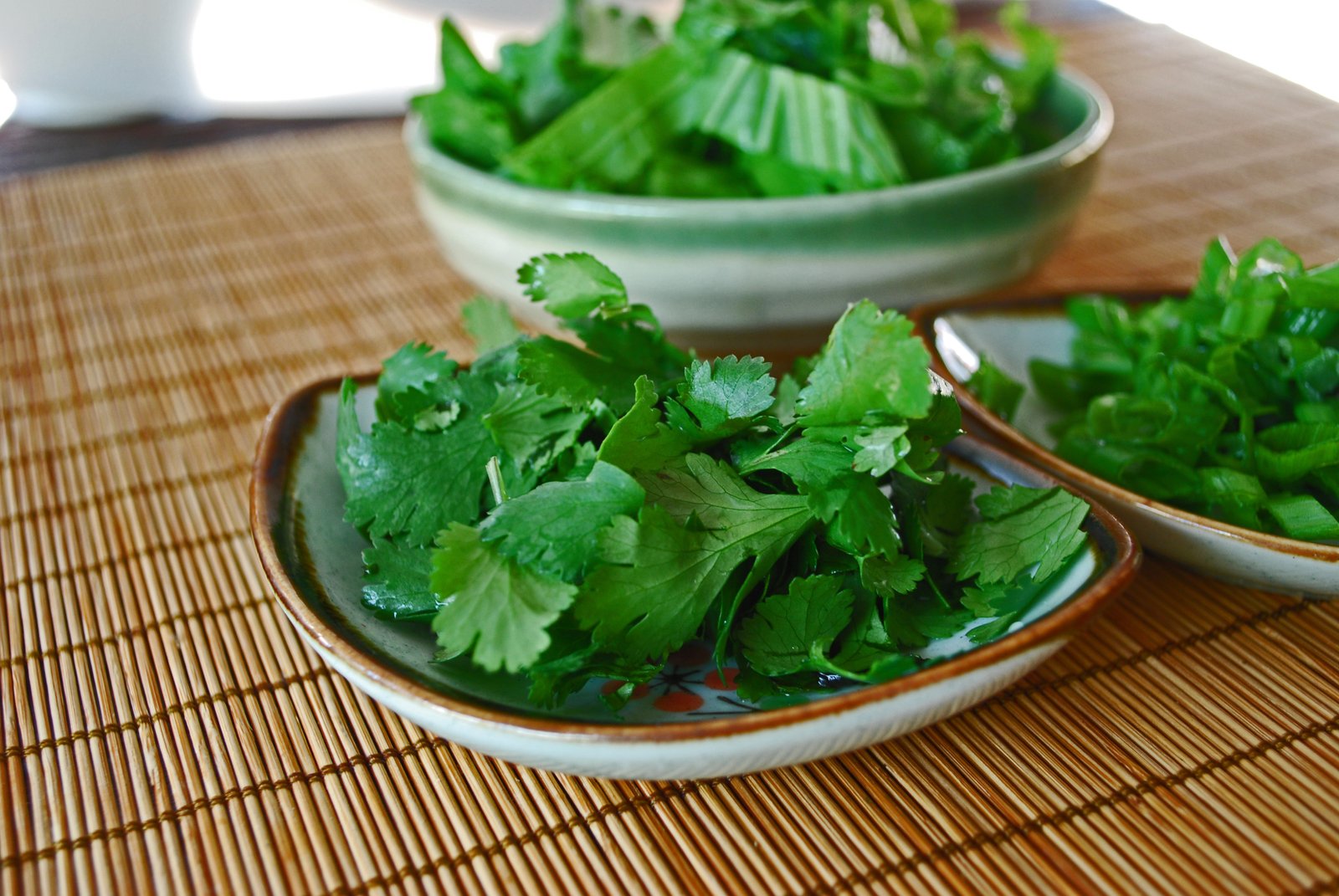
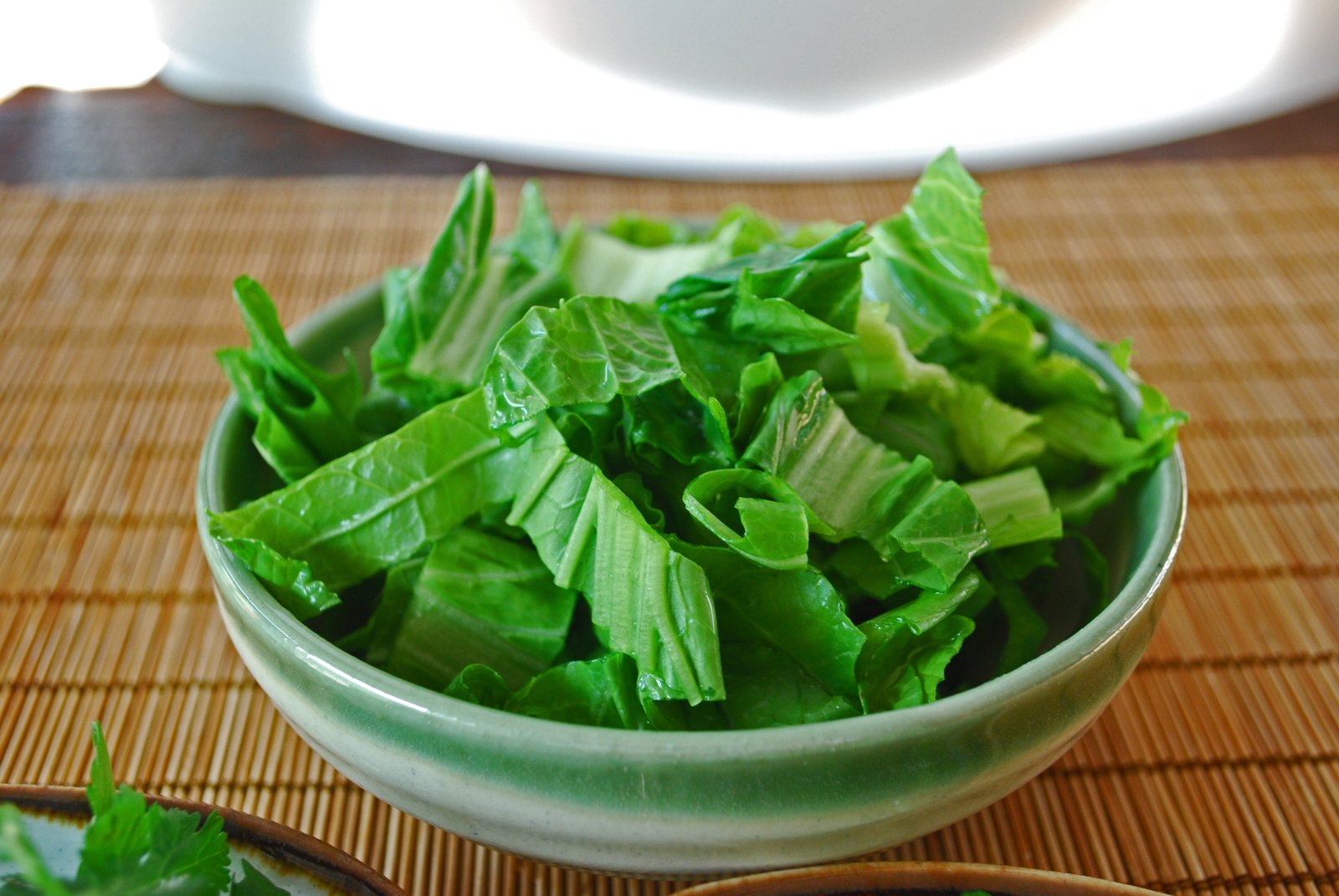
OxtailSoup02As for some of the details; I trim about two-thirds of the excess fat off the oxtails. I also do a quick blanching of the oxtails, followed by a rinse to remove blood, and other impurities. In the place of whiskey, I add Shao-sing wine (drinking quality). I garnish with cilantro and scallions, with a dish of grated ginger and shoyu. I also place some chopped greens in the bottom of the bowl before ladling in the soup. I like the mild bitterness and the crunchy texture that the greens add to the dish.

OxtailSoup03
OxtailSoup04

I also rest the soup overnight, this allows the flavors to set. I can also skim off excess fat, controlling the oil in the broth. I place the carrots in the broth right before removing it from heat. The residual heat will cook the carrots, the lack of a boiling motion will allow the carrots to keep it's shape. As for simmering time, it's usually 2-3 hours. I like my oxtails soft, but not disintegrating into a zillion little pieces.

OxtailSoup05 
OxtailSoup06

This might sound like a lot of work, but like everything I make, it is pretty easy. As always, feel free to adjust to taste. Some folks want a clear broth Oxtail Soup, so refrain from adding the shoyu and wine. If you like more ginger, go for it, and so forth.

OxtailSoup07
Kinda Local Kine Oxtail Soup:

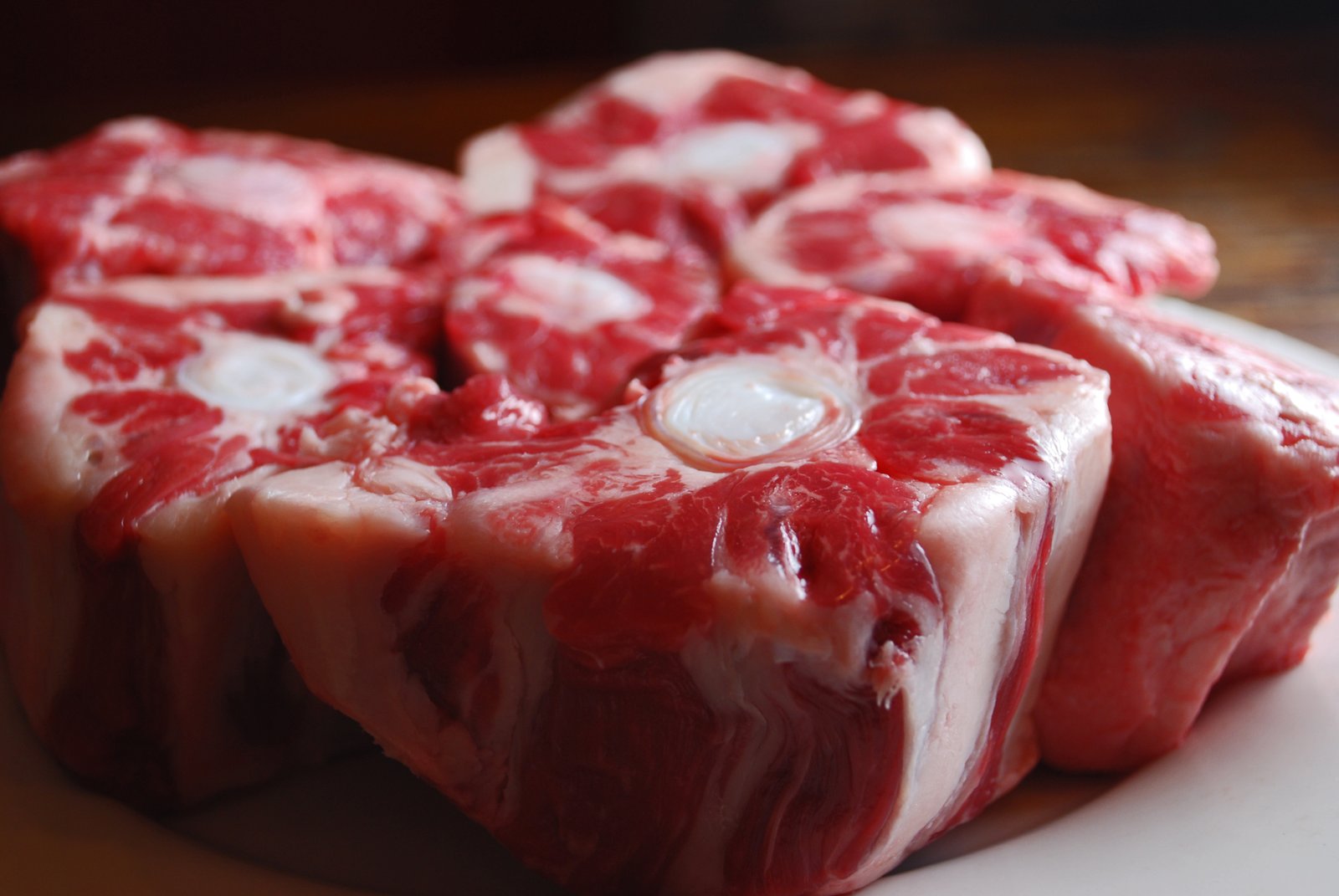
3-5 lbs of Oxtails, excess fat trimmed
1/2 lb skinned raw peanutsOxtailSoup08
2 medium onions sliced in wedges
2-3 star anise
1 3" piece of ginger crushed

2 cloves garlic smashed
2 pieces dried citrus peel
1/2 Cup premium soy sauce
1/3 Cup Shao-sing wine
3-4 carrots chopped
Salt to taste
A Dash of White Pepper
Sesame Oil to taste
chopped mustard or similar greens (optional)

Garnishes – scallions, cilantro, a small dish of grated ginger and soy sauce.

– Bring a pot of water to a boil. Add oxtails and par-boil briefly. Empty the pot into a large colander and rinse the blanched oxtail under running water.
– Place oxtails in a pot and cover with cold water to about 4 inches over the oxtails
– Bring the oxtails to a boil, and skim off the scum and foam.
– Add peanuts, onion, ginger, garlic, citrus peel, and star anise.
– Bring the soup back up to a simmer. Add soy sauce, wine, and a dash of white pepper.
– Simmer for 2-3 hours until oxtails are tender, but not falling into pieces.
– Remove from heat, add carrots and let cool.
– Taste and add salt, sesame oil, and more soy sauce if desired.
– When the soup has cooled, place in the refrigerator overnight.OxtailSoup09
– Before heating, skim off fat to your desired taste.
– The soup should be piping hot when served. When heating be sure to check and adjust flavor.
– Place greens, if using on the bottom of the bowl, and ladle soup out.
– Garnish with cilantro and scallions.

OxtailSoup10
Santos has a wonderful recipe for Oxtail Soup which you can find here.  

Chicken Hekka (with one modification)

I'm guessing that not too many folks here on the mainland have heard of Chicken Hekka……

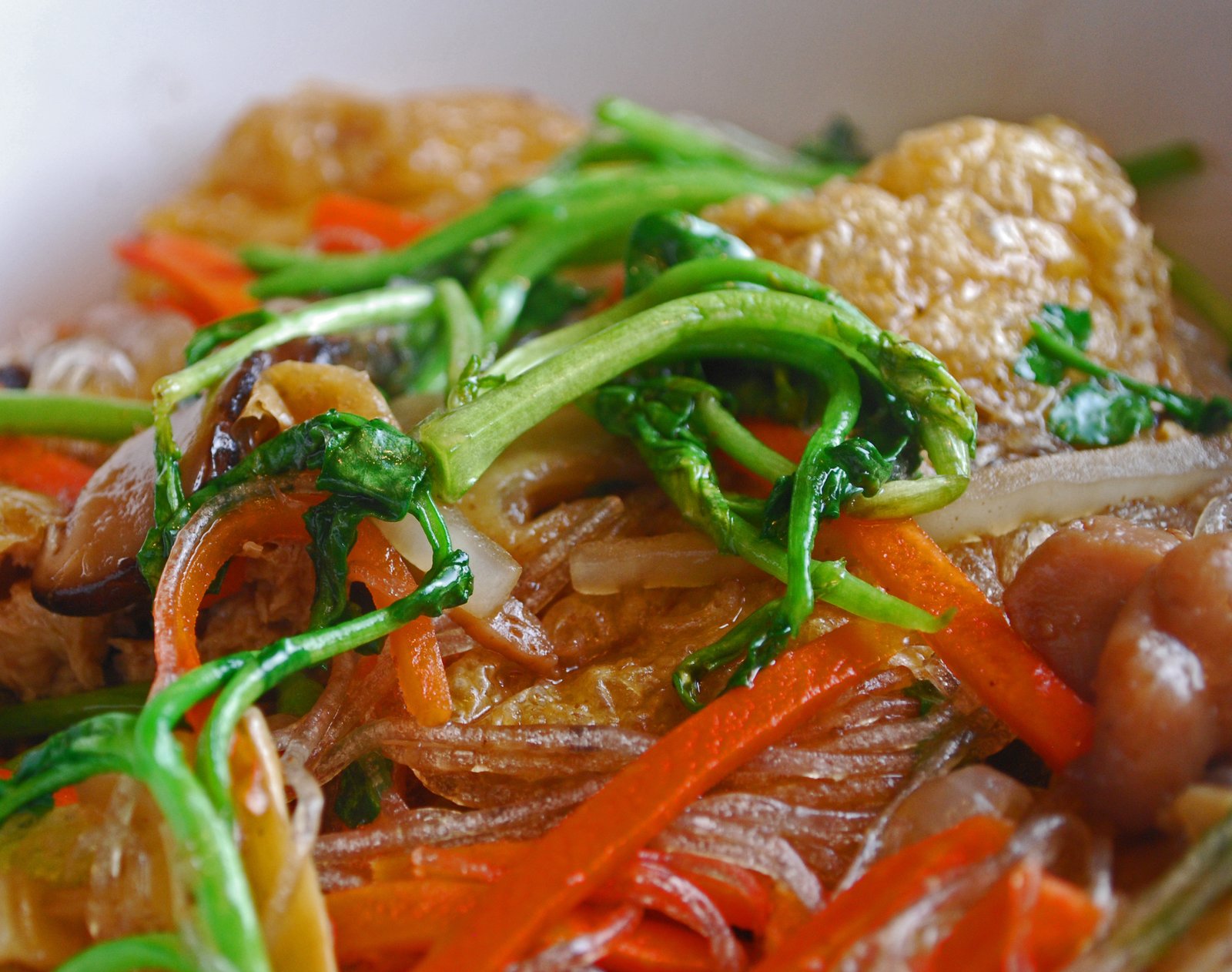
So what is Chicken Hekka? Well, most folks I know, and my Mom called it "Chicken Sukiyaki", though I thought it was a bit different than the Sukiyaki I know. There's also a Chinese influence, the addition of bean thread and ginger, and the use of white pepper for flavoring. So I'm not quite sure……..

ChickenHekka01
 I can say that it was a nice post-Thanksgiving meal, and really hit the spot on a very rainy day….the first one in over 160 days here in San Diego.

ChickenHekka02 About fifteen years ago, I modified my recipe after seeing a version in Sam Choy's cookbook, With Sam Choy. I did make a couple of changes, including ratios, and not including cornstarch in the marinade.The one thing I took from that recipe was first creating a marinade for the chicken, in addition to the "warishita". That was the last bunch of changes I made, the last time I made this, maybe thirteen of so years ago.

There's one thing you'll quickly notice when looking at the photos of the Chicken Hekka:

ChickenHekka06
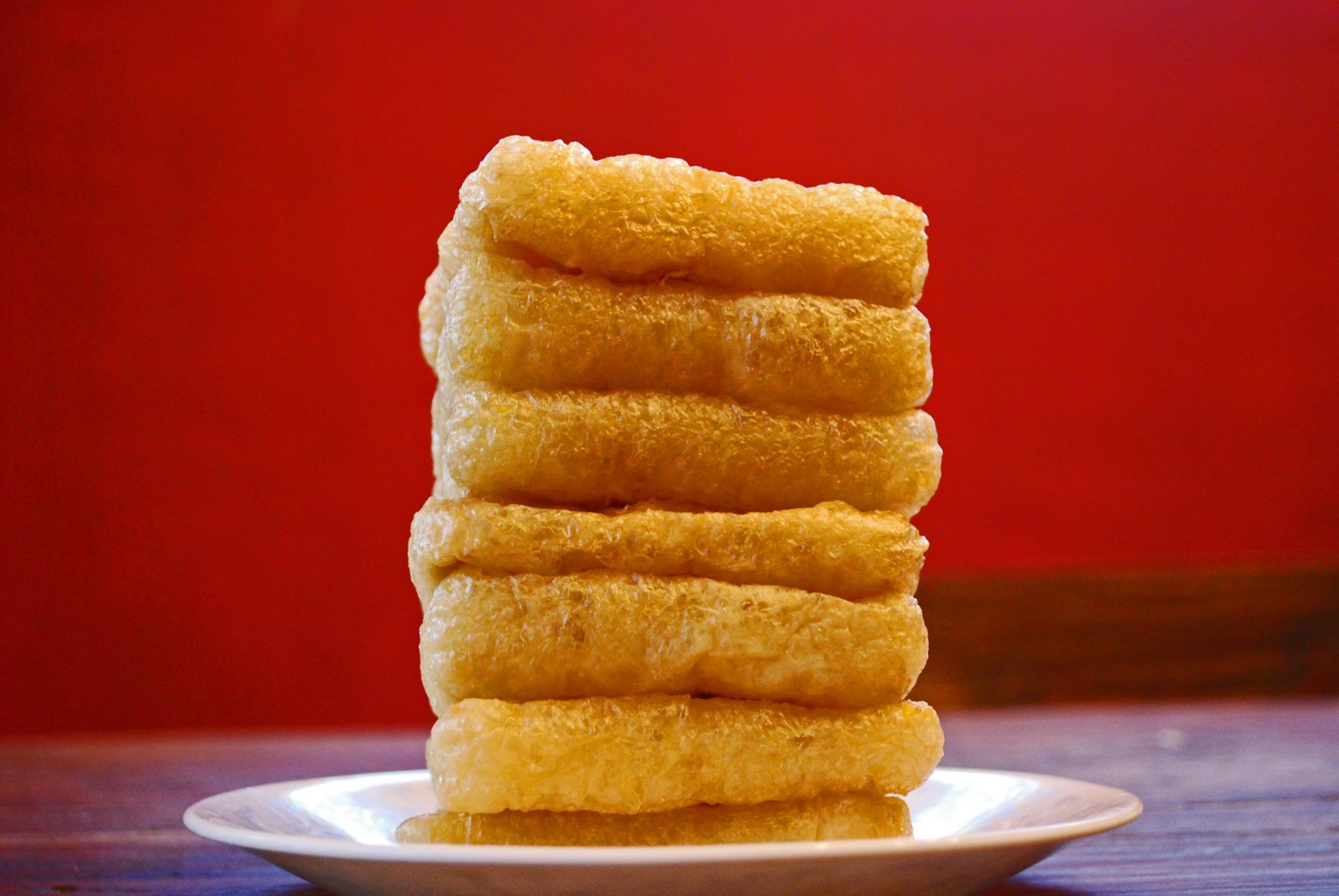
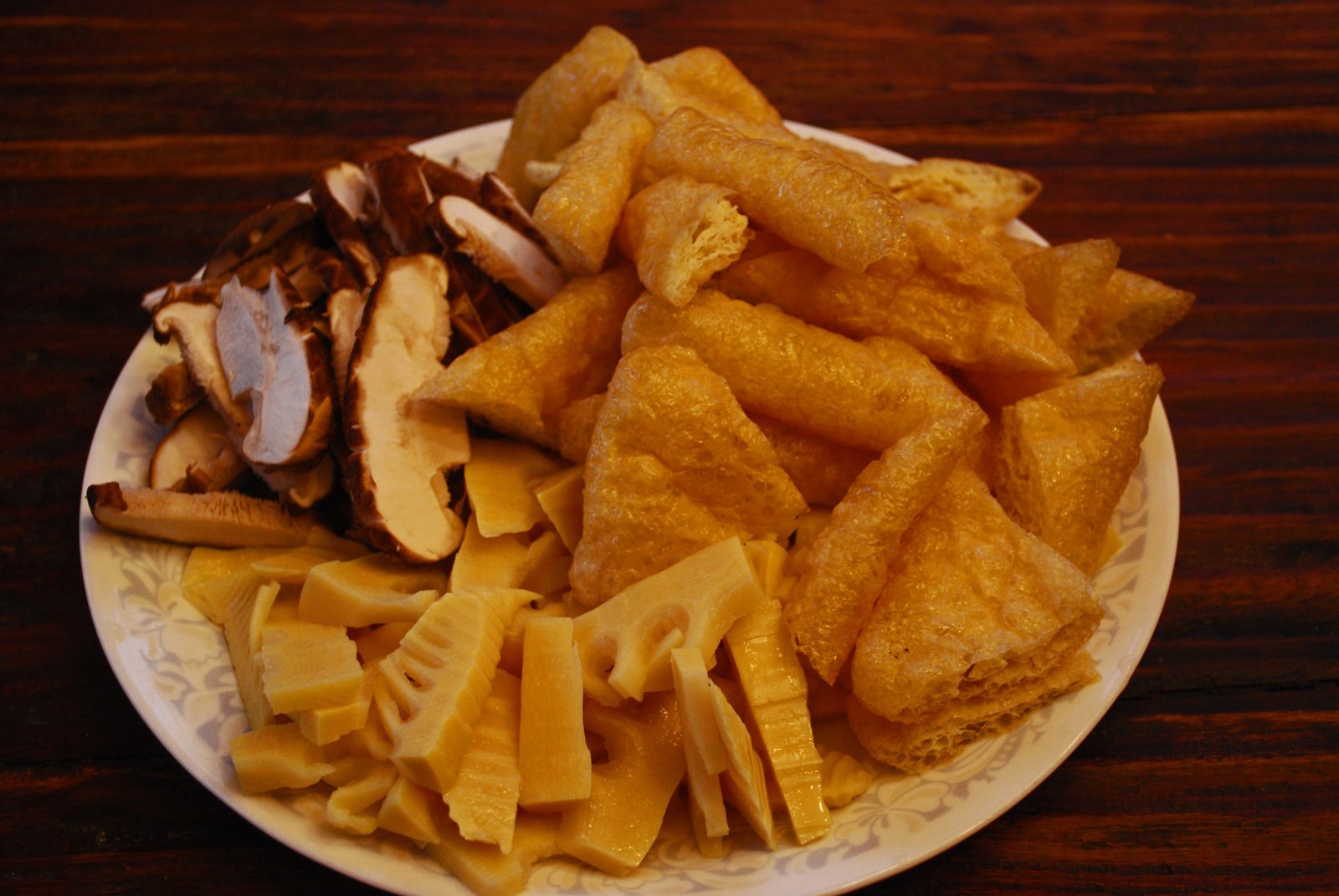
Where the tofu??? To be perfectly frank, I forgot to buy tofu….sigh. Call it Karma for kidding Kayako of Umamimart for running out of rice. Since it was raining pretty hard, I decided to try to improvise.ChickenHekka03 What I did have was some aburaage in the freezer, so I thawed that out, and quickly poured some boiling water over it remove the oil from the exterior. I cut the pieces crosswise into triangles and used that in place of tofu. And to be honest, I loved the fried tofu flavor and the aburaage also soaked up all the wonderful flavor of the sauce, so this might be the permanent change…..I'm thinking even thawed frozen tofu, which would soak up liquid like a sponge would work well too.

I also pour some boiling water over the bamboo shoot to remove the smell, which some find unpleasant. Again this is a pretty simple recipe……..

ChickenHekka04 
 Chicken Hekka

1 – 1 1/2 lb boneless skinless chicken thighs cut into cubes

Chicken Marinade:
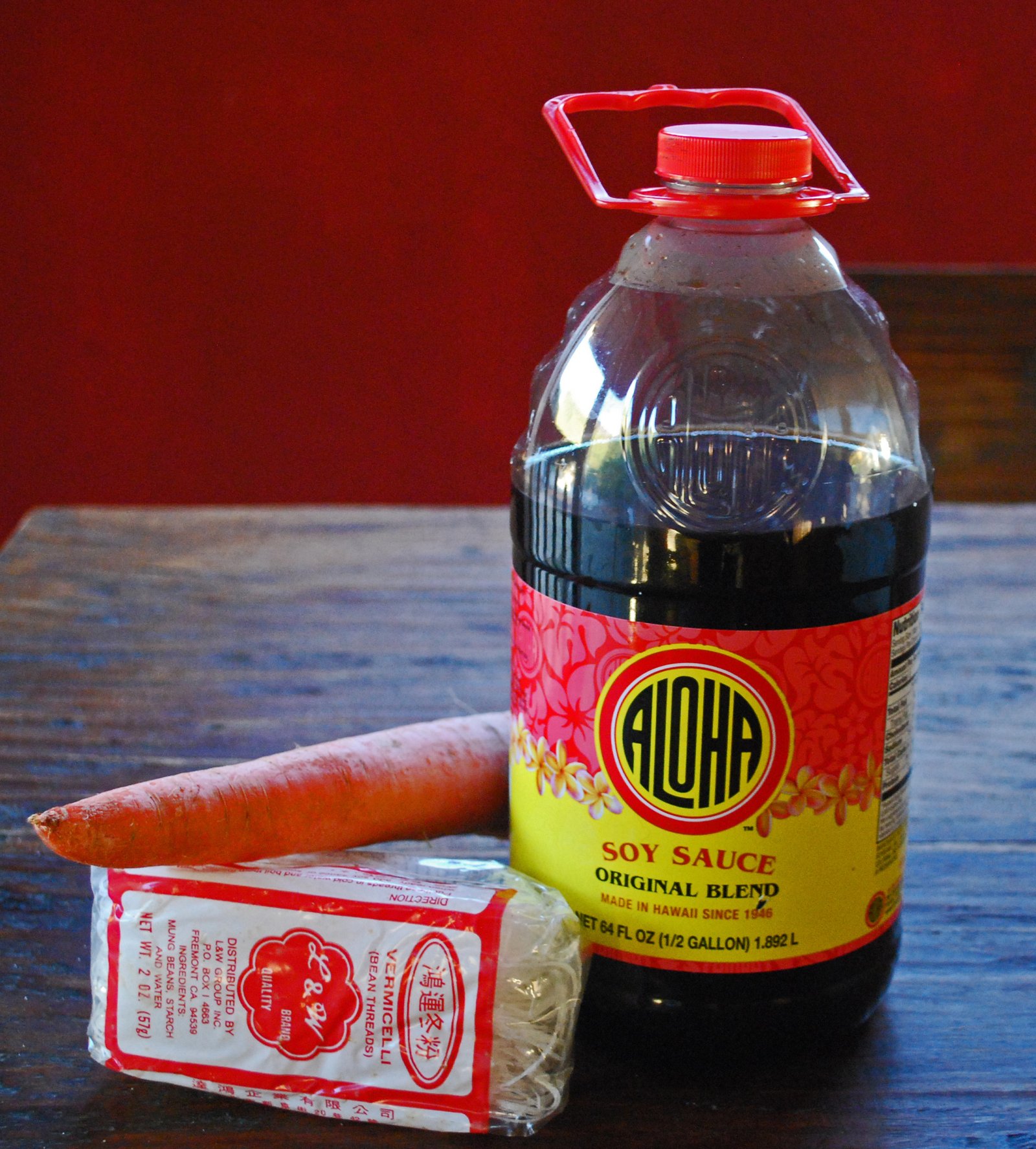
1/2 Soy Sauce (I use Aloha Shoyu – old habits die hard)
2 Tb Mirin
2 Tb Dark Brown Sugar
2 cloves of garlic minced
1 Tb ginger grated
Dash of white pepper
1/3 Cup Canola Oil

Sauce:
3/4 Cup Soy sauce
1/3 Cup Brown Sugar
1/3 Cup Mirin
1/3 Cup Water

2-3 Tb Canola Oil
1-2 packages of Long Rice (bean thread)ChickenHekka05
1 15 oz can of Bamboo Shoots sliced
8 oz Shiitake Mushrooms sliced
1 medium onion sliced
1 cup julienned carrot
2 stalks celery sliced
1-2 bunches watercress cut into 1" lengths
5-6 stalks green onion, green part only sliced in 1" lengths
1 2" piece of ginger crushed
1 Block of Tofu cubed or 4oz Aburaage cut into triangles

– Combine marinade items and marinate chicken for 30 minutes
– Combine sauce ingredients
– After marinating for 30 minutes or so. Heat a pot or wok over medium heat.
– Add 2-3 Tb of Canola Oil. Drain chicken and saute with crushed ginger until chicken starts to brown.
– Add the remaining marnade and bring to a boil
– Add onion, carrots, bamboo shoots, and celery and saute for a minute.
– Add the sauce, shiitake mushroom, aburaage(if using) and bean thread, mix, and bring to a simmer.
– Simmer for 3-4 minutes.
– Add watercress and tofu (if using), mix gently, bring back to a simmer, and turn off heat.
– Add green onions before removing from heat.

And yes, you'll need rice for this dish….

ChickenHekka06
A Chicken Hekka Story:

Yes, just like my Portuguese Bean Soup, I've got a Chicken Hekka story. The first time I recall having Chicken Hekka was in a garage in Lahaina, Maui. My Mom was from Maui, and we had to return for a funeral. Being just a "Keiki" (this was over 35 years ago), I was quite overwhelmed by all the folks…."uncles" and "aunties" that I had never met, and have never seen since.  There was a gathering, and in the garage there was a large cast iron pan of "Chicken Hekka" being made.  This was "Uncle's" special Chicken Hekka, and he held court, a bottle of Primo in hand. I distinctly remember being mesmerized by the bubbling pan of Hekka. "Uncle" noticed and squatted down…..I instantly caught the scent of pomadeOld Spice, and Primo….. In a whisper, "Uncle" asked me, "you wanna know da' secret of da' hekka?" It was not a question to be answered….. "Uncle" pointed to his bottle of Primo, "it's dis'…….da' secret." Fascinated, I watched "Uncle" making his Hekka and never noticed Primo being added. But the thing that I was most amazed by was that no matter how much Primo he drank, that bottle always seemed full. Hmmmm, the mystery of the unending bottle of Primo…….

Thanks for reading……no worries, a post of San Diego restaurants is coming up tomorrow!

Local Kine Portuguese Bean Soup

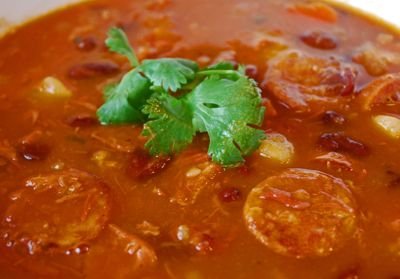
Overall, I think these are more cooking notes than a true recipe, as every version of this dish I've had has been different. I also call it "Local Kine" simply because, as with many dishes in Hawaii, it has been mixed with many "local" influences.

PBS01

According to the timeline on Hawaiian-roots.com, the first large groups of Portuguese arrived in Hawaii in 1878. When the Portuguese arrived on the shores of Hawaii, they brought with them a variety of "food stuffs" that reflected the influences of a cuisine that had been traveling between the Old and New World for over 400 years. Even though at first glance, it would seem that the Portuguese is rather under-represented when compared to other cuisines in Hawaii, a closer look shows a large influence. For example, malsadas, or how's this, that King's Hawaiian Sweet Bread….. is a version of Pao Doce. And the real winna' as we would say, is what we call "Portuguese Sausage", a local version of Linguica. A simple breakfast trip to McDonald's when in the islands will quickly reveal how deeply embedded Portuguese Sausage is……. McDonald's serves Portuguese Sausage, Eggs, and Rice for breakfast. Or if you're really hungry, you can get the "Local Deluxe Breakfast". Portuguese Sausage, Spam®,  Eggs, and Rice. 

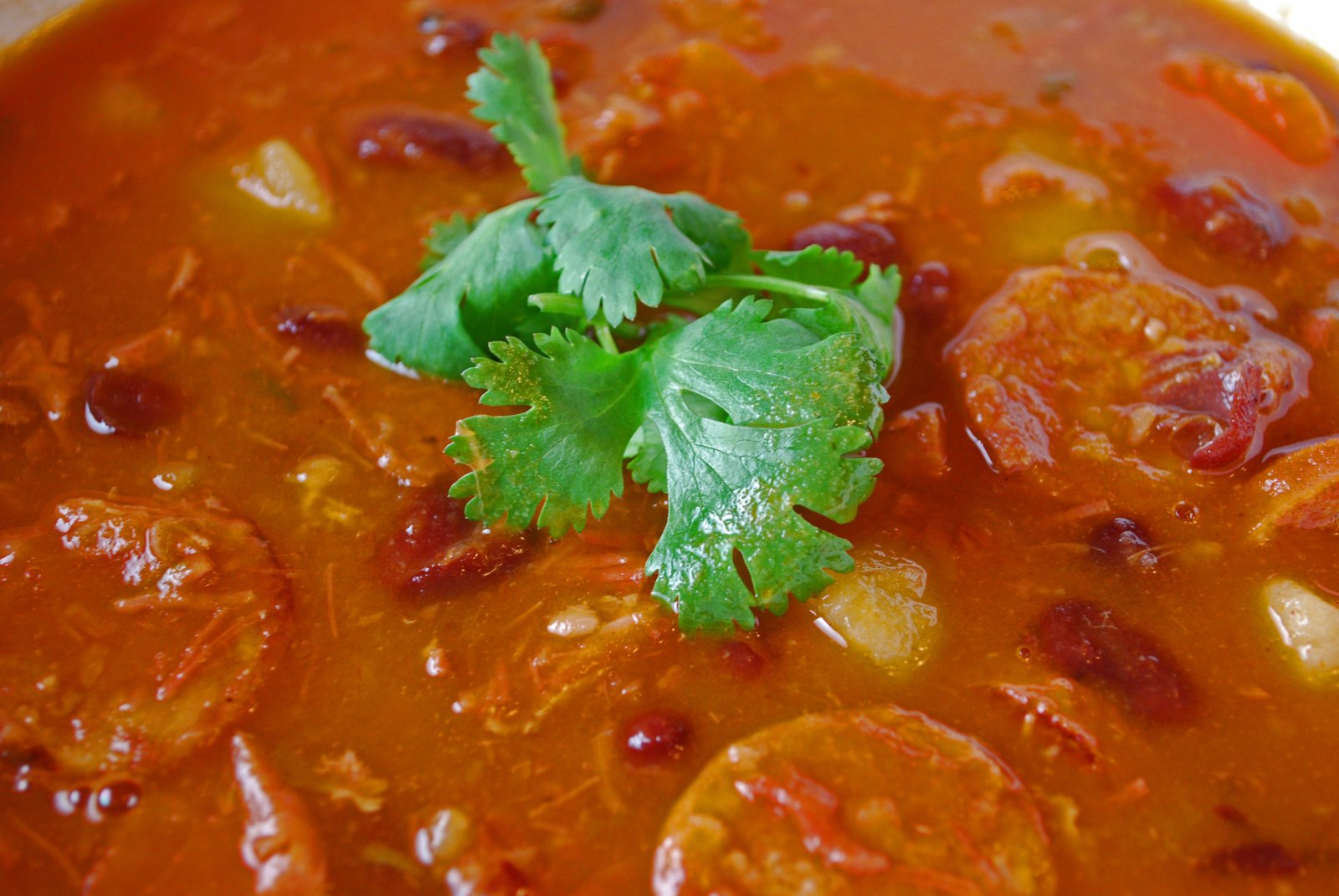
Of course this version bears no resemblance to the two, so called "real" versions of Portuguese Bean Soup I had, one of which had collard greens and no linguica, and the other had chayote. Also, the first version had a pretty intense anise and clove flavor. And I'm also guessing it may not resemble versions you've had of this soup in Hawaii, many of which will use chopped smoked ham, cabbage, and other stuffs. My soup is also bit more hearty, and perhaps uses a bit less kidney beans, mainly because part of the target audience really doesn't care for beans.

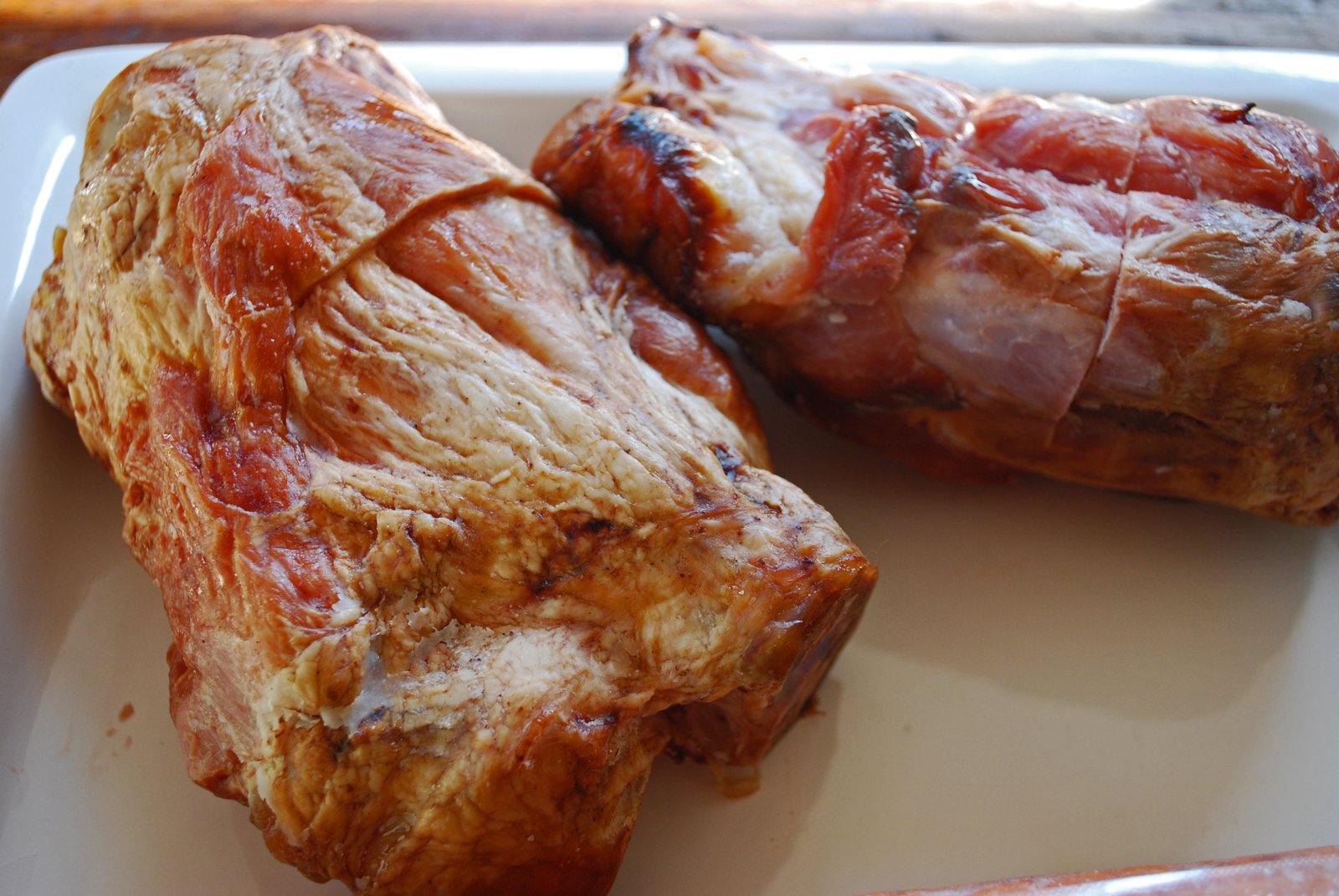
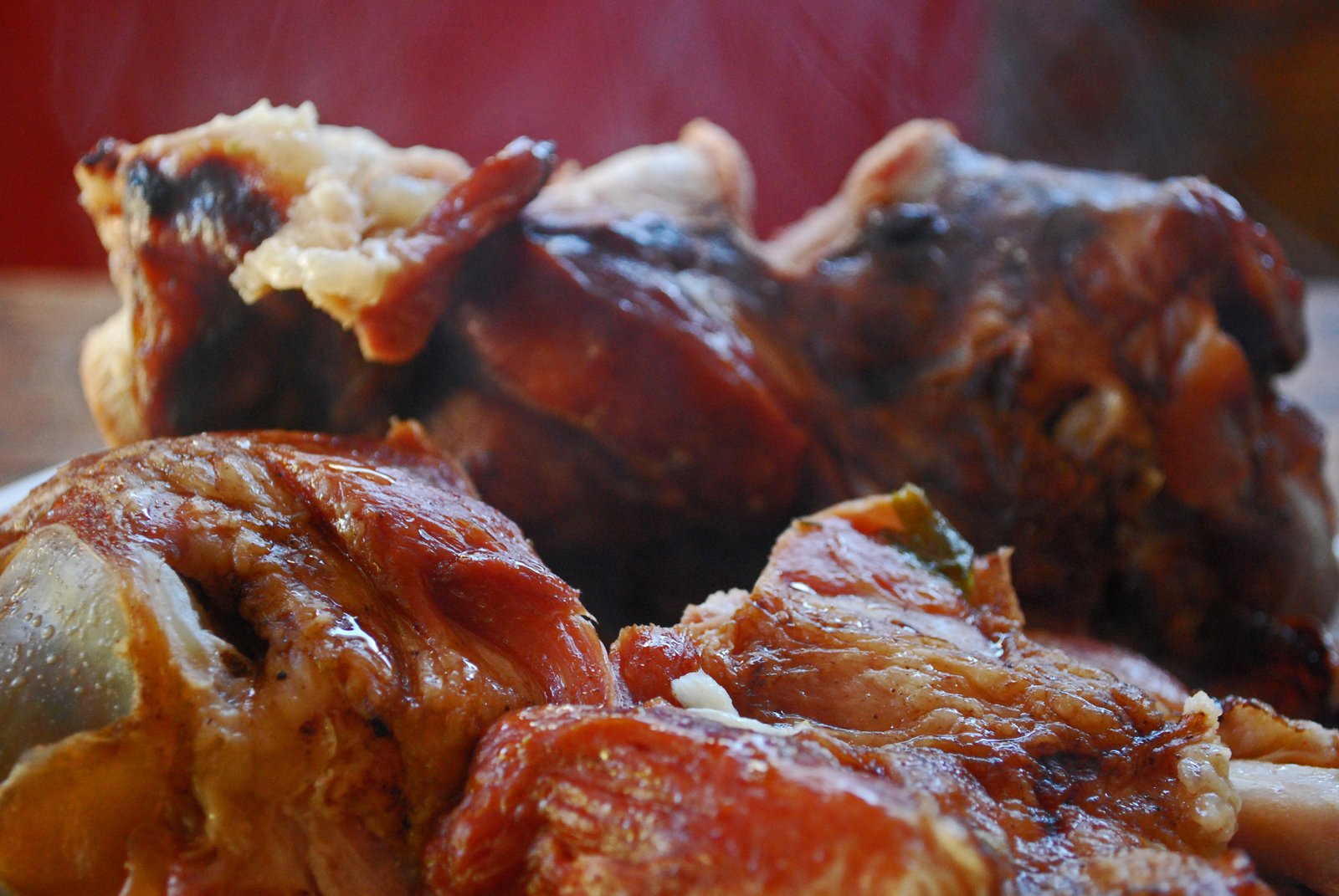
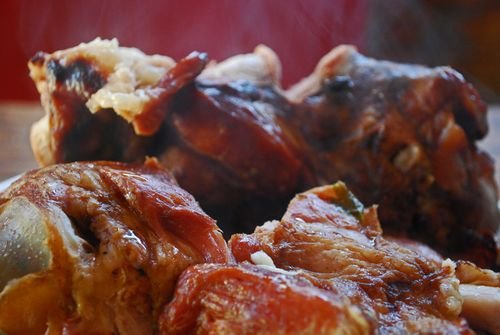
Instead of ham hocks, I really like the smoked pork shanks that Siesel's and Iowa Meat Farms carry.PBS03 They have some heft. Also, since the phrase "Purity Brand is the only Portuguese sausage…." has been branded into my grey matter, that's what I use as well. I've posted about folks from Hawaii and brand loyalty before.

PBS02
And then there's the elbow macaroni. The first Portuguese Bean Soup I had (see story at the end) had elbow macaroni in it. My Mom always made her's with elbow macaroni. These days I make maybe 8 ounces of macaroni, very al dente, and place in the soup bowl right before serving if desired. I've kinda lost my taste for mushy macaroni, especially since, like most soups, this tastes better the next day. At that point, the macaroni will have soaked up a lot of the broth, and become mush. As to the "why macaroni?" question. I'm guessing, that perhaps in the beginning it was used as filler…..

Another problem I used to run into was that all the flavor of the Portuguese Sausage would leach out into the broth. Great for the broth, but this leaves behind flavorless sausage. Also if you just add sliced raw onions, they would melt away pretty quickly as well. So a few years back, I added a step where I lightly saute the sausage. I then remove the sausage from the pan, and add the onions, which I also lightly saute. I deglaze the pan in the end with red wine vinegar, and reserve everything to add to the soup later on.

In the end, if you like more carrots, add carrots……more potatoes….you get it, right?

Local Kine Portuguese Bean Soup:

PBS07

2-3 Smoked Pork Shanks or Ham Hocks
2 10oz Portuguese Sausages
2 large onions
1 bunch cilantro rinsed
5 cloves garlic
2 dried bay leaves
2 Tb Black Peppercorns
2 dried red chilies sliced in half and deseeded

1 16 oz can tomato puree
2 6 oz cans tomato paste
2 15oz cans of Kidney Beans
2-3 Tb Paprika
2+1-2 Tb Red wine Vinegar

4 Stalks of celery, plus 2-3 stalks of the leafy celery "heart"
3-4 carrots, plus 1 carrot chopped into four pieces
4 potatoes

Tabasco Sauce to taste
Salt and Pepper to Taste
Olive Oil
Water

– In one pot place the ham hocks and cover with water. I use anywhere from 8-12 cups. Add the bay leaves, peppercorns, and red chilies.
– Quarter one onion and add to the pot, along with the celery "hearts" torn in half and the one chopped carrot.
– Chop off the stems of the cilantro, and chop about 3-4 tablespoons worth. Add this to the pot.
– Smash the garlic and also add to the pot.
– Bring to a slow simmer and cover.

– Slice the Portuguese Sausage into 1/2 – 3/4" rounds. Or, you could cube the sausage. At this point you'll have 4 end slices, which many folks don't like to eat. I throw this in the pot with the ham hocks to add flavor to the broth.

PBS04

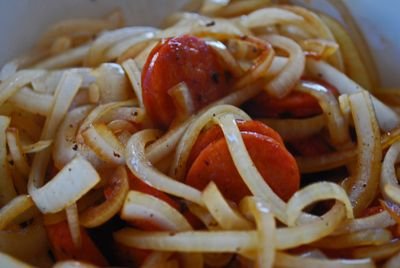
– Slice the other onion crosswise into slices.
– Heat a large saute pan over medium low heat. Add the olive oil to coat the pan, and lightly saute the sausage until partially cooked and firm. Remove and reserve sausage in a large bowl.
– Add onion slices and saute for a minute or two until slight soft.Deglaze with 2 tablespoons of red win vinegar. Remove onions and remaining "liquid" to the bowl with the sausage slices.
PBS05

– Check on the Ham Hocks after about 2 hours. If the meat is soft and will come off the bone remove the hock to a plate.
PBS06

– Strain the liquid through a colander, and discard the pieces of celery, bay leaf, etc….
– Pour the liquid back into the pot and place back over the low simmer.
– Place the ham hocks on a cutting board and chop to desired size, and set aside.
– Open the two cans of kidney beans a drain through a colander over a bowl. Reserve the liquid.
– Add the tomato puree, tomato paste, kidney beans, and paprika, and bring back to a simmer.
– when broth comes back to a simmer add the ham hocks back to the broth, along with the Portuguese Sausage and onions. Don't forget all of the liquid in the bottom of the bowl!
– Simmer for about 15 minutes, until sausage is heated through.

– Mean while chop, slice, or dice the celery, carrots, and potatoes as desired.
– Add the vegetables and simmer for 15 more minutes.

– After the 15 minutes, add 1/2 of the reserved liquid from the canned beans.
– Taste. If the flavor of the beans does not faintly come through add more liquid.
– Add salt and pepper, red wine vinegar, and tabasco, if desired to taste.

– At this point you can simmer until vegetables are cooked to the desired doneness, or simmer until vegetables are just a step before desired doneness if serving the next day.

You can serve garnished with cilantro, over some elbow macaroni, rice, or with bread (Pao Doce). Folks I know usually add a bit more Tabasco.

This recipe may seem pretty long, but it's mostly just letting things simmer. I actually made this while watching the Chargers beat the Eagles last weekend.
PBS09

 If after this super long, but easy recipe, you're still up for a little story read on……..

Portuguese Bean Soup and Cilantro.

Strangely enough, I remember the first time I had Portuguese Bean Soup. I must've been about four, since we were still living on Date street, and hadn't moved to Palolo yet. In the apartment across the way, lived a couple, and the husband was, at least to me at the time, a hulking man of Portuguese-Chinese decent. And as large as he seemed, his booming voice made him seem even larger. One day, "Uncle Henry" as I called him called my Mom and I over……. while my Mom and his wife chatted, "Henry" stood hunched over a large cauldron, slowly stirring and tasting. After awhile Henry declared, "it's ready, time to eat." And along with the "adult bowls", I was even given a "Keiki bowl" of soup. My Mother quickly told Henry, "I don't think he's going to like this….." But Henry shrugged her off and declared (he never really spoke, he declared), "Da' boy's hea' he eats…." To my Mother's surprise, and Henry's delight, I ate a couple of bowls….. it was three or four according to Mom. I remember that the flavors exploded in my mouth, and the soup went down wrapping me in a nice warm cloud of satisfaction. My Mother was curious about I enjoyed about the soup since it had Tabasco and Portuguese Sausage, and kids usually don't like spicy. So when she asked, I pointed to the sausage….and to her surprise, the cilantro, which we called Chinese Parsley. It was such a new a remarkable flavor, that I remember it to this day. Today, perhaps I'm able to duplicate the flavor of that bowl, but have seldom been able to capture the wonderful feeling of discovering new flavors…….

11032009 006

Hmmm…. I think someone's waiting for a Ham Hock bone…. And maybe a haircut after that????

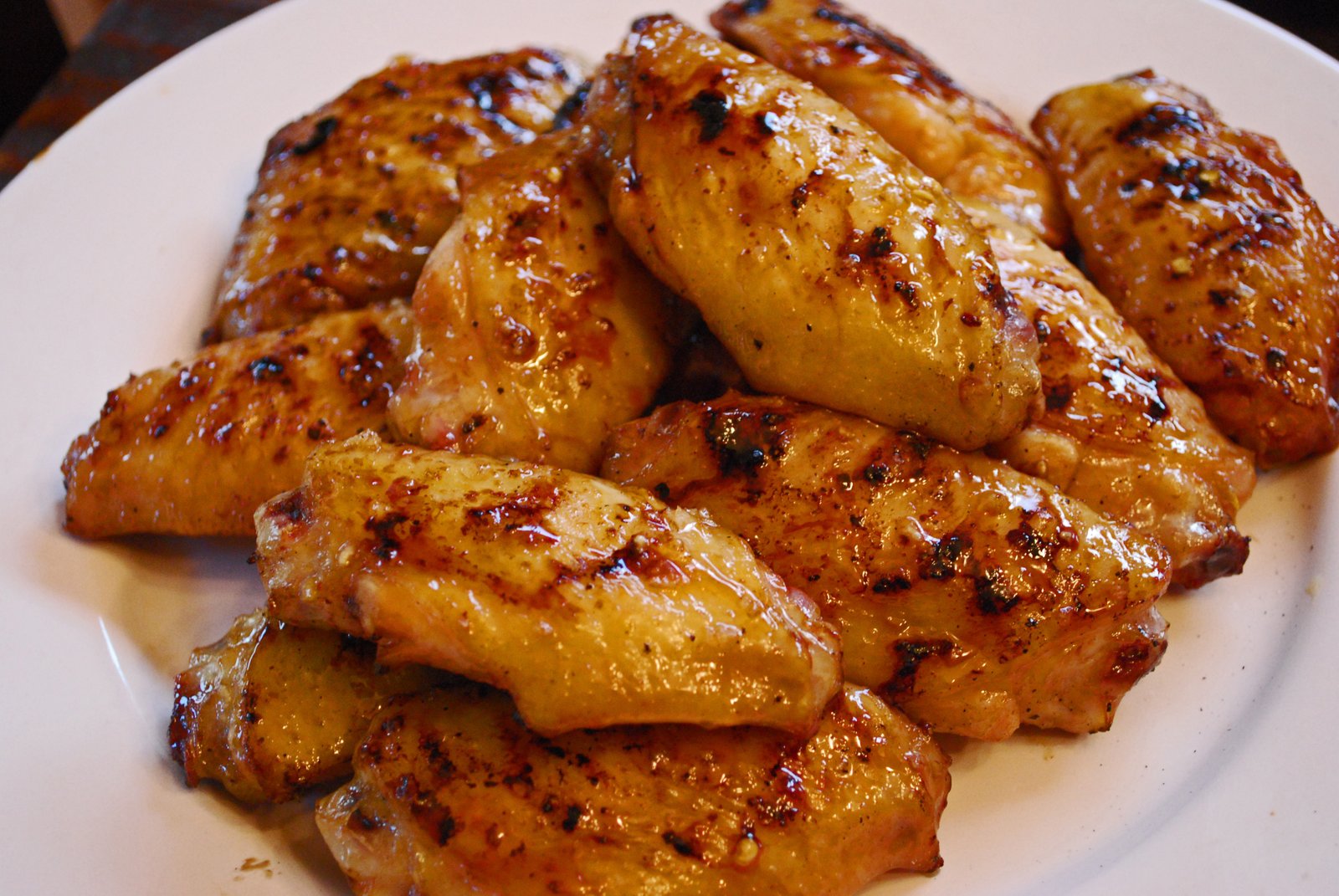
Fish Sauce Glazed Grilled Chicken Wings

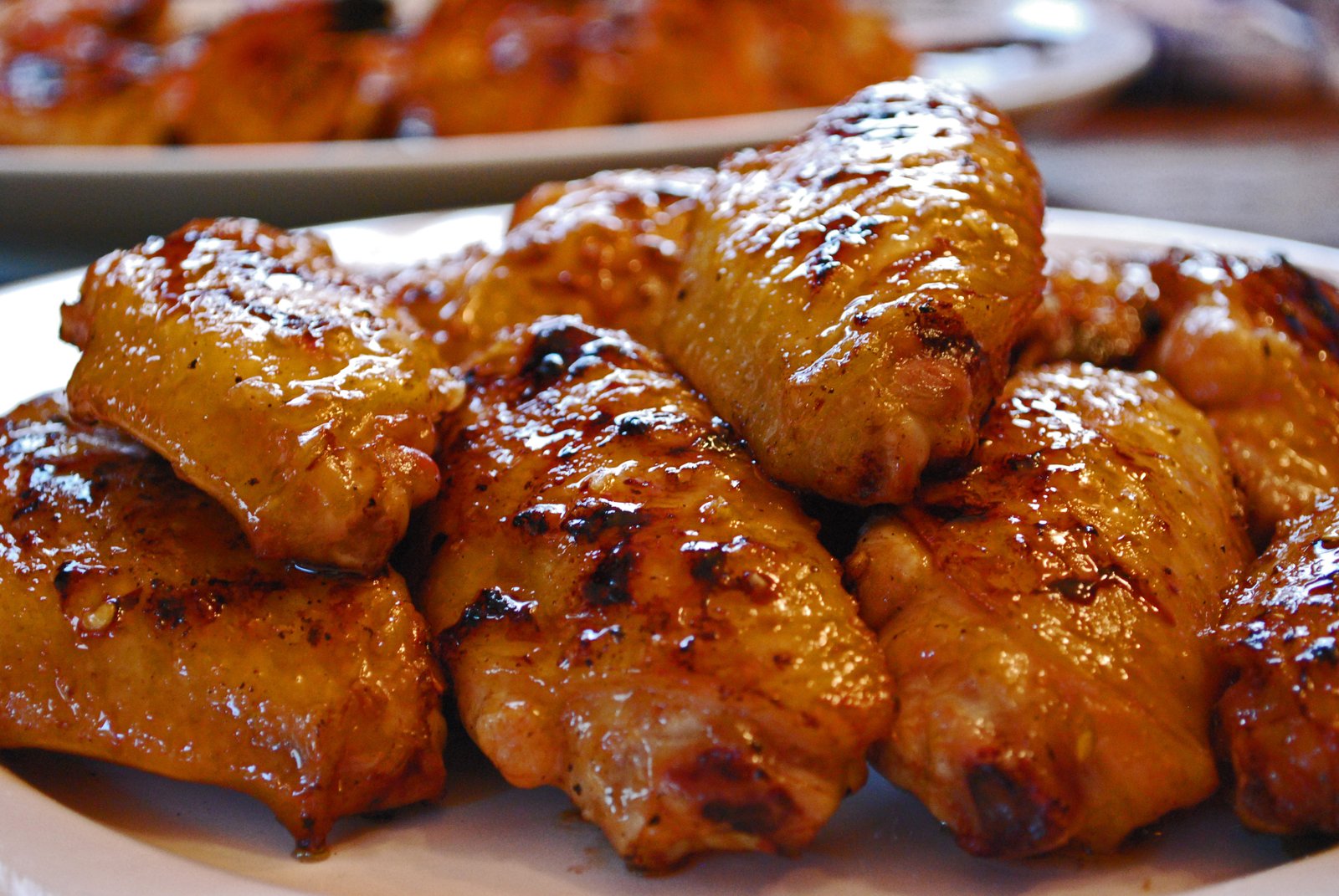
This recipe was born when FOY (Friend of Yoso) and regular commenter "Billy" mentioned that he makes his Nuoc Mam Cham on the stovetop, using heat to help dissolve the sugar. I thought about using that method to create a glaze for chicken wings, and this recipe was born.

FishSauceWings01
What you see is the second try at the making these wings. The first time I tried making these, I was on call, and just as I placed the wings on the grill, I was paged and had to leave my wings. I turned everything over to the Missus, who is unfamiliar with two tiered grilling…. setting up the grill for direct and indirect heat. She left the wings on direct heat, basting with a sugar based sauce! By the time I resolved the problem, the Missus had the black as coal wings on a plate on the dining table. I gotta leave it to the Missus, She really accomplished something special here…… creating something on the grill that was charred black on the outside, and still totally raw on the inside! I was so grossed out that I decided to not try to make this again. Until………

A couple of weeks ago, the Missus told me that She wanted some grilled Tamarind Shrimp. While buying shrimp, I saw some chicken wings, and bought a couple of pounds. I returned home with nothing particular in mind. After a bit I decided to give Fish Sauce Wings another shot. A couple of things; I use the two tiered grilling method; half of the grill is set-up for direct heat, the other half for indirect heat. The sugar and fat will mean that the wings will burn really quickly (as in the previous try), so I crisp up the chicken over direct heat, and baste with the sauce when I move the wings to indirect heat.

FishSauceWings02
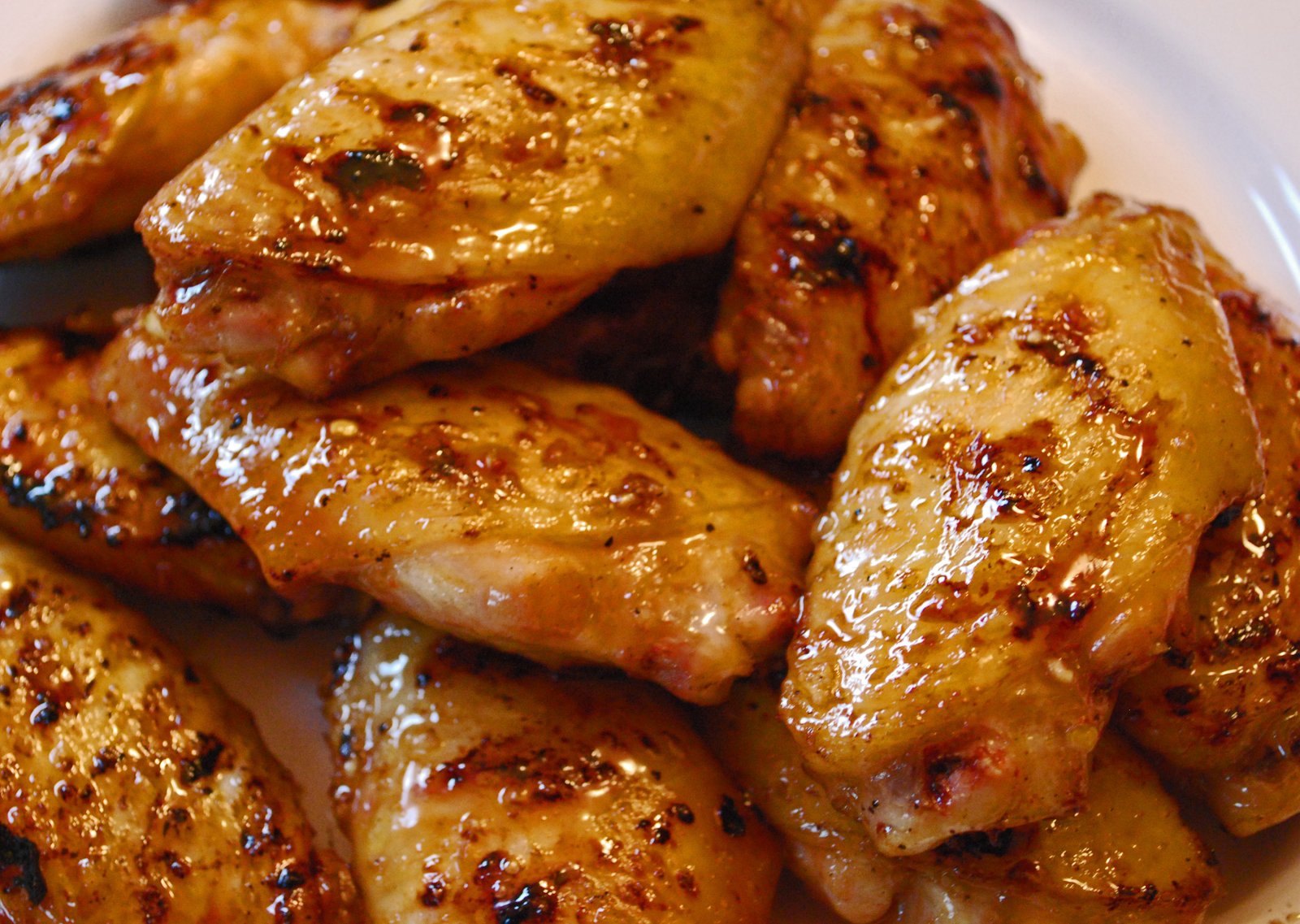
I grilled using a combination of half Kiawe Charcoal, half hardwood charcoal. If you were to taste the glaze, you'd think I was crazy, it seems too salty(no water in this one), and sweet. But because it's a glaze, it works out quite well. And yes, it is yet another super simple recipe…….. and of course, please make adjustments to taste….
FishSauceWings03

Fish Sauce Glazed Grilled Chicken Wings:

2 1/2 – 3 lbs of chicken wings
2 Tb Sea Salt
2 Tb Fish Sauce
1/4 cup canola oil
Fish Sauce Glaze (see below)

– Set up grill for two tiered grilling – half the grill set-up for direct heat, the other for indirect heat.
– Combine chicken wings, salt, fish sauce, and canola oil in a large bowl. Mix wings to coat well.
– Grill wings over direct heat for one turn to brown and crisp up the skin.
– Move wings to indirect heat portion of the grill and baste several times.
– Baste one last time before removing from the grill.

Fish Sauce Glaze:

1/2 Cup Fish Sauce
1/2 Cup white sugar
2-3 Thai Chilies sliced
4-5 cloves garlic finely minced
Lime juice to taste

– Combine fish sauce and sugar in a small pot.
– Heat over medium heat until sugar is dissolved
– Add garlic and chilies
– Bring to a light simmer and remove from heat

Spicy Chinese Steamed Eggplant with Sizzling Soy Sauce

Do you remember the Steamed Eggplant dish from Hunan Chilli King ? Well apparently it's been on the Missus's mind. Because of work, and our just plain busy schedules, it doesn't seem like we'll be able to get to the SGV for a while. So the Missus ordered requested that I try my hand at making the dish. It's really not that difficult, this is just your basic Chinese steamed fish dish, using eggplant instead of the fish. There are some nuances, but you'll spend most of your time waiting for the eggplant to finish steaming.

Steamed Eggplant01  

I made this twice over the past week, and what follows are mostly notes, and guidelines.

First off, I used four Japanese Eggplants, the main reason being I don't have a very large steamer, and I could arrange the eggplants in the shape of the plate. Making the first recipe, I added five whole cloves of garlic, one thumb size piece of ginger sliced into a thin julienne, and 2 tablespoons of fermented black bean that had been rinsed. I found that the ginger pretty much got lost in the whole steaming process. So making the second recipe, I placed the eggplant into the steamer with just the black bean and garlic. The garlic becomes soft and tender, and really tastes very sweet eaten whole.

Steamed Eggplant03 

Steamed Eggplant04 So what of the ginger? I end up adding the ginger during the last ten minutes of steaming, along with 4 sliced serrano chilies. I tried adding the serranos at the end, but they tasted a bit too "green". The ten minutes of steam time softens them, and makes them sweeter. Those red chilies are added after steaming. I bought them frozen at Lucky Seafood….. they are pretty spicy.
The eggplant was first sliced in half lengthwise, than half again. They steam for about forty minutes.

Steamed Eggplant05 

While the eggplants are steaming, you can make the sauce. I start with a basic recipe of 1/4 cup superior or premium soy sauce to 1-1/2 tablespoon of white sugar. In this case, I did a double recipe. After mixing well to dissolve the sugar, I tasted and adjusted the sweetness. To finish, I drizzled in about 1/2 teaspoon of sesame oil. Add the sauce to the eggplant during the end of the steaming process.

Meanwhile heat peanut oil until smoking. Bring the steamed eggplants to the table a pour the hot oil over the eggplant. You'll have some nice "sizzle-vision" going on…..

Steamed Eggplant07 

Steamed Eggplant08 

I noticed that the skin on the Japanese Eggplants are very soft and tender, the eggplant is creamy….. you'll need to good amount of rice as well.