Local Kine Teriyaki (Barbecue) Chicken

No, I'm not calling it "dat kine" Barbecue, because a certain company has trademarked that name. But, much like my Teri Beef recipe, most folks back home have their own version of this.

Local Kine Barbecue Chicken 02

Over the years, I've come up with a certain formula for this; one-third cup sugar, one-third cup sweet alcohol, one-third cup of a syrup type liquid to one cup of Aloha Shoyu. Oh yes, there's one-third cup of water….grated garlic and ginger juice. The water prevents the product from getting too salty….I've left chicken to marinate in this for up to 36 hours.

Each of the "sweetening" component will add its own little imprint on the dish. Currently, I'm enjoying things a bit sweeter, going with Dark Brown Sugar, Mirin, and Agave Syrup. There's even more you can do with this "base" – like adding guava jelly (perhaps a future post), fish sauce (delici-yoso)…..

You get the picture, right?

Local Kine Teriyaki (Barbecue) Chicken:

Local Kine Barbecue Chicken 01

1 1/2 – 2 1/2 pounds chicken. I prefer boneless legs/thighs. Note that you can double-triple, the amount of sauce. I've done as much as 12 pounds of boneless skinless thighs with four times the marinade. Think in terms of volume rather than weight. You want to make everything is covered by the marinade.

1 Cup Aloha Shoyu

1/3 Cup Sugar – Dark Brown/Light Brown/Turbinado/Palm/White

1/3 Cup Mirin/Vermouth/Dry Sherry/Bourbon

1/3 Cup Agave Syrup/Honey/Mulyeot (Korean Malt/Corn Syrup)/Maple Syrup

1/3 Cup Water

1-2 Tb Grated Garlic  1Tb Ginger Juice

Other Stuffs: 1 Tb Good Quality Sesame Oil, 1-2 Tb Sake ,1/4 Cup Fish Sauce, Scallions

– Combine All ingredients except the water and chicken

– Remove 1/3 cup of the combined sauce

– Add water – Add chicken

– Marinate 6-12 hours

– Grill or saute

– Use the 1/3 cup removed earlier to baste/drizzle on/or to put on rice.

Have fun!

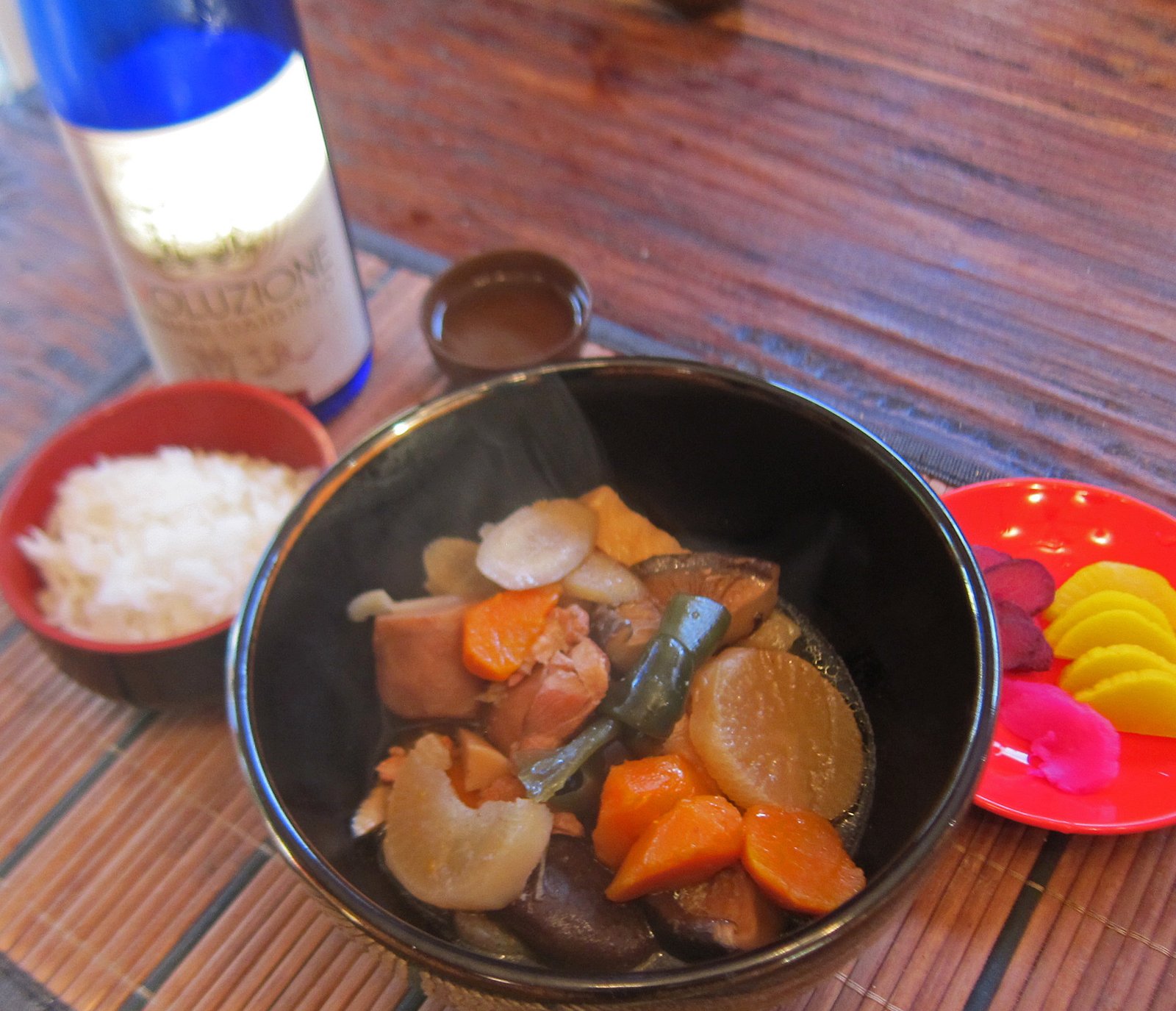
Nishime recipe – version 2014

Over the last….well, almost ten years now, I've posted quite a few recipes. You'll notice that the number has gone down over the years, because, well, I've pretty much posted on "almost" everything I made as a kid and young adult, and after maybe 150+ recipes where do you go? You'll notice as the recipes diminished, the plain "cooking posts" have increased.

Anyway, there are about 15 or so recipes that get a bunch of traffic; many of them are "local kine" recipes, standards back home in Hawaii. Around this time of the year, I start getting a few hits for my Nishime recipe from back in 2006. Sheesh, do you even remember what you were doing in January of 2006? Nishime is somewhat of a pain to make…….but it's a labor of love I guess and it's a favorite during the holiday season back home….at least it used to be. Not sure about nowadays.

After I did an update to my Sukiyaki recipe, which wasn't much of a change from the original, which was also from back in March of 2006, the Missus suggested that I update my Nishime recipe. Probably because She wanted some Nishime and this would guarantee I'd make it.

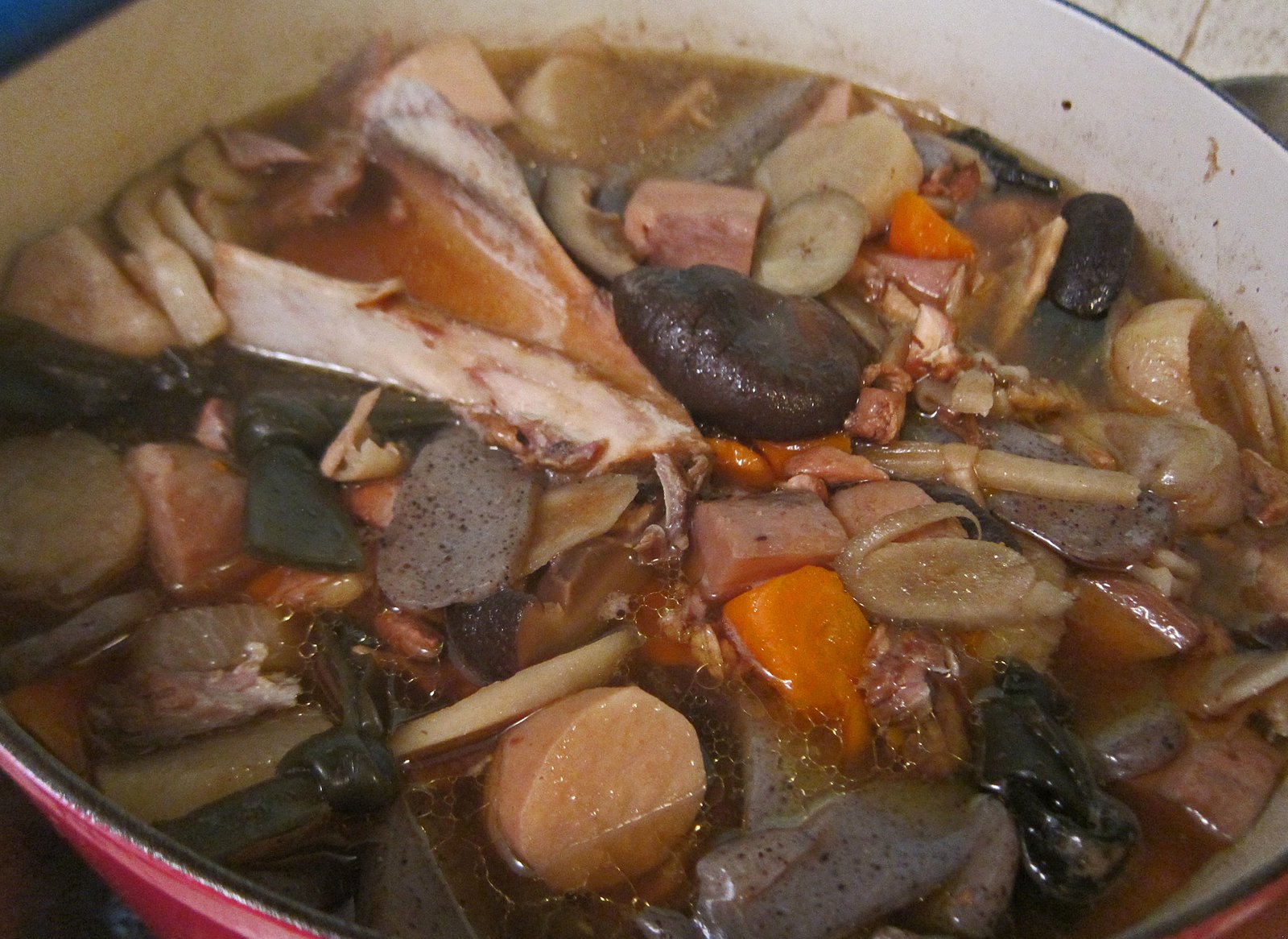
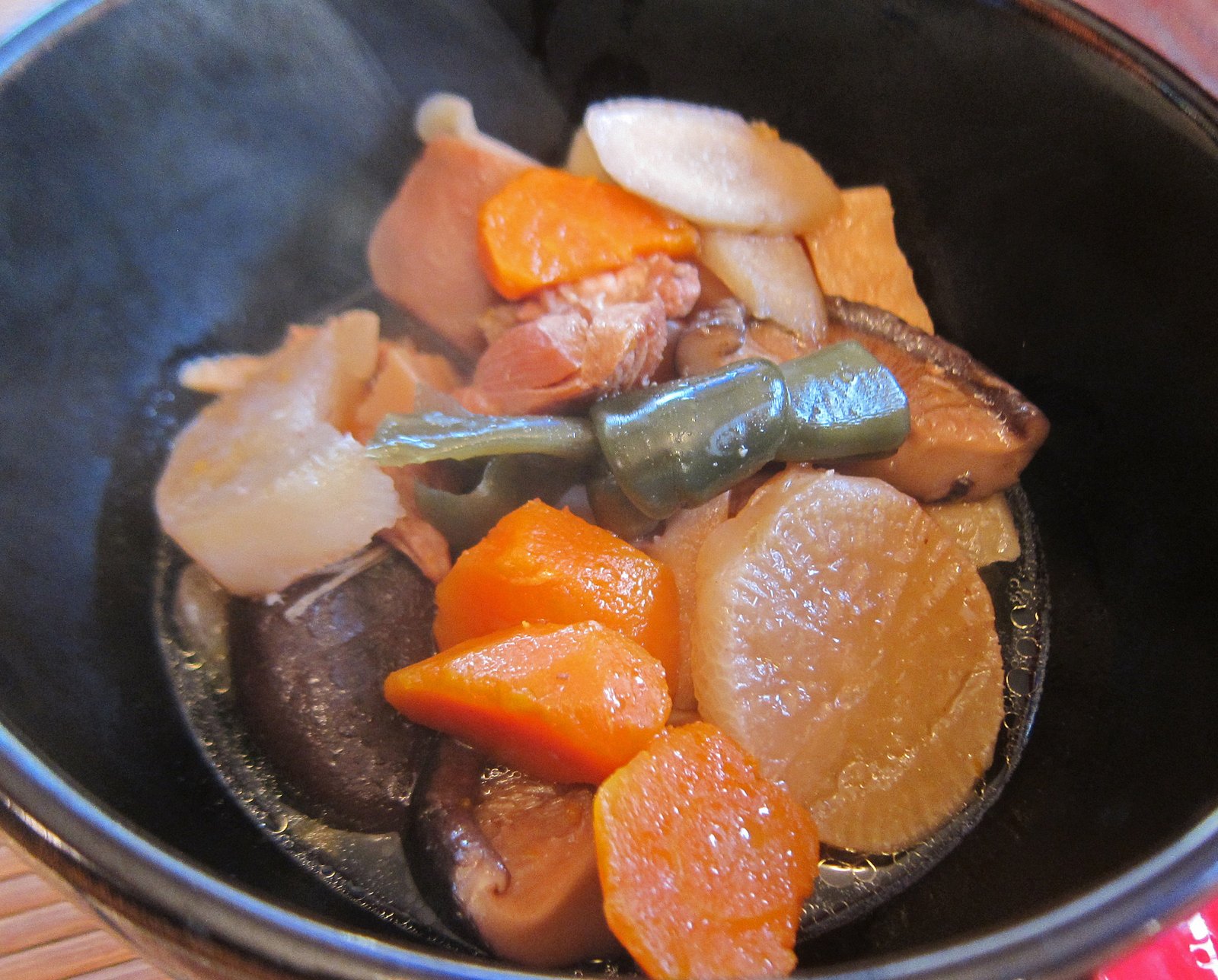
There aren't that many changes. I've just incorporated steps that just seem to make sense to ramp up the flavor. Mom really never went as far…..she probably was as tired of making this every year as I get. The one step missing is the one to make kombu maki. I just tie the kanpyo into strips along with the konbu nowadays….who knows, maybe after reading this, the Missus will request the return of the konbu maki. Also, note that we now will sometimes use chicken thighs, instead of just pork. But we have added pork/chicken bones to the recipe.

Anyway, version 2014 looks pretty much the same.

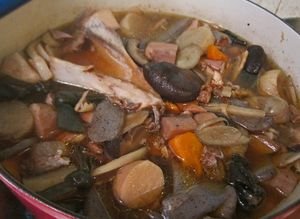
Nishime 2014 03

The flavor has been bumped up a bit. And yes, I still don't buy the frozen premade araimo/satoimo, gobo, or konbu maki. All have preservatives which change the flavor.

Nishime – version 2014:
Nishime 2014 02

1 pound sliced lean pork, boneless, skinless, chicken thighs, or a combination of both
1-2 pounds pork bones or a chicken carcass quatered with boiling water poured over to descum
2-3Tb canola/grapeseed/avocado oil
4 cups water
2 – 36" Strips Nishime(not Dashi) Kombu(Kelp)
1 Strip Kanpyo (Dried Gourd)
2 Packages Shirataki Nishime 2014 01
2 Cups Daikon cut into wedges
1 Cup Carrots cut using a rolling cut
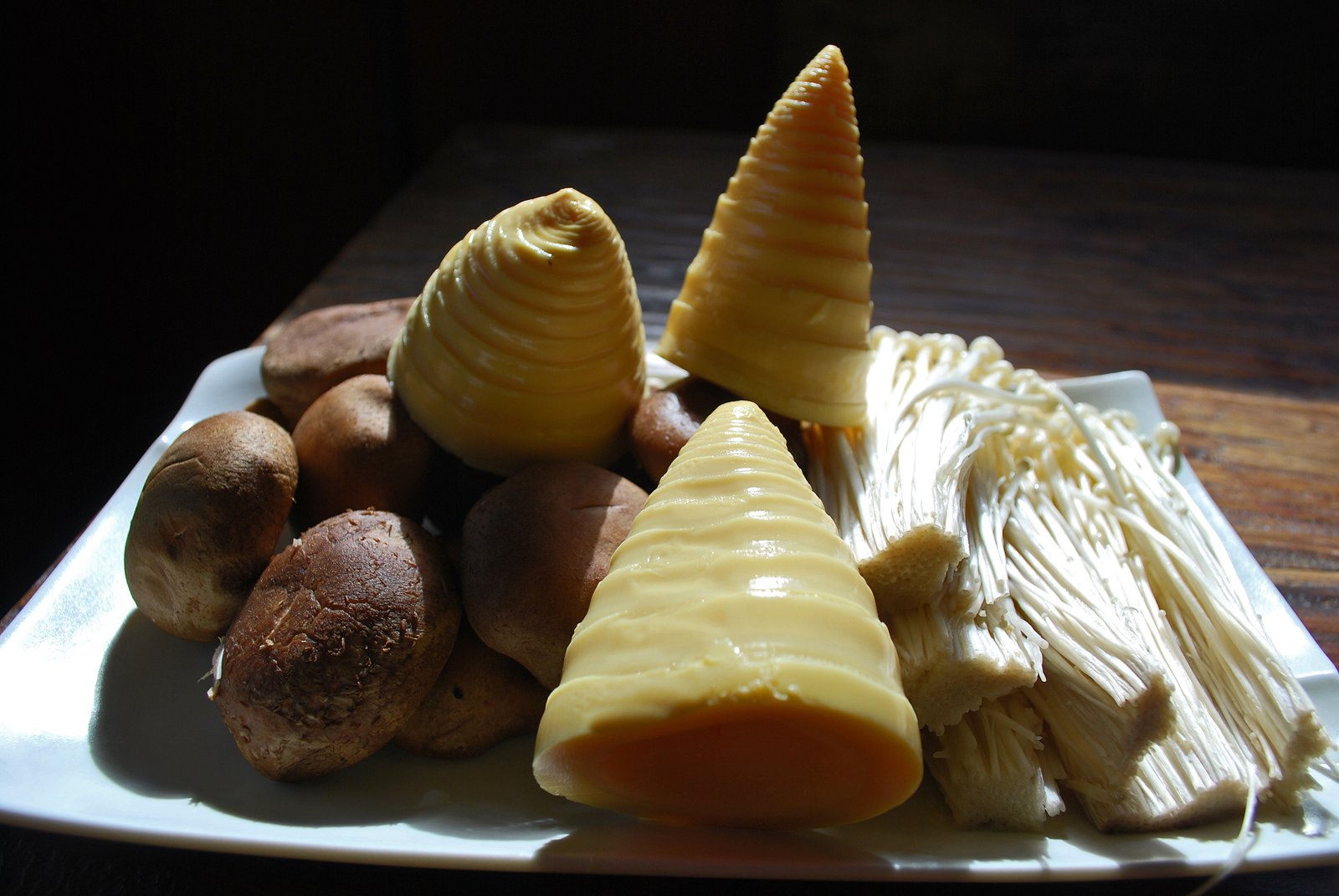
2 Cans Takenoko Tips(Bamboo Shoot Tips)
2 Stalks Gobo (Burdock Root)
12-15 Satoimo/Araimo/Dasheen(Japanese Taro)
6 dried Shiitake mushroom
1/2 Cup Soy Sauce
1/4 Cup Sugar
1/4 Cup Mirin
1 Cup of reserved, strained mushroom liquid
1 Cup of kombu soaking liquid
2 Tb Sake
1/2 Tsp salt
2 Cloves Garlic Minced

– Place one large pot and one medium pot of water on the stove and bring to a boil.

– Soak dried mushroom in warm water for 30 minutes

– Soak Kombu and Kanpyo in water for 20 minutes.

– Cut Gobo in half; and scrape "skin/bark" off of root using a spoon. Immediately place in water to prevent discoloration.

– Place whole Araimo in large pot of boiling water and blanch. (Blanching makes the taro much easier to peel)

– If the smell or slight bitterness of Bamboo Shoots bothers you, pour half the boiling water from the medium pot over Bamboo Shoots, drain, cut into slices lengthwise.

– Open the packages of Shirataki (yam noodles) and place in a colander. Pour the rest boiling water over Shirataki to remove the "smell".

– Rinse Kombu and Kanpyo, and strip lengthwise if wider than 3 inches. Tie into knots at 2 inch intervals. Reserve 1 cup of Kombu soaking liquid

– Cut Gobo into 1/2" matchstick lengths. Parboil in water for several minutes (I use a microwave for 3 minutes on high), reserve ½ cup of  liquid.

– Remove the Araimo from boiling water, rinse, peel (Be careful if cutting the taro, it is very starchy and slippery), and place in water to avoid discoloration.

– Cut Daikon into "wedges", cut Carrots using a "rolling cut".

– Mince garlic.

– In a large pot or Dutch Oven, heat oil over medium heat. Add garlic and pork/chicken/bones and lightly brown

– Add water, all the vegetables(except Shiitakes), sugar, sake, and mirin. Bring to a low simmer and cook for 15 minutes.

– Remove mushrooms from soaking liquid and slice in half. Reserve 1 cup of soaking liquid. Add to the pot.

– Strain mushroom and kombu liquid.

– Add soy sauce, taste and add salt as desired.

– After 15 minutes, taste, and add mushroom and gobo liquid as desired.

– Simmer until daikon is translucent, but not falling apart.

– As with most stews, this tastes better the next day.

So there you go……… Nishime version 2014!

Maybe I need update my older recipes….the ones that are really popular like the Cold Ginger Chicken sauce, local kine oxtail soup, local kine chili, local kine Portuguese Bean Soup, etc, etc??? What do you think?

Happy New Year!

Fermentation Nation: Smoked Shio Koji Chicken Wings

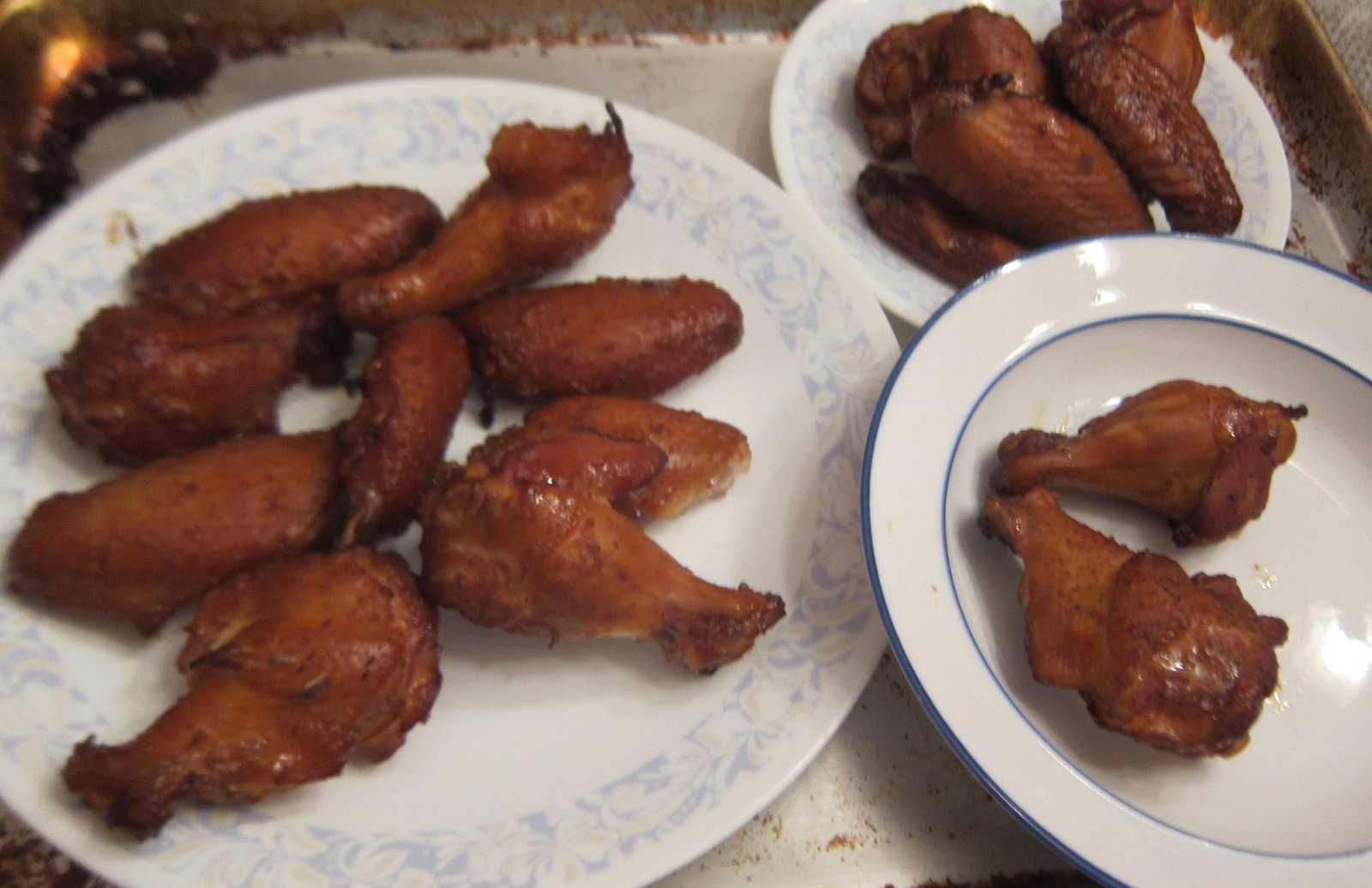
A few night back, I met my good friend Candice for dinner….she had been wanting to check out Iron Pig Alehouse in PB. It was a decent meal, hopefully I'll get around to doing a post, but in case you're wondering, Kirbie pretty much hit it on the head in her post, the wings were our favorite item. I brought some home for the Missus who thought they were good….however, She also said, "I think you can do better…." So guess what I did this afternoon? Anyway, I tried three versions of smoked wings, one with a simple seasoning, the other with my "chicken rub", and for the last….well, I decided to go outside the normal playbook a bit and used my Shio Koji Chicken marinade.

Guess which one won out?

Smoked Shio Koji Wings 01

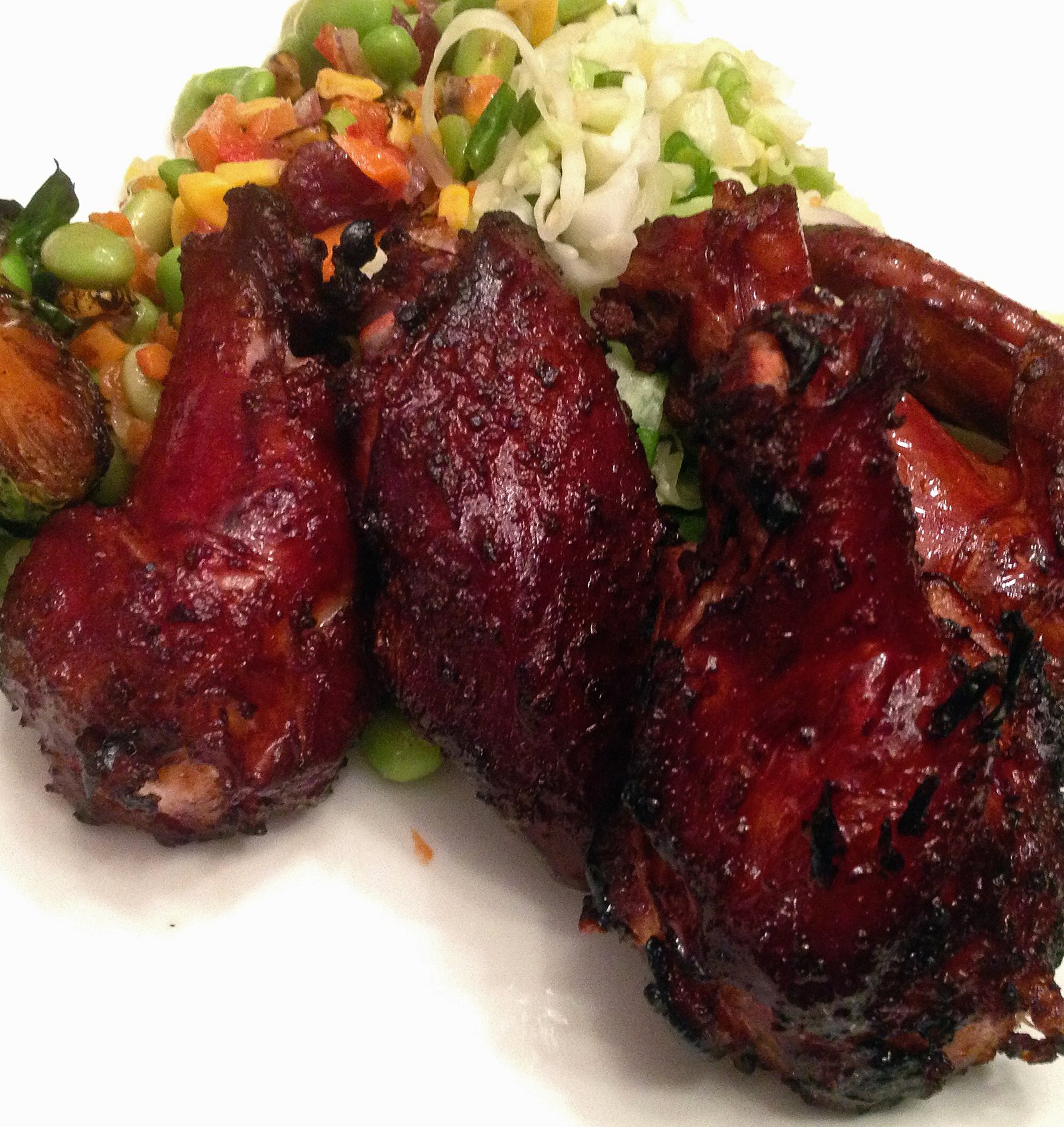
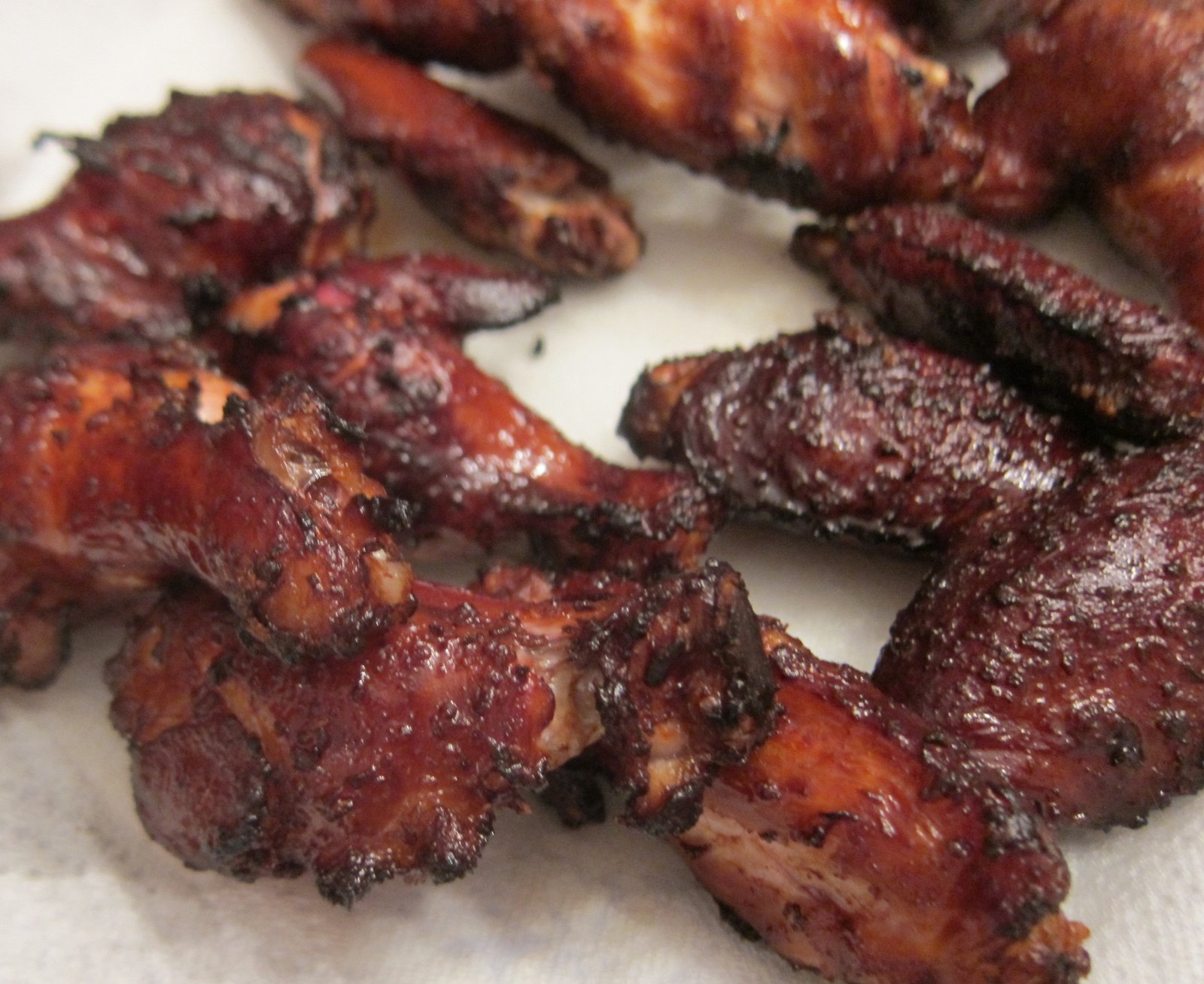
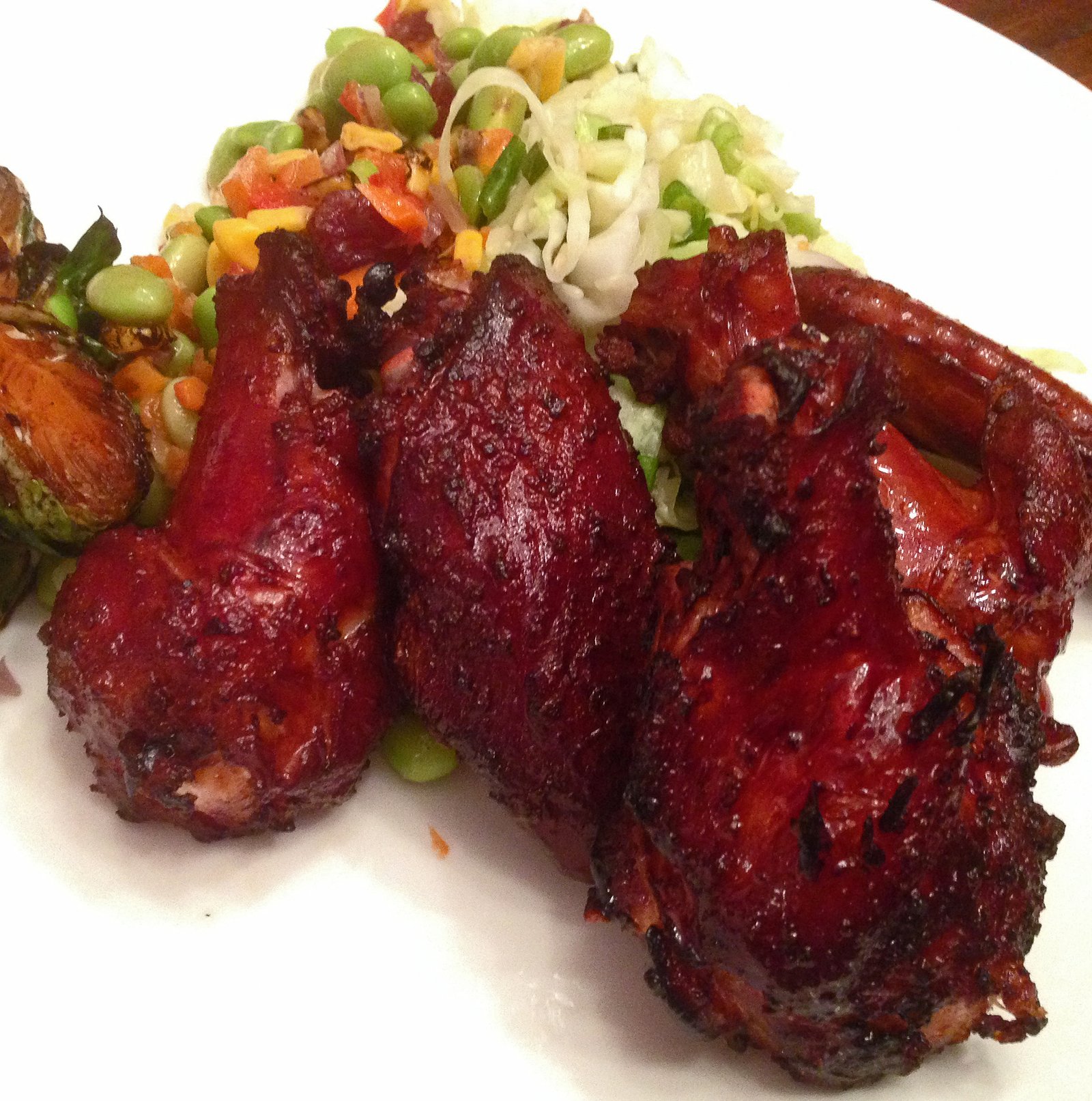
Smoked Shio Koji Wings 03It was a pretty simple and quick smoke in my WSM. I used a combo of cherry with a bit of pecan. When the wings were done, they looked quite similar, but the shio koji wings had a very pronounced savory fragrance, think miso-wine.

I decided to give the wings a quick deep-fry….for the shio koji wings, it was about 90 seconds….the sugars cause it to turn black fairly quickly. I'm going to try to figure out how to get these a bit more crisp without burning…..

In the meantime……

Smoked Shio Koji Wings 02

The Missus said this was maybe some of the best wings She's ever had. The shio koji adds that amazing savory flavor, a touch of salty-winey-miso like flavors, and also sealed in the juices. It's also got me motivated to start cooking new stuff……..thinking a bit, trying different things again.

The best compliment….."I'd pay money to eat this….ummm, not from you of course, but I would….."

Shio Koji Marinade:

1/3 cup shio koji

1 Tb grated garlic

1 Tb ginger juice

3 Tb mirin

1 Tb hoisin

– Marinate 4-5 hours

– Remove from marinade and smoke at 250-275 for 1 1/2 – 2 hours

– Remove from smoker and deep fry in 350 degree oil for 1 1/2 minutes

Grab a couple of cold one's….this is great beer food!

Smoked Shio Koji Wings 04
 

Sukiyaki Saturday

 It's quite strange….or maybe not. Since our return from Japan, the Missus has been wanting me to make Japanese food. Some things, like Nishime are a pain. The Missus has requested Sukiyaki the last two weekends…….not super hard; a bit of prep. I was taught to make it a certain way and I still stick my guns…if you get Sukiyaki for less than $15-25 pp, it's not going to be very good.

Anyway, I really wasn't going to do this post, but Frankie needed some emergency dental surgery, so I've been kind of preoccupied this weekend. So how about something short and sweet like this? It's still the same as what I posted on in 2006….some things just don't need to be changed.

D60 11022014 001

D60 11022014 003

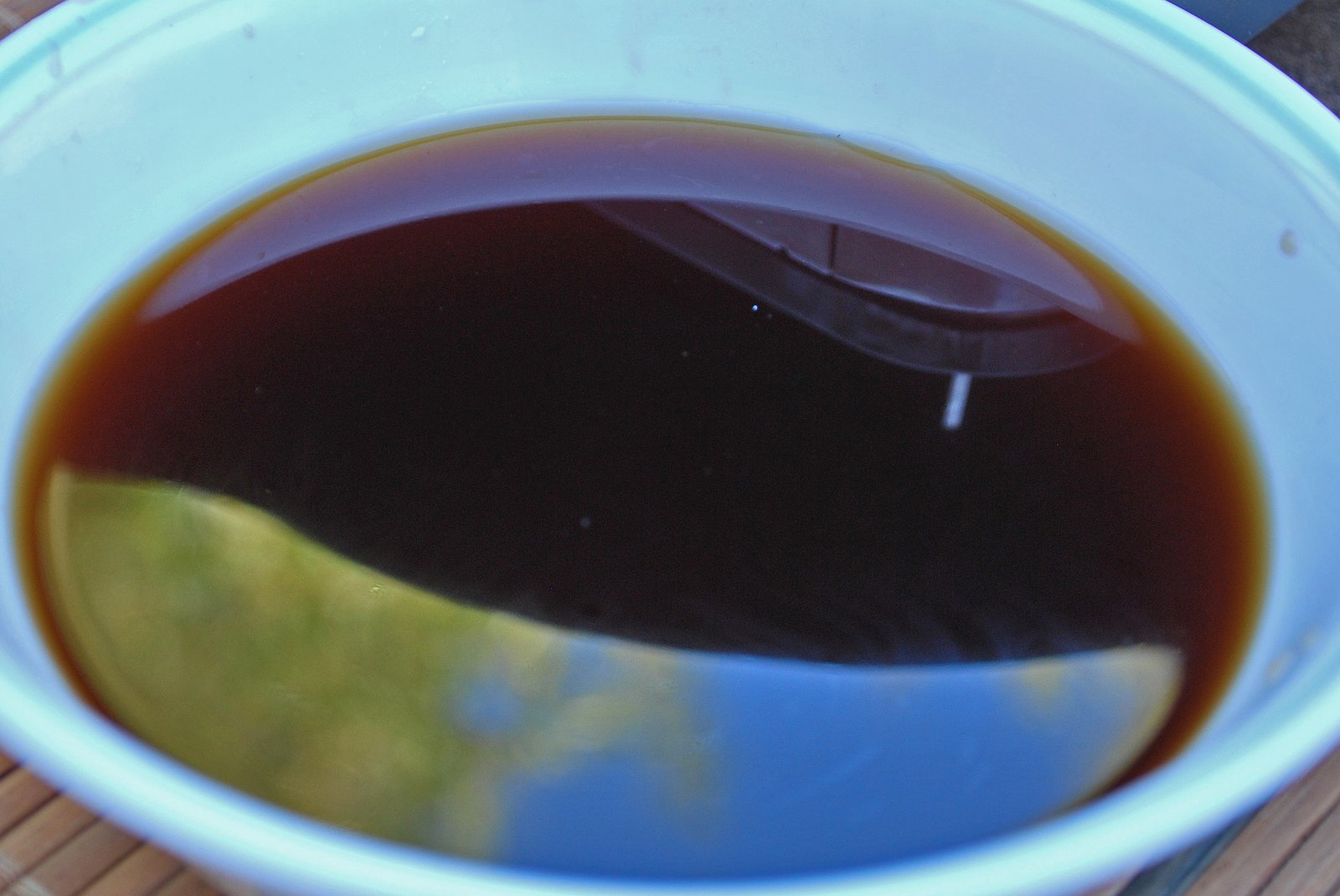
It's about understanding all the facets, the prep, how flavors work, and timing. I always make the sauce; the Warishita, the night before.

1/2 Cup Soy Sauce 3/4 Cup Mirin 1/2 Cup Sugar 1/4 Cup Water 1/4 Sake 1/4 tsp Dashi No Moto(optional) 1 clove garlic smashed (optional)

Combine Warishita ingredients(except for dashi no moto) and bring to a boil while stirring, turn down heat and simmer for 3-5 minutes to burn off alcohol. Remove from heat and add dashi no moto, if desired. Remove from heat and cool. Let the sauce "rest" at least 20 minutes, or over night. D60 11022014 009

Nowadays, I always make a double recipe. The Missus will occasionally ask me to change the recipe and I do….knowing perfectly well She'll say to change it back the next time. The warishita may seem sweet, but the flavors of the meat and other ingredients will buffer that. The flavor of the tofu is not the same without that much mirin.

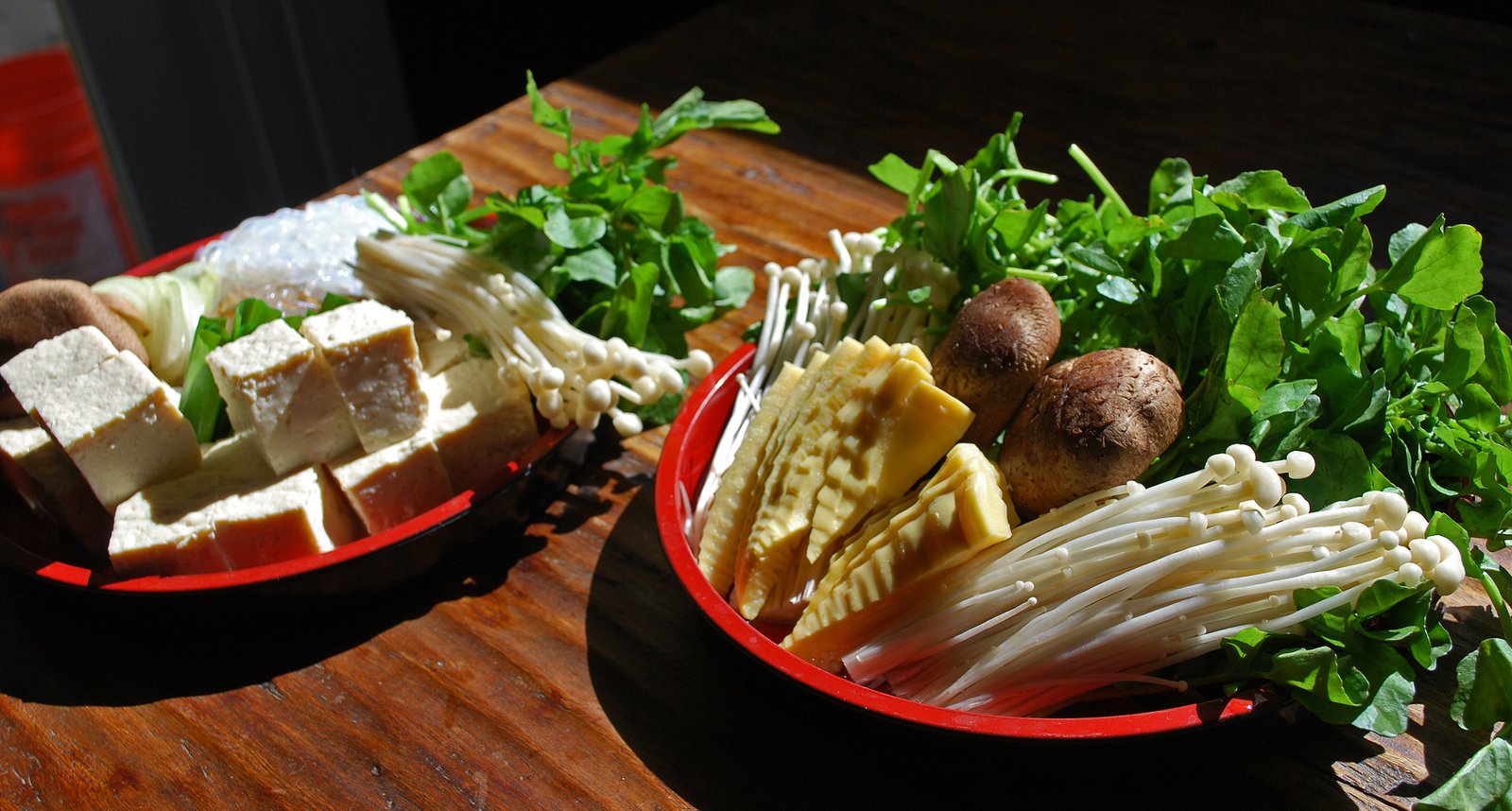
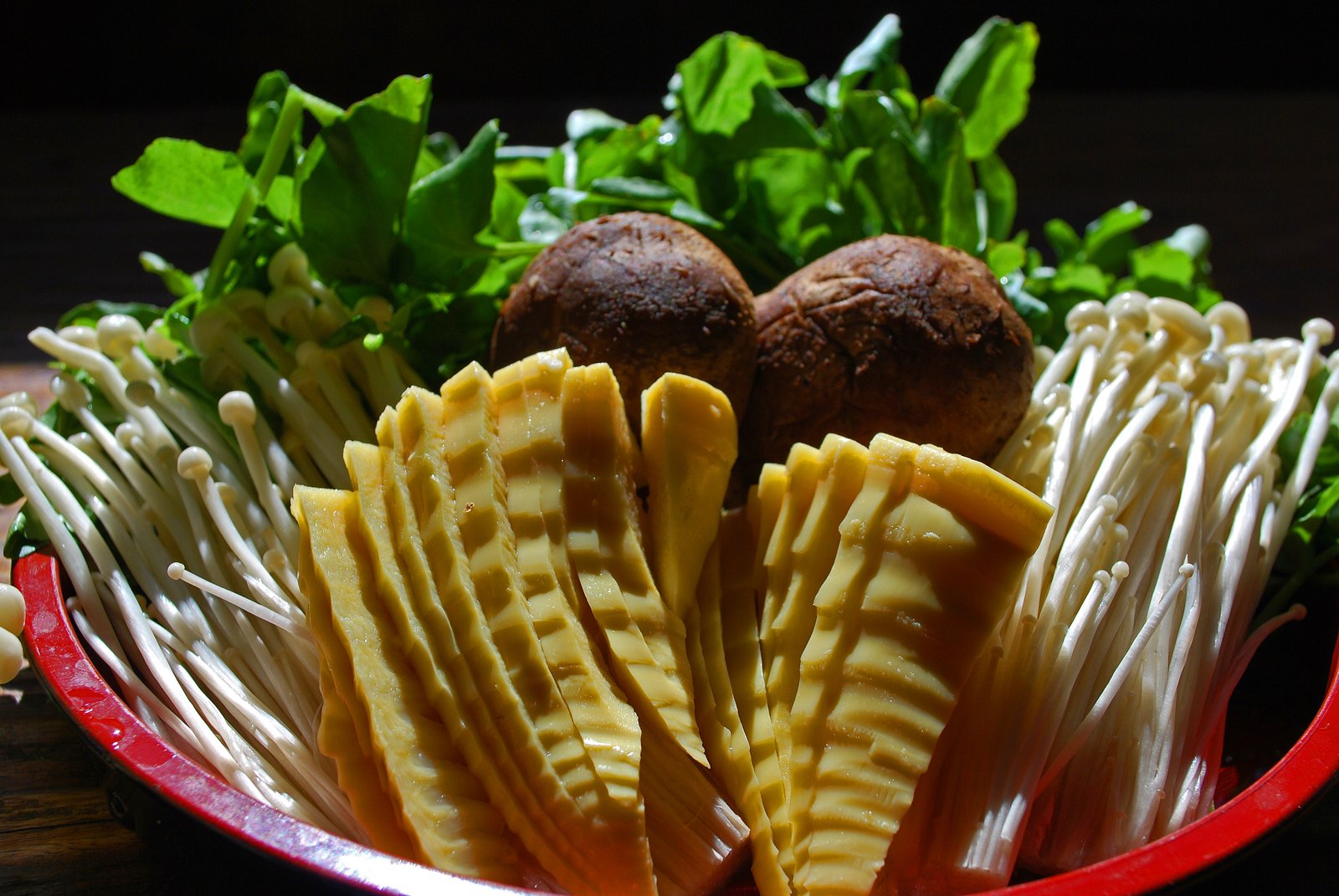
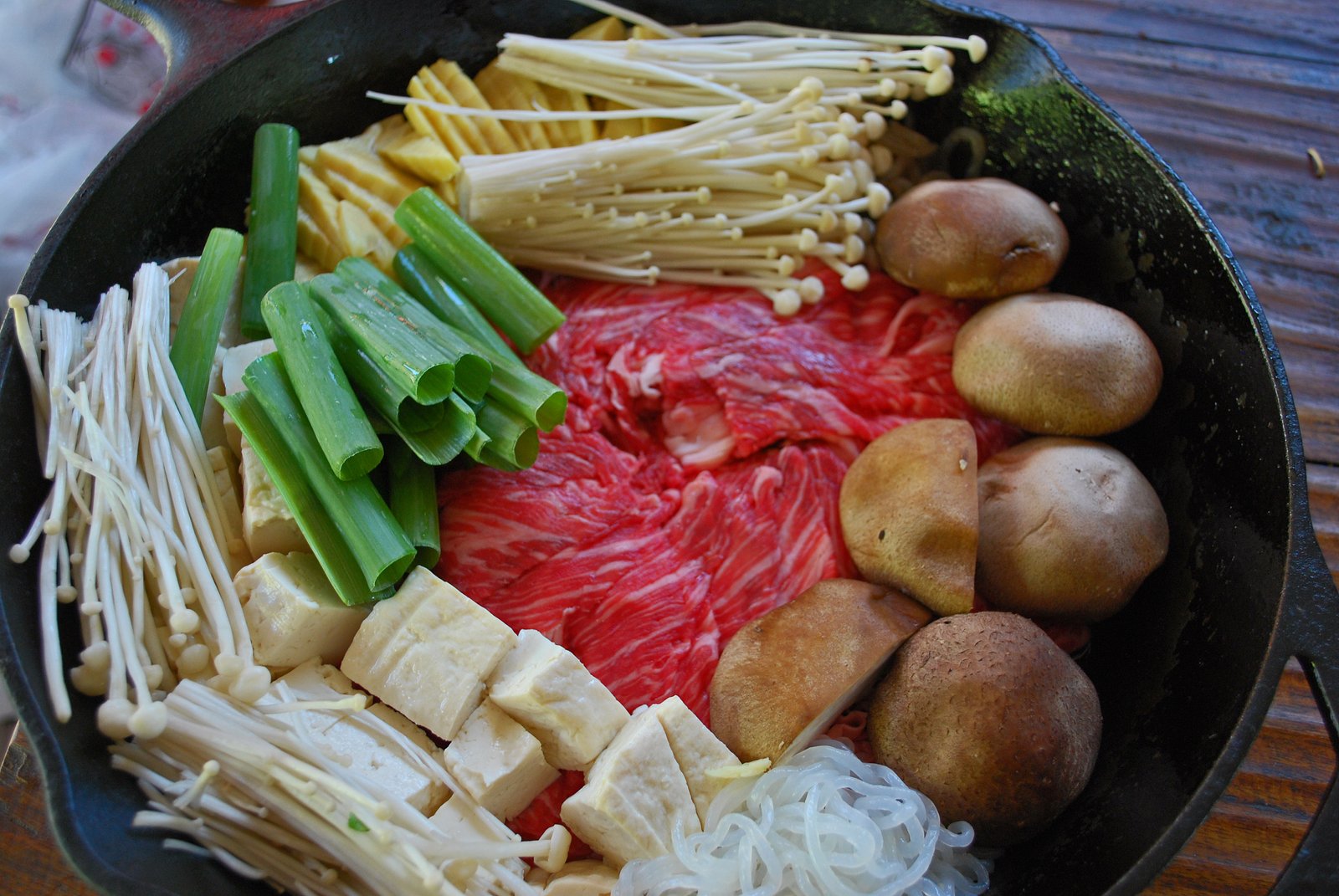
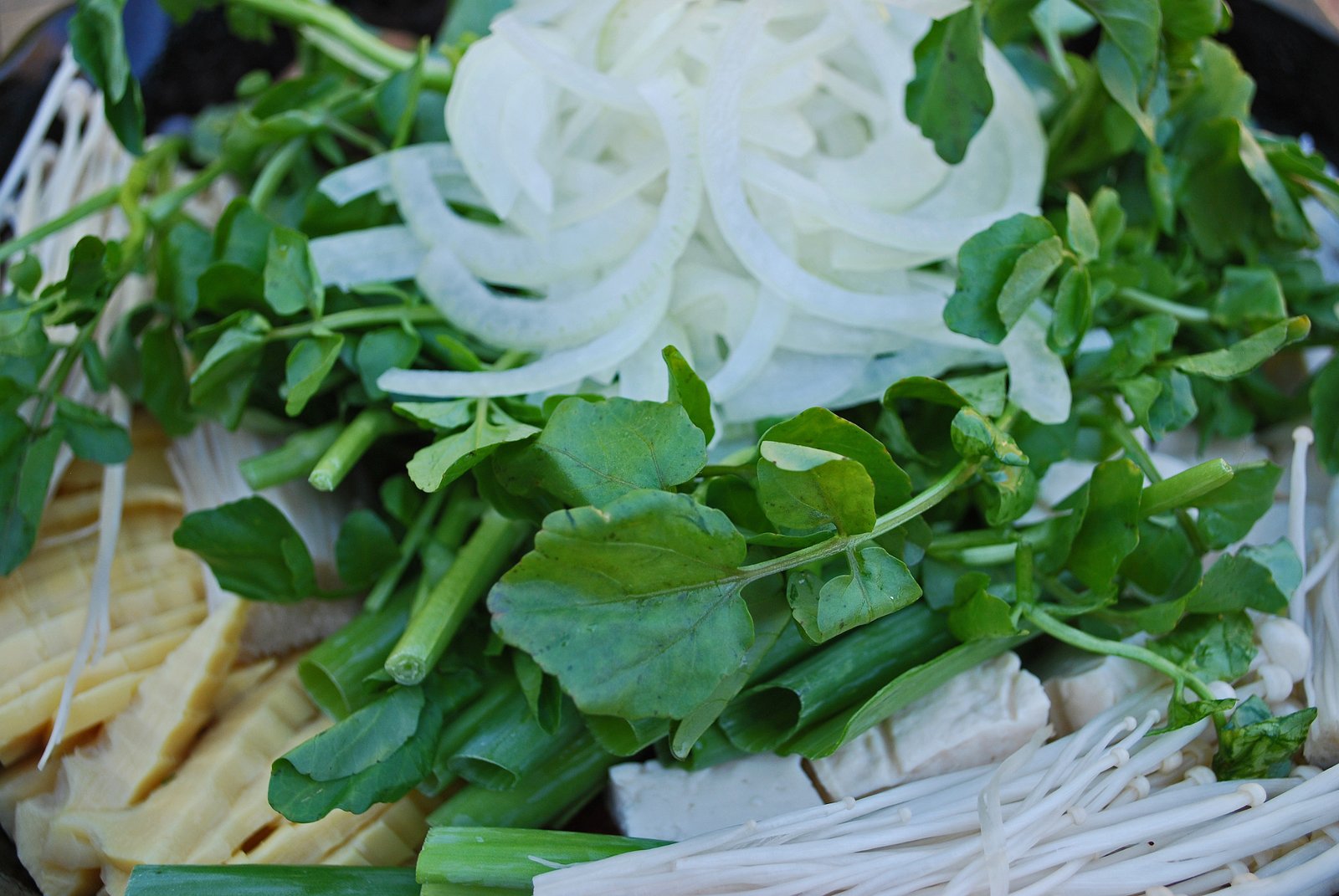
1 lb Thin cut rib eye or sirloin 2 Medium Round Onions sliced 2 Packages Shirataki(Yam Noodles), open packages and place in a colander. Pour boiling water over Shirataki to remove the "smell". 1 Block Tofu drained well – I wrap a paper towel around the block of tofu to drain then place a plate on it for a few minutes, and cut into 1 inch cubes 1 Can Bamboo Shoots – If the smell bothers you, pour boiling water over Bamboo Shoots, drain, then cut into slices lengthwise. 8-10 Fresh Shiitake Mushrooms 1 Bunch Enoki Mushrooms (optional) 2 Bunches Watercress, or 1 bunch Shingiku (Edible Garland Chrysanthemum) 1 Bunch Green Onions(green parts only), cut into 1 inch lengths 4-6 Eggs or quail eggs 

D60 11022014 004

1. Lightly oil the bottom of a Tetsunabe (Iron Pot),do not use a donabe(earthenware pot). You can also use a large heavy bottom skillet. Place on a tabletop stove.

2. Arrange items in a single layer on the bottom of the skillet.

3. Heat skillet over medium heat. Pour half of the Warishita over ingredients covering the meat.

D60 11022014 005

4. Bring to a boil, then reduce to a simmer and cook for 3-5 minutes.

5. Add ingredients and sauce as they are depleted.

6. If you desire, pick out ingredients and dip them in lightly beaten egg right before eating.

D60 11022014 008

Quail eggs seem to work well for us nowadays…..

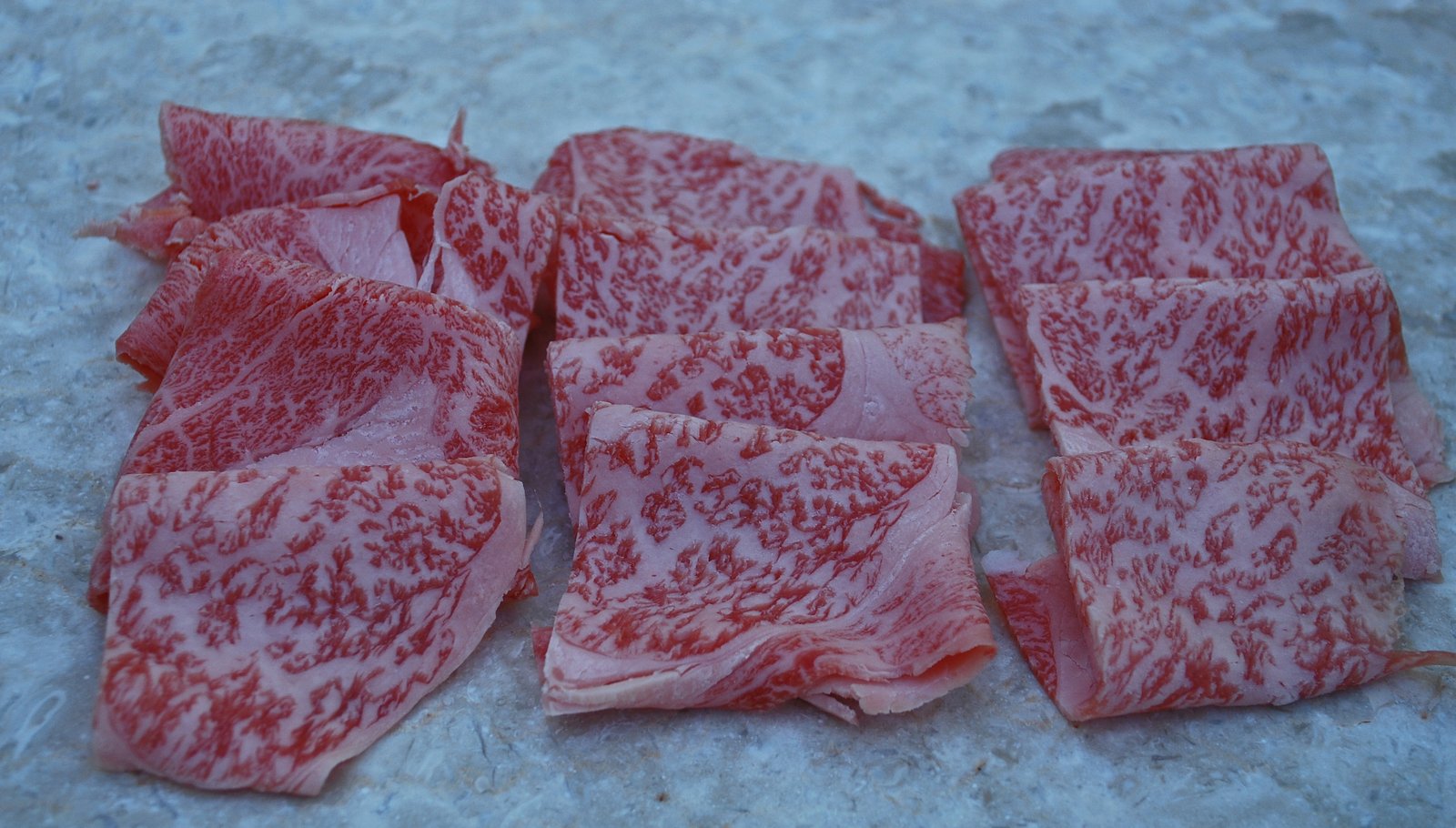
Oh and we even tried out that Wagyu from Japan in addition to our wagyu sirloin. We have a marble slate that we often use to keep meat cold for grilling and such.

D60 11022014 011

We just dipped this into the warishita as it boiled….not too long or it'll disintergrate.

IMG_5786

 And as before, I take inspiration in one of the few items I still have from my Mother. This little booklet was published before I was born and has such charming little sections as how to properly wrap your obi, 'The Japanese Smile", flower arranging, the furoshiki, New Years customs….quite a bit for a tiny 69 page booklet. It was written by "Fumiko"….just one name.

As for when it was published….I'd say before 1959….

IMG_5787

Definitely before I was born……. The recipes are dated, which means it was based on what was available in Hawaii at that time….mirin for instance, was very hard to get. Anyway, just flipping the pages gives me inspiration….it's part of my roots, my heritage.

As for Sukiyaki, it's all in the prep and presentation….I've made it for 2 and a few years back for 30, it's all the same. If you haven't made this, I hope you give it a try…

Thanks for reading!  

Gobo Chips

In retrospect, I shoulda thought of this when I made Gobo Salad back in 2008. We bought a bag of the stuff in one of the market in Kuromon Market in Kyoto. I really loved it and just ate it plain, though I think it was intended as a garnish for salads and other dishes.

The Missus requested that I make this when I got back….and She loved it so much that I've made it four times so far. Nothing fancy here……..

10272014 023

All you need is a single, firm stalk of gobo…..the best way to peel it is to use a spoon to peel. I usually worry about how quickly gobo discolors, but don't worry in this case as since you'll be deep frying, you won't have to worry about that.

Once the gobo is peeled….I usually do a half at a time. It's much more easy to manage.

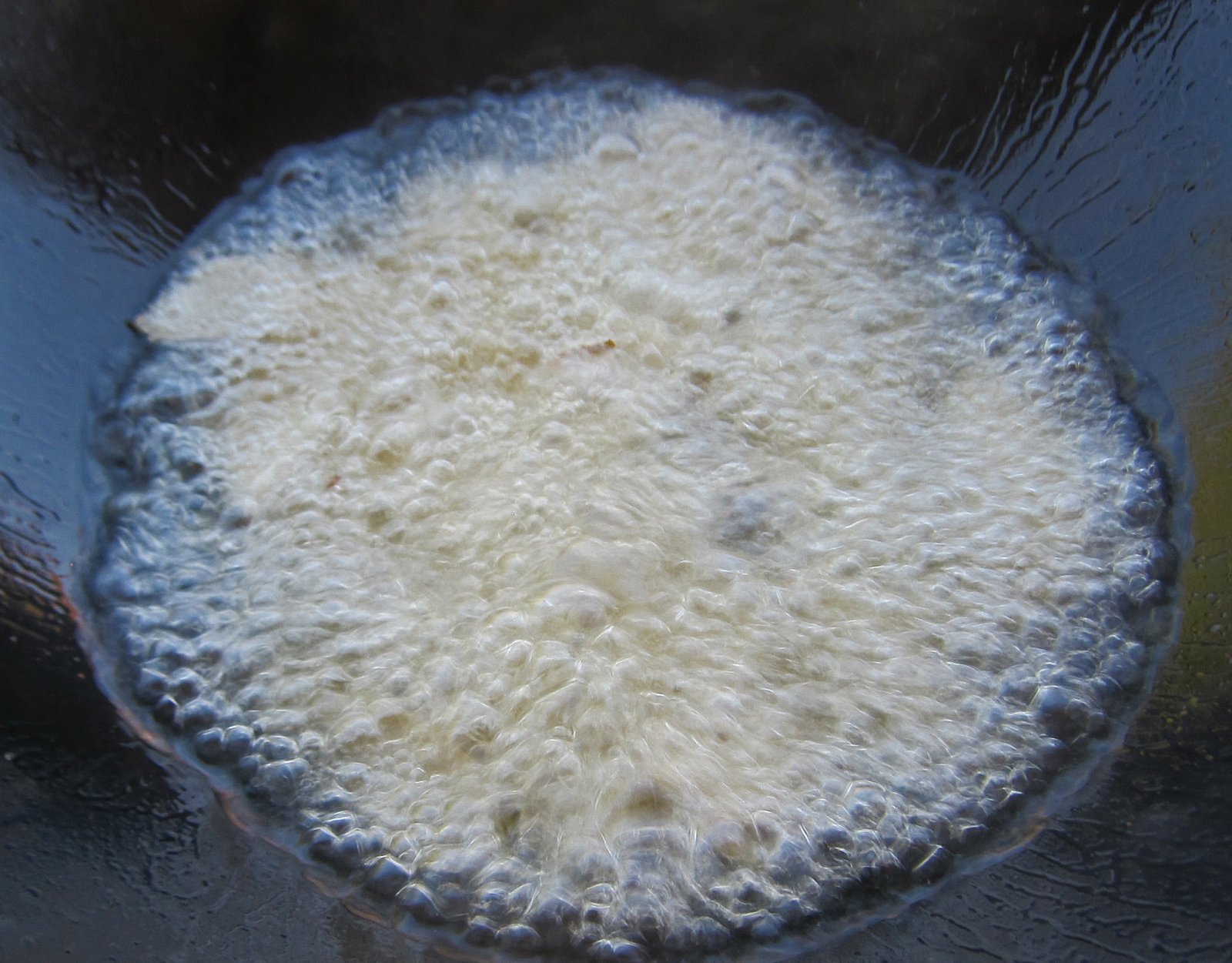
Anyway, you can give it a quick rinse, pat off excess moisture and fry in 370 degree oil…..the Missus oil du jour is Avocado Oil…….you need about two cups.

10292014 008

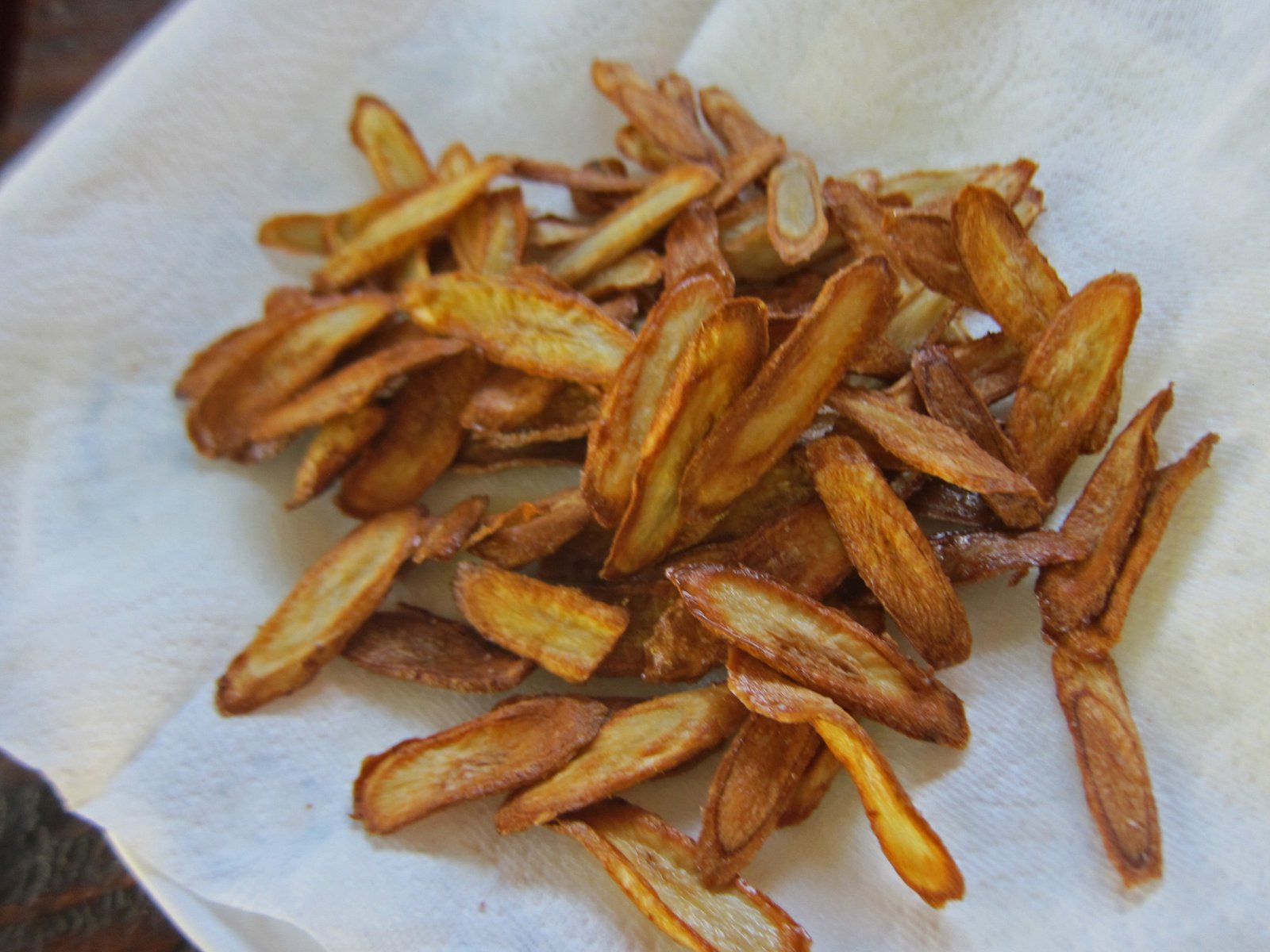
I fry in batches, it takes about 2 1/2/ – 3 1/2 minutes, depending on how crisp you like your chips.

I remove from heat, then lightly salt with Himalayan Salt….but I'm sure good number of flavor combinations will work.

10292014 009

The frying really brings out the mild sweetness in the gobo, it's good fiber, you can control how crunchy you want the gobo………. Plus, I'm sure you can find a number of ways to use these.

Easy, huh?

Have fun!

Carne Knowledge: Carne Guisada

Carne Guisada 01

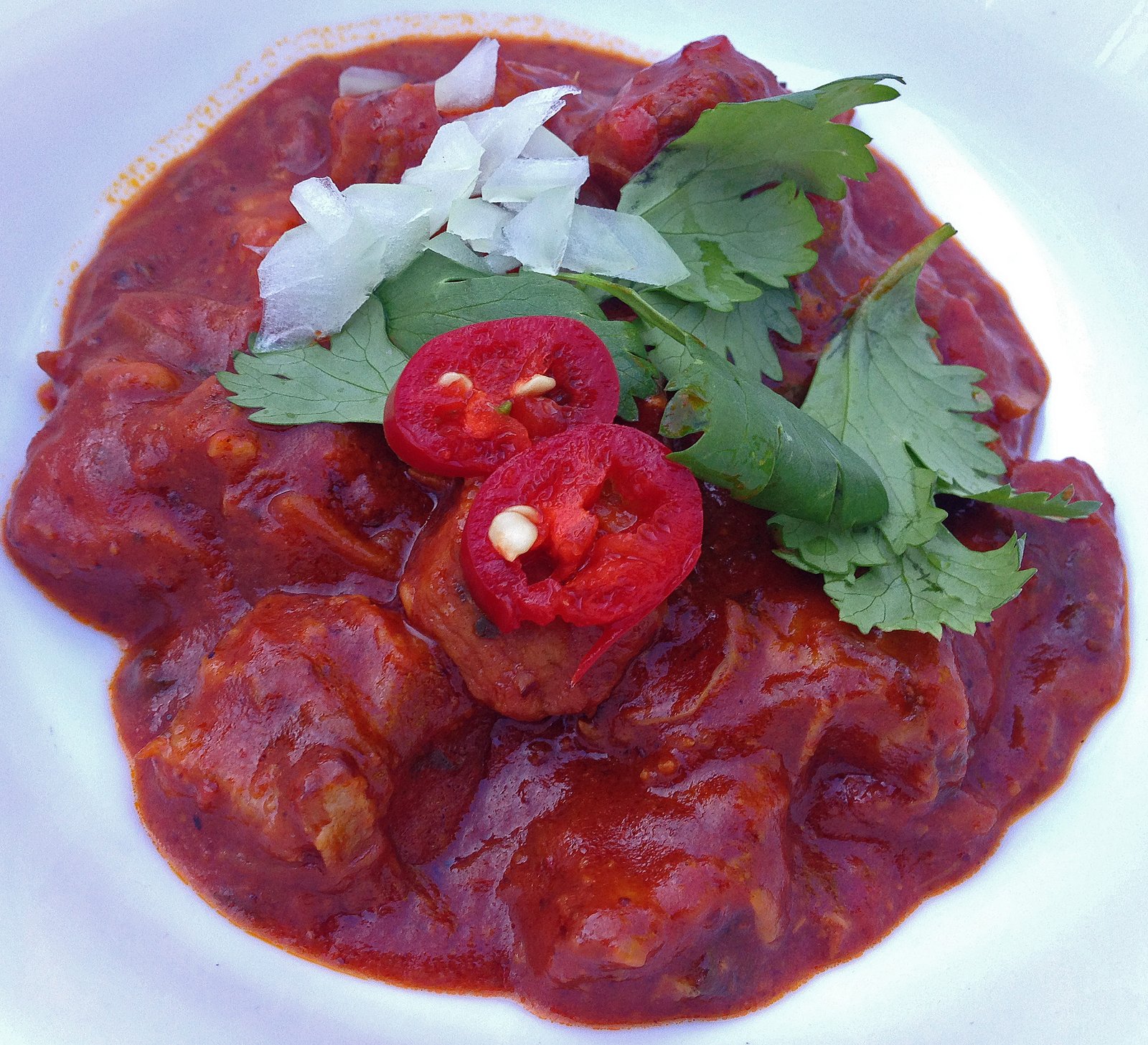
Carne Guisada 05So why call this Carne Guisada? Well, I didn't quite know what else to call it…..

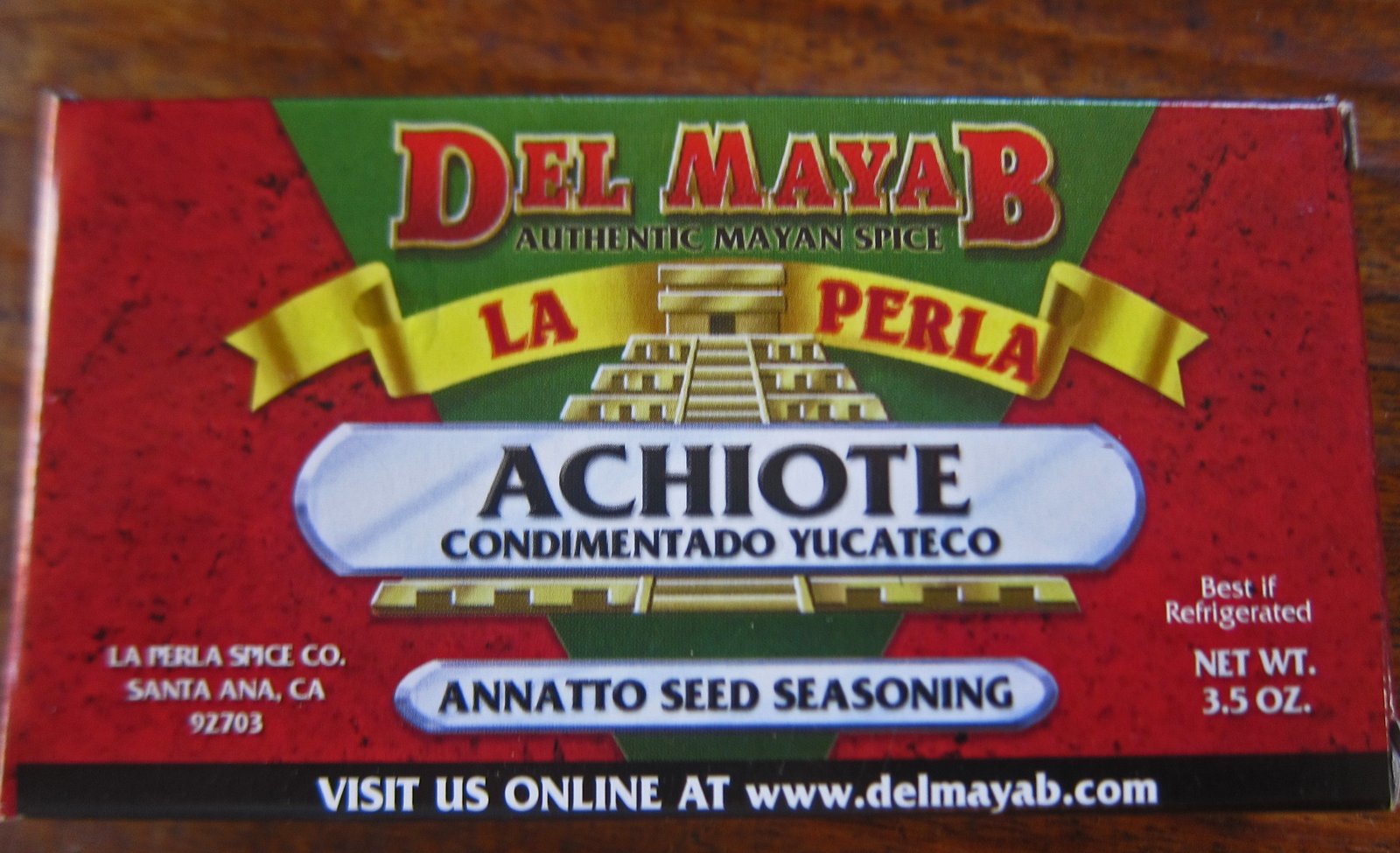
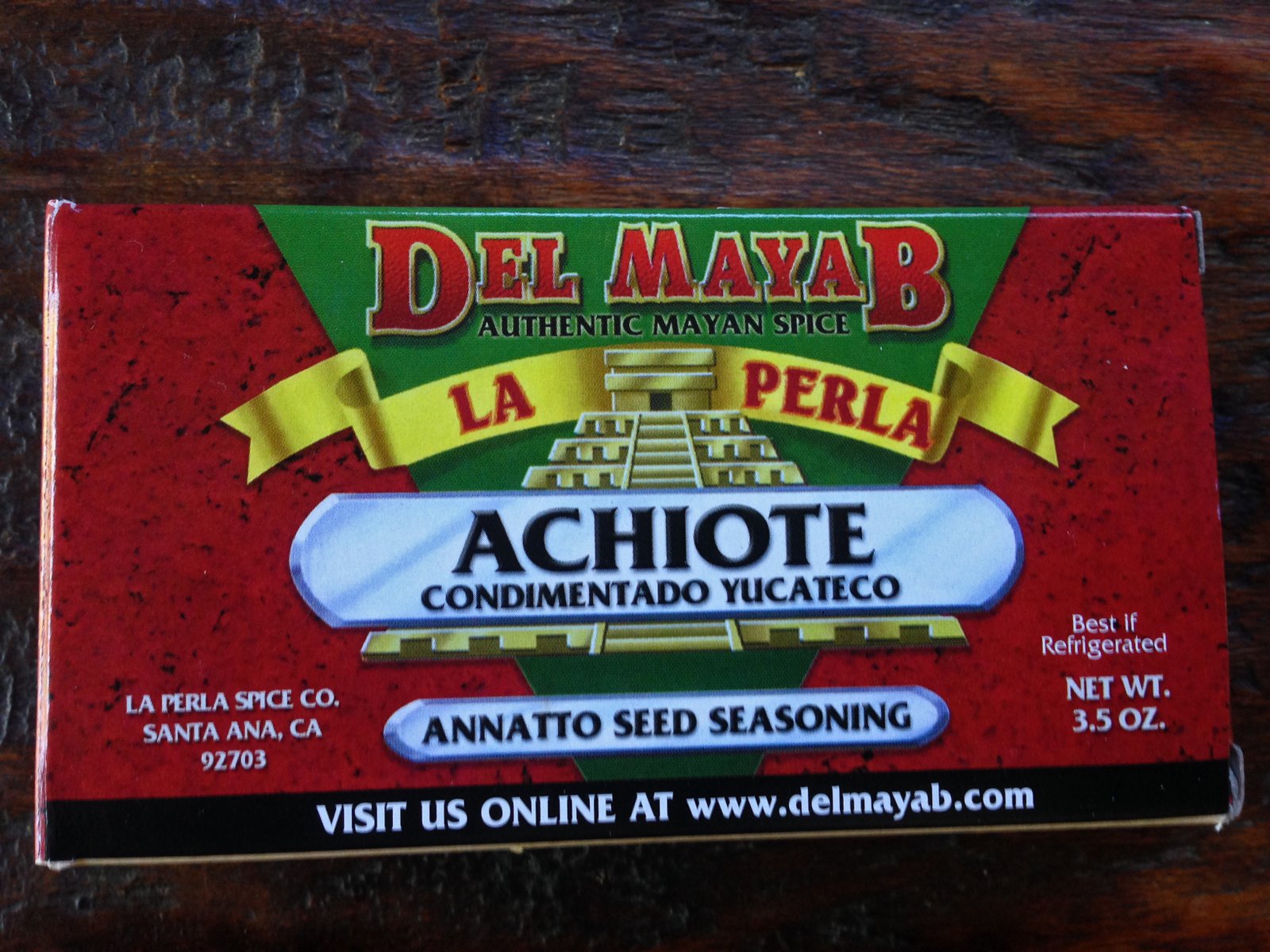
I could have named it "what to do with that block of Achiote seasoning in the cupboard", but that would be a bit too long. This is actually the Missus' idea….She basically requested that I come up with something. So far I've made it three times with prime sirlion, pork butt, and a combination of dark and white meat chicken. The amount of meat is the same, about 2 1/2 to 3 pounds. The process is the same…….brown the meat, then braise. The winner by far is the pork…..which is kind of a pain; trimming it down to size and keeping just the right amount of fat. It's typical browning, season with salt, pepper, ground cumin, and granulated garlic, then if it's beef or pork, drain the fat and start the aromatics. If it's chicken, keep most of the fat since it's much leaner. The fundamentals are the same; help to seal with parchment and braise in the oven. If you ever get the chance, check out Molly Stevens' book, All About Braising, it has some rally great fundamentals, I love the first 36 pages or so of the book. Beer really helps the flavor and I thought it would be a nice touch…..I realize that two cups is 16 ounces and two cans of Tecate, which is what I used is 24. I'm sure you'll, ahem, find some use for the other 8 ounces….

Carne Guisada 02

We have celery growing in the yard. The Missus isn't fond of celery, but I've convinced Her that using the leaves almost as a herb is wonderful and She has bought into it.

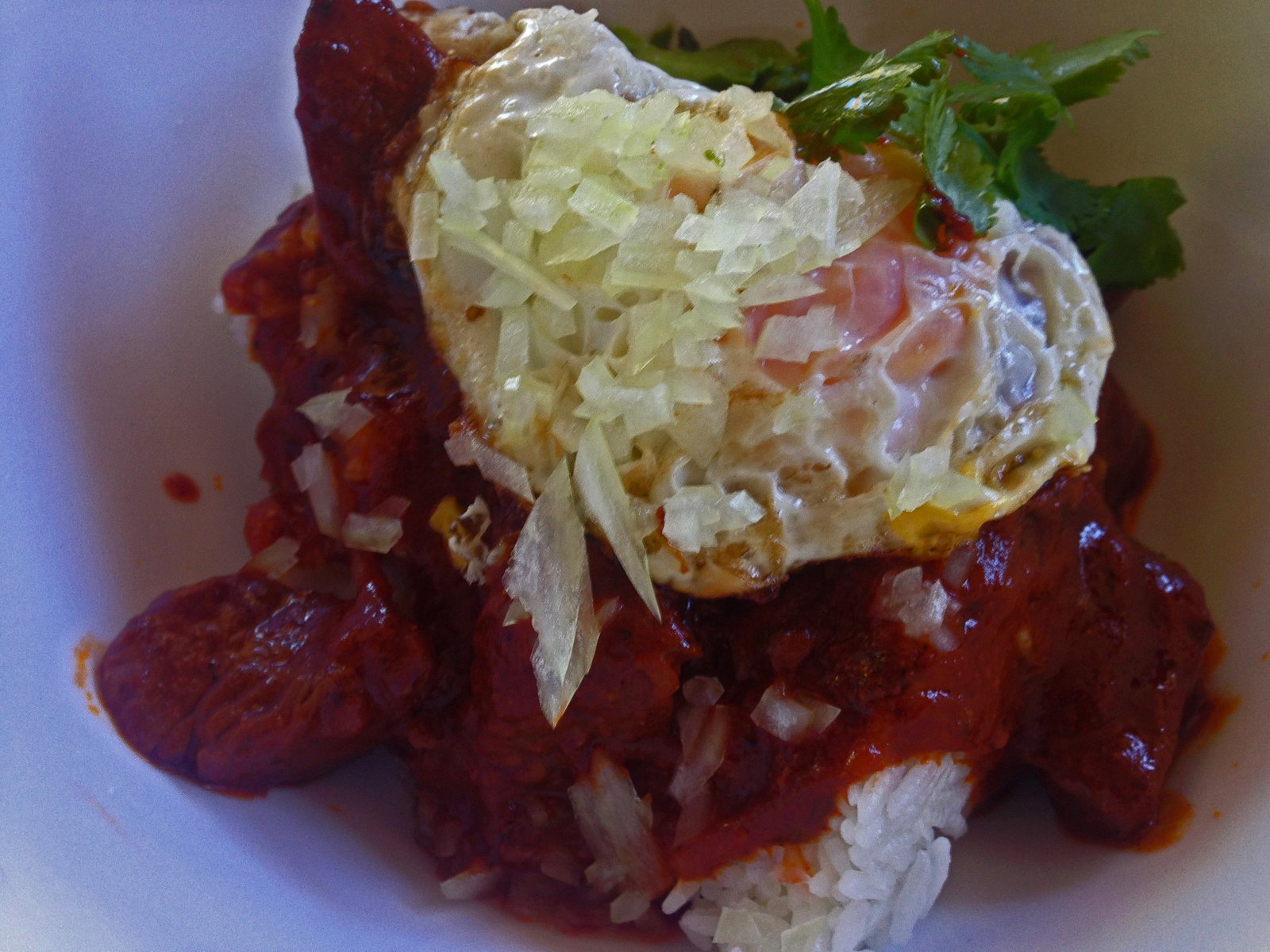
As always, you know your preferences….we should treat these type of recipes as a palette for your palate. I basically use what I have on hand. I like to garnish with cilantro, onions, and lime….topping it with an egg is very nice. The Missus doesn't eat much rice anymore and we have no tortillas in the house, but those do well….I'm thinking enchiladas would be really good as well. The Missus likes Hers with slices of avocado.

It seems like a lot of steps, but is really pretty simple.

Carne Guisada:

Carne Guisada 06

2 1/2 – 3 pounds of cubed chicken (a combination of white and dark meat), pork butt (trimmed of excess fat), or beef

1 Tb ground cumin

1 Tb granulated garlic

3 Tb Avocado Oil s

alt and fresh ground pepper to taste

The sauce:

1 3 1/2 ounce block of achiote seasoning Carne Guisada 03

2 – 15 ounce cans of tomato sauce

5 Cloves of garlic

1/4 cup soy sauce (I used Aloha Shoyu)

1/4  cup Worchestershire Sauce

1-2 Habanero Chilies (optional)

3-4 Tb Agave Syrup

The rest:

1 medium onion sliced thin

1/4 cup celery leaves roughly chopped

1/2 tsp ground Cayenne Pepper (optional)

1/4 cup cilantro leaves roughly chopped

1 Tb Mexican Oregano

1 Tb Ground Cumin

1 Tb Granulated Garlic 4

bay leaves 2 cups beer (I used Tecate)

2 Tb Red Wine Vinegar

– Preheat oven to 325

– Combine sauce ingredients in a blender and blend into a sauce

– Combine Meat with 1 Tb ground cumin, granulated garlic, salt and pepper

– Heat pot or Dutch oven over medium-high heat. Add oil and brown meat in batches. Do not crowd. Remove meat to a large bowl or pan when browned.

– If using pork or beef drain excess oil from pot, keeping about 1-2 tablespoons. Add onions, celery leaves, cayenne pepper (if using) and saute until onions are translucent.

– Add oregano, ground cumin, granulated garlic, and bay leaves. Allow spices to "bloom". – When nice and fragrant, add beer to deglaze.

– When liquid is simmering, add sauce into the pot. Bring to a simmer add Red Wine Vinegar. Carne Guisada 04

– Add meat. It should be in almost a single layer completely covered by the sauce. Add cilantro.

– Place a layer of parchment paper, just enough to touch the food and extending over the edges of the pot. – Cover and place in the oven.

– Check after 30 minutes. If the stew is simmering too vigorously lower the temp by 10-15 degrees or so. I also have a taste at this time and adjust my seasonings.

– Check every hour until your desired texture of the meat is reached. If you will not be eating on the same day, stop a bit earlier. Carry-over cooking will take care of the rest. 

Pescado Zarandeado

I'll readily admit it; I've been in a bit of a rut with regards to cooking lately. The combination of dietary limitations, hours of work, and plain having to come up with something new had made me a bit weary. It was much easier just cranking out stuff I've made over the last nine years or so than making the effort to make something new.

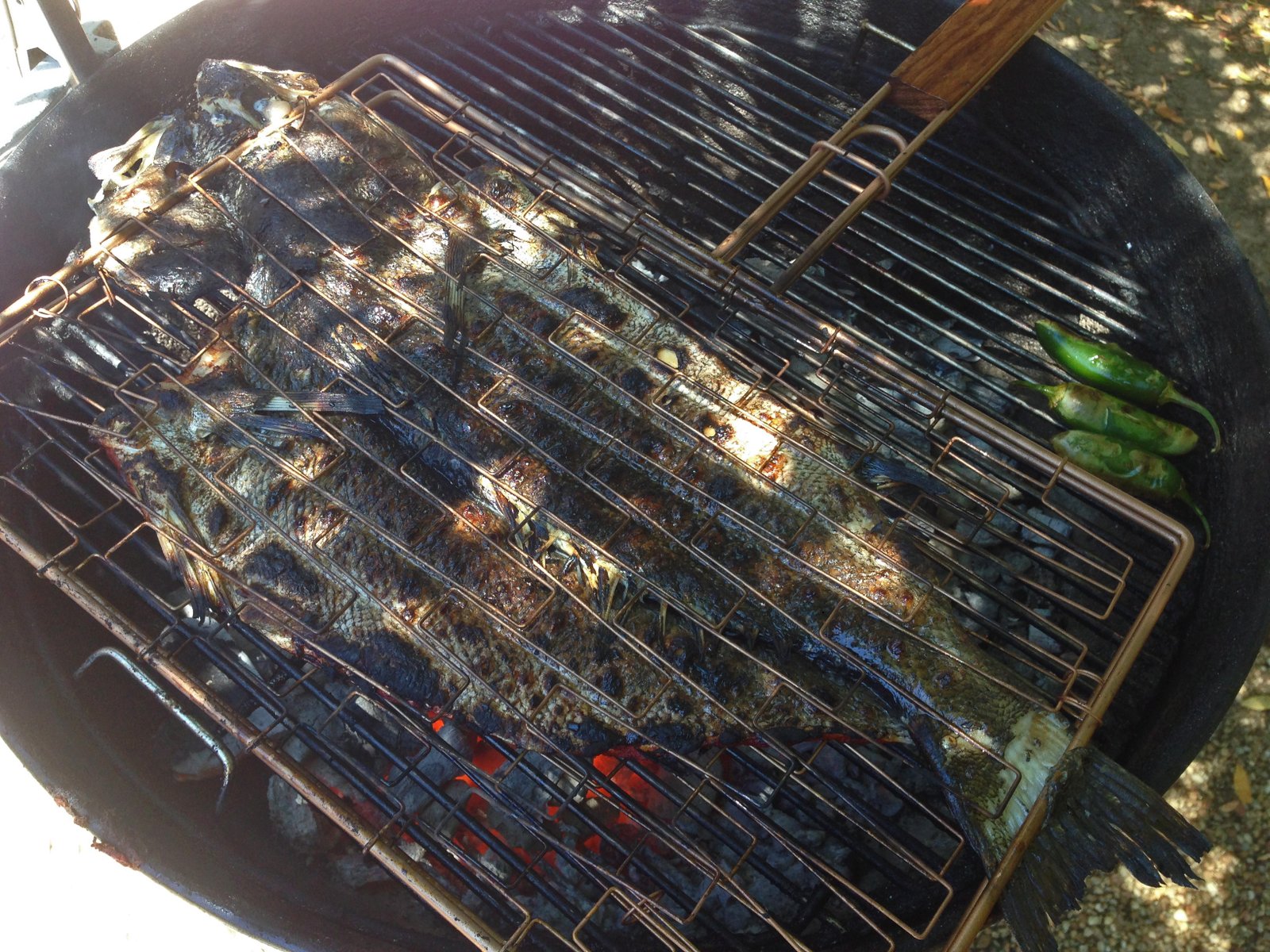
Then into my life walked….or should I say swam some White Sea Bass……whole fish; something I'm really not too thrilled about working with. This is also fairly lean, something I was also not to thrilled with….."the other white meat". The Missus simply said, "why don't you make it like what we had at Godoy."

I dug thru my cabinets and came up with this:

P Zarandeado 01

I went through my cookbooks and found a simple recipe from Rick Bayless's Fiesta at Rick's for Pescado Zarandeado. Instead of using the Guajillo Chilies, I went with the achiote seasoning and (of course) made some adjustments……

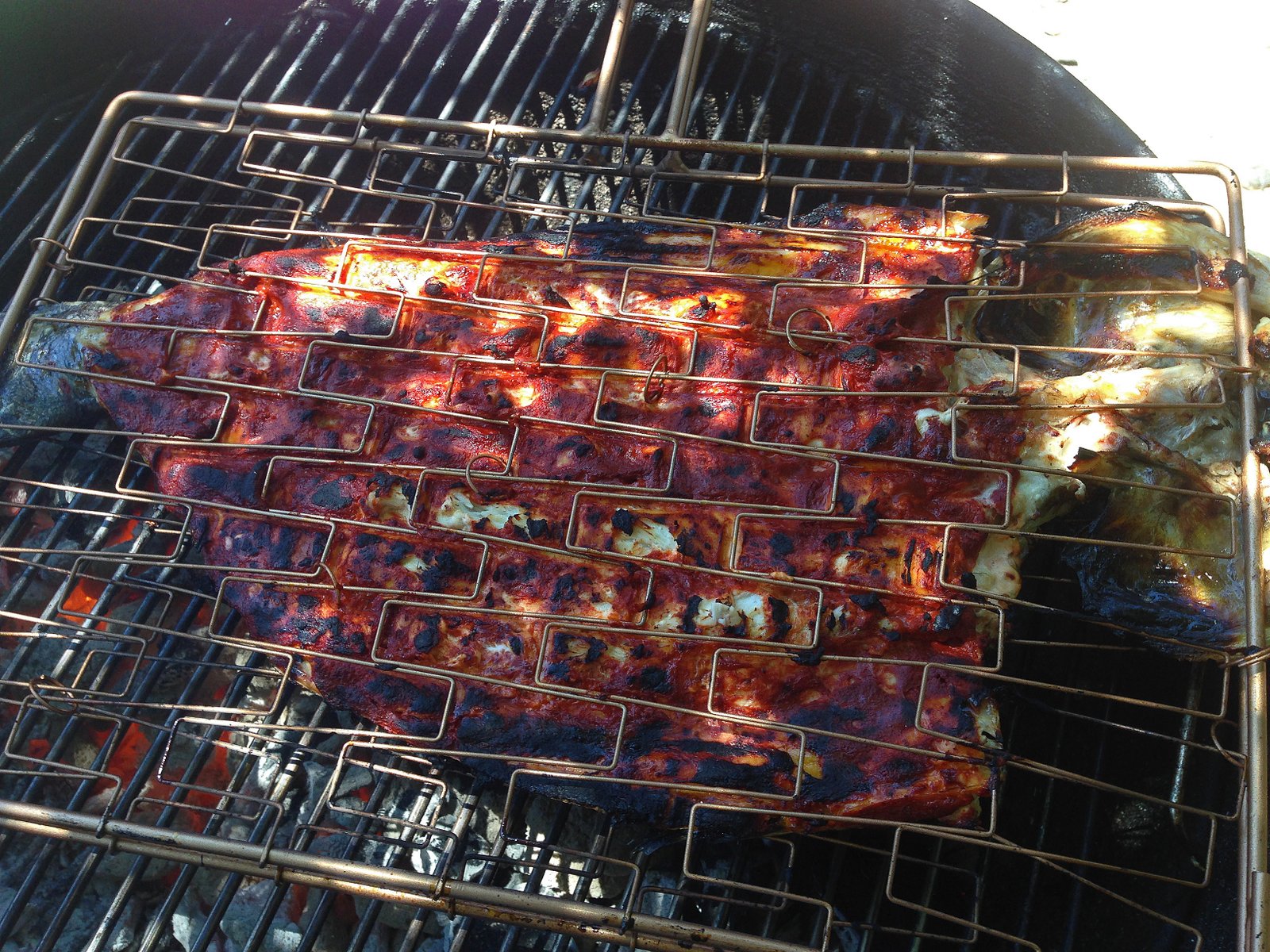
P Zarandeado 05

A bit more garlic, a red habanero from the yard, no salt, everything tasted salty enough…and slightly bitter so I added a touch of agave syrup.

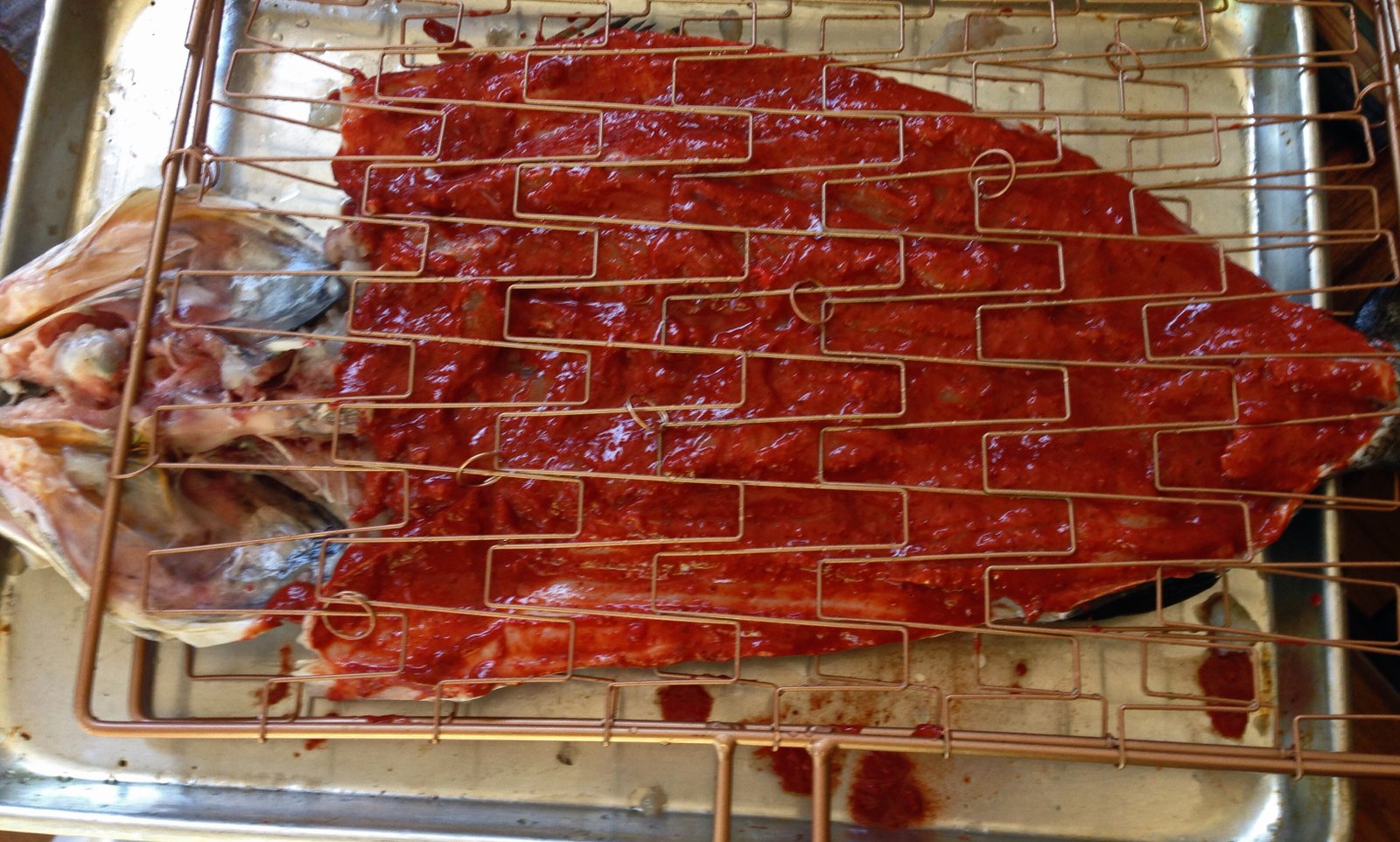
I butterflied the fish, something I hadn't done in forever. I then severed the backbone and removed it from the fish, making for easier pickins'.

A well oiled grill basket is a must.

Achiote Paste:

1.75 Ounces(half a block) Achiote Seasoning P Zarandeado 02

1  – 8 ounce can of tomato sauce

2 Tb grated or finely minced garlic

3 Tb soy sauce (of course I used Aloha Shoyu)

3 Tb Worcestershire Sauce

1 Tb Agave Syrup

1/4 tsp Chipotle Powder Fresh ground pepper to taste

1 Red Habanero Chile (optional)

– Combine all ingredients in a blender, puree to a smooth paste.

Use for a fish weighing about 3 pounds or so. I'm sure you can also use with filets, perhaps half the weight of the whole fish.

When charcoal is hot brush fish with sauce – this will probably be more than enough sauce. I understand that you shouldn't "marinate" the fish as it will change the texture. P Zarandeado 03

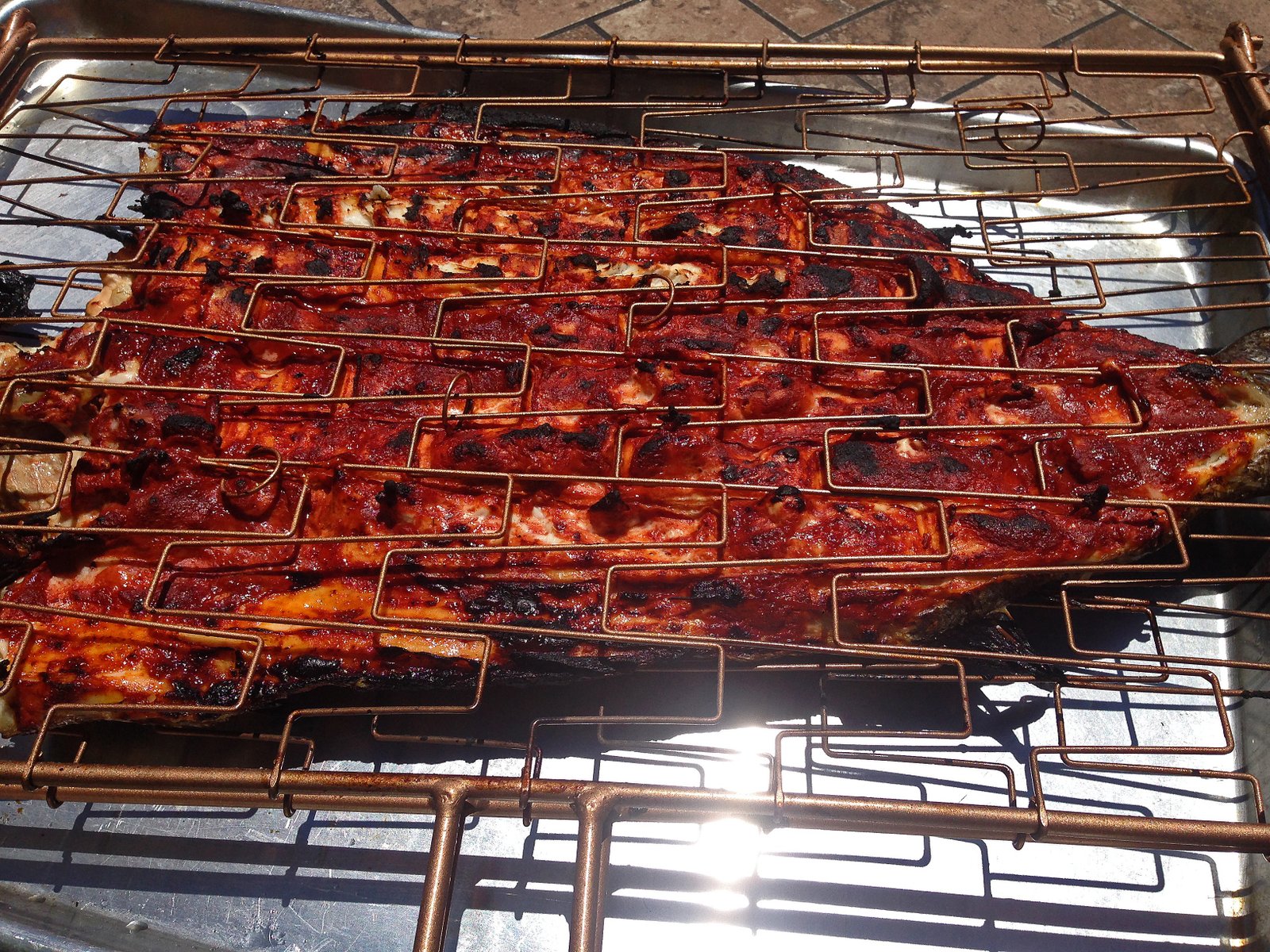
When you're ready to go, place a grill basket over charcoal grates. When hot, brush with an oil with a high smoke point. Place fish in basket, close basket and grill, turning every 3-4 minutes until cooked, about 15 minutes or so.

When done carefully open the basket and transfer to a platter.

P Zarandeado 04If you noticed the somewhat conspicuous presence of soy sauce and went, "what the heck?" Well, you aren't alone. According to Rick Bayless, many Chinese settled on the West Coast of Mexico after helping to build the railroad in the late 19th century and their presence can still be found….

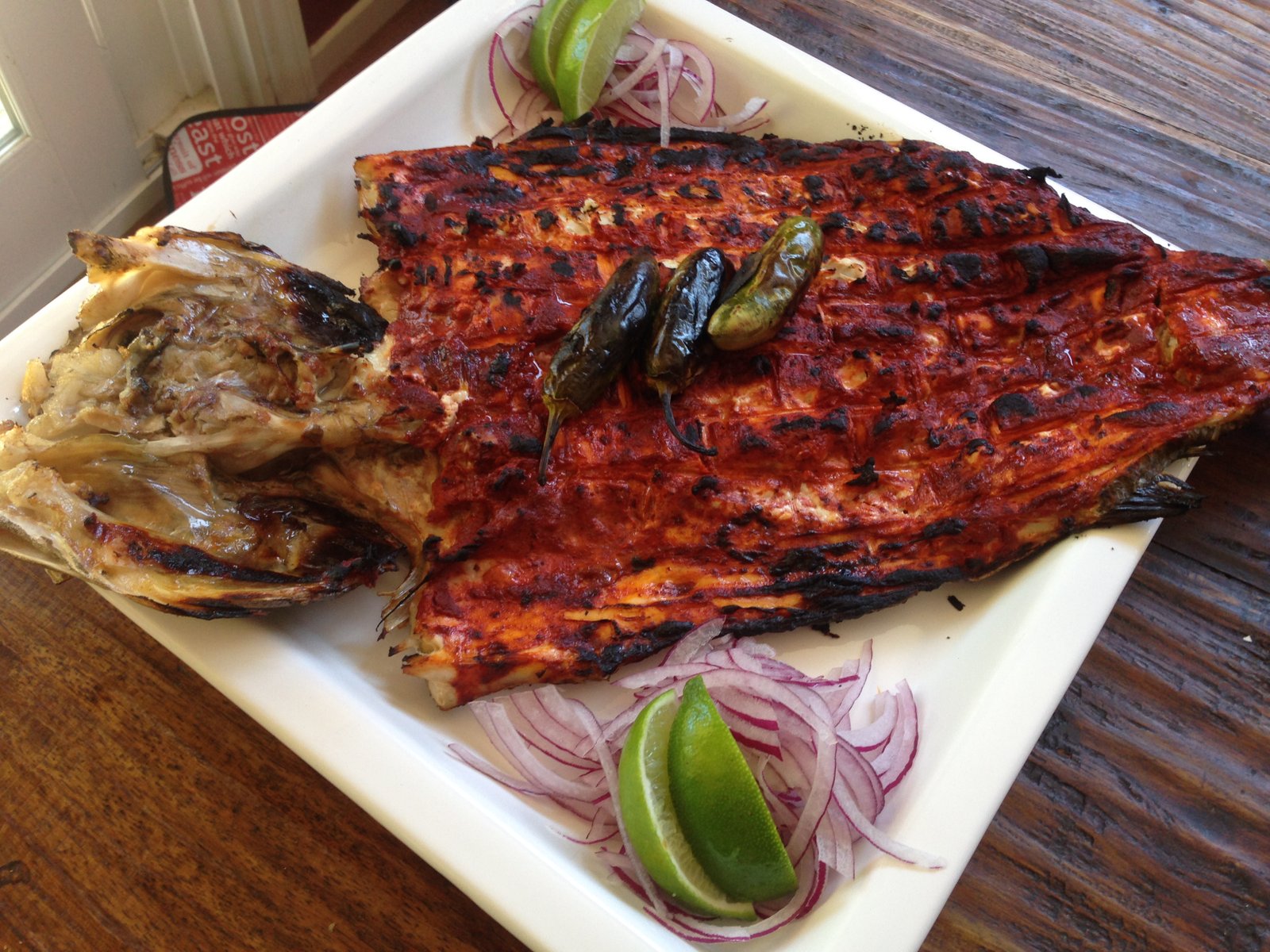
I served this with a nice, spicy pico de gallo, lime, and thinly sliced red onion.

P Zarandeado 06The Missus really enjoyed the flavors.

Though to be perfectly honest, She enjoyed the grilled chicken I made the next day with the leftover sauce. It was wonderful with a nice refreshing salad.

I really needed something different to get my juices flowing again. To make me open all those books, to look at an ingredient and really want to do something a bit different…… this was the dish that did it for me. 


In a pickle: Utopenci – The Drowned Man

All hail the Drowned Man……

Utopenci 01

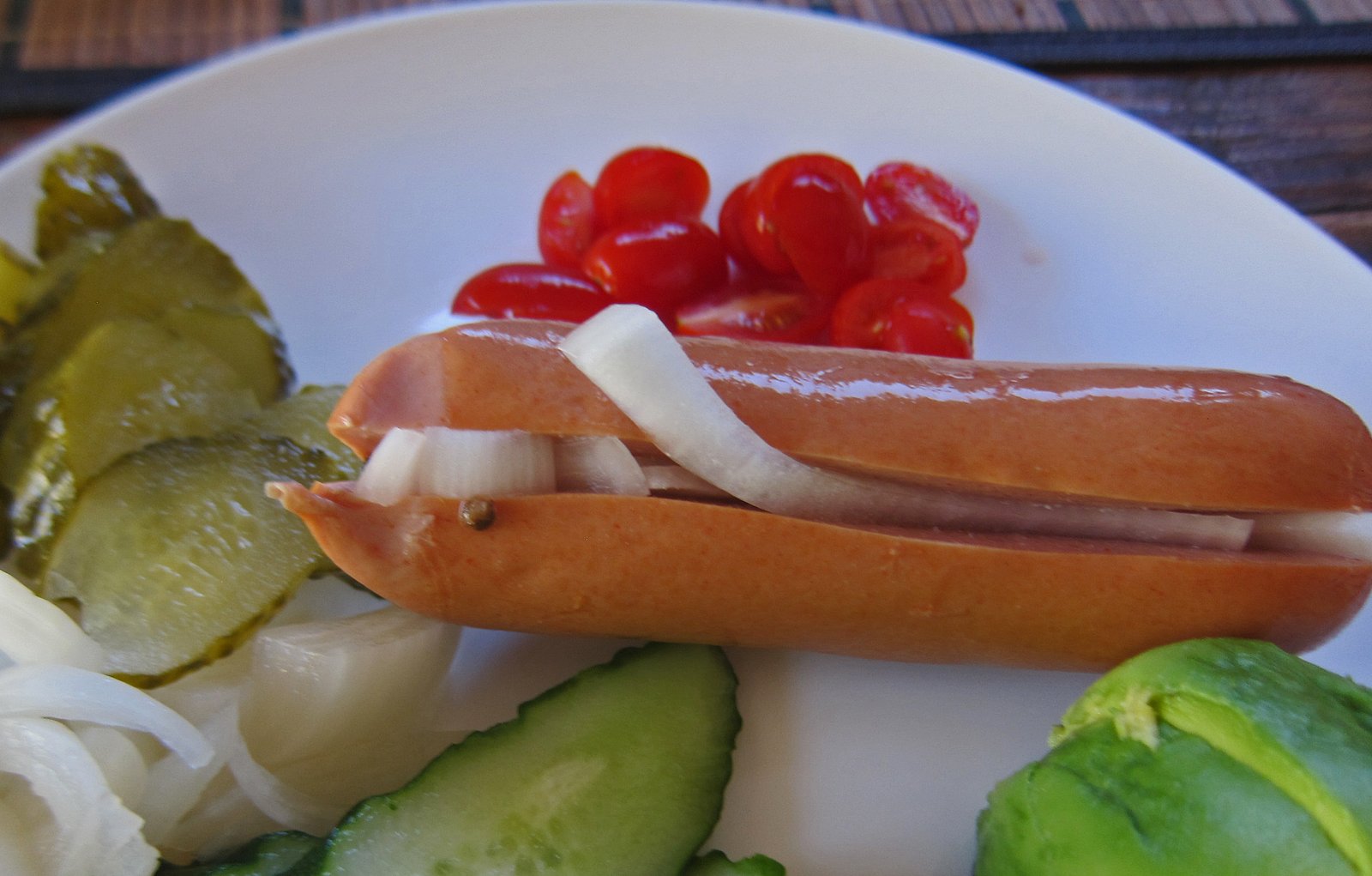
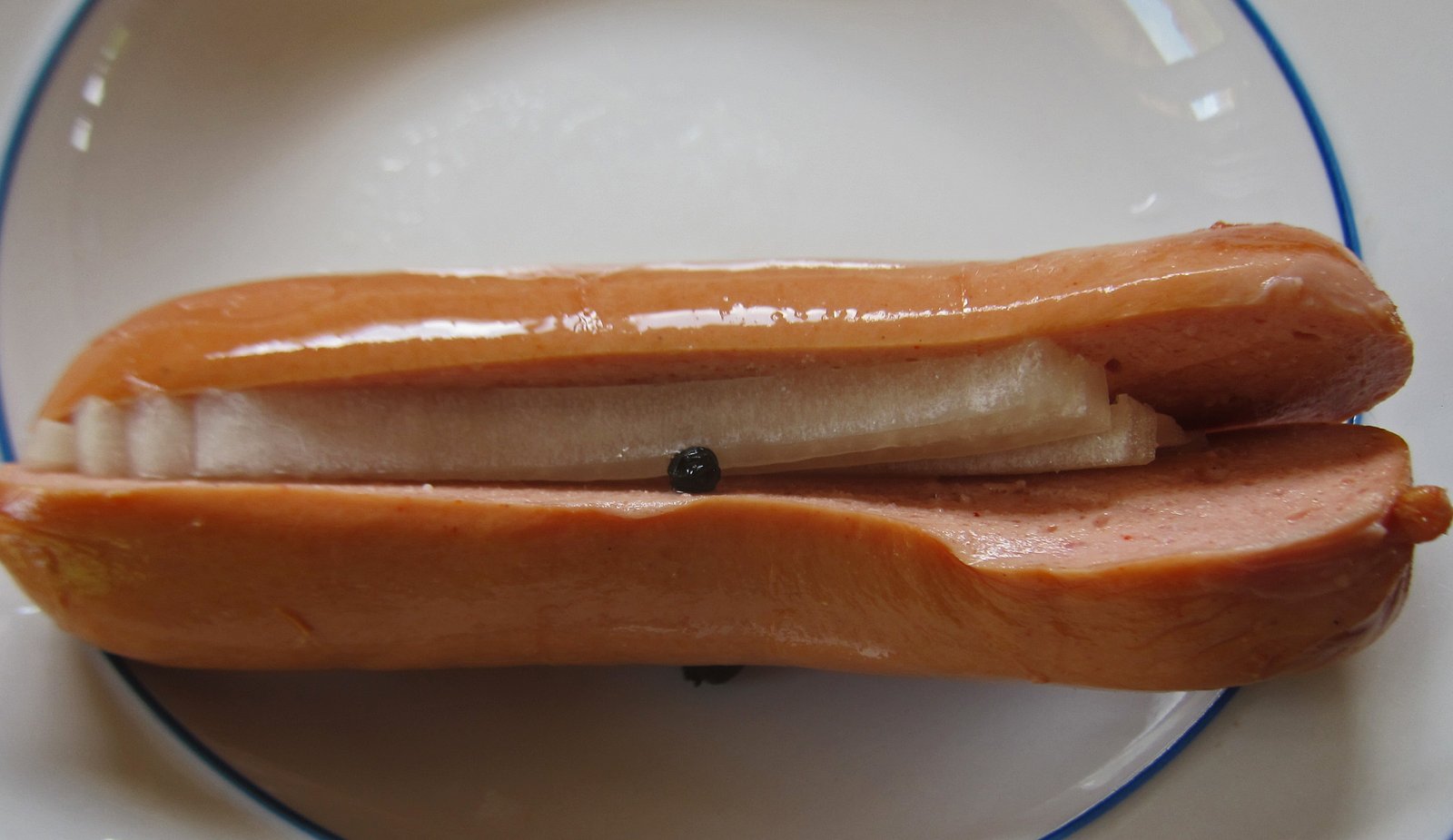
We always return from our trips having learned a little something….about ourselves, our tastes, there's always a new wrinkle. While in the Czech Republic, we fell in love with this "hospoda" (pub/tavern) specialty; Utopenci, literally "drowned man". There's just something about these tart-sour-porky sausages that really refresh when you have it with a cold one.

Why "drowned man"…well, we heard two stories, typical of the rather dark, ironic, humor we found in the Czech Republic,….the "Czech twist" we call it. The first is that the inventor of this dish, a pub owner, got drunk one night and drowned to death, hence the "drowned man". The second story is that these pickled tubular meat items look like drowned bodies bobbing around in the jar……

Utopenci 03We tried Utopenci wherever we saw them on the menu in the Czech Republic and even bought a couple from markets when we went shopping. The Missus could be heard exclaiming "I really am craving a drowned man…." in the airport….luckily, we were in Prague so other than the tourists, everyone else knew what She was talking about…. I think.

These are knackwursts from Tip Top Meats, smoked forcemeat type sausages. If you buy an uncooked sausage, you can heat them in the pickling liquid before bottling.

Couple of key points, it is important to make that slice two-thirds of the way through. It ensures that the sausage absorbs all of that pickling goodness. Second, as with the Pickled Onion recipe, this is a "starter" type deal. Make adjustments to your taste, this uses a 2:1 ratio of vinegar to water…add celery, chilies, garlic….smoked pork!

Main thing is that those little "men" floating around in your fridge hit the spot……

Utopenci – The Drowned Man:

Utopenci 02

3/4 Cup Water

1 1/2 Cup White Vinegar

1 tsp Kosher salt

1/2 tsp Whole Peppercorns

1/2 tsp Whole Allspice Berries

2 Bay Leaves

1/2 Onion sliced 1

1/2 lb Smoked Sausage – kielbasa/smoked knackwurst, or whatever sausage tickles your fancy.

– Combine water, vinegar, and salt in a pan and bring to a simmer. Utopenci 04

– Add bay leaves and simmer for 5 minutes. Add in peppercorns and allspice

– Once liquid cools slice sausage 2/3 way through – if using kielbasa cut down to size first.

– Place a slice of onion in sliced part of sausage. Place a couple of slices of onion at the bottom of a sterilized jar.

– Pack sausages in the jar

– Cover with liquid, seal jar and leave 5-7 days before eating.

There you've a set of drowned men you can call your own!

Duck Confit

Meet our latest "staple", something the Missus says we should always have on hand……

Duck Confit 01

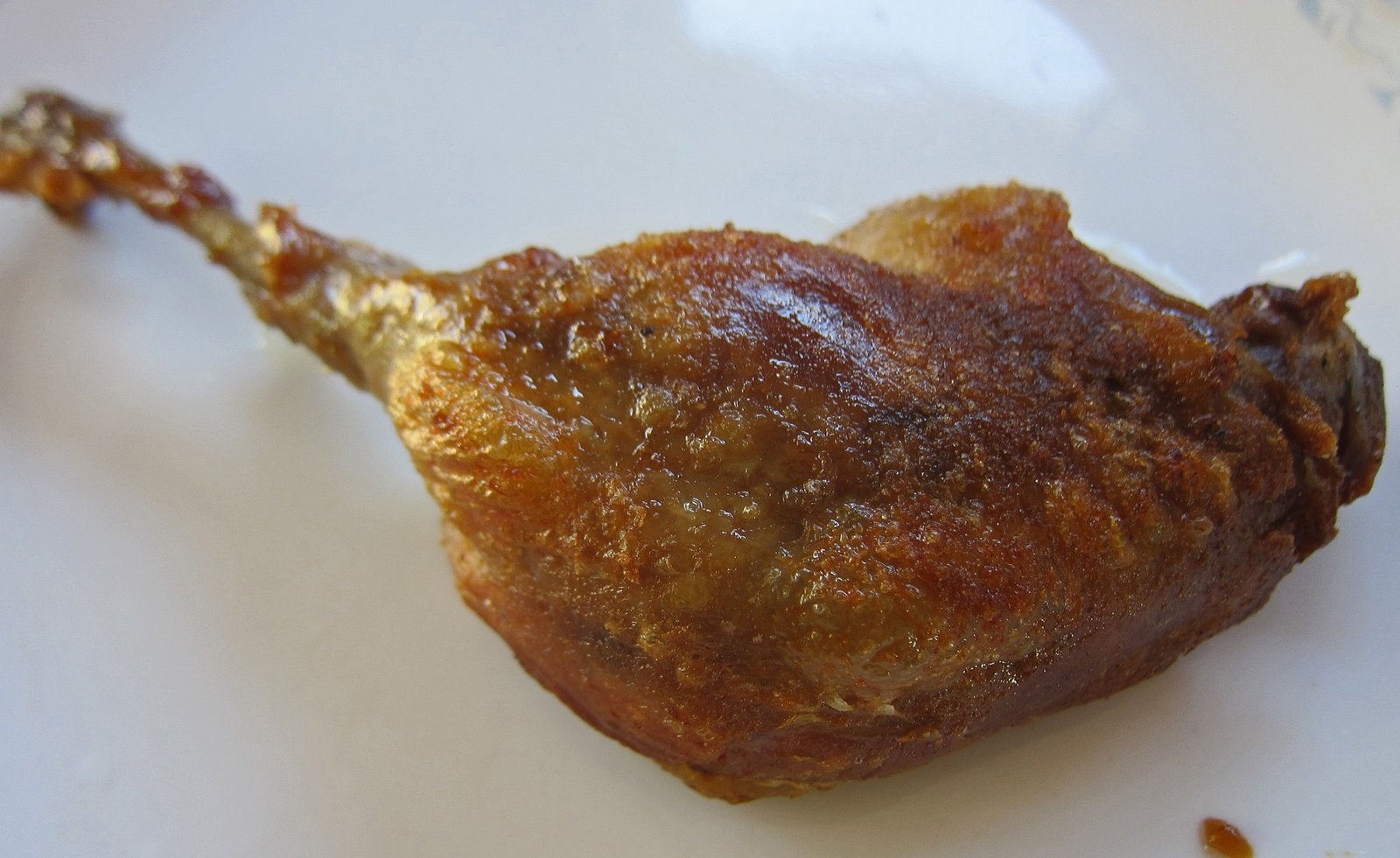
Basically, duck legs, cured, then cooked at a very low temperature covered with fat (oil poached) for hours, which produces and amazingly flavorful, juicy, and tender product. It can then be stored in it's own fat for rather long periods of time. Most folks hear "duck confit" and think it;s something difficult to make; but at its core it's basically a preservation method, with animal fat used as a barrier to the elements. It is amazingly easy….basically prep, cure, rinse, dry, poach in oil, cool, put in the fridge.

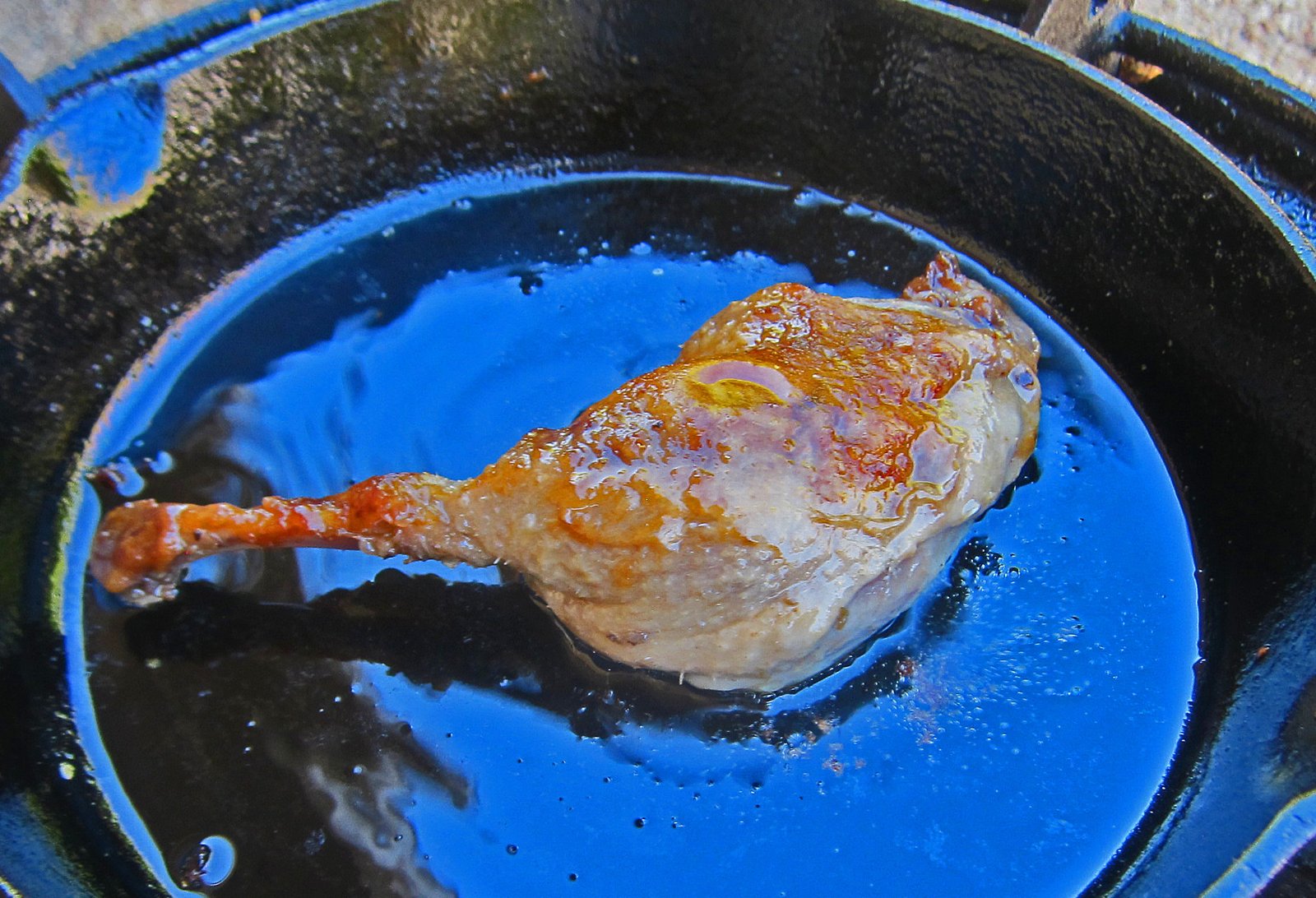
Prepping them for a meal is also easy; the most basic method being putting in a 400-425 oven and baking until heated through and the skin is crisp. I prefer doing this on the stovetop, starting with a cold pan and under low heat. The fat renders out…which we later use for eggs or potatoes. The idea is to heat through slowly while crisping up the the skin. I usually raise the temp a bit near the end.

Duck Confit 02

This one had a simple pan sauce where the duck fat is poured off into a bowl for later use, shallots are softened, since we're still not doing cooking with alcohol at home; I used veal stock to deglaze and reduce. When reduced I add a touch of Date vinegar, and creme fraiche, since it's fermented and allowed. This one is served with a version of stoemp, made a bit more creamy with the cooking liquid from the sauteed vegetables and some duck fat. It is, in a word, quite the meal.

All you really need for curing the duck is really salt….but of course, the Missus needs that little "Chinese touch", because She believes all duck should have that flavor profile, so I use Five Spice powder…..from QingDao…where you actually go to a herbalist/pharmacy to have them mix up for you. The duck legs I order from Bristol Farm, I pick them up, usually the day it is delivered….it's never frozen and quite fresh.

Duck Confit – mmm-yoso style

Seasoning per duck leg:

3/4 Tb of coarse sea salt – we use Maldon Salt because it's pretty easy to get

several grinds of black pepper Duck Confit 03

1/4 tsp Chinese Five Spice

1/2 tsp granulated garlic

Duck fat to cover/submerge duck legs. About 6 cups or so. (you can supplement with pork fat, or other neutral oil – not too much)

– Rub seasoning into duck and place fat side down in a single layer in a pan

– Place in the fridge overnight

– Wipe cure off duck and place duck in a single layer in a pot and submerge in duck fat

– Cook at a low temperature, preferably 180-190 degrees….the lowest in our oven is 200, which I measured at 210, so I make due.

– Cook for 4-8 hours. We're usually at the low end. Duck Confit 05

– When a skewer goes easily into the duck legs remove from the heat- the tricky part is to stop before the duck start breaking down. It will keep cooking as it cool.

– Cool, and remove to a container, cover with fat and place in the fridge.

Once you've finished eating your duck, you can reuse the fat for confit a few more times before it gets too salty…..

In a pickle: Easy Pickled Onions starter recipe

It's a getting a bit too warm in the hallway for fermentation. Yet we've kinda caught the bug. So why not play around with pickling? I love pickled onions and I'm thinking about using those Ghost Peppers, or maybe Red Habaneros to make some spicy pickled onions.

In a Pickle - Onion 01So I thought I'd go with a starter recipe for pickled onions, like we used to make "back home". The recipe has been scaled down for a single jar and can be doubled, quadrupled, etc as desired. You can add more salt, less salt, soy sauce, etc….. My original recipe had sugar…..equal to the amount of salt. No bueno here since the Missus is on Her "diet". I added a couple of cloves of garlic and three serranos.

Anyway, here's a decent base recipe. It's a nice start; you can make adjustments as you desire….

This is good with any rich meat…or fried chicken…or fried whateva'.

Easy "Local Kine" Pickled Onions:

In a Pickle - Onion 02

3/4 cup bottled water

3/4 cup white vinegar

1 1/2 medium onions quartered – but not cut all the way through

1 1/2 Tb Kosher Salt

1/4 red bell pepper cut into strips

1/2 tsp black peppercorns

A couple of chilies, garlic, etc…..

– Wash a sterilize Ball jar – Combine water, vinegar, and salt. Stir until salt dissolves – Pack Ball jar with onions, bell pepper, etc…. – Add peppercorns – Pour in pickling liquid – Cover and seal. Leave in a dark place for 1-2 days shaking occasionally – Then refrigerate for at least 5 days before eating