Over the last couple of years I've become a proponent of small group or private tours. I do a bunch of research ahead of time and really want to learn and experience things. Understanding your preferences is important and reading reviews imperative. Over the last few years we've become interested in Mezcal and we were finally in the Capital of Mezcal; Oaxaca, so why not try to find a guide to learn more about Mezcal. I found a company; Where Sidewalks End that featured a private Mezcal tour they call, the "Sacred Mezcal Experience". We would actually visit a Palenque and visit the agave fields, with not only a guide, but with the Mezcalero!
Our guide, Victor picked us up at our hotel and soon we were off. During the drive we were provided so much information; the difference between Artisan and Ancestral Mezcal. Ancestral Mezcal does not allow for the use of stainless steel, the agave must be hand or stone milled, and the distillation must be done in clay pots! Also, the saying "All tequila is mezcal, but not all mezcal is tequila." That is Tequila is made from agave; but only one type of agave is used.
Soon enough we arrived at Palenque el Cornejo in Santa Catarina Minas. The very rustic palenque and tasting room greeted us.
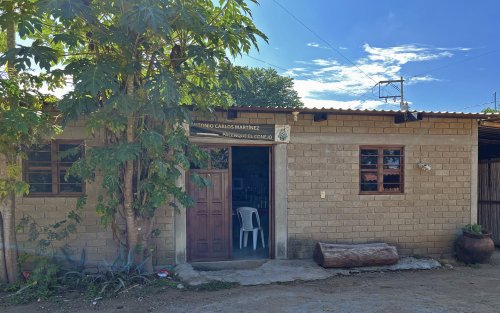
 And while there were some folks in the tasting room; that's not where we were headed. Maestro Antonio Carlos Mendez, known as "Cornejo" greeted us. He is a third generation Mezcalero and his production, other than help from his young sons is a one man show.
Soon enough we were loaded into the back of a pick-up with Victor and two of the young boys to head out into the fields.

And after passing thru a gate the truck was parked and we headed up into the hills.
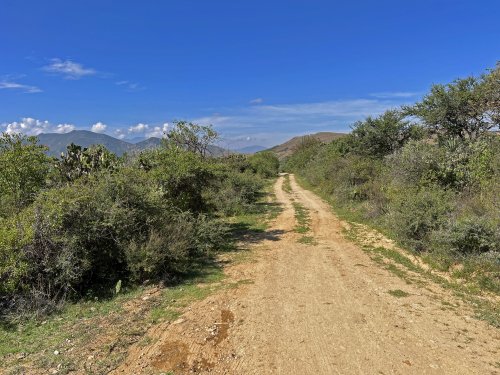
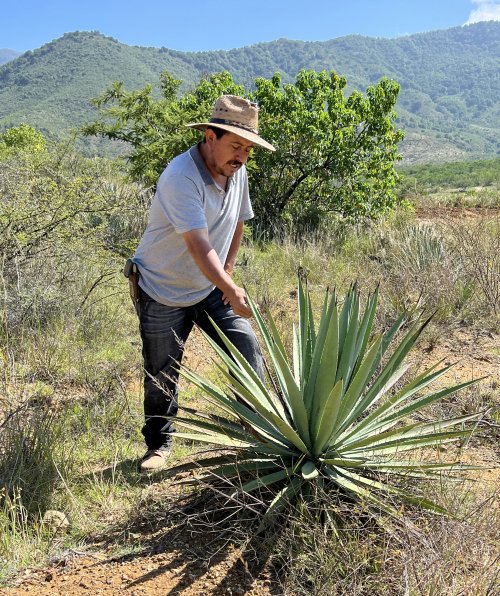
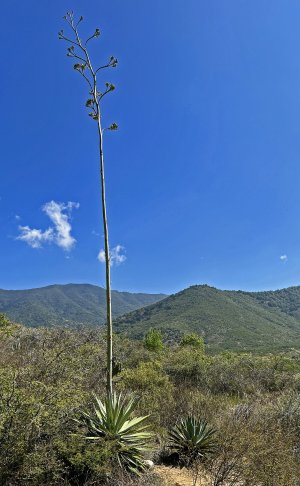 Along the way we were introduced to the various species of agave that were growing. There are almost 50 difference species of agave used to make Mezcal; though Espadin is the most common because it can be cultivated.
What makes other species of agave difficult is that the plant can propagate in two different ways; by seeds, which you can see in the photo to the right, Antonio waits until the right time to harvest the seeds and then they can be planted nearby; or pups, little "runners" from the mother plant which can left to grow around "mom" or carefully moved. According to Antonio, some species can take over 20 years to mature. So just think, if Antonio planted seeds from certain plants today, it might be his sons who harvest the plant!
As for the species, it was quite humorous, the various plants were named and we were tested on them. I actually got 5 of the 6 correct! Not that I can name them now. Though I distinctly remember that's a Tobala below; it's very distinctive.
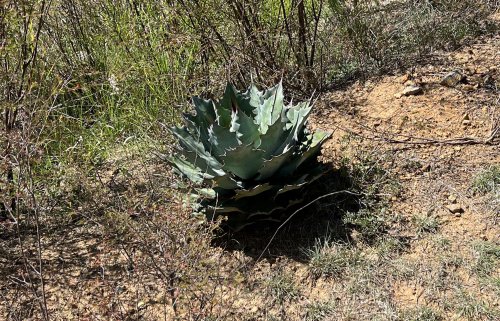
Some of the agave were quite impressive….

And we loved that his sons were actively involved. In fact, Victor told us that the three boys rather work in the agave fields than go to school!
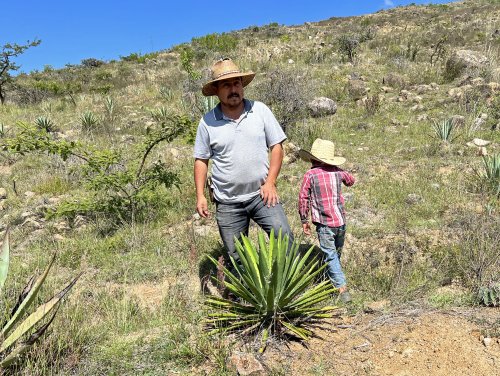
The oldest son was not able to attend on this day because of a school activity, we met him later and he was so clean cut and an amazing young man.
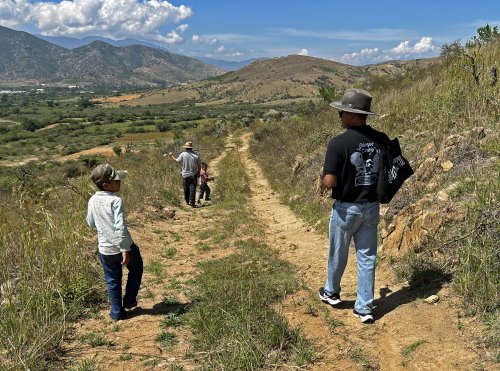
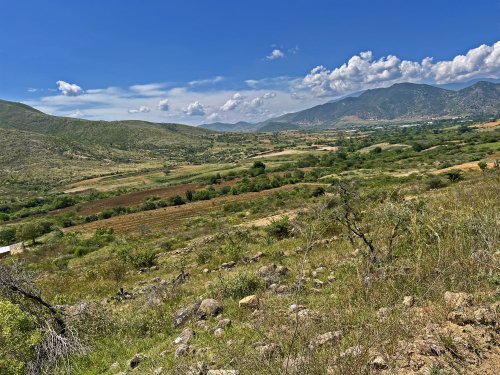
After our tour of the hills we headed back to the work shed. Going downhill we got a chance to appreciate the view.
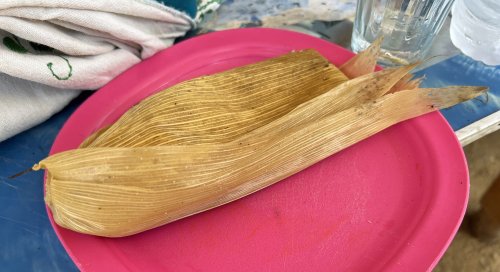
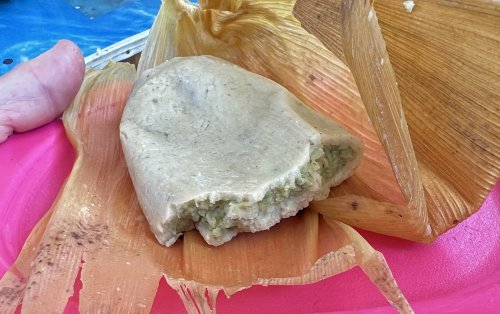
Back at the work shed we were fed lunch; a nice hearty meal of tamales.

And before leaving, there was one more thing to be done. There was another reason I booked this tour. We would each get one "baby" agave to plant! So, you now what our "pups" were named, right? Also, notice the stones next to the shoots? During our walk, I noticed that the boys were placing stones next to plants and asked Victor about this. He told me this was the way to "mark" that the plants are accounted for. So, of course I got our "boys" some stones, right?
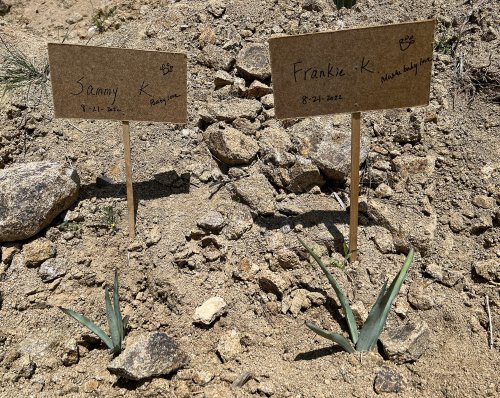
I'm hoping we can return someday to see how our "pups" are doing.
After which things were closed up and we headed back to the palenque.
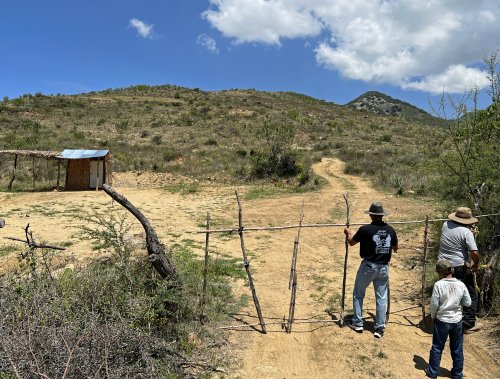
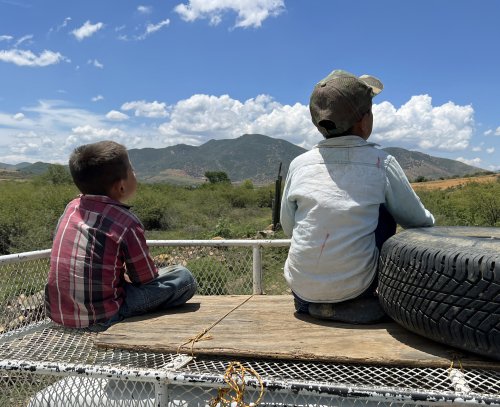
We arrived back at the palenque for the next part of the tour……the production and distillation of mezcal. The heart of the agave plant is called the piña. Once harvested, these are roasted in a stone lined pit.
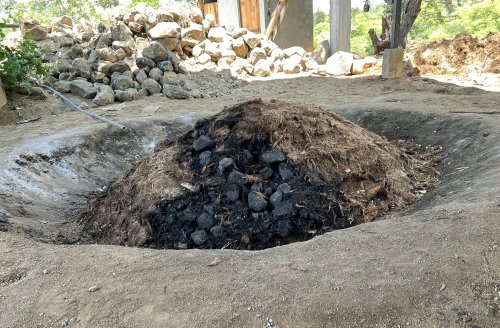
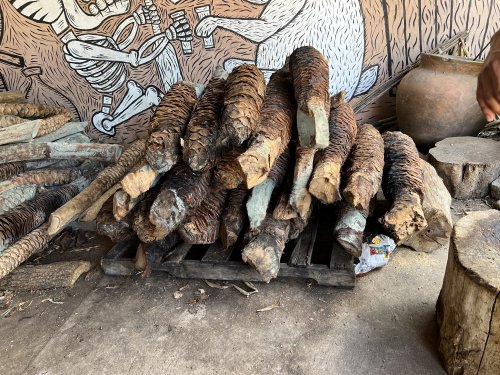
This is what the agave looks like when it's done. We were even given tastes of the piña.
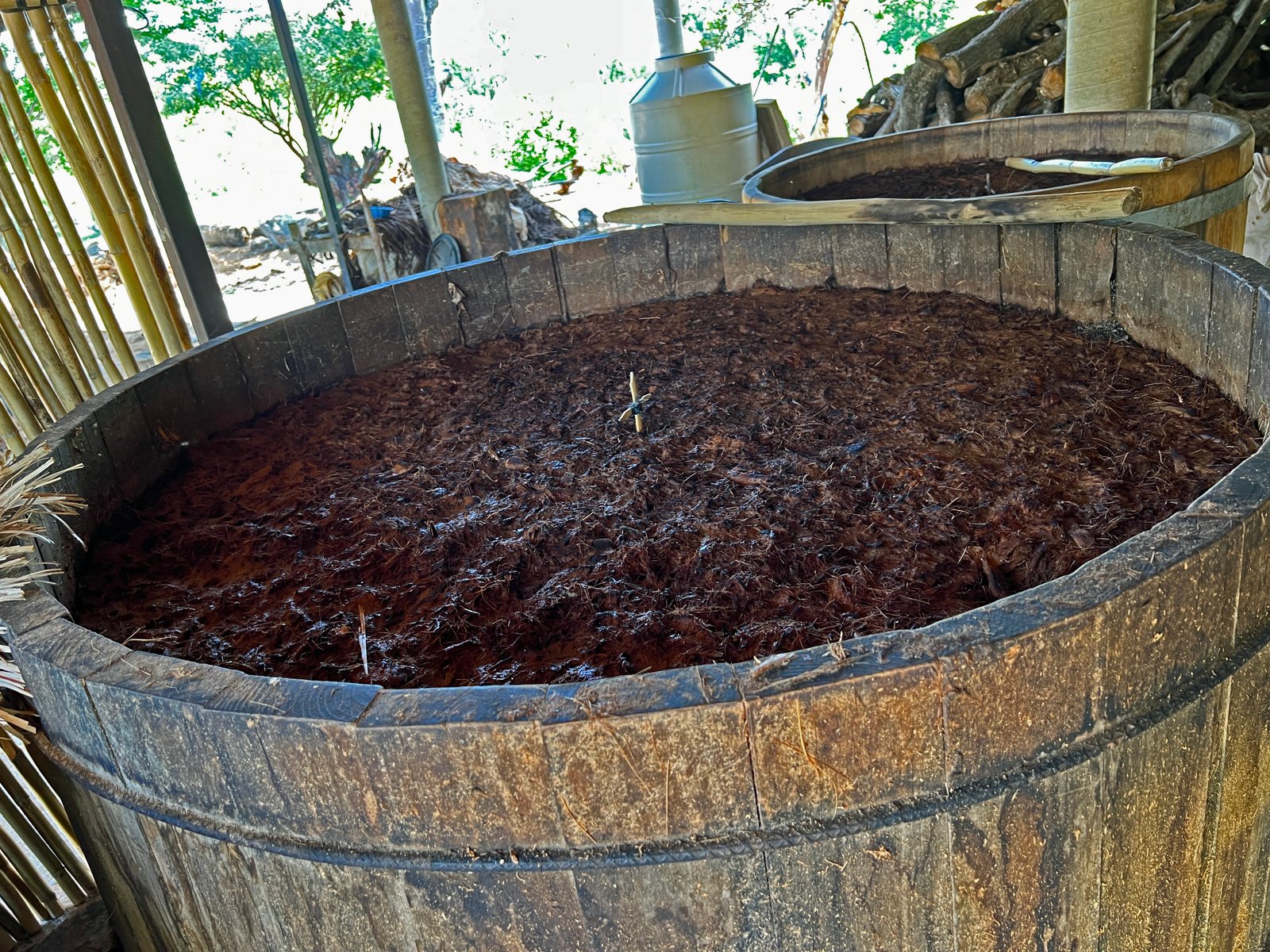
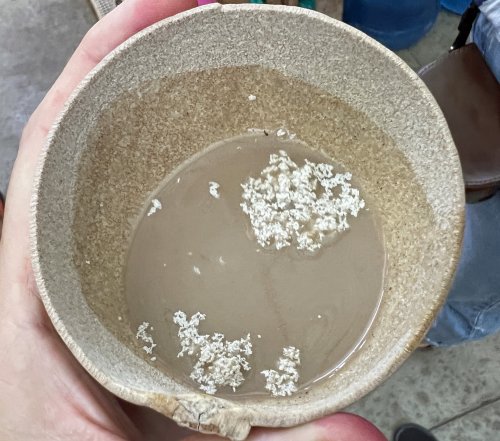
The agave is then milled, then water is added to the fiber and juice to begin fermentation.
Then the fermented agave juice is distilled twice.
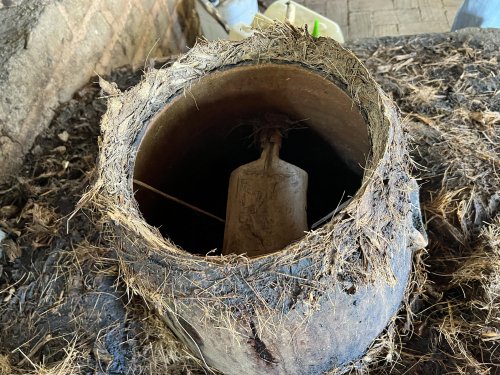
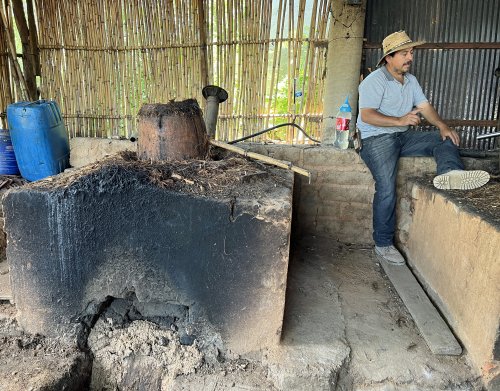
And Antonio even described the process for Mezcal Pechuga to us.
After this, we got a private tasting.
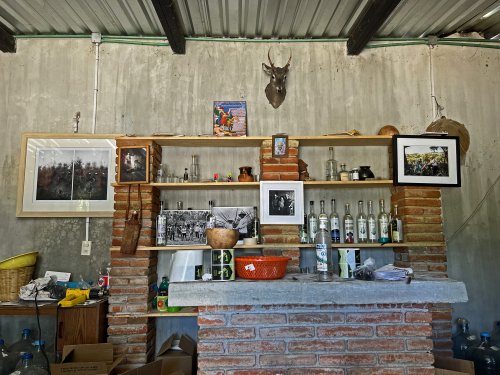
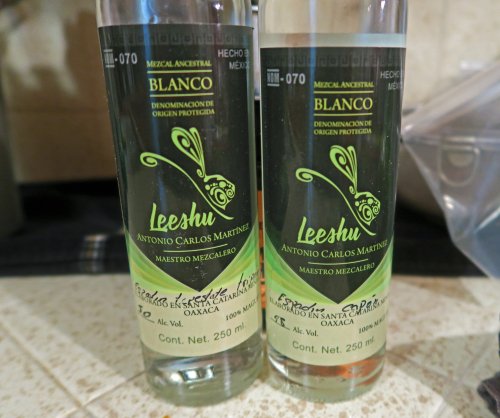
And even though we basically only do carry-on sized luggage, even bought a couple of bottles.
This was an amazing day; we learned so much, met some wonderful, warm and hard working folks, got a taste of history and culture, which was even more than we could ask for. It was such a wonderful, humbling experience that exceeded our expectations.
This is why we travel!


 Jalatlaco was the location of a


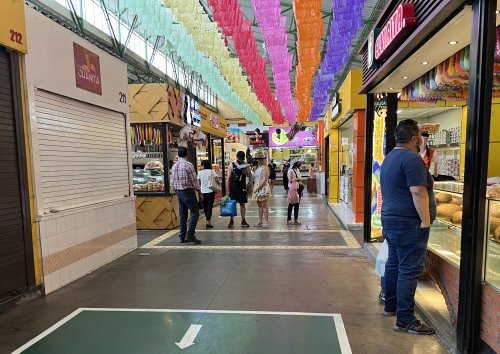
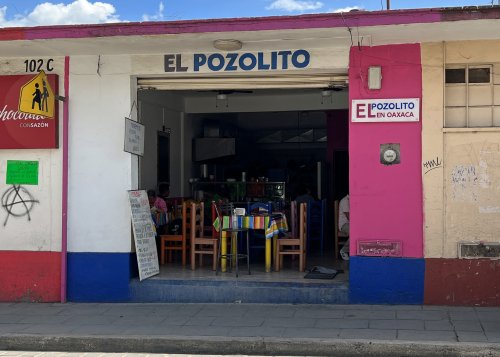




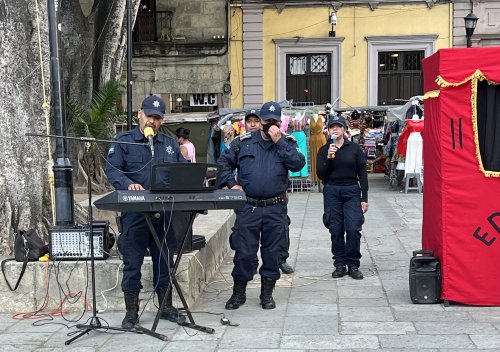

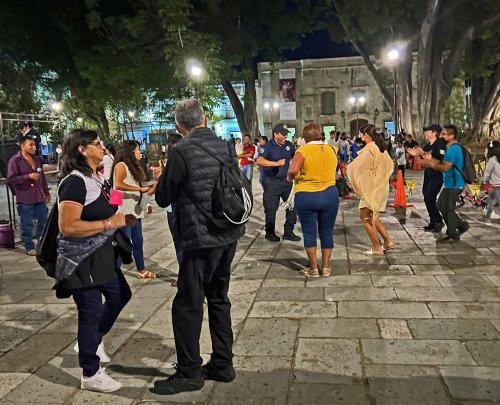
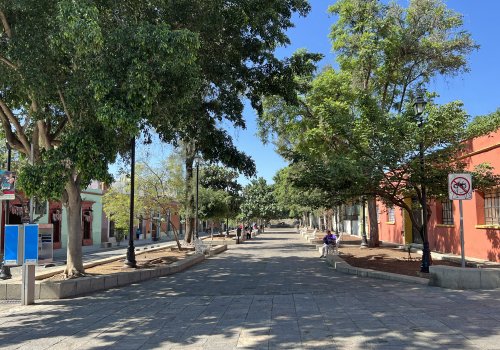
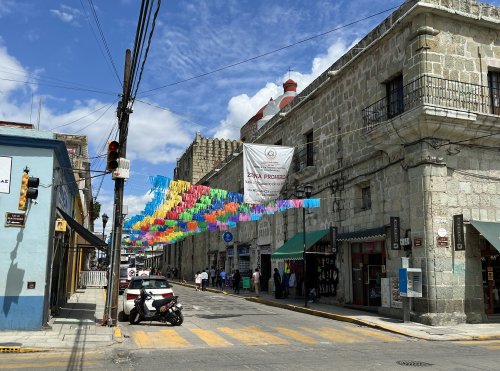
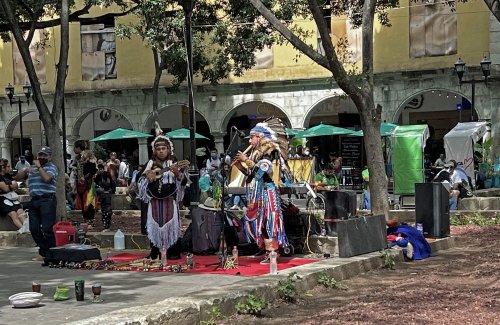
 We headed up Macedonio Alcalá. This was a Saturday evening so there were folks everywhere. Things were lively, but not out of control.
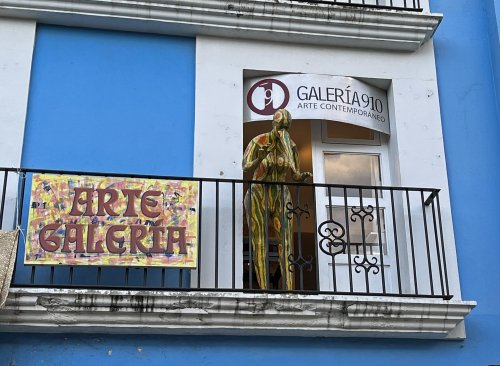
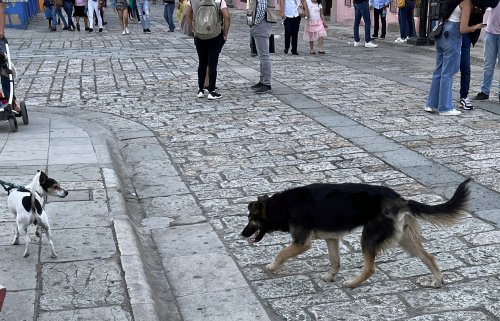






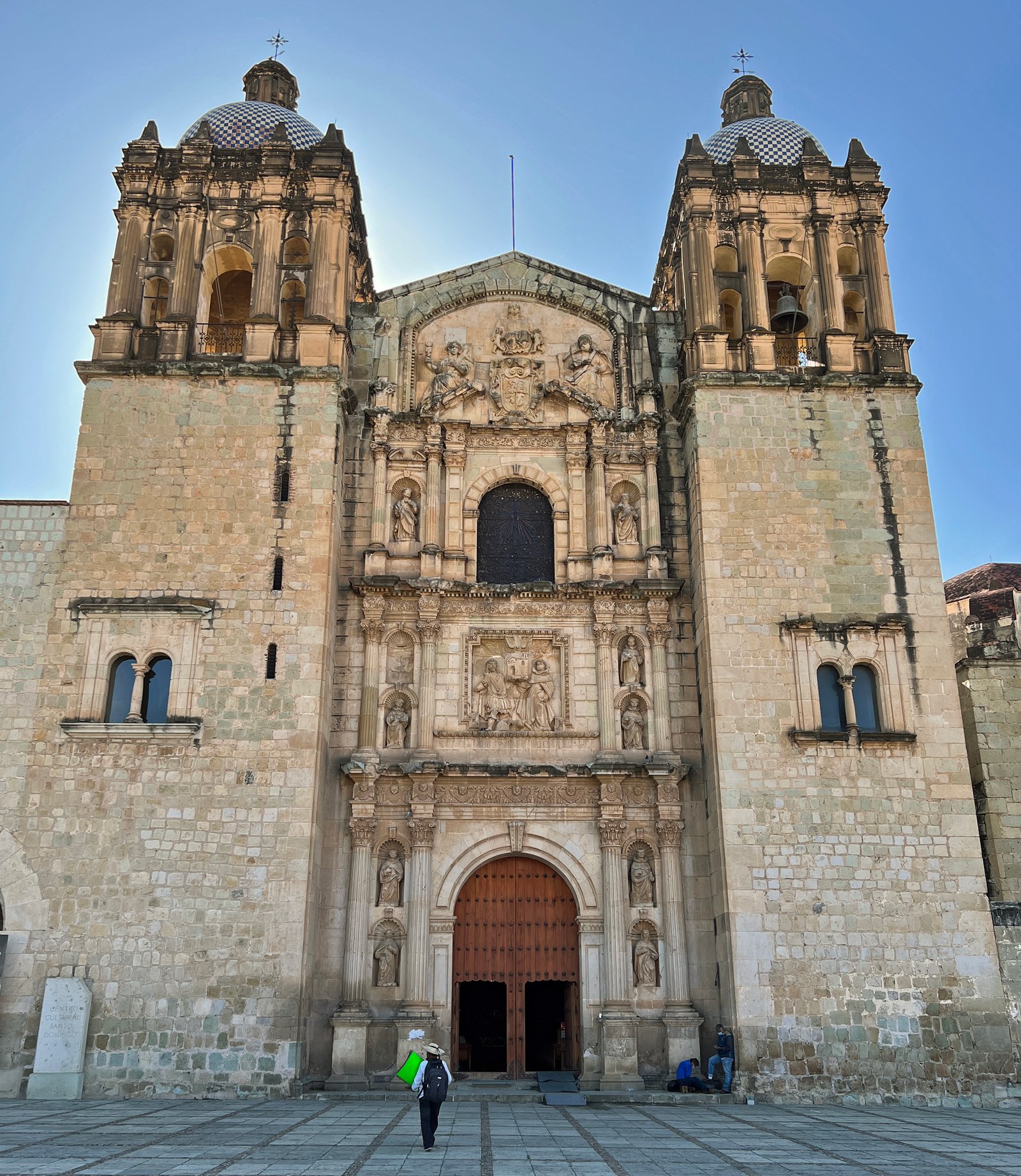
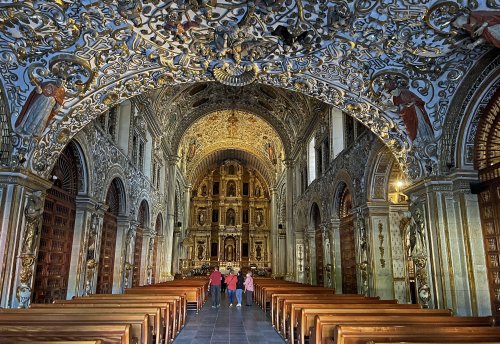
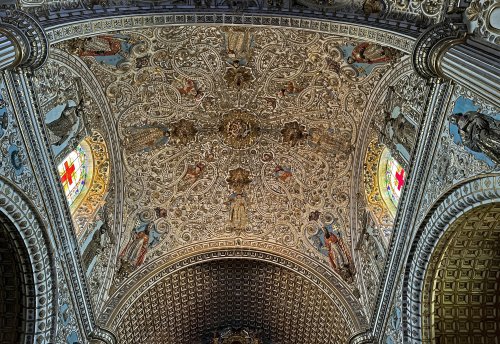



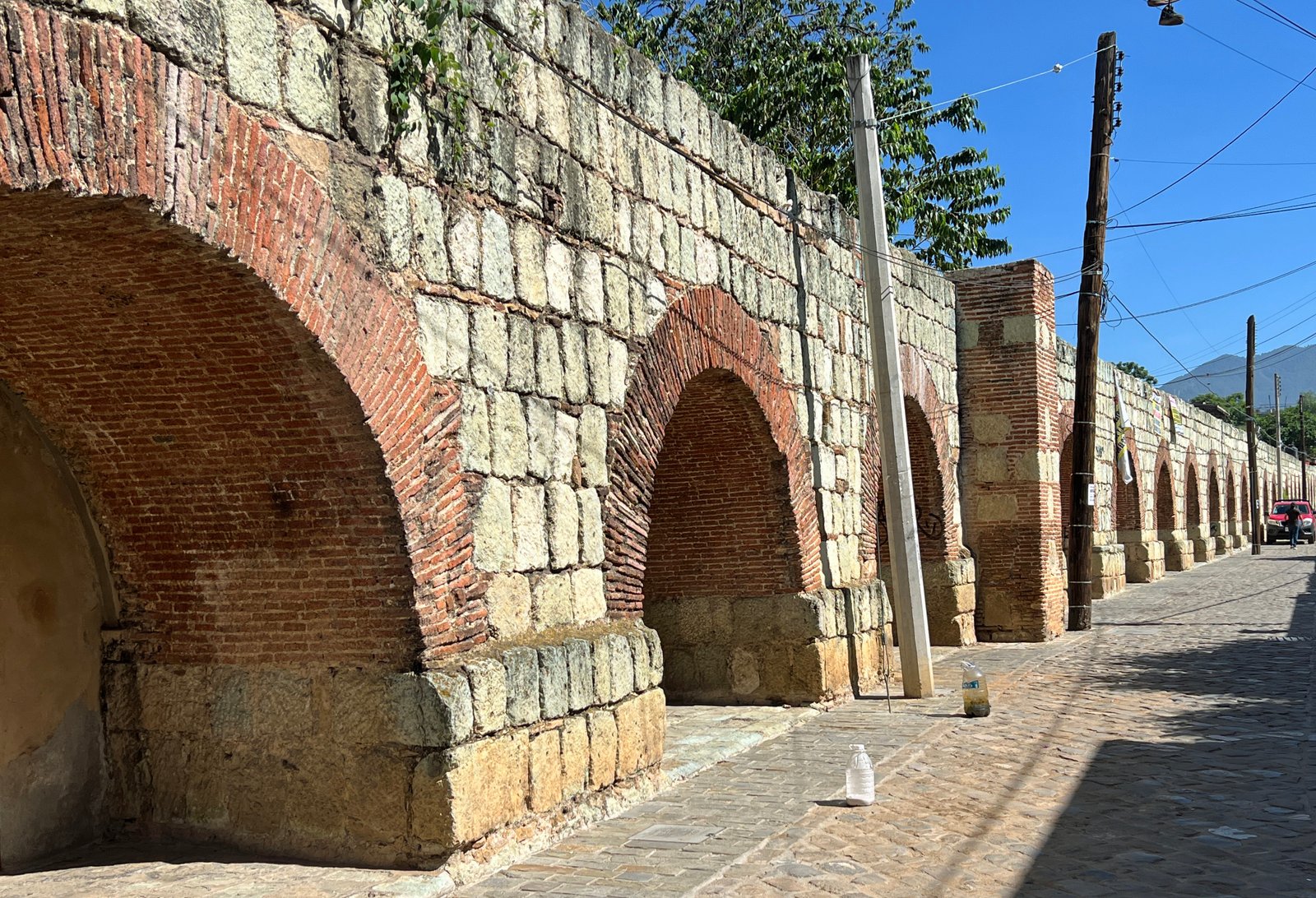



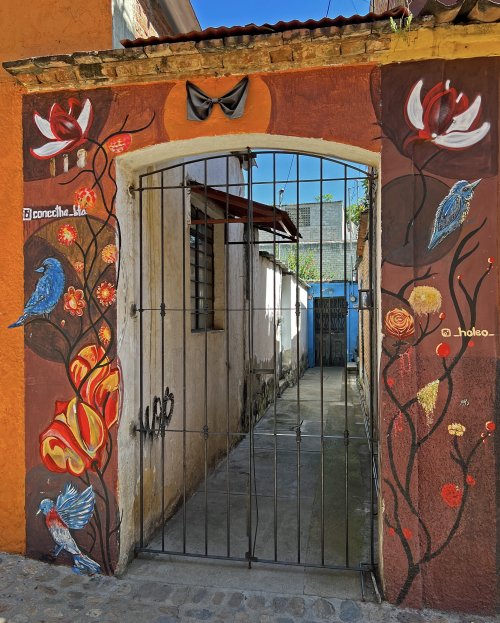
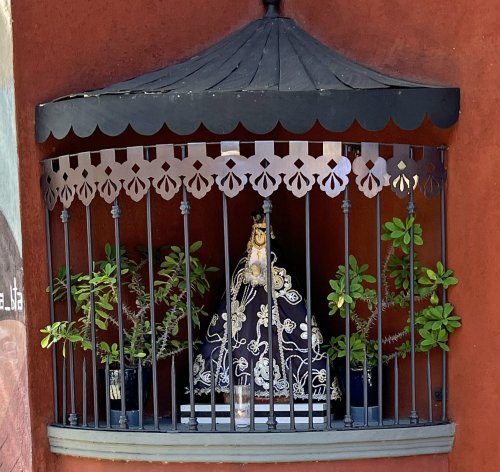

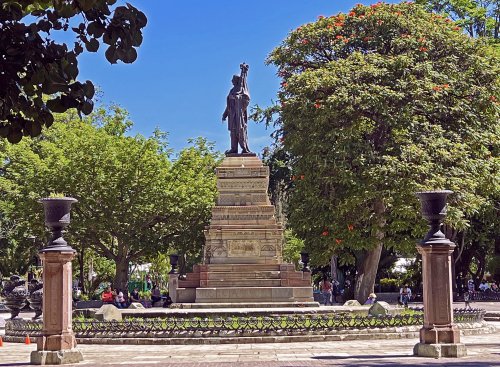
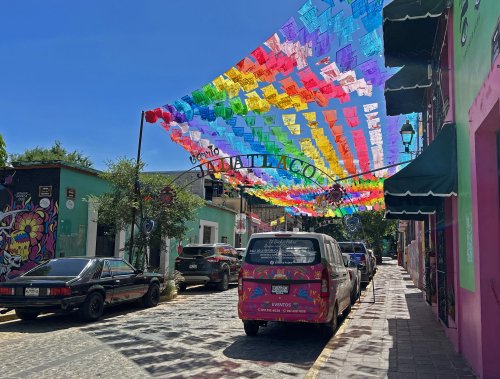


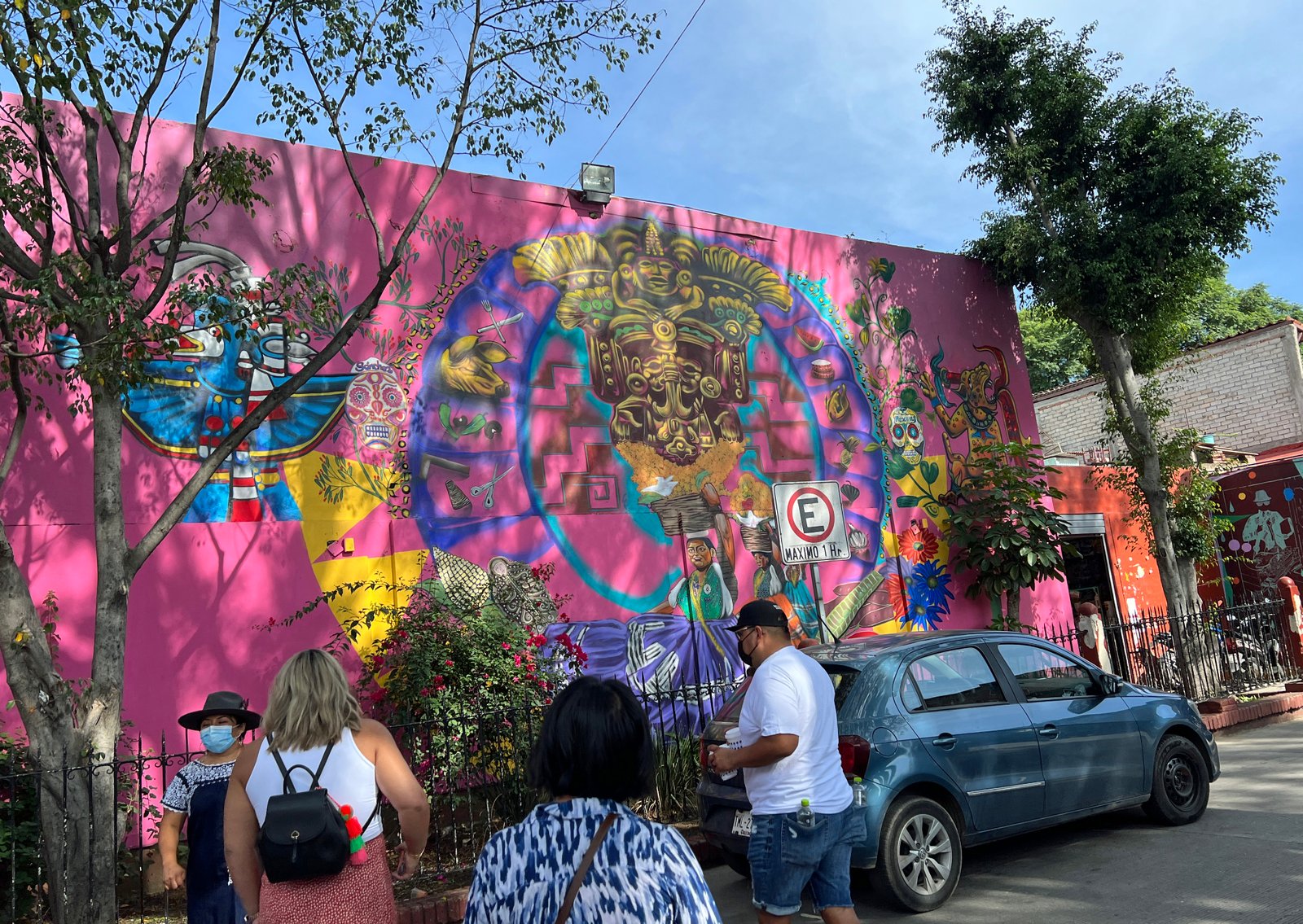














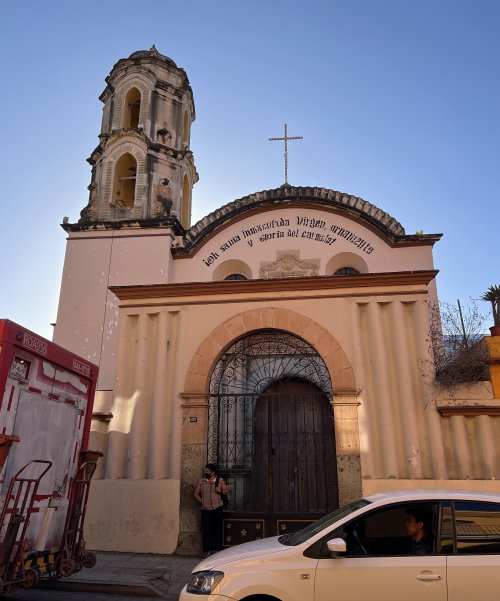
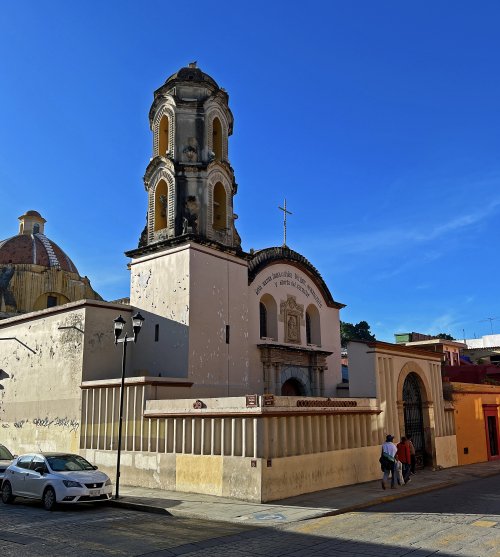

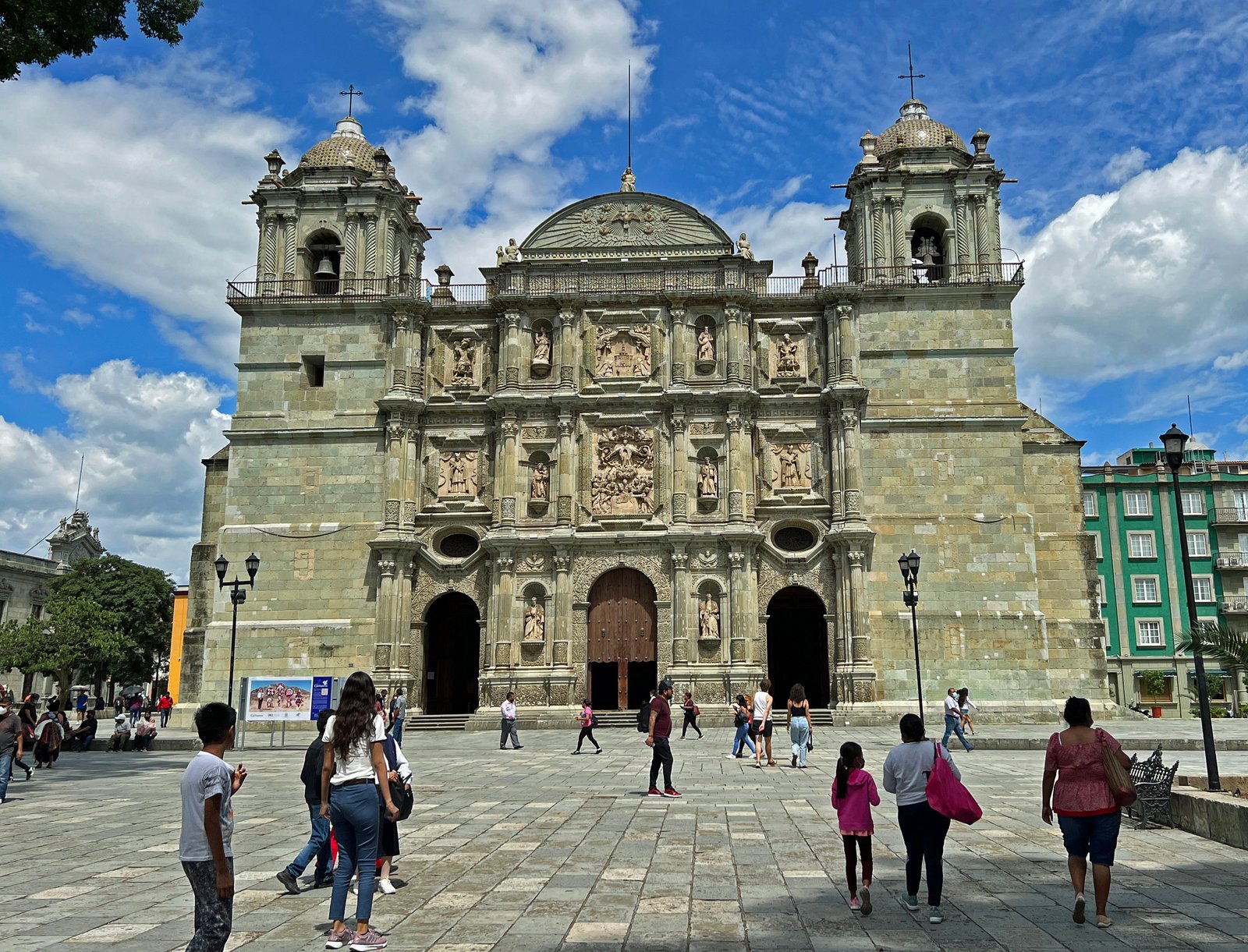
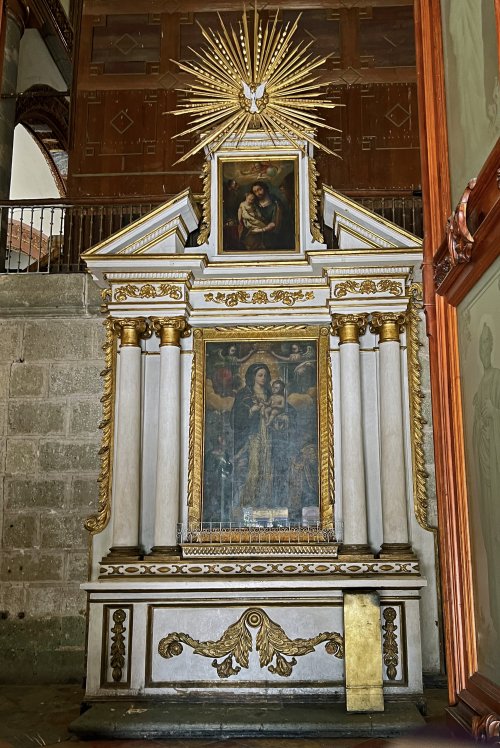
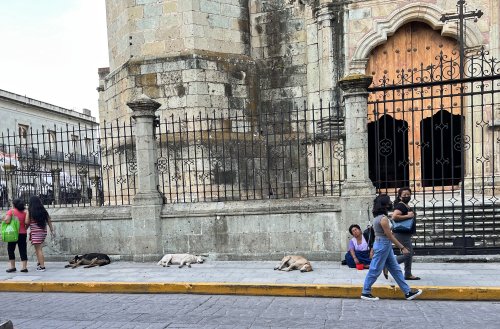
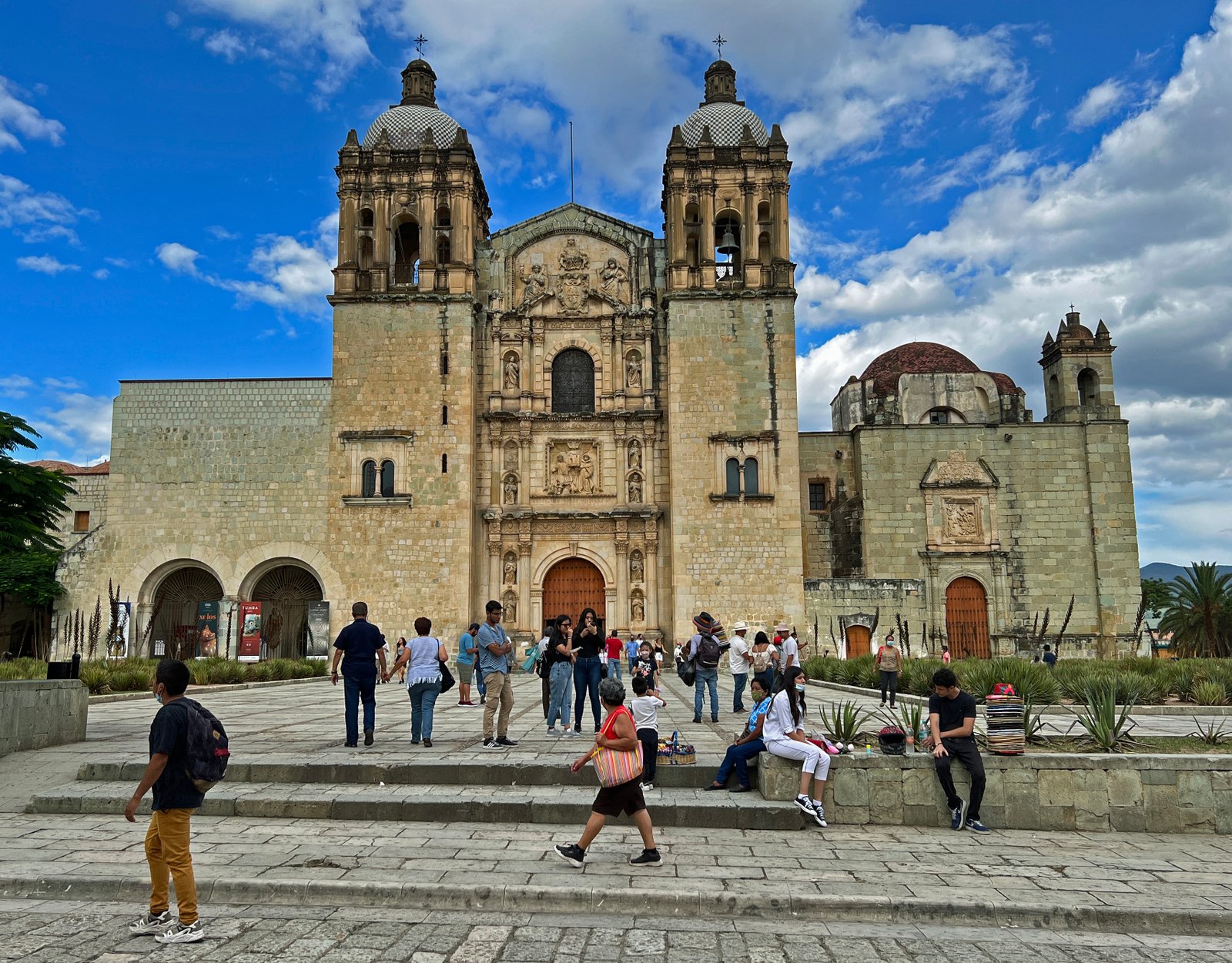
 Construction of the Cathedral commenced in 1535 and was reconstructed several times because of earthquakes.
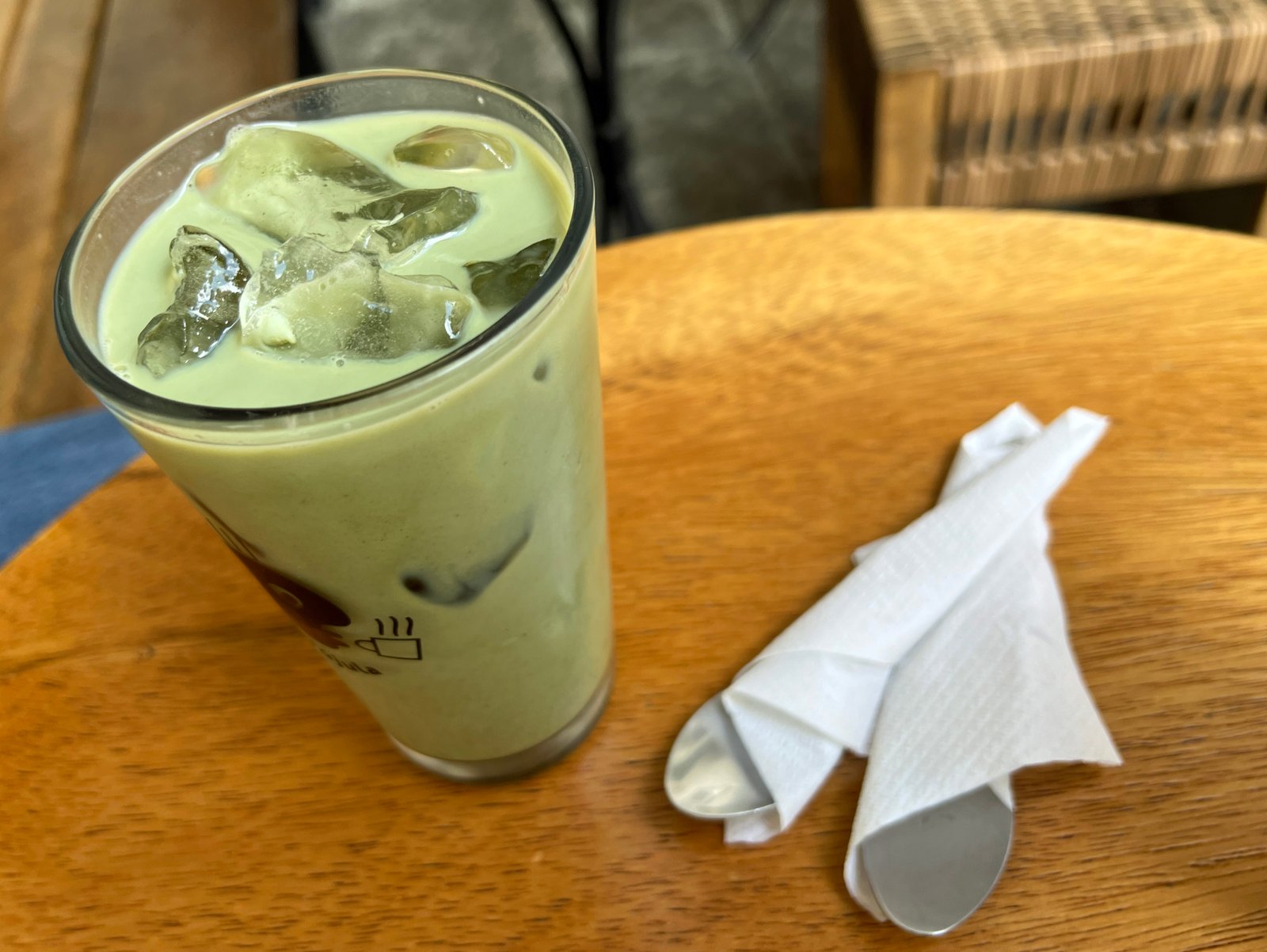
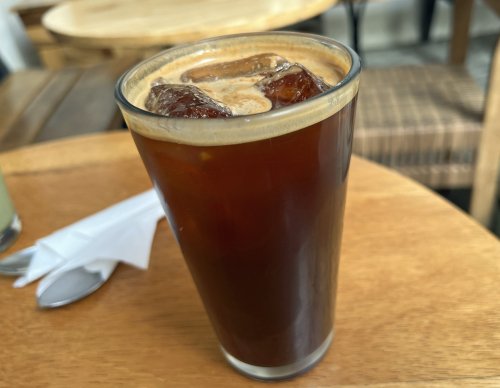
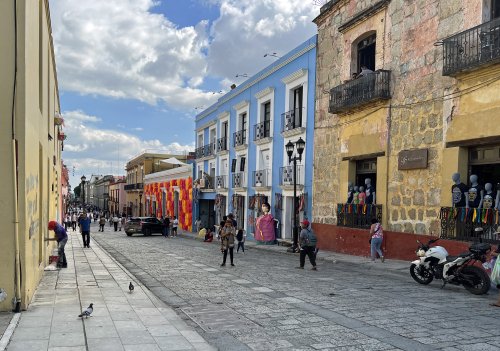
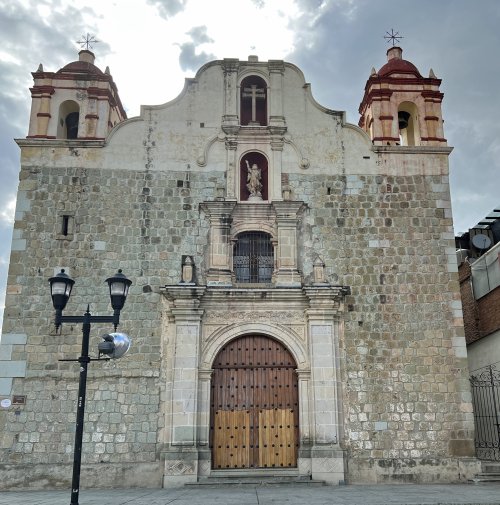

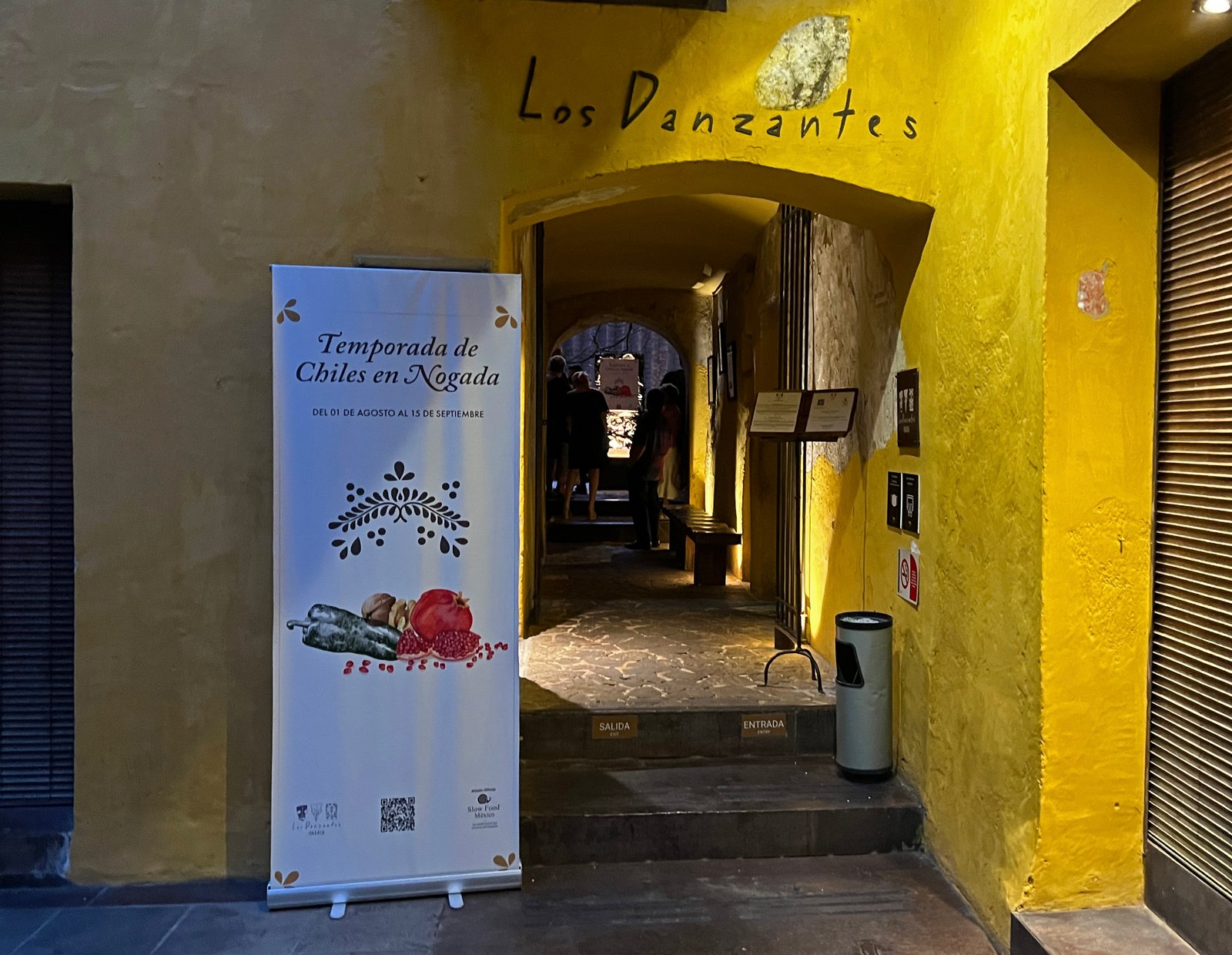

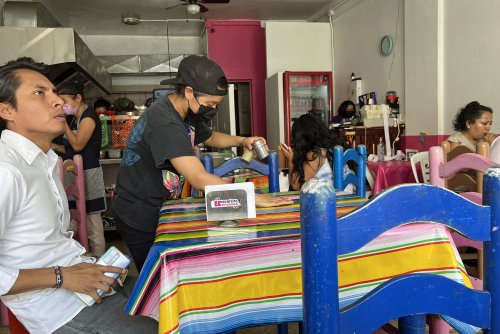
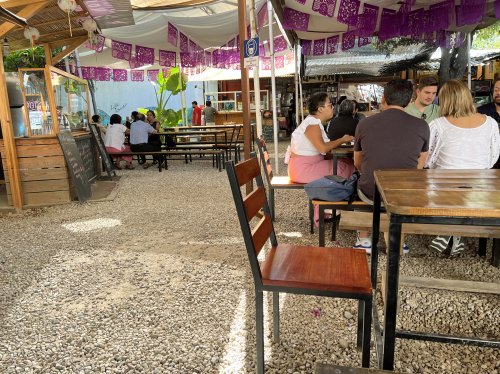
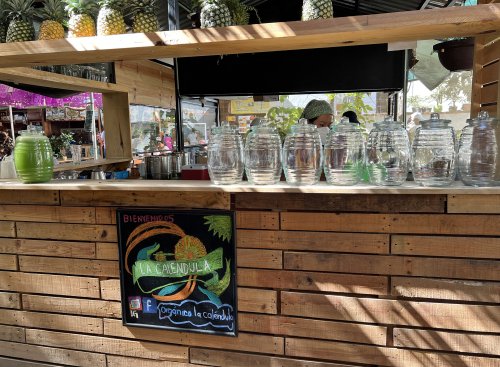
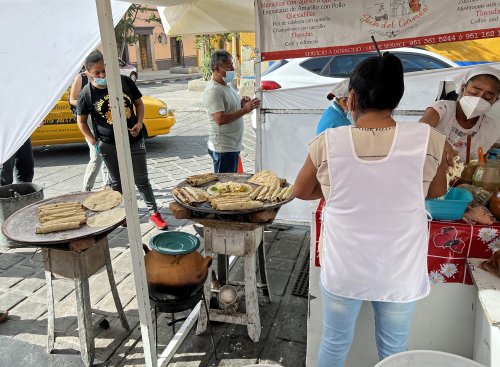
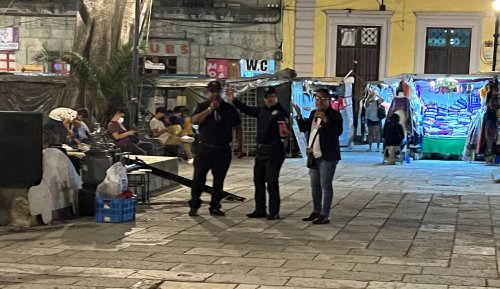
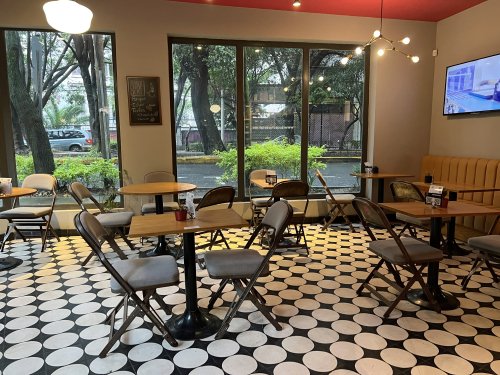
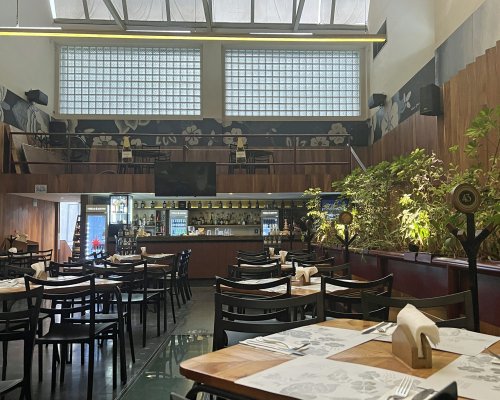
 The menu used a QR code something that we found everywhere in Mexico. The food seemed a bit of a modern, lighter affair. The service was a bit of hit and miss. As you can see, the customer base seemed to be more tourists/ex-pats though nothing wrong with that if the food is outstanding.


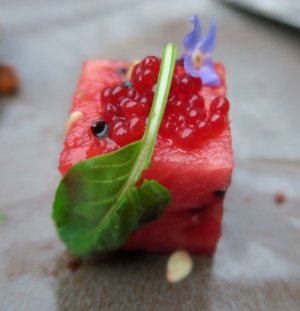 For some reason I thought this would be compressed watermelon, which intensifies the flavor and gives it textural "heft", but it just cubed watermelon, seeds and all. Since it was just cubed watermelon, the ponzu style sauce and orange "gel" overpowered the dish. Spherification was used to create ikura looking strawberry spheres. The best part of the dish were the tomatoes which were sweet and acidic.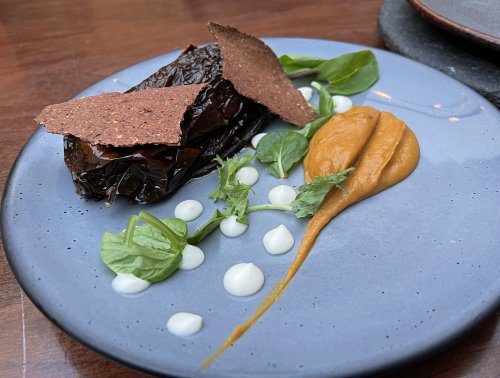


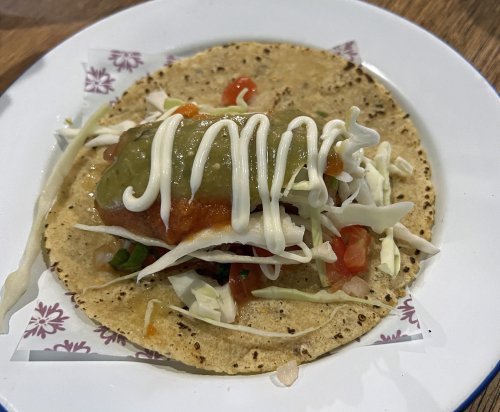
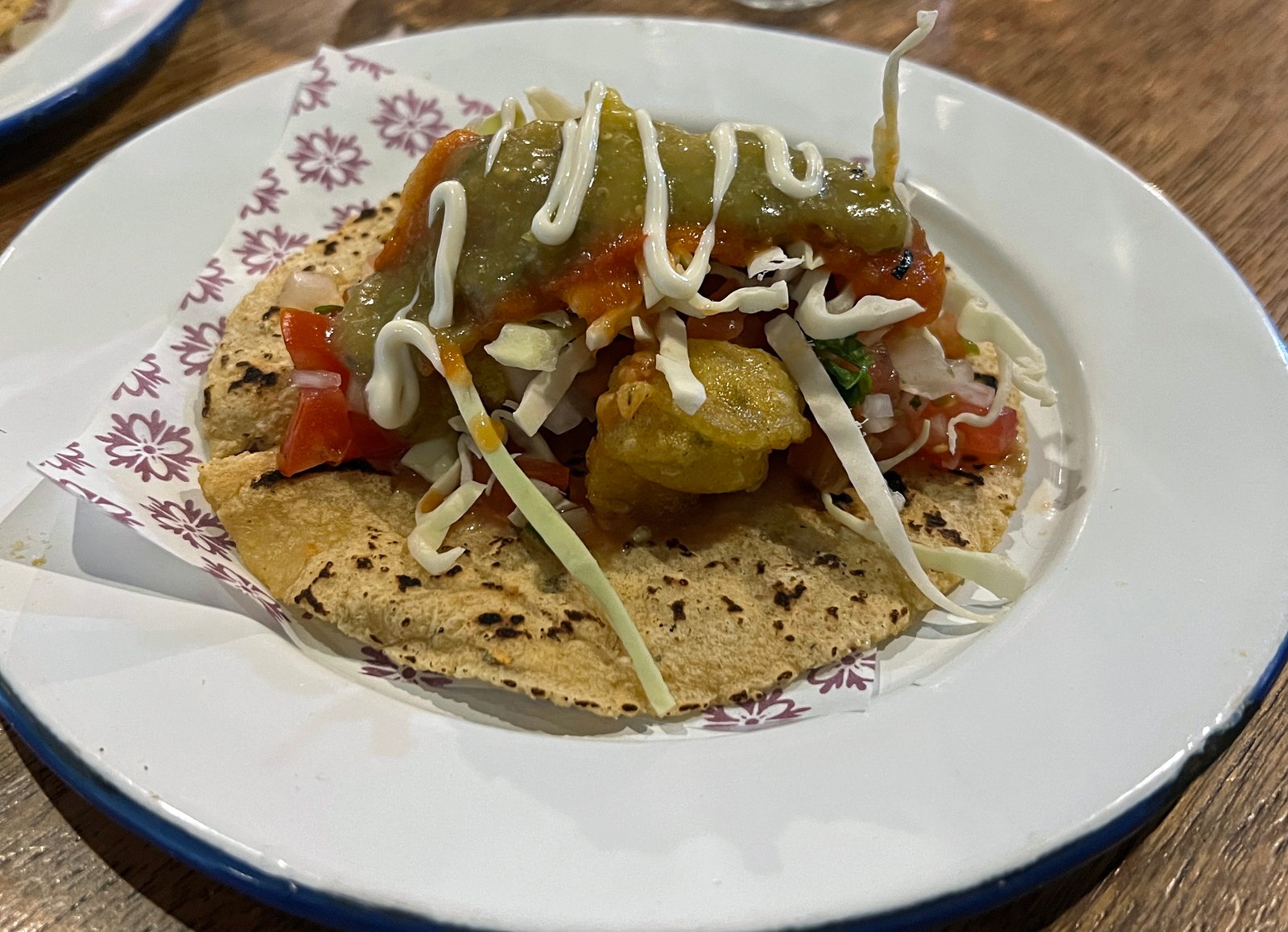
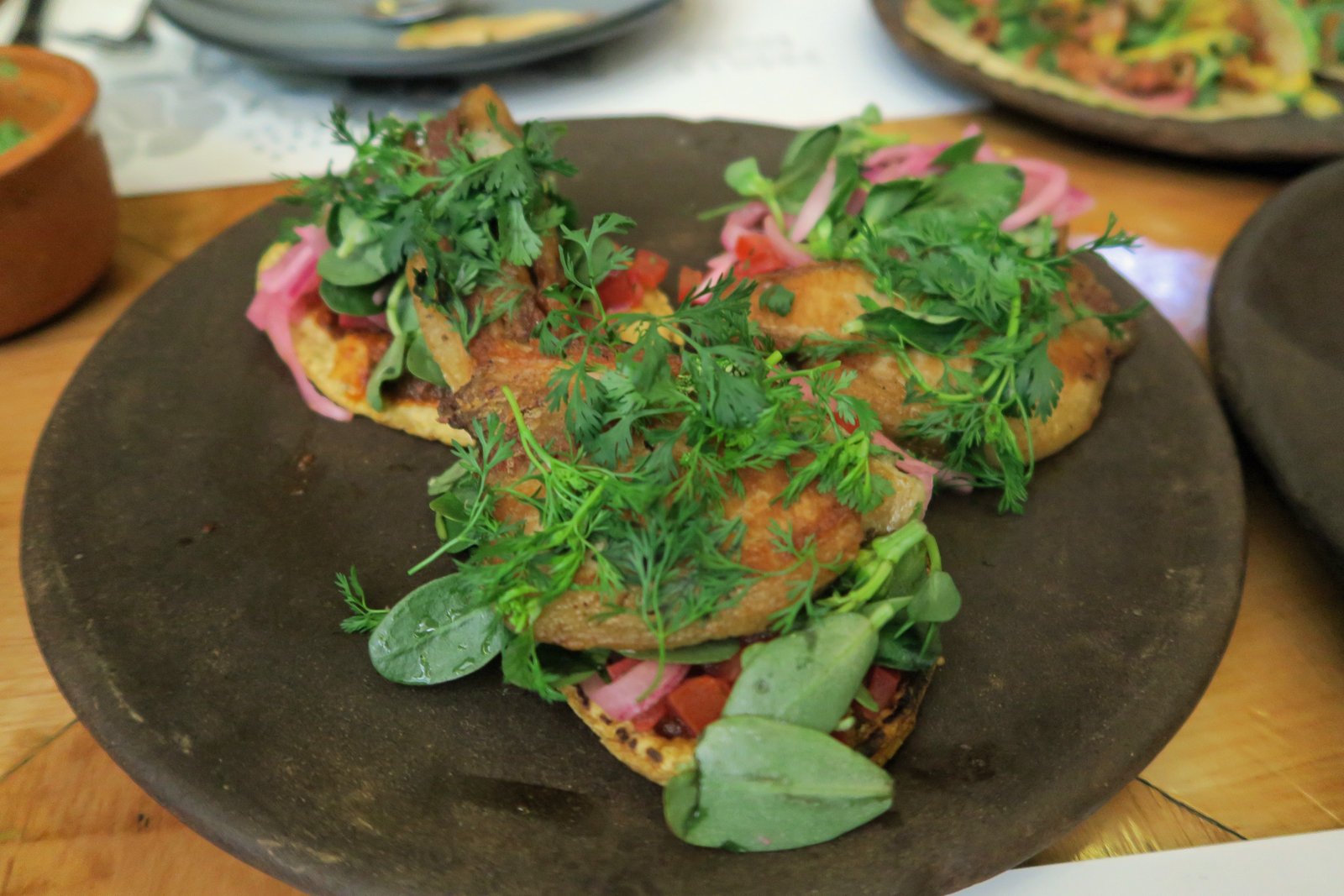
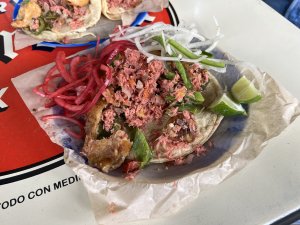 So, first the good; man were things fried here good! The batter on the shrimp was crisp and light; the shrimp plump, moist, and tasty. The poblano chile likewise. Sadly, the MarlinTun was dry, fishy, and not very smoky in terms of flavor. The tortillas were decent and up to the task at hand.
 Sadly, I'd have to say I've had better tacos de marlyn here in San Diego!


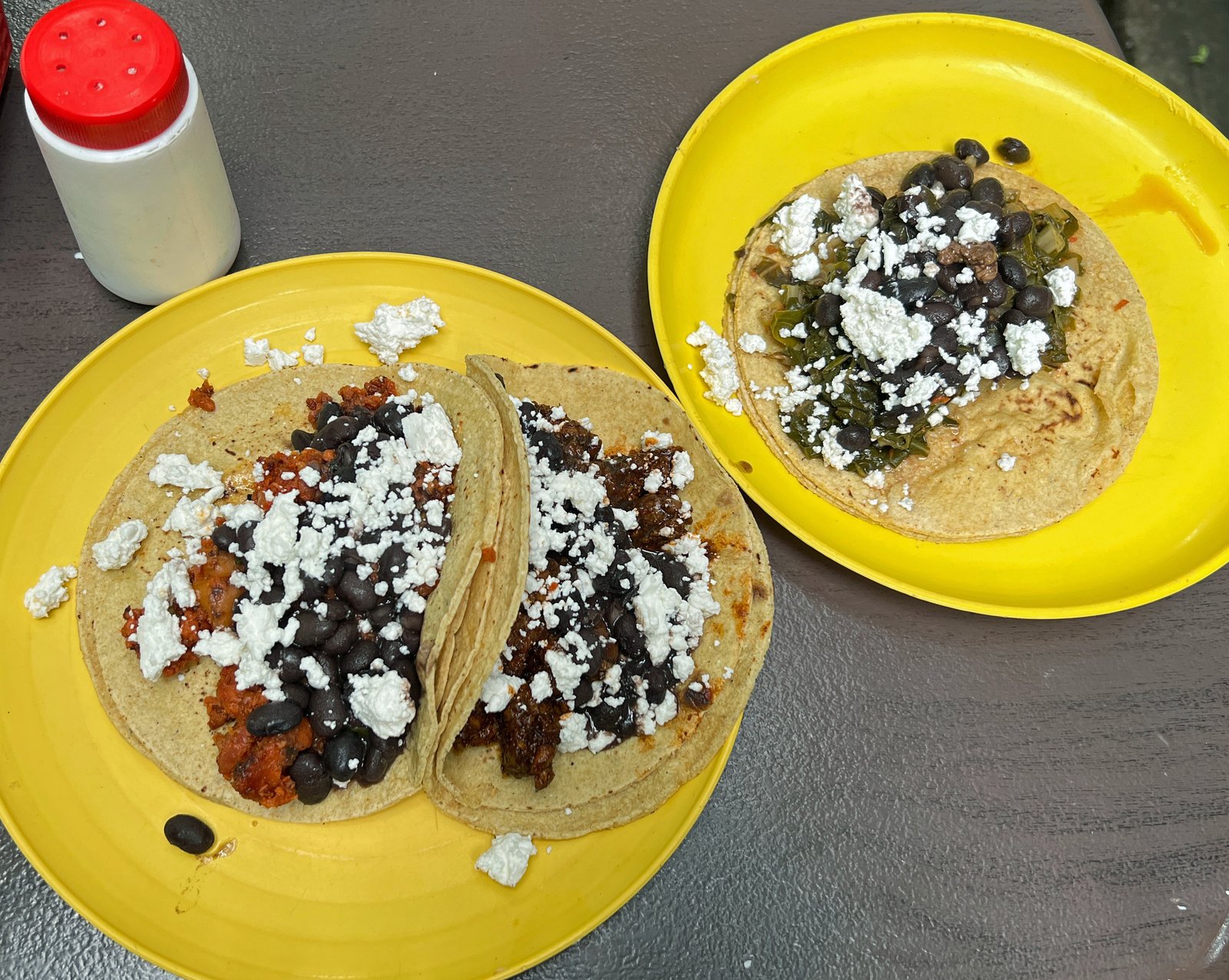 Tacos Hola specializes in Tacos Guisados, braised and stewed ingredients for tacos. So, even though it says bistec; it's actually braised beef; really tasty braised beef, with a very bright pasilla chile-tomato based sauce. The Missus really loved the beans here…She still mentions those beans, as in "why can't you make beans like those." The chard was quite tender, but quite mild in flavor….man, I could imagine this with collards! The tortillas were excellent.







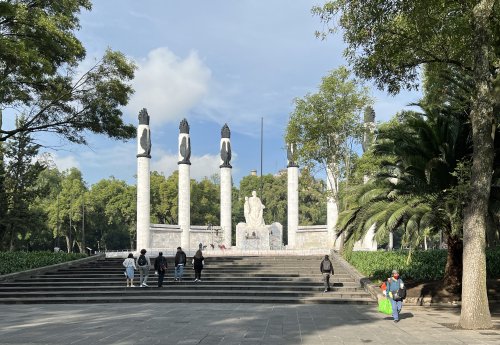

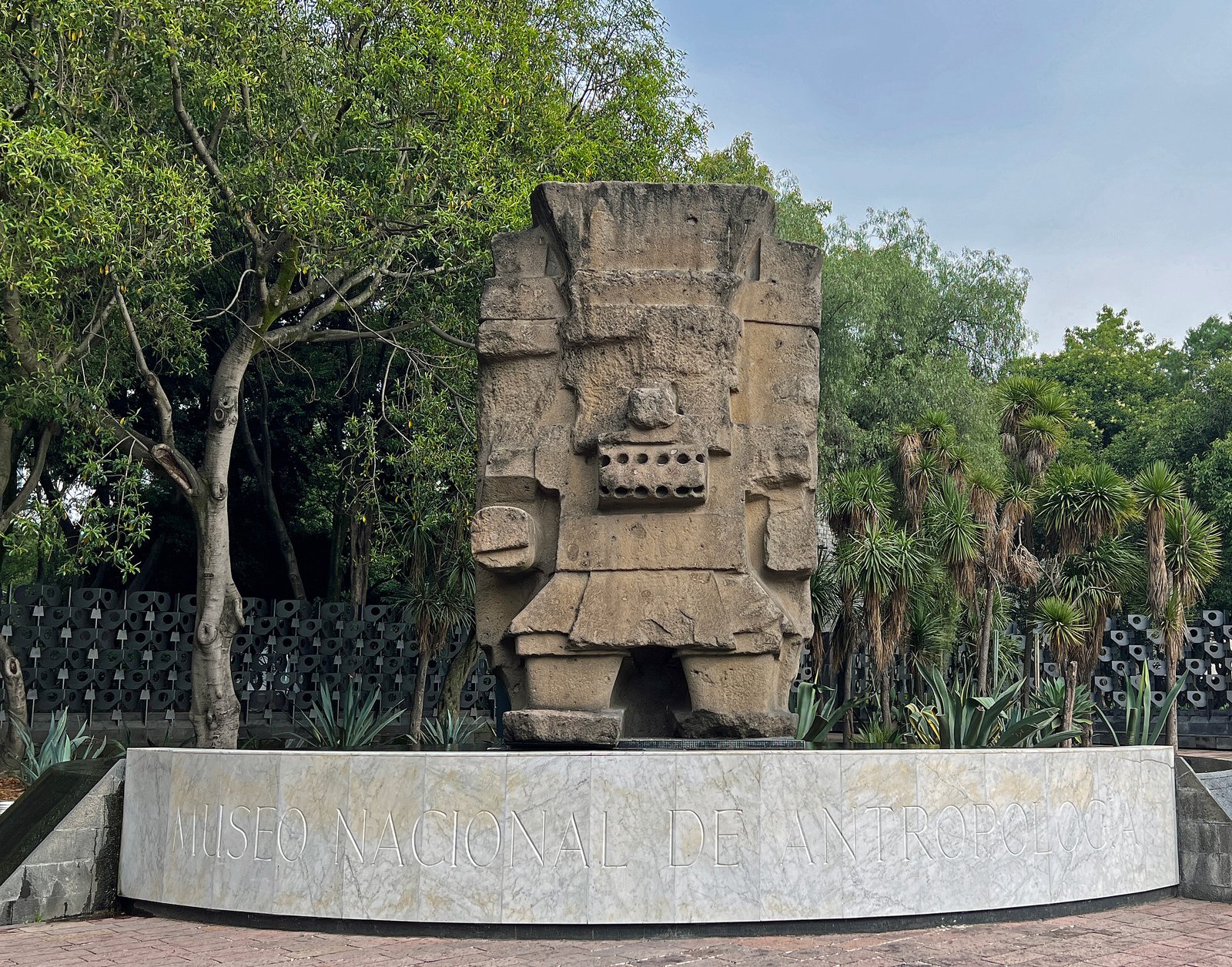
 Andres met us and after introductions and an overview of what was going to be covered in the tour today, he went over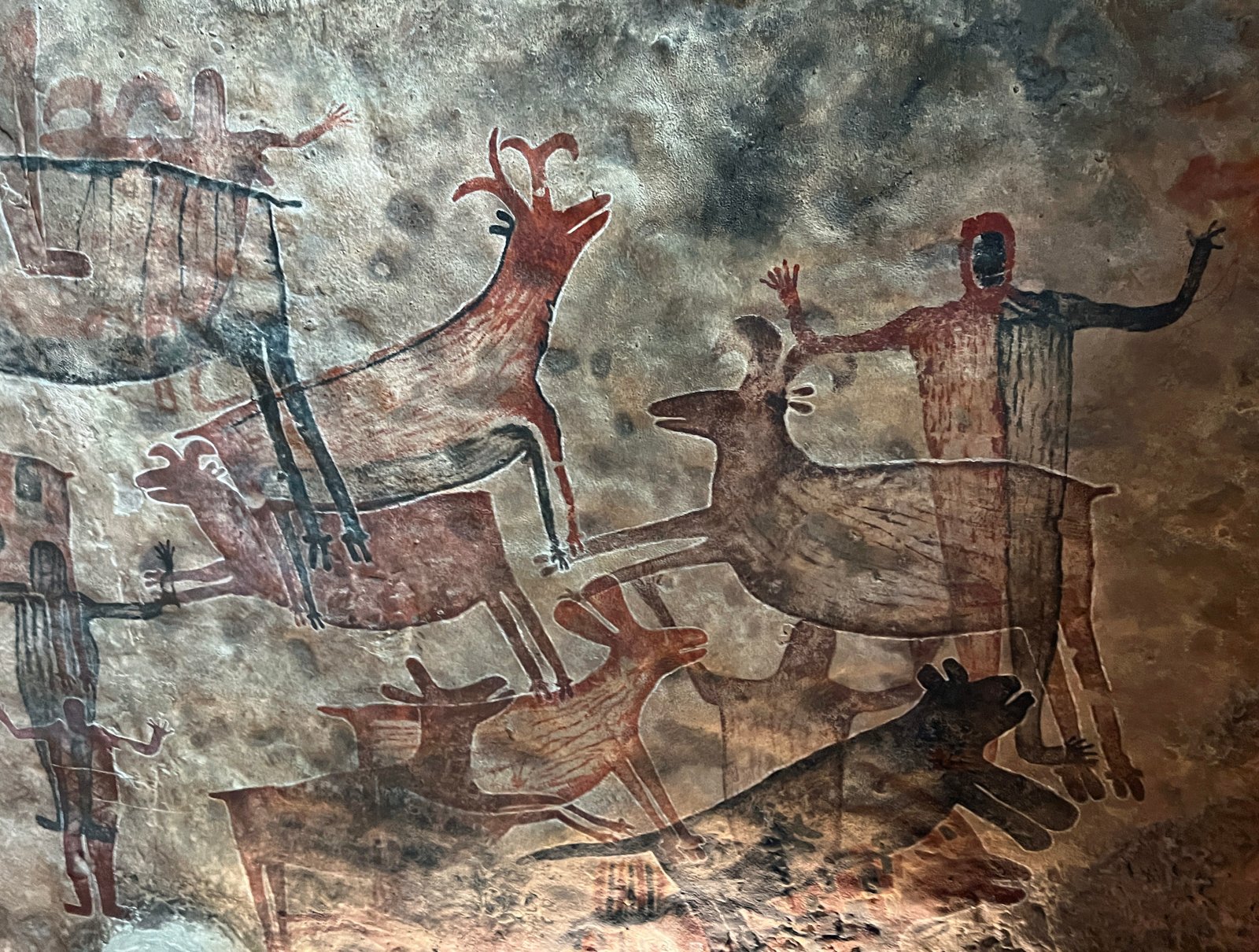
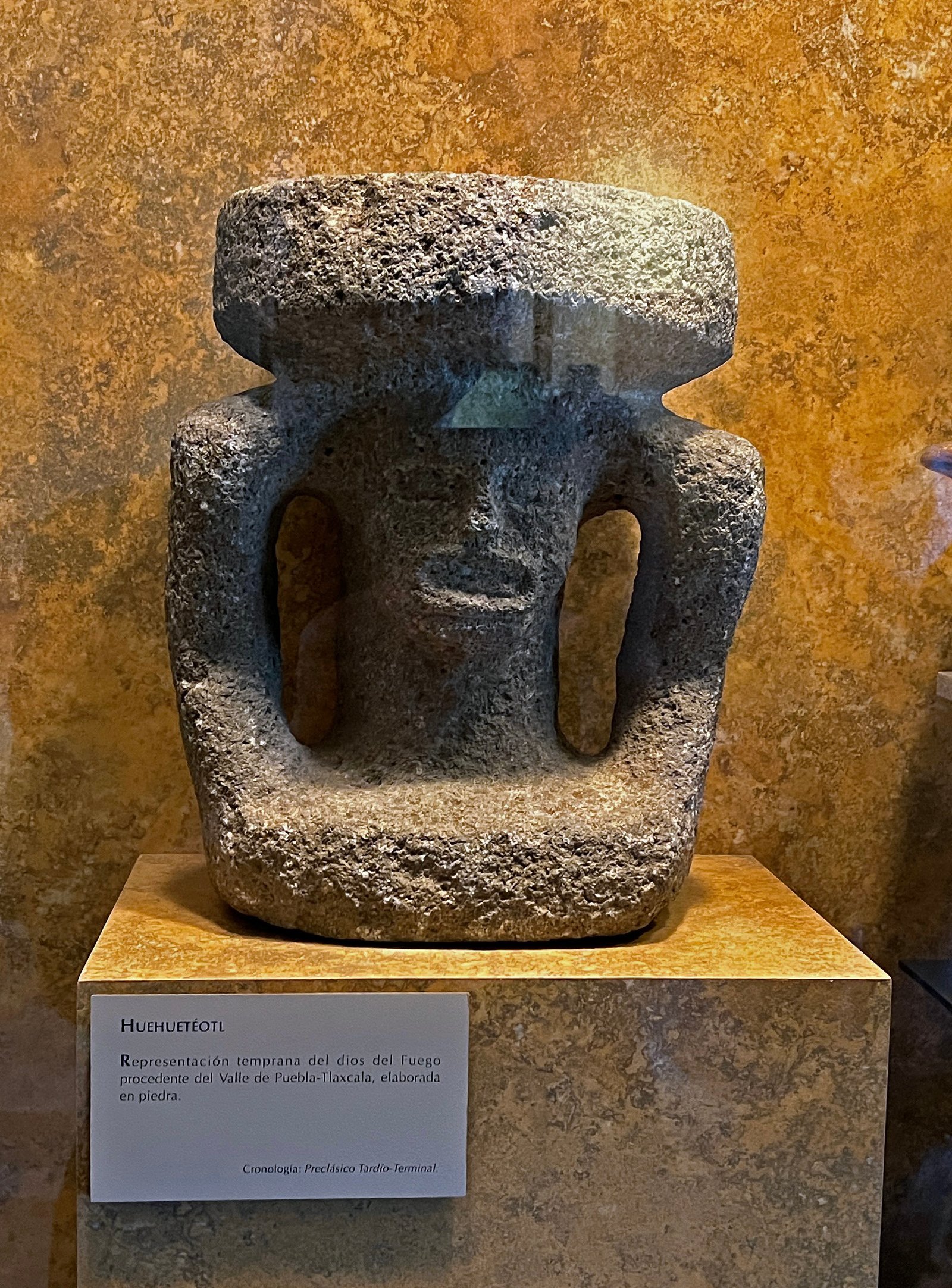
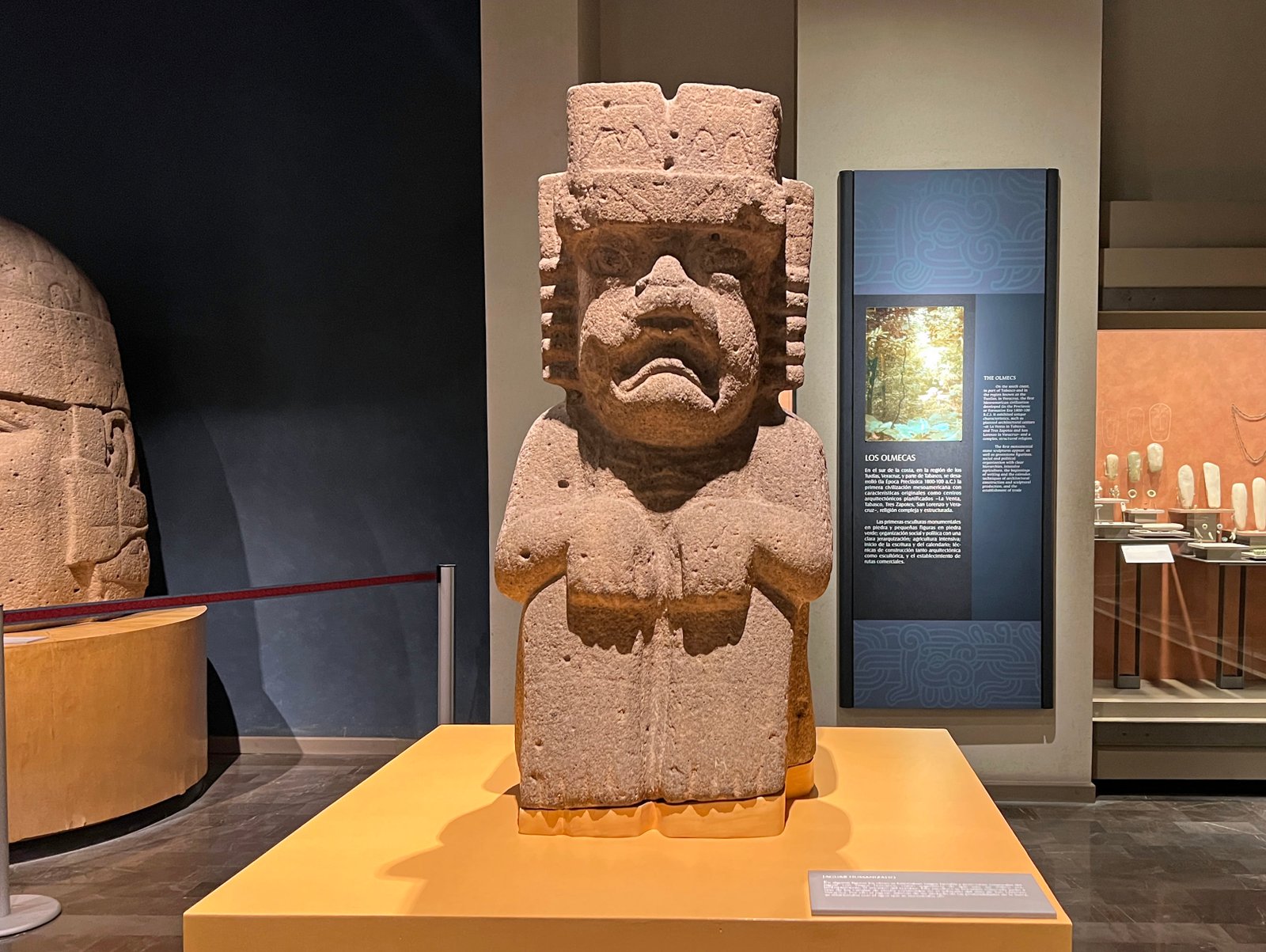
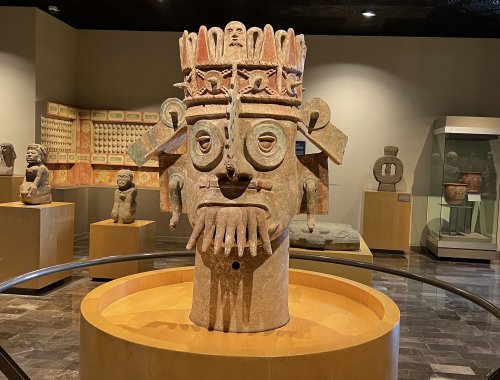
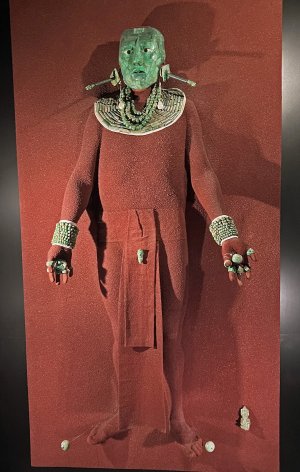 And yep, if you're thinking that's Tlaloc above, you'd be right. Check out the eyes and the fangs!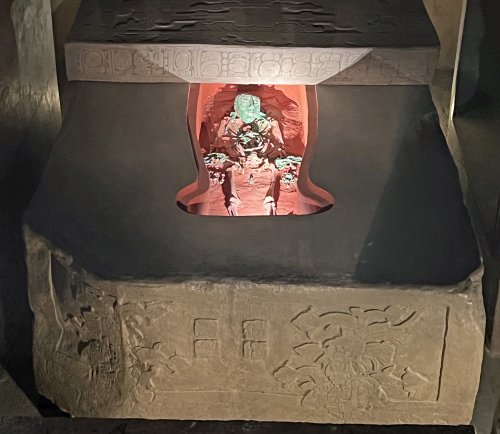


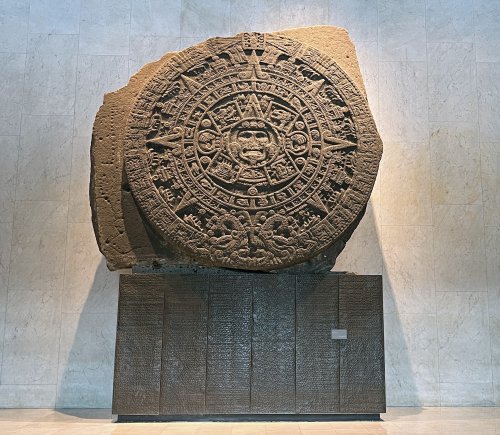
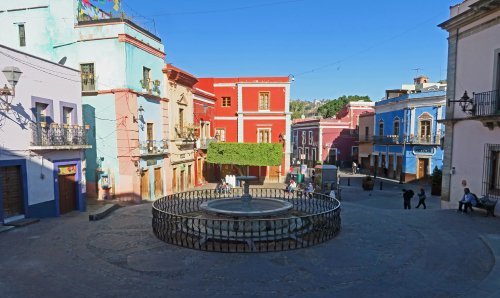

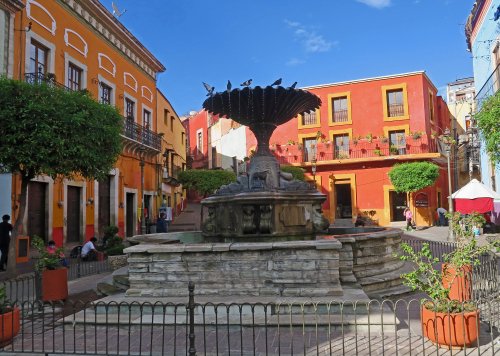

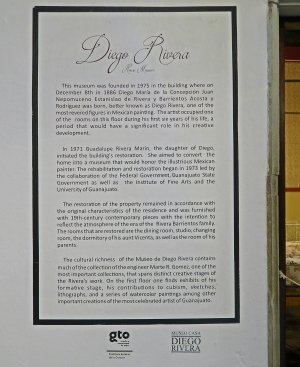 Since we had already visited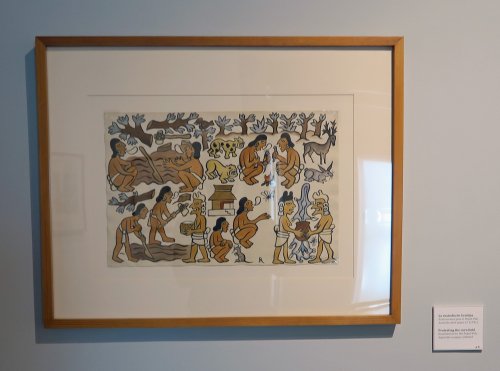

 According to this


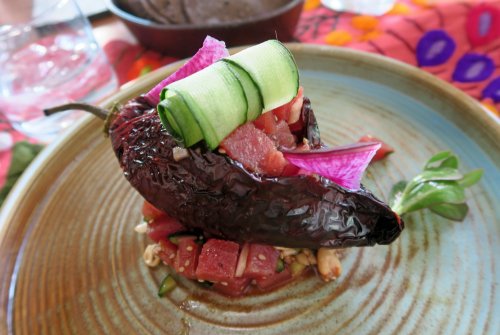


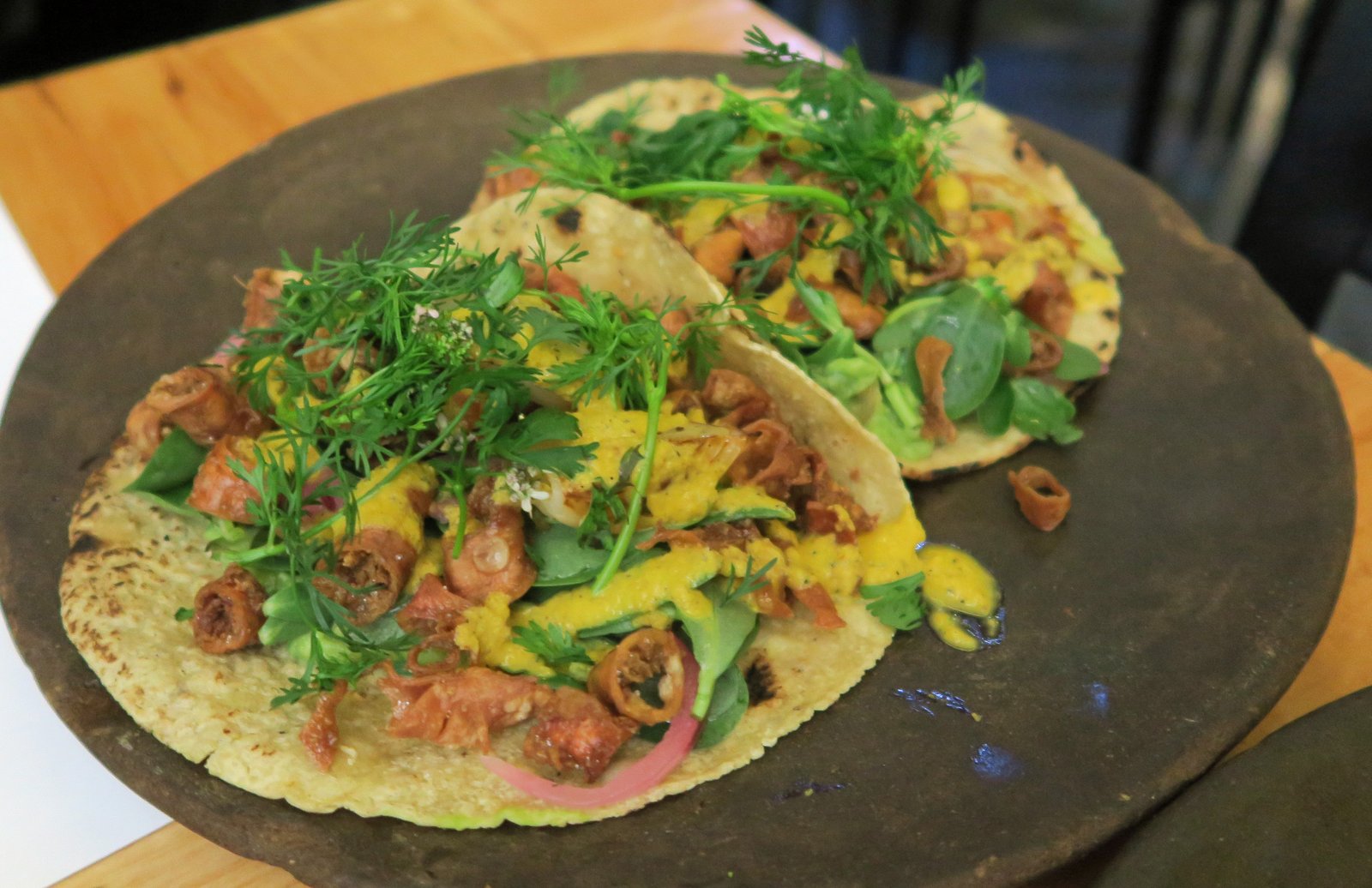
 As before the tortillas were up to the task though not outstanding. The pulpo was on the tougher end of things and we thought more citrus/sour tones were needed as well. We enjoyed the lemony-peppery-slightly anise tones of the epazote.


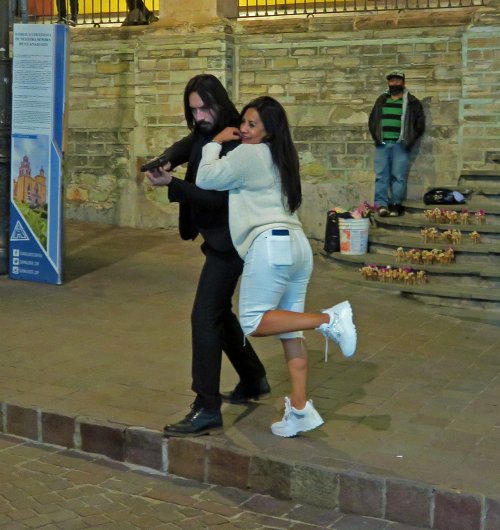
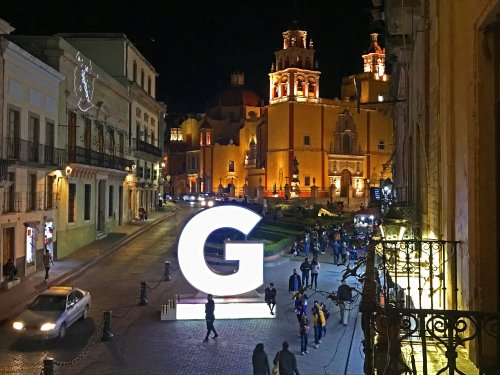



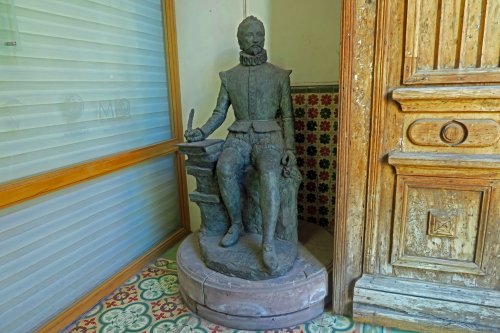
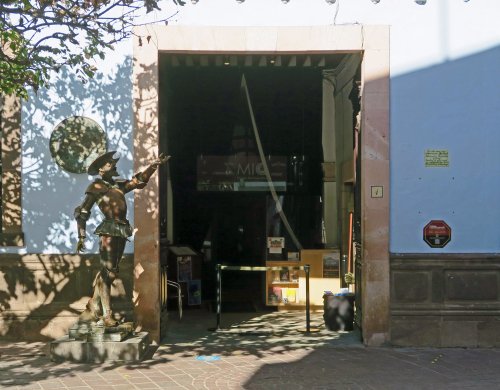
 There's a Cervantes Festival in Guanajuato. And the
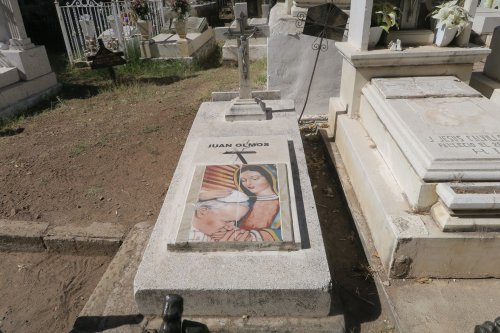
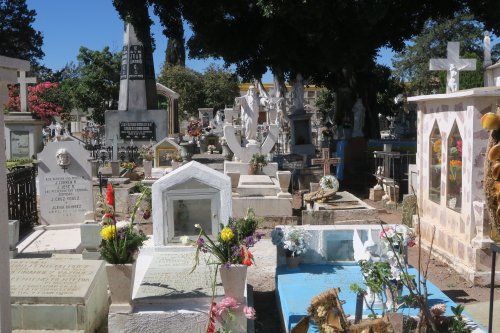
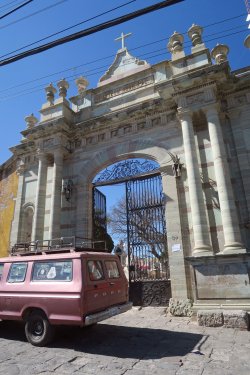 From the center of town we made our way Northwest, past Mercado Hidalgo, then up the one of the hills that surround the town. Right past the Mummy Museum is Panteón Municipal Santa Paula, the cemetery.




 It was somewhat divey, the bartender was super friendly, the decor was quirky and eclectic. The music was what I often call the Unites States' greatest export…rock 'n roll.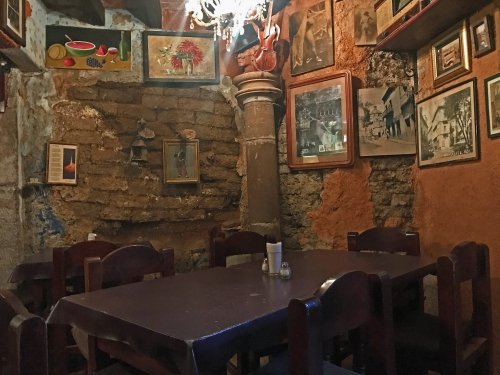
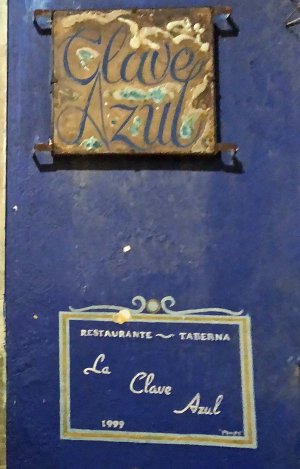 La Clave Azul
