**** Food Cabin has closed
What's in a name? Alot really, but in this case? What kind of cuisine would a restaurant called "Food Cabin" serve? When I first mentioned this place to the Missus, She guffawed out loud, obviously picturing a combination "Northwoods Inn" (home of the dirty snow) meets Denny's kind of place. She gave me a look that said, "you're running out of new places to eat, aren't you?" Honestly, the name Food Cabin just doesn't really inspire you to run out to the car and visit, does it?
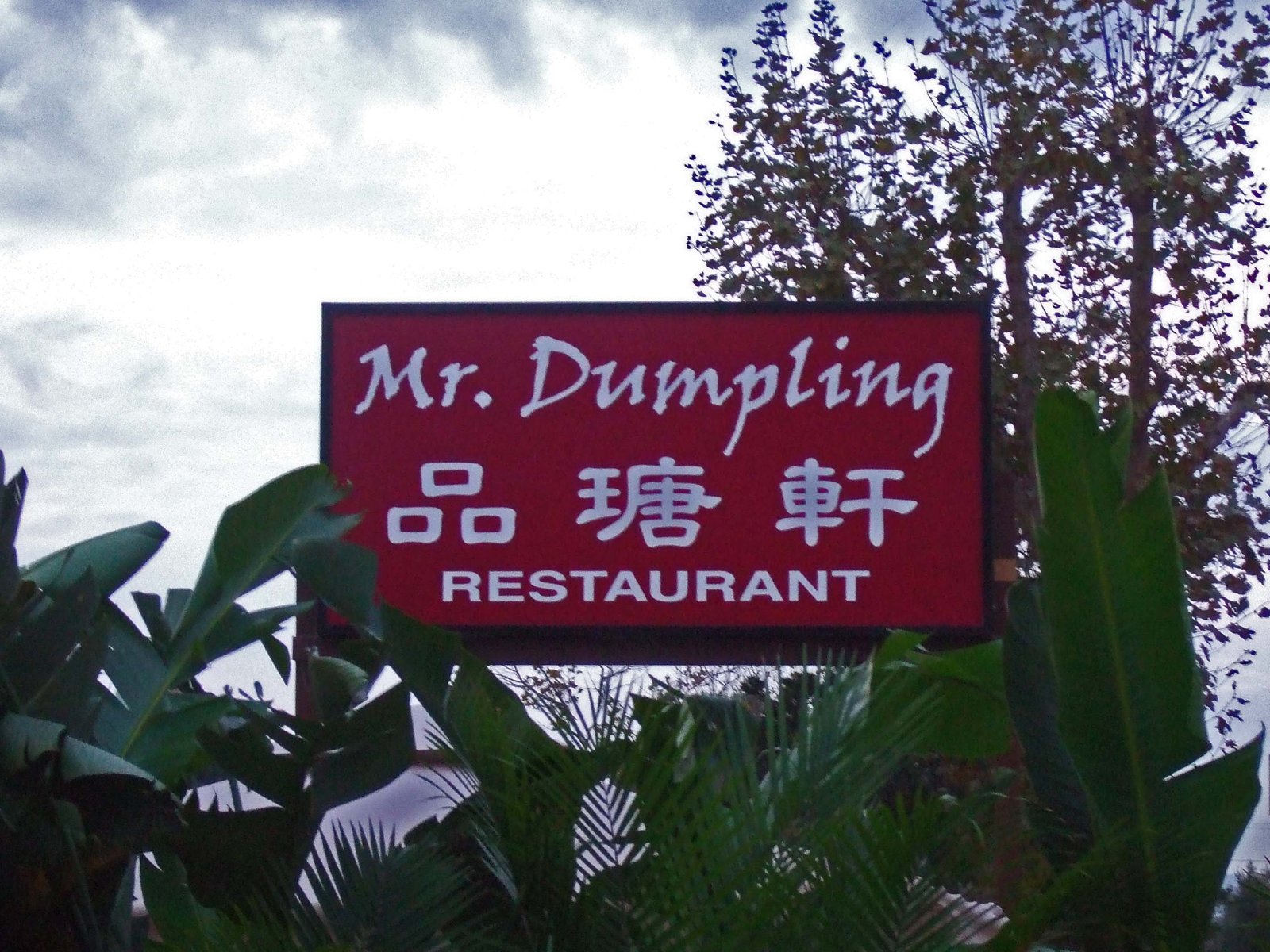
Yes, Food Cabin just doesn't seem to get much respect; even the Restaurant's signage plays second fiddle to "The Best Car Wash" (now that's a name!!!):
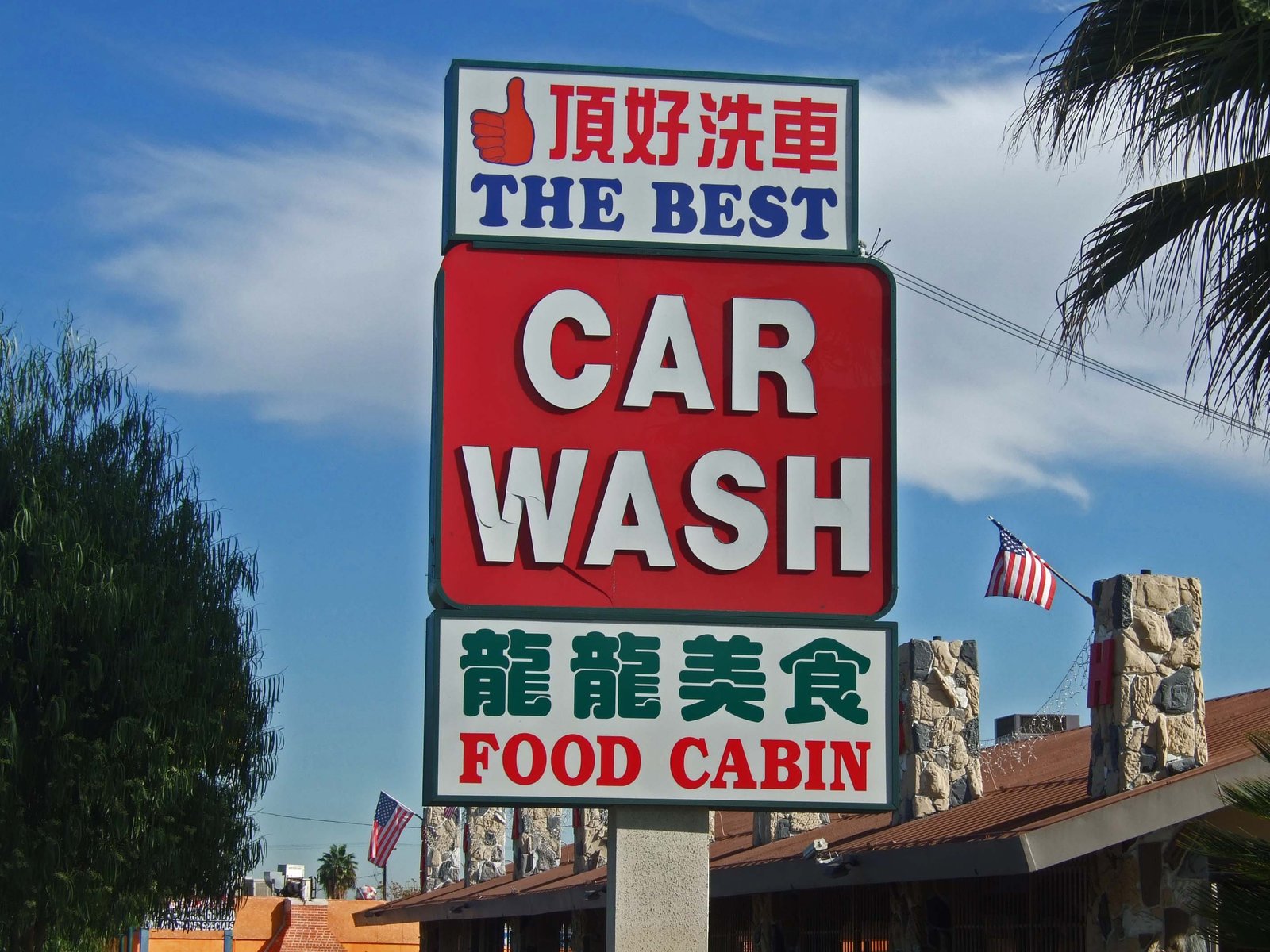
As with many restaurants in the SGV, the Chinese name, has nothing to do with the English name. In this case the literal translation of the Chinese characters is something along the lines of "Dragon, Dragon, Good Food" or something like that; not a cabin reference to be found.
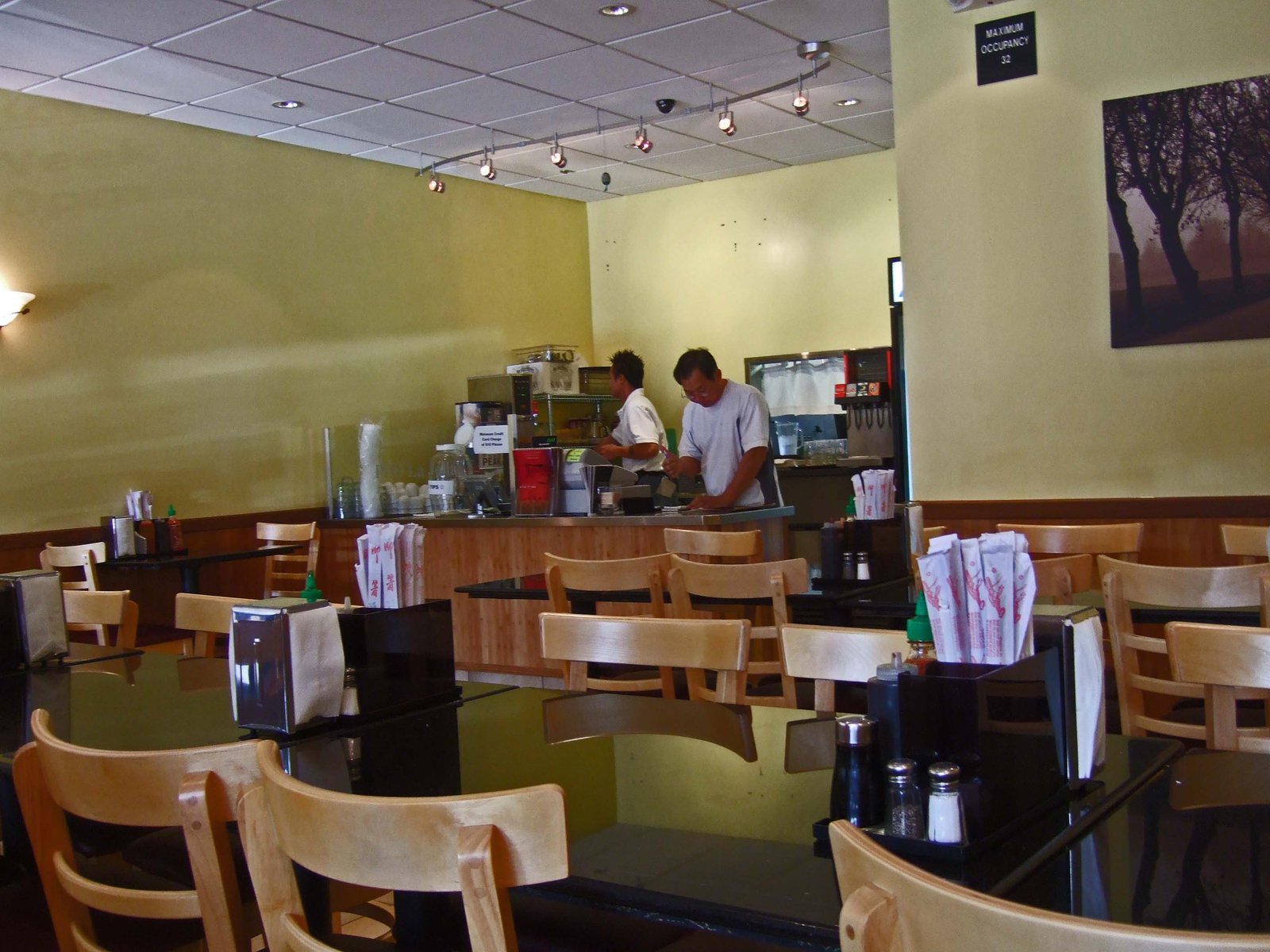
Food Cabin, the Restaurant, is located on the quiet end of Valley Boulevard, in, well, something that looks a lot like the manager's office of one of those cookie-cutter apartment complexes, converted into a restaurant. Having said that, I don't think the name Food Cookie-Cutter-Apartment-Manager's-Office is particularly inspiring at all either.
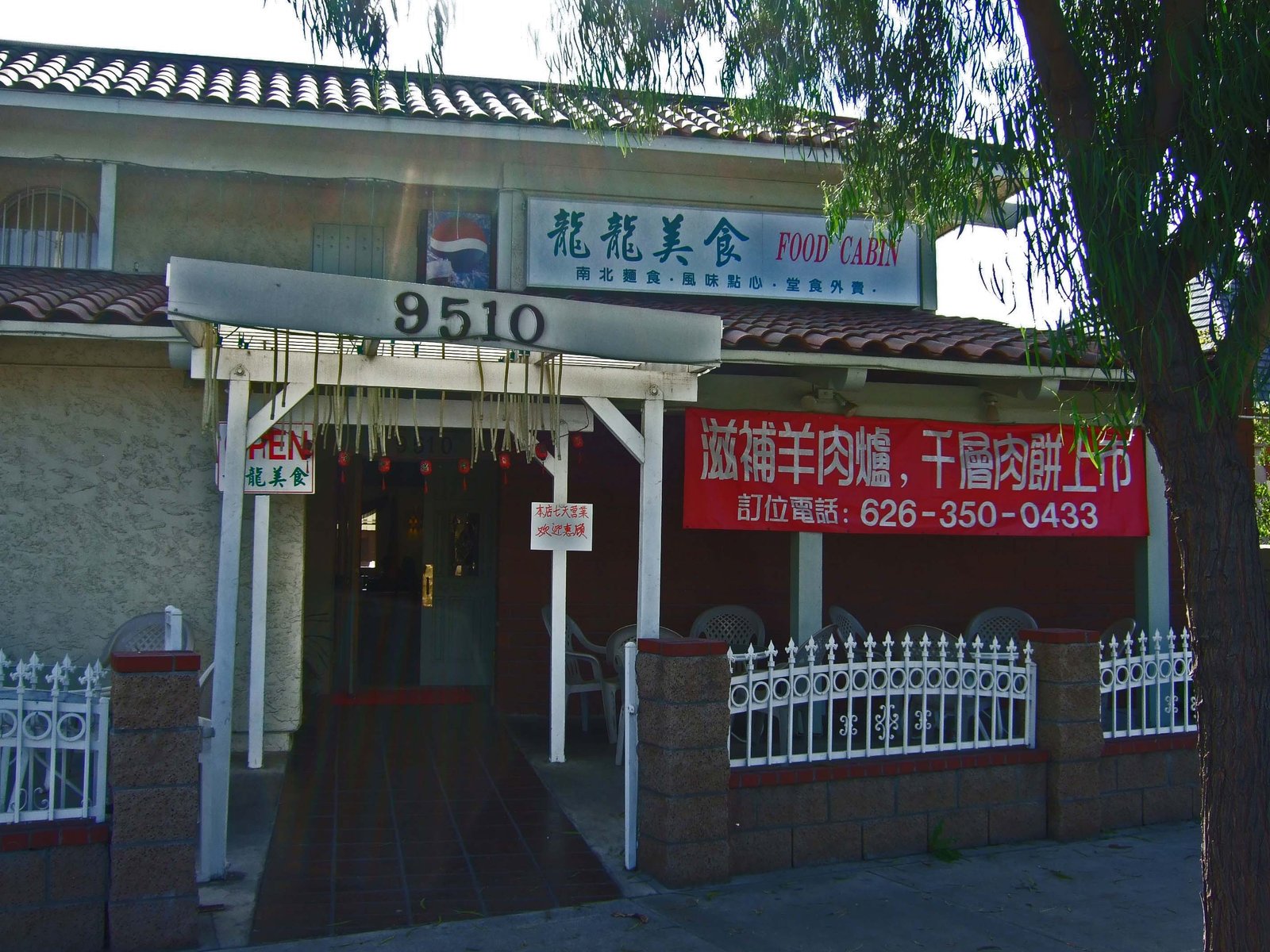
The interior is kind of apartment like; the Missus and I were trying to determine which "room" we were being seated in. The place was empty except for one table when we arrived at noon on a Saturday!
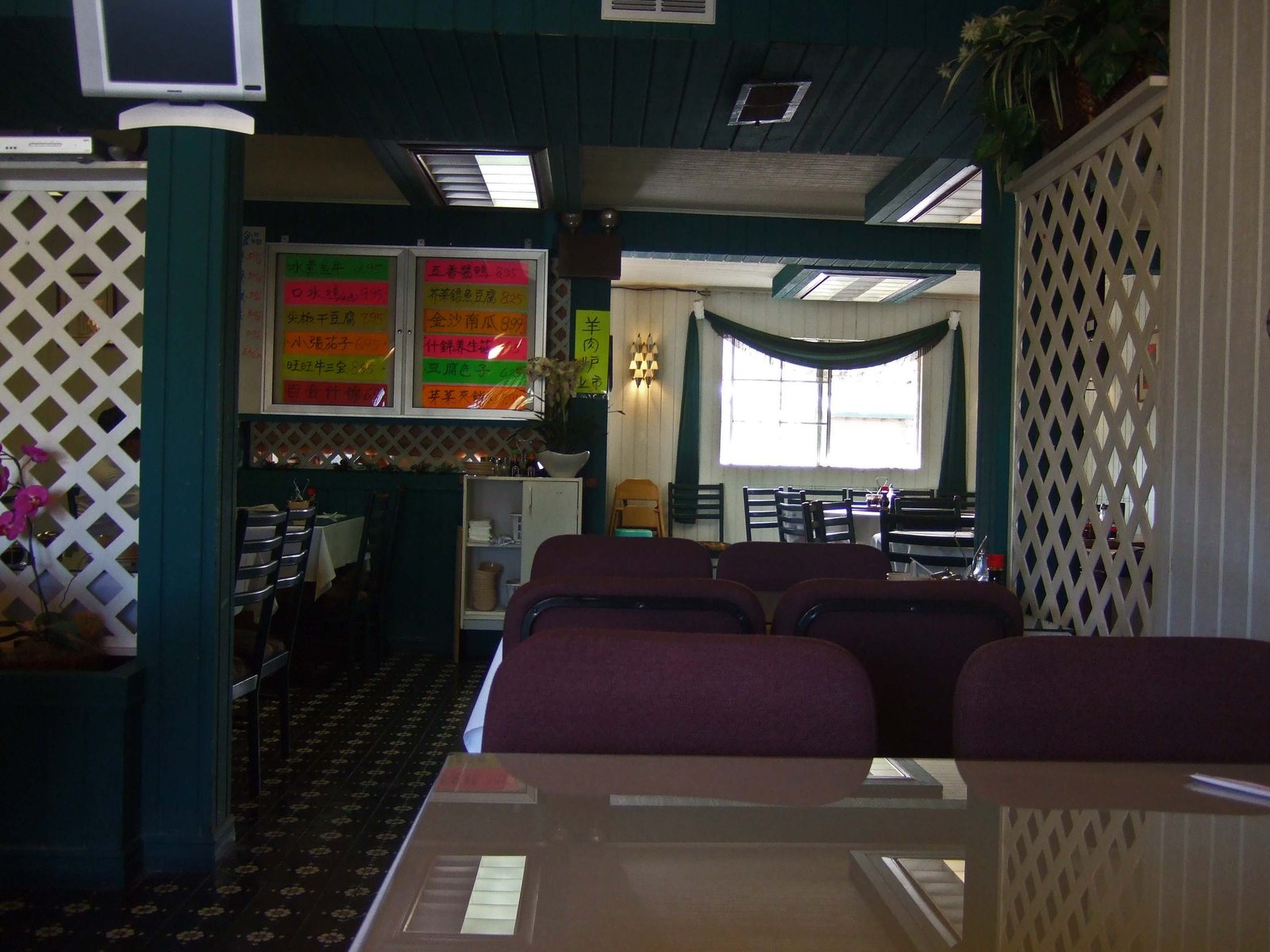
 The menu is large, and quite varied, with mostly Northern Chinese style favorites. There are a number of specials, posted on the ubiquitous colored paper on the walls. One of the specials is a "buy 1 beer, get one free" deal.
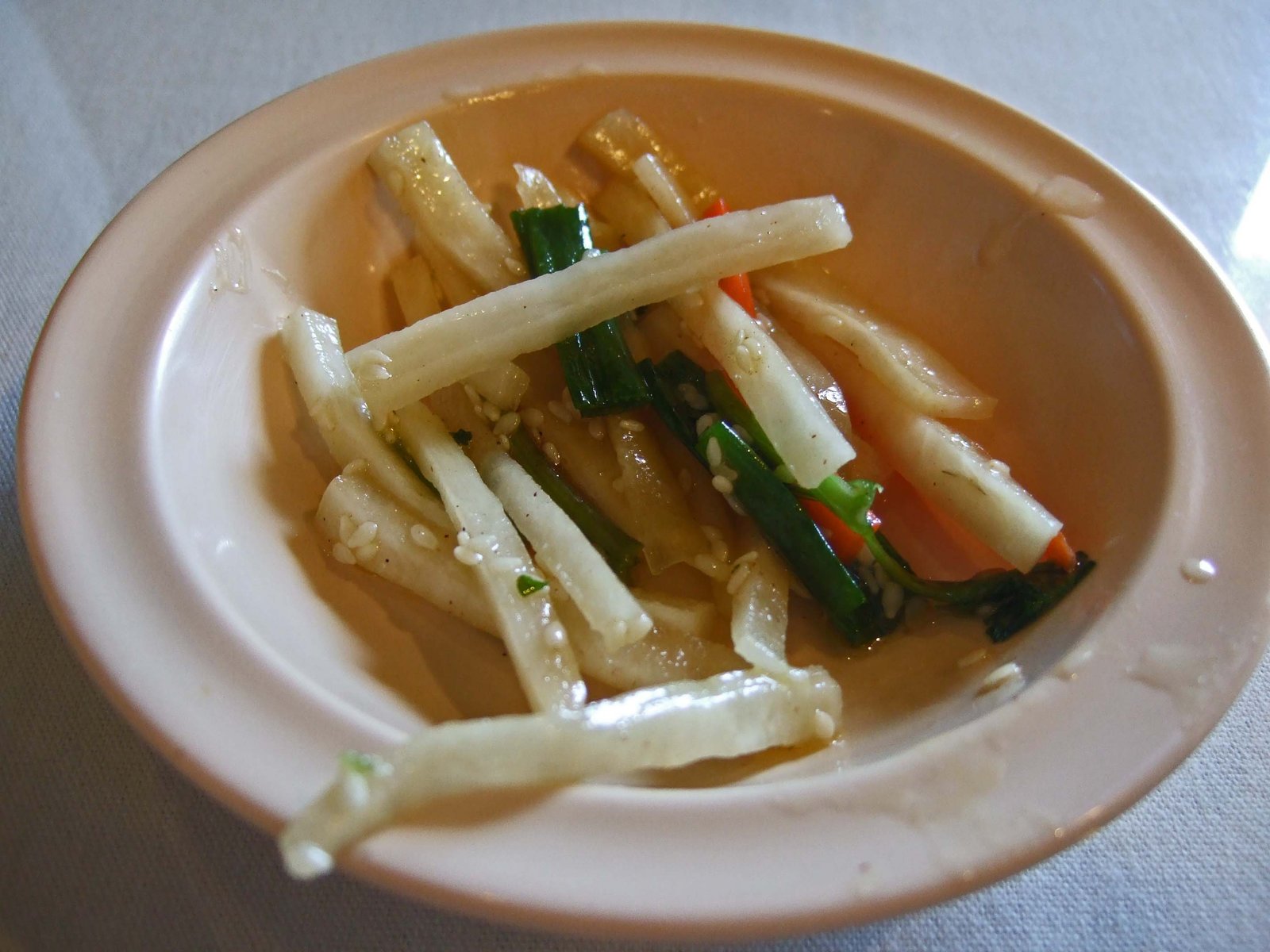
The woman who seated us, looked very smart in her glasses, was very nice, and friendly. Not your typical SGV server. She started us off with some pickles, good, but on the salty side, and asked us twice if we wanted more.
We started off with the "Thousand Layer Meat Flat Bread" – aka "Pork Pancake" on the menu ($5).
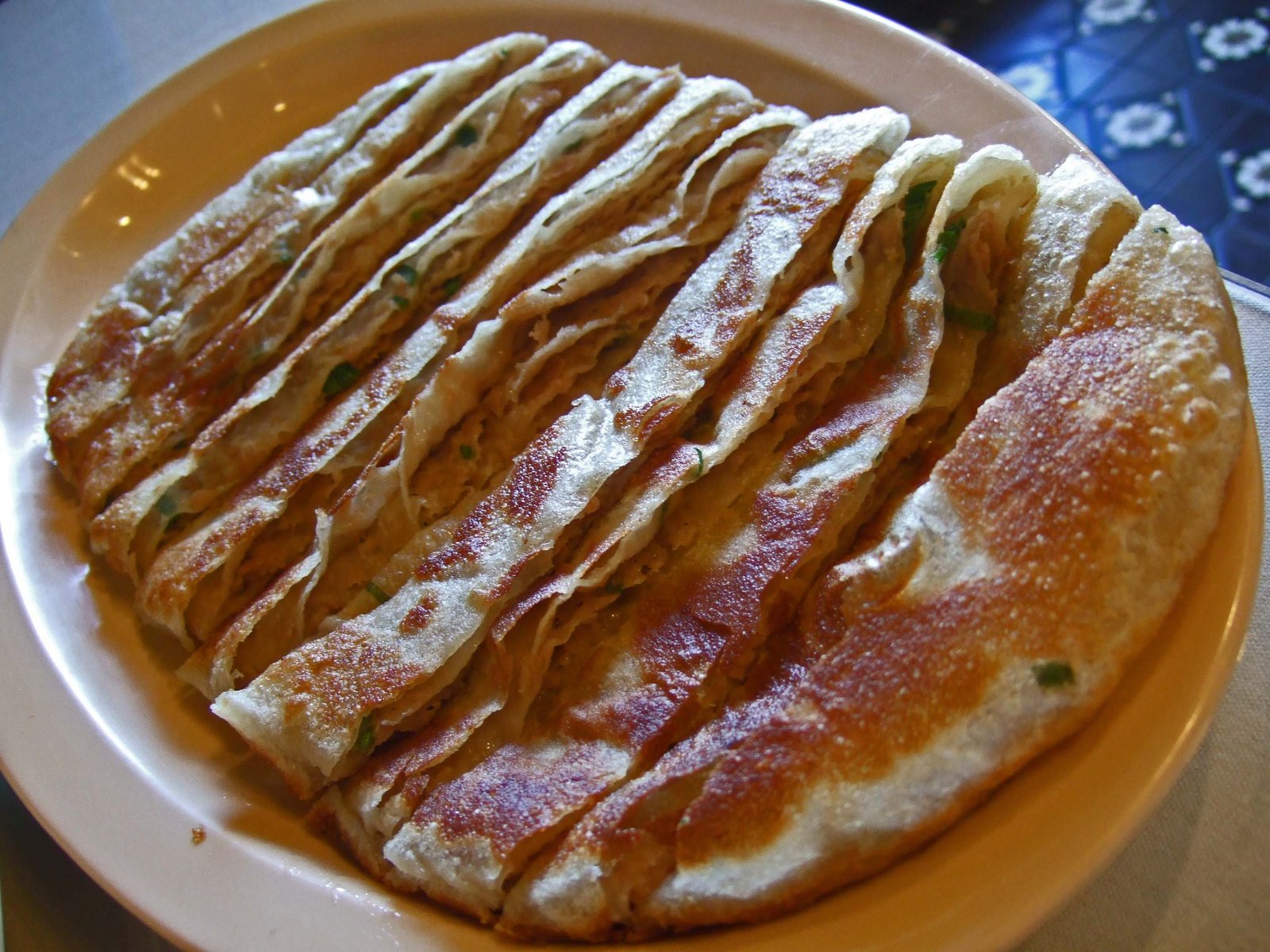
This was nice, not greasy, as many versions of this dish is. The texture was good, crisp crust, a bit chewy in the interior. Not much meat to be had, but that is pretty much how the home made versions of this is. With a bit of the salty-pickly spicy broadbean paste, this was quite good.
But what I'd really come for were the Shengjian Bao(10 for $6.45), a "Bao" that is fried-steamed.
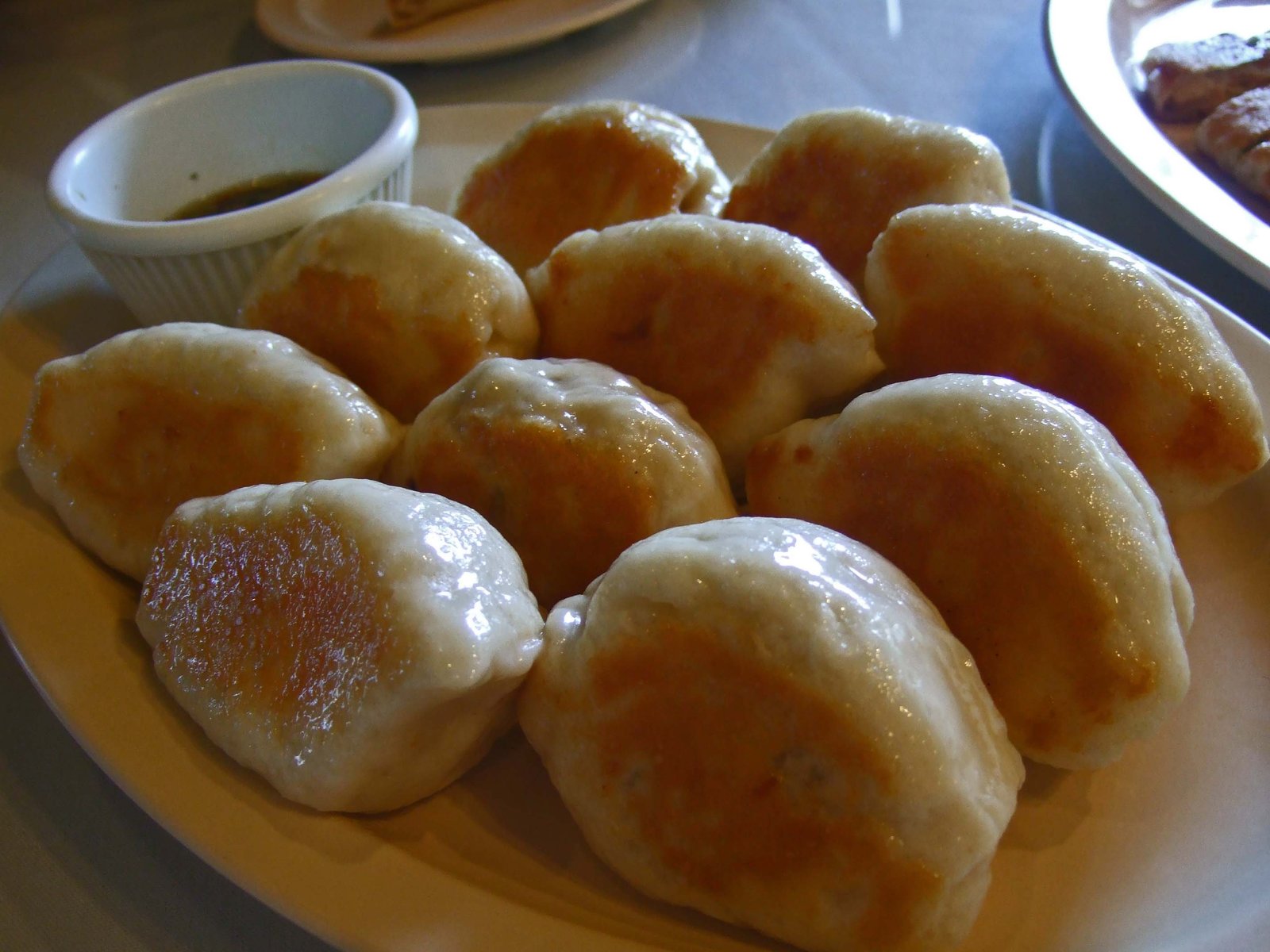
 The Missus told me of a stand right across the street from Her High-School in Qingdao, that made Shengjian Bao. Which would inevitably end up being Her "snack" on most days. Shengjian Bao, is a semi-leavened bun, stuffed with meat, that is of a Shanghainese origin. Being both fired and steamed means that when done right, you'll get the best of both worlds.
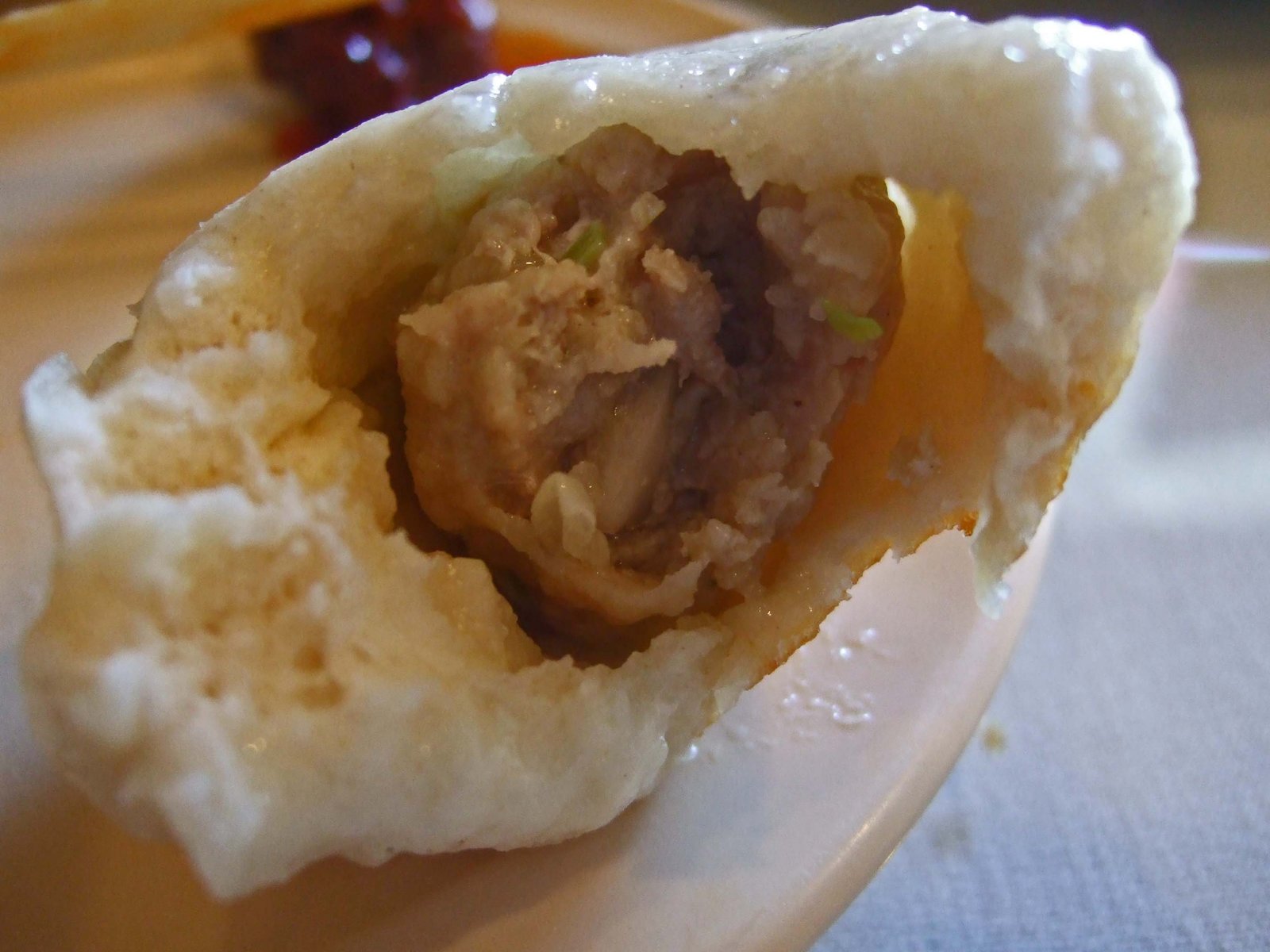
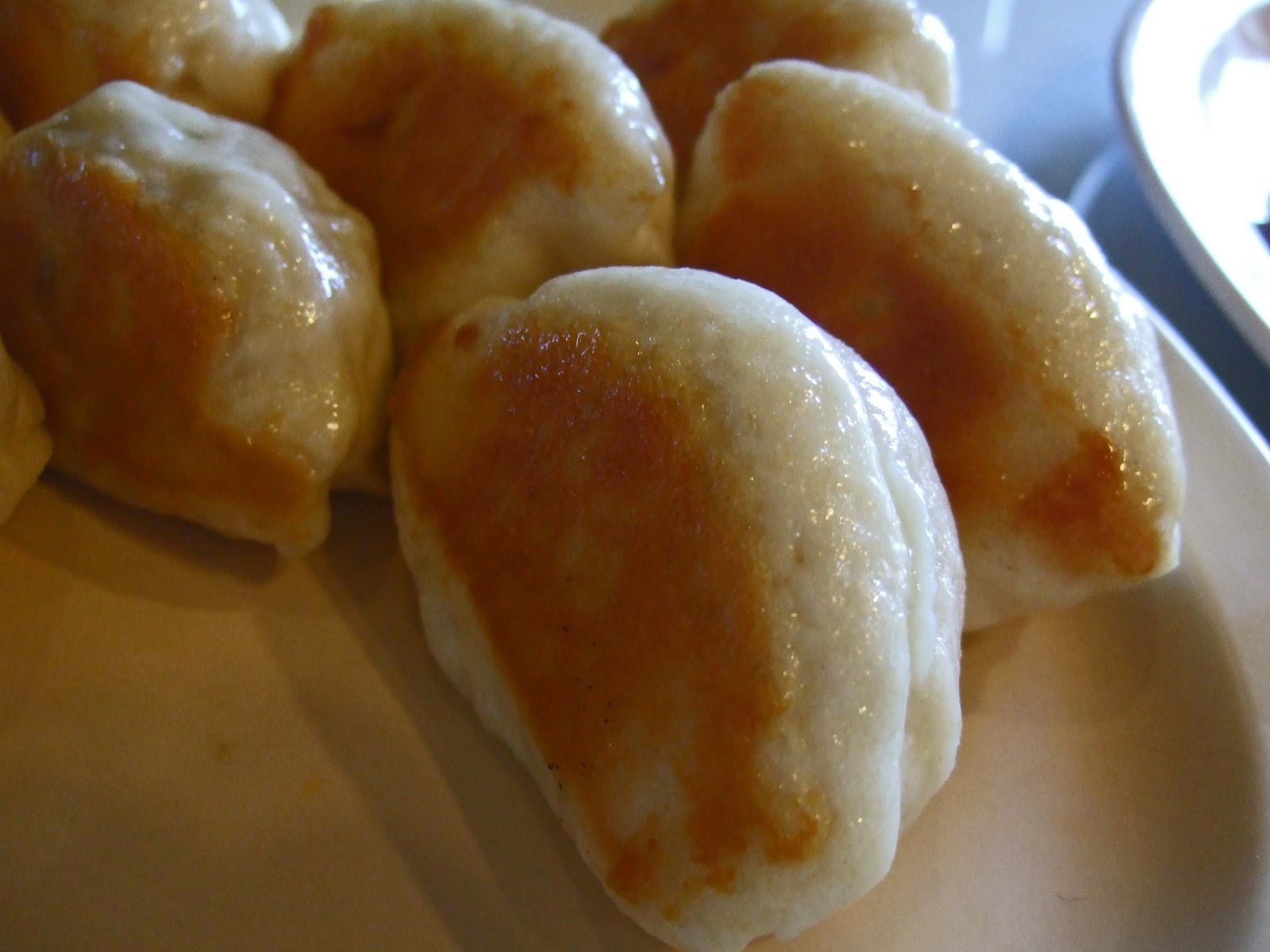
The Missus and I were both surprised when 10 rather large Bao arrived at the table. Glistening with oil, I expected these to be heavy and greasy. Boy was I wrong, these were very light, and I enjoyed the contrast in textures. A crisp bottom, the rest of the Bao was nice and bready. To be sure, the bottom could have been a bit more crisp, but I really enjoyed the texture.
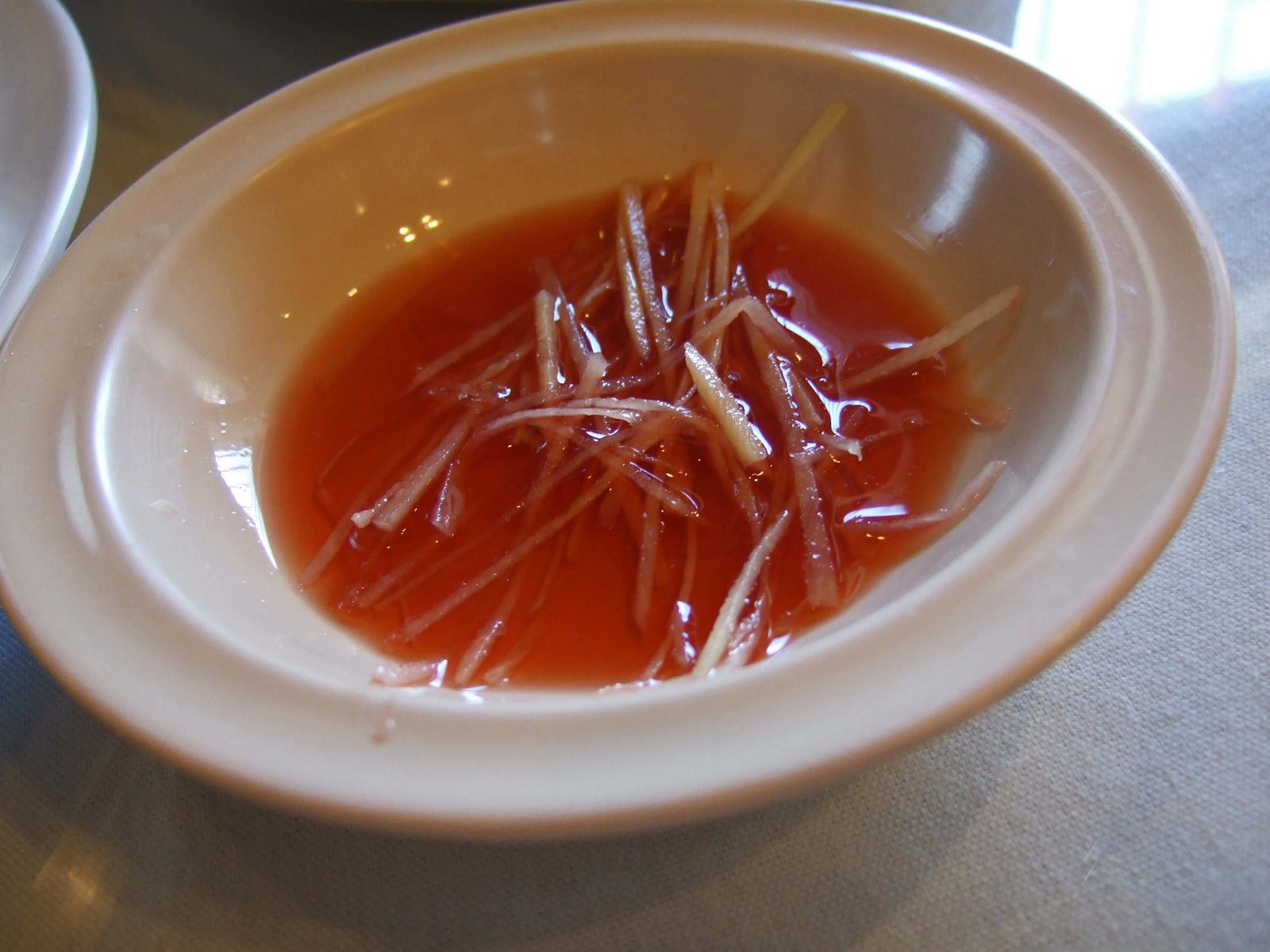
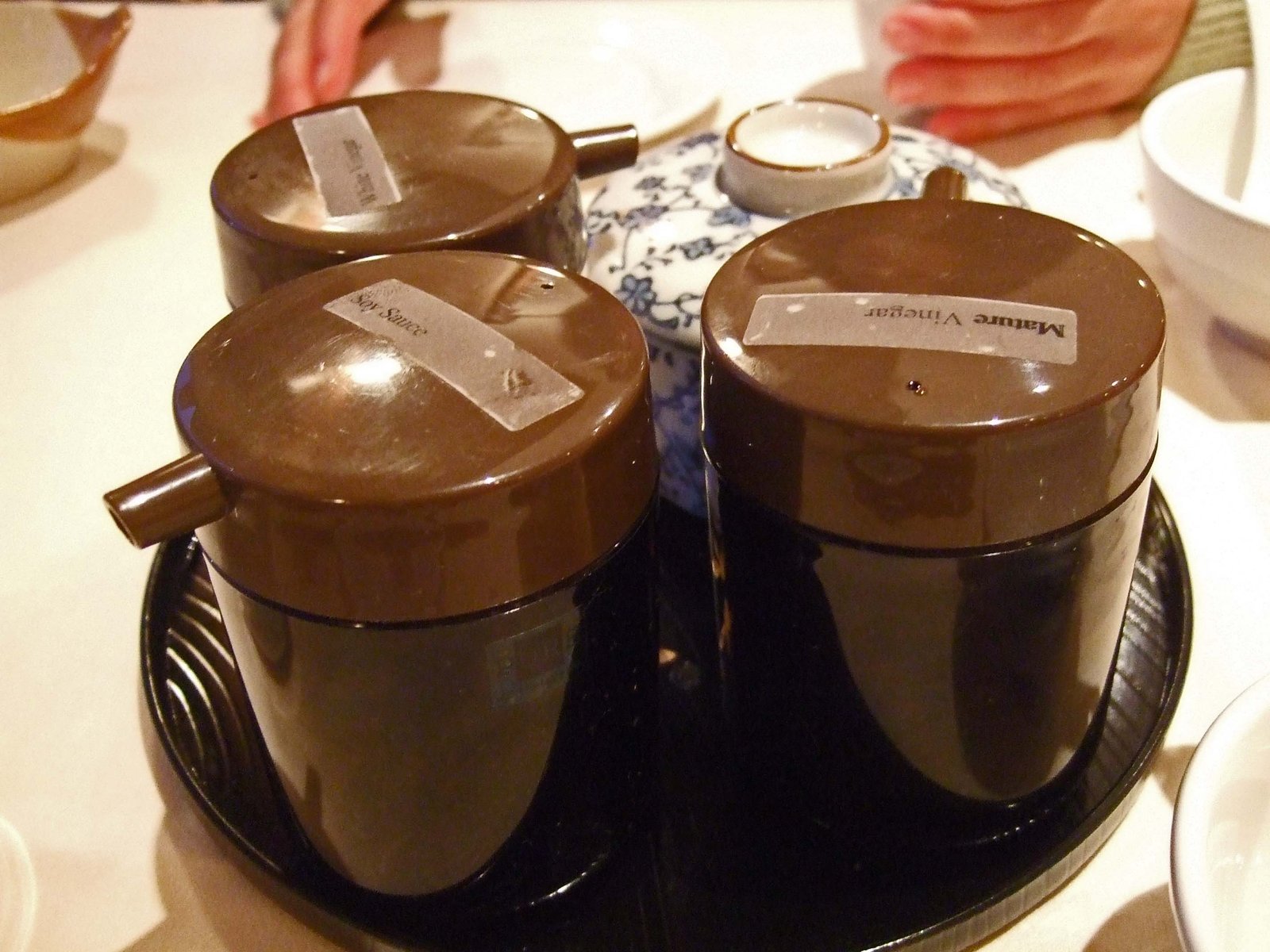
The filling was pork, with coarsely chopped squash for added texture. Moist and light, it could have perhaps been a bit more savory, but the provided soy-vinegar-cilantro dipping sauce was the perfect match. The nice Server even provided a small container of sauce for the left over Bao we took home!
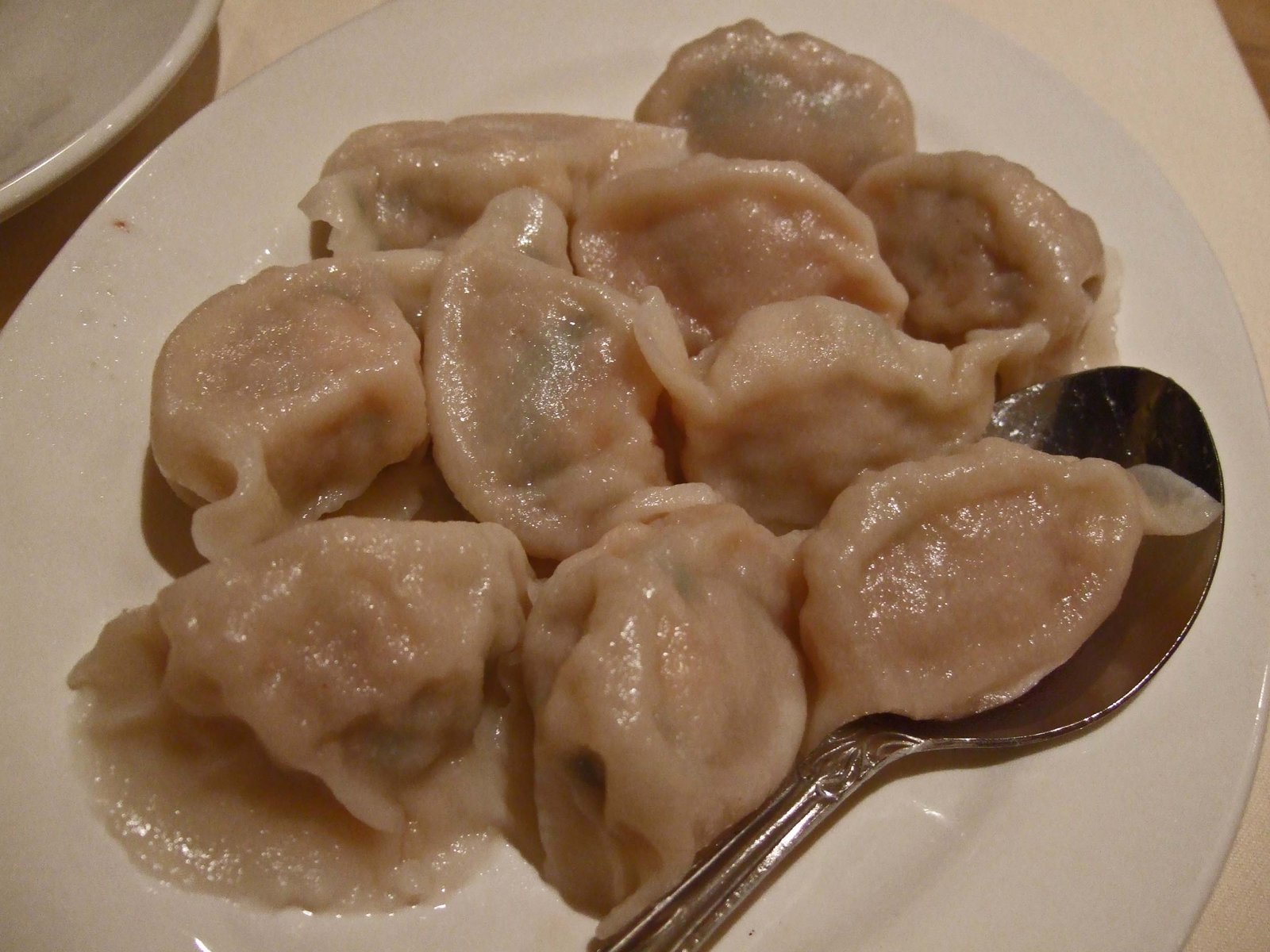
The Missus, suffering from XLB withdrawals, ordered the Xiao Long Bao (Steamed Juicy Pork Dumplings – $6):
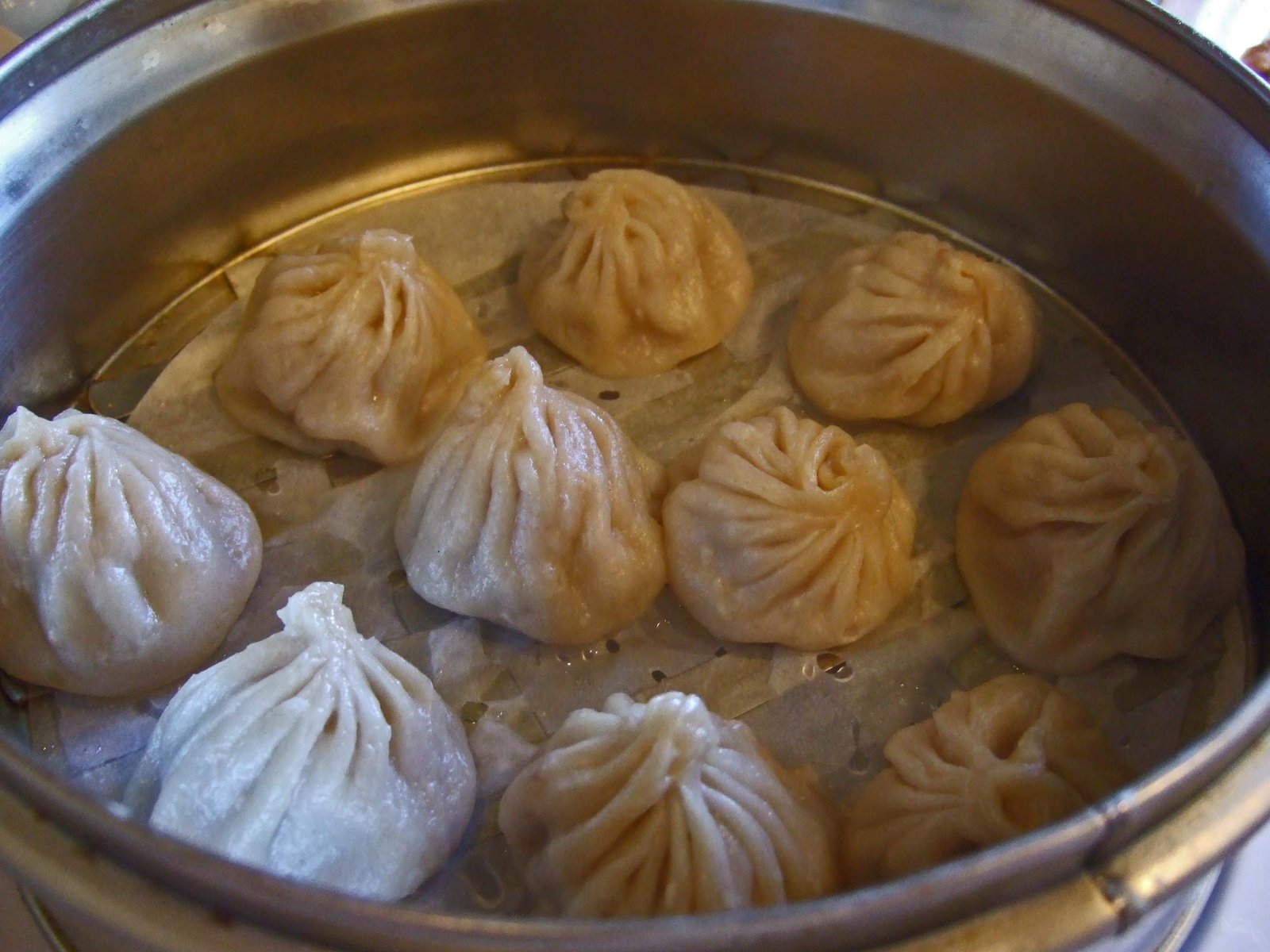
 I wasn't too impressed with this version, I thought the wrappers on the hard side, and the bottoms of the XLB were hard. There wasn't very much soup, and the filling was much too sweet, and left me with an odd, almost camphor like aftertaste. The Missus, on the other hand, ate 7 of the 10 XLB. Even though I wanted no part of it after eating the first one, She made me eat the last 2 since XLB doesn't keep and reheat real well.
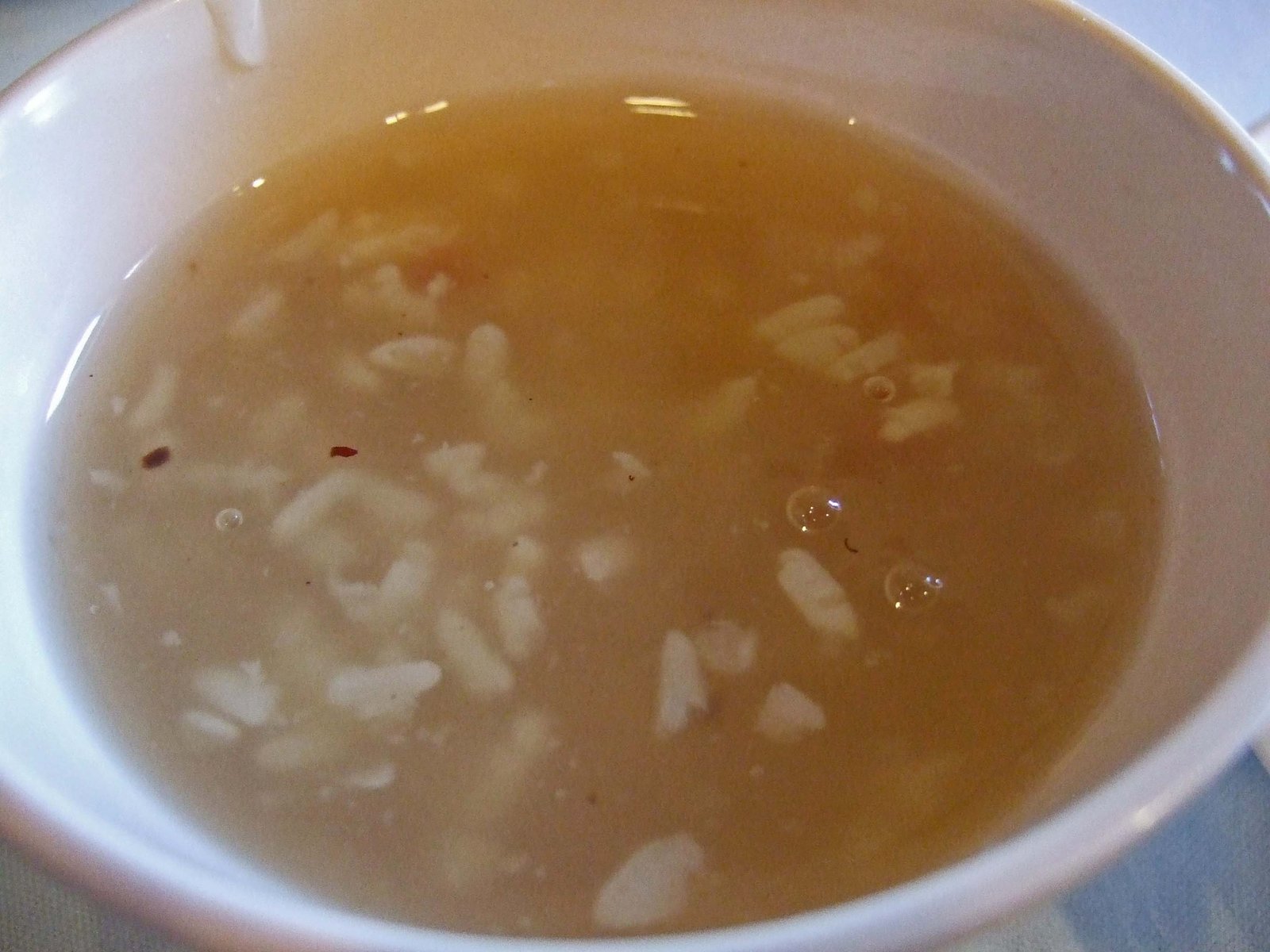
We requested a few containers for our leftovers, and our check. ($18.88 – a bargain!) And the Server told the Missus in Mandarin to wait because She shouldn't miss the free dessert. Which turned out to be a sweet rice porridge….no big deal, but very nice service:
As you can tell, we enjoyed this meal. It wasn't perfect, but it sure hit the spot. We found the service to be very nice, and the pace much more laid-back than other restaurants in the area. This place started to fill up as we left, with several groups of older folks.
So next time someone asks you if you'd like to grab a bite at a "Food Cabin" don't hesitate. It might be worth your while!
Food Cabin
9510 Valley Blvd
Rosemead, CA 91770
Why the leftovers you may ask? Well, you know why…… another meal was in store during this roadtrip!


 , it looks like


 classic book,




 .
. 



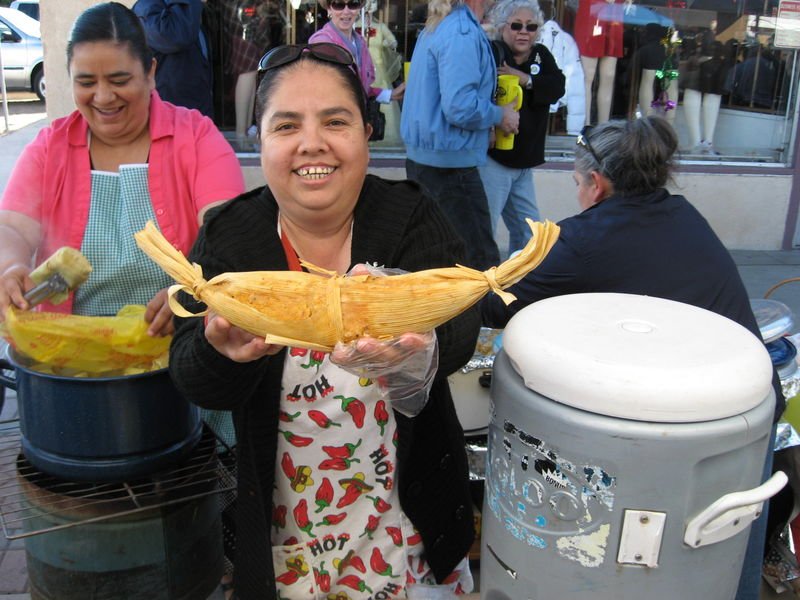
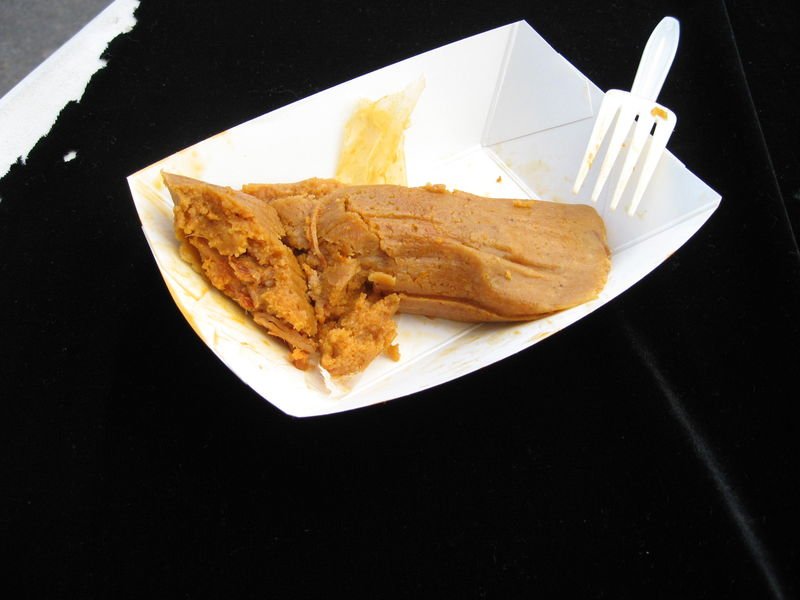 On the most basic level, a tamal is like an edible doll – a food nearly human, a small body wrapped in a cornhusk skin. The flesh is the dense and rich corn meal masa. The central filling can be seen, from a biological perspective, as like an alimentary canal, a digestive system. But seen from a different, less physical viewpoint, the center, the part that provides the uniquity of each particular tamal, is like each individual spirit, the distinct humanity possessed by every one of us.
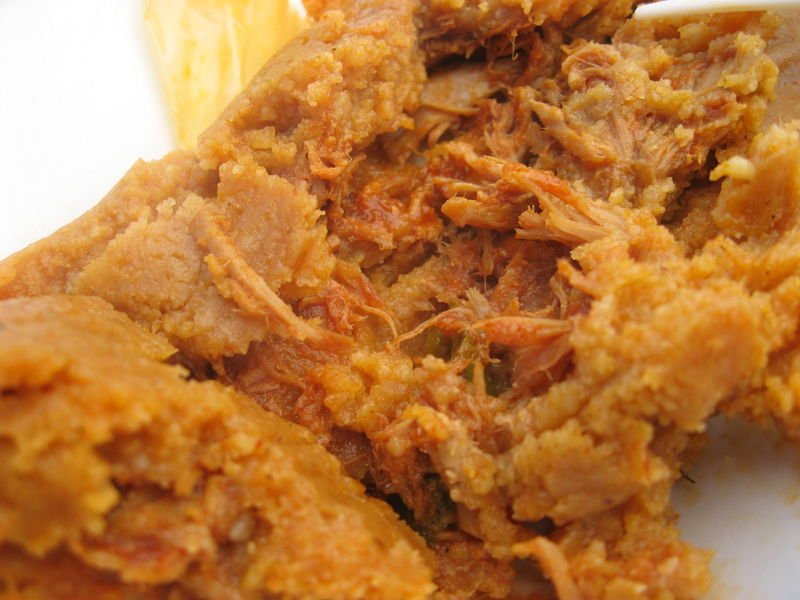 To traditional Christian believers, each tamale can be considered a metaphor or symbol for the Holy Virgin. After all, every real Mexican tamale must have an olive in it. On one level, that olive represents the Christ child waiting to be born — as he is every year at Christmas. And from a more new age viewpoint, the tamal can also represent any mother who carries seeds for the future within herself – as well as the fertility of the fields and the bounty of the harvest. So we can see this food as both the mother of God and the mother of us all. On still another level, the olive represents the promise of the new year which will be reborn with the passing of the winter solstice, as days start growing longer (right around the time of Christmas).
 The tamale, however, is also symbolic of Mexican culture. Just as the Virgin Mary has been transfigured into the Virgin of Guadalupe, so a tamal wonderfully blends and shapes new world and old world and transforms European traditions into something different and more complex. The key ingredient of tamales is, of course, maize. In the United States, we call it corn (the English term for all grains), because at first this Indian corn, this native ingredient, kept all the peoples in the New World, natives and invaders both, alive. Combined with this wonderful product of pre-Mexican agriculture is another New World addition, chilies. And most tamales add to those some bits of native tomato and another new world staple, potato:
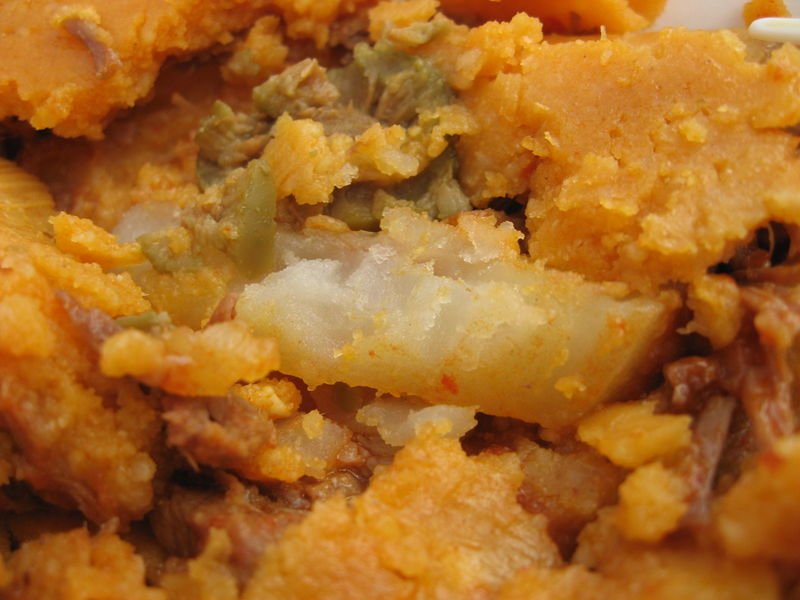 On the other hand, except for tamales made with turkey, the animal products in the dish are European. The olive, as well, is a product of Mediterranean civilizations. Whenever I think about this Spanish olive in the body of native corn masa, I am reminded about the Mexican legends of Cortez and his indigenous American girlfriends. In some very real and specific ways, the Mexican people and the Mexican culture are a combination of the Spanish and the native, just as is the tamale.
 In a way, tamales are a sacrificial dish as well. A friend learned how to make tamales. "So, I will get tamales every year?" I asked.